Hand Masks That Soften Dry Hands Overnight in 2026
The best hand mask in 2026 is a glove mask worn overnight, because it seals a rich cream against the skin for hours while you sleep, and dry, cracked hands feel softer by morning. A hand mask is not a fancier hand cream. It is an intensive treatment: a thick layer of moisture held in place, usually inside a soft glove, so it has time to sink in instead of rubbing off on everything you touch. If your hands are rough, tight, or splitting at the fingertips, a mask does in one night what a daily cream takes weeks to do.
Hands age faster than almost any other skin. They are washed dozens of times a day, exposed to cold air, hot water, cleaning products and sun, and the skin on the backs of them is thin with very few oil glands of its own. A hand mask works differently: it floods the skin with moisture and then traps it there, giving the barrier time to repair itself. This guide covers the types worth buying, the ingredients that matter, and the overnight routine that makes them work.
Key Takeaways
- A hand mask is an intensive weekly treatment, not a daily cream: it seals rich moisture against the skin for hours, usually overnight inside a glove.
- Glove masks are the easiest option for beginners, because the treatment is pre-measured and the glove keeps it in place while you sleep.
- Cream masks give you more control over the formula and the amount, and they suit hands that need a targeted treatment on cracks and knuckles.
- Look for ceramides, glycerin, urea and shea butter on the label, and skip heavy fragrance if your skin is cracked or sensitive.
- One or two mask nights a week is enough for most hands, with a daily hand cream doing the maintenance in between.
What a Hand Mask Actually Is
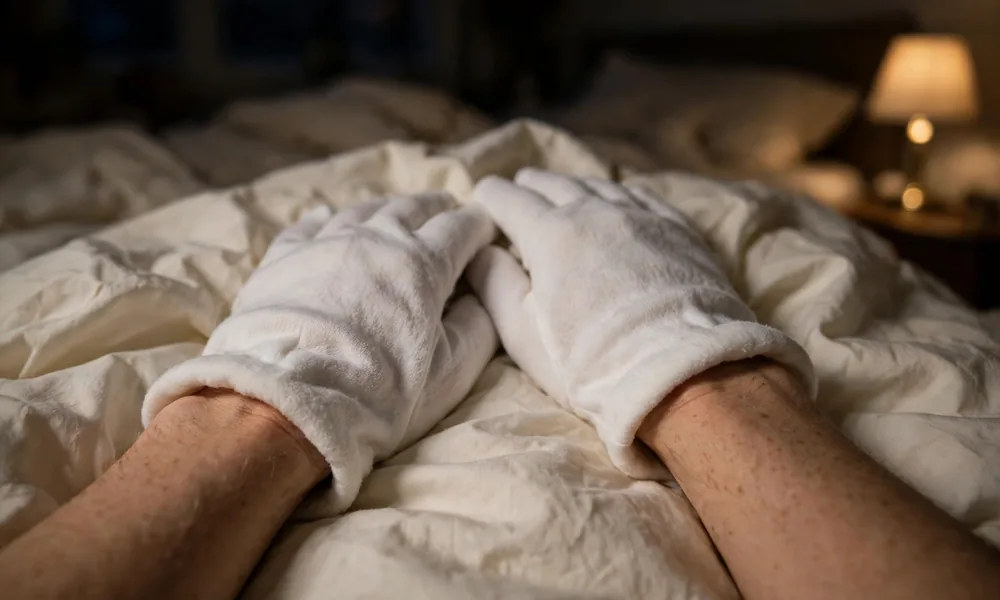
A hand mask is a leave-on treatment that stays on the hands far longer than a normal cream. The simplest version is a pair of gloves pre-filled with a rich serum or cream: you slide them on, leave them for twenty minutes or all night, and peel them off to find the product absorbed. Both work on the same principle, which is occlusion: a barrier that stops moisture escaping, so the skin drinks it in instead.
The difference from a daily hand cream is time and concentration. A hand cream is designed to disappear quickly so you can get on with your day, which means it is light and mostly gone within the hour. A mask is designed to stay put for hours, so it can be far richer without feeling impractical. One or two nights a week is the sweet spot for most people, and a daily cream covers the days in between. If you want the full picture of that daily step, our guide to why hand cream matters more than you think in 2026 explains what a good everyday cream should do.
Hand masks are also different from face masks, even though the idea is similar. The skin on your hands is thicker on the palms and thinner on the backs, it is washed far more often than your face, and it copes with cold, water and cleaning products that would never touch your cheeks. The two treatments share a principle but not a product, and the best face masks for every skin concern in 2026 shows how the same matching logic works for a different part of the body.
Glove Masks vs Cream Masks vs Paraffin-Style Treatments
There are three kinds of hand mask on the shelves, and they suit different hands and different budgets. Glove masks are the most popular, cream masks are the most flexible, and paraffin-style treatments are the most intensive. None of them is wrong; the right one depends on how dry your hands are and how much effort you want to spend.
Glove Masks
A glove mask is a pair of soft gloves with the treatment already inside, usually a serum rich in glycerin, ceramides or shea butter. You put them on, leave them for twenty to thirty minutes, or overnight if the pair is designed for it, and then remove them and massage in whatever is left. The appeal is simplicity: no measuring, no mess, and nothing to wash off. They are the best first hand mask to buy, and the best option for anyone who wants a treatment that feels like a small ritual rather than a chore.
Cream Masks
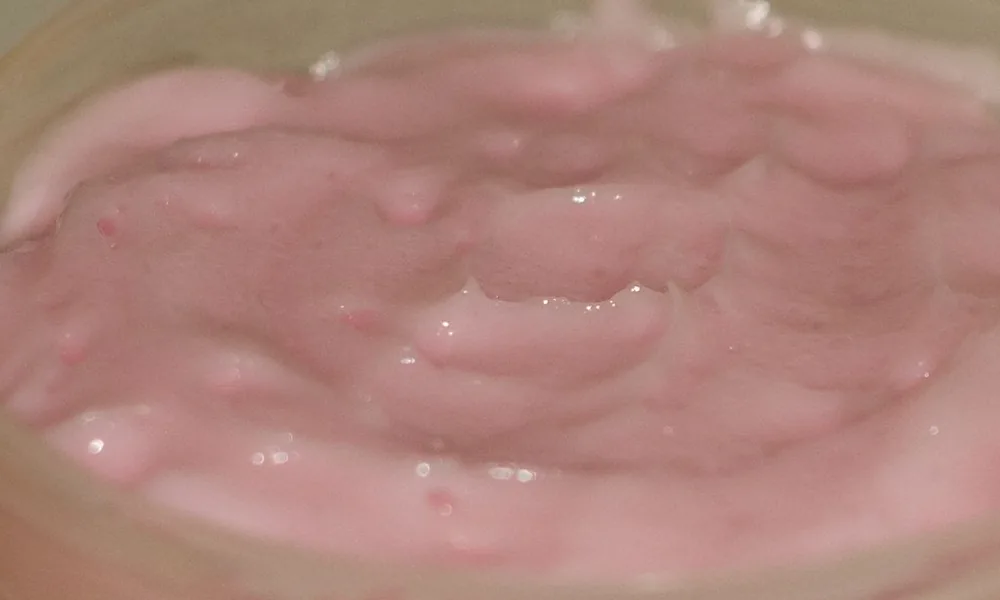
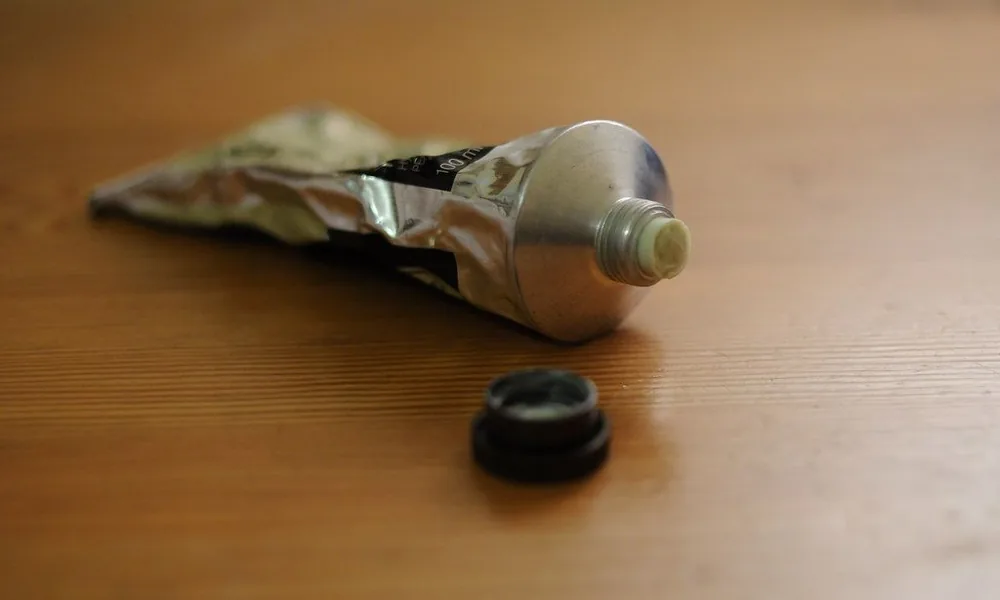
A cream mask is a thick cream or balm that you apply generously and then seal in with cotton gloves. The advantage is control: you choose the formula, you put extra on the cracks and knuckles that need it most, and you decide how long it stays on. Cream masks suit hands that are very dry or cracked, because you can use a heavier formula than any pre-filled glove contains, and they are the cheapest option per use once you own the gloves. A plain cotton glove, washed regularly, lasts for months.
Paraffin-Style and Peel-Off Masks
Paraffin-style treatments coat the hands in warm wax or a thick balm that sets into a layer, trapping heat and moisture underneath. They feel luxurious and they work well, but they are fiddly at home and better suited to an occasional pampering session than a weekly routine. If your hands are cracked rather than just rough, skip the peel-off and choose a glove or cream mask instead.
Hand Masks Compared
| Type | Best for | How long | Effort | Verdict |
|---|---|---|---|---|
| Glove mask | Beginners, busy nights | 20 minutes or overnight | Very low | Best overall |
| Cream mask + cotton gloves | Very dry or cracked hands | Overnight | Low | Best for deep repair |
| Paraffin-style treatment | Occasional pampering | 20 to 30 minutes | High | Best occasional treat |
| Peel-off mask | Surface smoothness | 15 to 20 minutes | Low | Fun, not repair |
| Daily hand cream | Everyday maintenance | Minutes | None | Partner, not a mask |
Ingredients That Matter, and Ones to Skip
The label tells you more than the packaging does. The ingredients that repair dry hands are well established, and the best hand masks combine several of them. Glycerin is the workhorse humectant: it pulls water into the skin and holds it there. Ceramides rebuild the barrier that keeps that water from escaping, which is why they appear in the best formulas for cracked skin.
What to skip depends on your skin. Heavy fragrance is the most common irritant, and it stings on cracked skin, so choose a fragrance-free mask if your hands are split or sore. A short ingredient list is usually a good sign: a hand mask does not need twenty active ingredients, it needs three or four good ones in generous amounts.
Do not forget the skin around the nails. A hand mask helps them, but they benefit from their own attention too, and the best cuticle creams for healthy nails in 2026 covers what to look for once the mask has done its work.
The Overnight Routine, Step by Step
A hand mask works best at night, when the hands are still for hours and nothing rubs the treatment away. The routine takes five minutes, and the order matters. Start by washing your hands with lukewarm water and a gentle cleanser, then pat them almost dry, leaving them slightly damp.
Next, smooth on a generous layer of the mask cream, or slide on the pre-filled glove mask, paying extra attention to the knuckles, the backs of the hands and any split fingertips. If you are using a cream mask, pull on thin cotton gloves over the top. Then go to sleep. In the morning, remove the gloves, massage in whatever is left, and wash your hands as normal. Most people feel the difference after the first night, and see it after two or three mask nights.
How Often to Mask, and What Results to Expect
One or two mask nights a week is enough for most hands, and three is reasonable in deep winter or after a week of heavy cleaning or outdoor work. Between masks, a daily hand cream keeps the result going, and gloves for washing up and cold weather protect the repair from being undone the next day.
Expect softness first, usually by the morning after the first mask. Rough patches take a week or two of regular masking to smooth out, and split fingertips need two to three weeks, because the skin has to grow back as well as rehydrate. A mask is a treatment, not a cure, and knowing that line is part of using it well.
Hand Mask Checklist
- Choose a glove mask for simplicity or a cream mask with cotton gloves for the deepest repair.
- Check the label for ceramides, glycerin, urea or shea butter, and skip heavy fragrance on cracked skin.
- Wash with lukewarm water and pat hands almost dry before masking, so damp skin absorbs better.
- Apply generously to knuckles, backs of hands and split fingertips, then seal in with cotton gloves.
- Mask one or two nights a week, and keep a daily hand cream going on the days between.
- Protect the result with gloves for washing up and cold weather, or the dryness comes straight back.
Frequently Asked Questions
Can I wear a hand mask overnight?
Yes, overnight is the best time to wear one, as long as the mask is designed for it. Glove masks labelled for overnight use and cream masks sealed in with cotton gloves are both safe to sleep in.
How is a hand mask different from hand cream?
A hand cream is a light daily moisturiser designed to sink in fast so you can carry on with your day. A hand mask is a much richer treatment that stays on for hours, usually sealed in by a glove, so it can repair dryness a daily cream cannot reach.
Can I make a hand mask at home?
Yes. Smooth on a thick layer of a rich, fragrance-free cream or a little shea butter, then wear thin cotton gloves to bed. It works almost as well as a bought mask, and it costs very little.
Will a hand mask help cracked fingertips?
Yes, it is one of the best things for them. The sealed moisture softens the hard skin around a split and lets it heal, usually within two to three weeks of weekly masks. Keep the cracks clean, avoid harsh soaps while they heal, and see a pharmacist if a split is deep, bleeding or not improving.
Can I use a hand mask if I have sensitive skin?
Yes, but choose a fragrance-free formula and patch-test it first: apply a little to one hand, wait a day, and check for redness or itching. Cream masks give you more control here, because you can choose a formula you already trust and use it under cotton gloves.
Do hand masks work on ageing hands?
They help with dryness, roughness and the crepey look that comes from dehydration, which is a large part of what makes hands look older. For hands that look older mainly because they are dry, a weekly mask makes a visible difference within a month.
The Bottom Line
The hand mask that softens dry hands overnight in 2026 is a simple one: a glove mask, or a rich cream sealed in with cotton gloves, worn one or two nights a week. It works because it gives moisture time, which is the one thing a daily cream cannot offer.