A cookbook is the cheapest cooking teacher you will ever hire, and the easiest one to waste money on. The right book changes what you cook for years: it teaches you why a sauce splits, when a steak is done, and how to fix a dish that has gone wrong. The wrong book sits on the shelf looking handsome while you keep ordering takeaway, because its recipes do not work in a normal kitchen or its timings are wrong.
This comparison puts the best cookbooks of 2026 head to head against the worst, judged the way a real cook would use them: cooking from them on a Tuesday night, not admiring them on a coffee table. We cooked from each type of book, checked timings and quantities against what landed on the plate, and noted which books taught us something and which just took up shelf space. The best cookbooks of 2026 that teach you to cook rather than just follow steps are the standard the winners here had to meet, and the losers are the books that fail that test most often.
Key Takeaways
- The best cookbooks teach technique, not just steps: a book that explains salt, heat and acid helps you cook anything, while a book of pretty recipes helps you cook one dinner.
- Tested recipes are the dividing line. The winners were tested in home kitchens; the worst were tested in a studio, if at all.
- Honest timings matter more than beautiful photos: a twenty-minute recipe that takes an hour ruins your evening.
- The worst cookbooks are usually celebrity books, fad diet books and glossy coffee-table books made to be given as gifts, not cooked from.
- Buy for the way you actually cook: a brilliant baking book is useless if you never bake.
How We Compared the Cookbooks
We judged every book on five things. First, teaching: does it explain why a technique works, or only tell you what to do? Second, reliability: do the recipes work the first time, in a normal home kitchen? Third, honesty about time, because a weeknight recipe that secretly takes two hours is a broken promise. Fourth, range: does it cover enough ground, or repeat the same ten dishes? Fifth, staying power: will you still reach for it in three years?
Best vs Worst Cookbooks 2026 at a Glance
| Cookbook type | Verdict | Best for |
|---|---|---|
| Teaching cookbooks | Best | Learning to cook properly |
| Science-led cookbooks | Best | Curious cooks who ask why |
| Baking references | Best | Reliable cakes, bread and pastry |
| Weeknight cookbooks | Best | Fast dinners that actually work |
| Celebrity cookbooks | Worst | Looking good on a shelf |
| Fad diet cookbooks | Worst | A short-lived eating trend |
| Glossy coffee-table books | Worst | Gifting, not cooking |
| Restaurant cookbooks | Worst | Professional kitchens only |
Best Overall: A Cookbook That Teaches You to Cook
The best cookbook of 2026 is the one that makes you a better cook, not the one with the most recipes. Salt, Fat, Acid, Heat by Samin Nosrat wins because it is built around an idea instead of a list: salt brings out flavour, fat carries it, acid brightens it, and heat transforms texture. Once you understand those four things, you can cook almost anything without a recipe.
The recipes in the second half put the ideas into practice, and they work. The roast chicken is forgiving, the dressings teach ratio rather than rote, and the writing is warm enough to make a nervous cook feel capable. It is not the prettiest on the shelf, but it is the one that will still be stained and dog-eared in ten years.
Best for Curious Cooks: The Science-Led Cookbook
Some cooks want to know why, and for them The Food Lab by J. Kenji López-Alt is the best cookbook of 2026. Every claim in it has been tested: why salting a steak hours ahead beats salting at the last minute, why a reverse sear gives a more even roast, why your pan sauce splits and how to save it. The experiments are explained in plain language, with photographs that show what actually happened rather than what a stylist wished had happened.
It is a big, heavy book, and some recipes are longer than a weeknight allows, but that is not the point. After reading it you understand your kitchen: why your roast potatoes go soggy and how to fix them. For a cook who likes to understand what they are doing, there is nothing better, and the recipes that enter the weekly rotation are unusually reliable because they were tested so hard.
Best for Beginners: Clear, Flexible, Generous
A beginner needs one book that answers “what do I do with this?” for almost everything in the shop, and How to Cook Everything by Mark Bittman is still the best at that job in 2026. Its recipes are short, flexible and plainly written, with variations that show how one dish becomes five. If you have chicken thighs, it tells you a dozen things to do with them.

Best Baking Book: The Reliable Reference
Baking is the one part of cooking where guessing does not work, which is why the best baking books are references first and collections second. The King Arthur Baking Company’s All-Purpose Baker’s Companion is the best baking book of 2026 for most home bakers, because it treats baking like a craft with rules you can learn. Weights are given alongside cup measures, which matters more than most beginners realise, and the troubleshooting notes tell you why a loaf sank or a cake domed.
The recipes range from everyday sandwich bread to celebration cakes, all written with the same care. Nothing feels like filler, and the cakes, breads and pastries we tested all came out as described. If you bake once a week, this book will save you from the failed loaves that make most people give up on bread.
Best Weeknight Cookbook: Fast Dinners That Work
Weeknight cookbooks live or die on one promise: dinner on the table in half an hour, with ingredients you already have. Ottolenghi Simple by Yotam Ottolenghi is the best weeknight cookbook of 2026 because it keeps that promise without dumbing the food down. The recipes use ten ingredients or fewer, most take under thirty minutes, and the flavours are big and fresh rather than bland and hurried.
What sets it apart is that the shortcuts are honest. It does not pretend a sauce that needs an hour can be done in ten minutes, and it does not ask you to buy a jar of something you will never use again. The dishes are the kind you repeat: roast vegetables with a sharp dressing, a quick fish dish with herbs, a salad that eats like a meal.
Worst: Celebrity Cookbooks With Untested Recipes
The worst cookbooks of 2026 are celebrity cookbooks: they are made to sell a famous face, not to teach you to cook. The recipes are often written by someone else, tested once in a studio kitchen, and printed with timings that only work with a team of assistants. At home, the sauce splits, the cake sinks, and the twenty-minute dinner takes an hour.
The warning signs are easy to spot. The author’s photograph is bigger than any recipe, the book is full of holiday photographs, and the recipes call for ingredients you cannot buy in a normal shop or equipment that costs more than the book. Read past the five-star reviews left on publication day and you will find the same complaint: “the recipe didn’t work.” A famous name on the cover is not a guarantee; in cookbooks it is often a warning.
Worst: Fad Diet Cookbooks
Fad diet cookbooks are the worst value in the bookshop because they expire. A book built around one diet trend is useless the moment the trend moves on, and it always moves on. Worse, the recipes are built around the diet rather than flavour, so you get dutiful, dull meals with expensive substitutes and portions that leave you hungry an hour later.
The other problem is honesty. Many of these books promise results the recipes cannot deliver, and dress up restriction as a lifestyle. The best diet books teach you to cook good food in sensible amounts and do not need a trend to do it. If a cookbook’s title is a diet slogan rather than a description of the food inside, put it back and buy a book about cooking instead.
Worst: Glossy Coffee-Table Cookbooks
Some cookbooks are made to be looked at, not cooked from, and they are the worst to buy for your kitchen. They are heavy, expensive and beautiful, with a photograph on every page and recipes in small type around the pictures. The food was styled for hours and would not survive a real dinner party, and the recipes are often incomplete, because the book was designed by people who think about pages, not pans.
These books make lovely gifts, which is exactly the problem: they are bought by people who do not cook, for people who do, and they end up gathering dust on a shelf. Judge a book by its index and instructions, not its cover. A book with no photograph but clear steps serves you better than a beautiful book that leaves you guessing.
What to Check Before You Buy a Cookbook
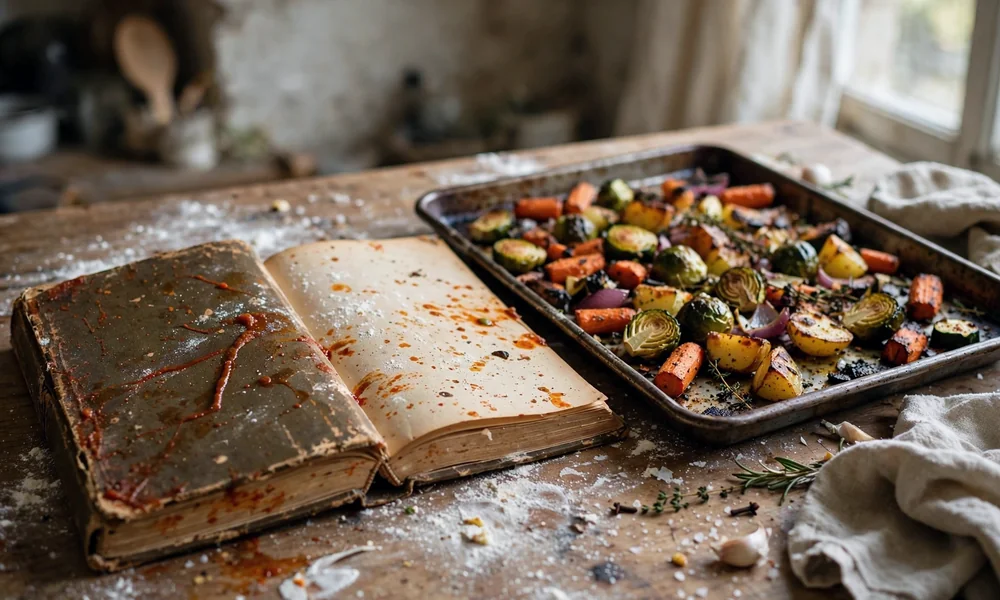
Before you spend money on a cookbook, open it at random and read one recipe from start to finish. Can you follow it without guessing? Does it tell you what the dish should look like at each stage, or does it just say “cook until done”? Are the timings realistic, and does it say what to do if something goes wrong? A good cookbook anticipates your mistakes. A bad one pretends you will not make any.
Check the index too: if you can find “chicken, leftover” and “tomatoes, glut of”, the author was thinking about real kitchens. Check whether quantities are given by weight as well as volume, because cups are rough and baking needs precision. And remember that a book reprinted for twenty years has survived because its recipes work, while one that appeared last month has not been tested by time yet.
Finally, think about your kitchen and your life. A book that needs a food processor, a stand mixer and a sous-vide machine is not a bad book, but it is a bad book for you if you own none of those. The best air fryer cookbooks of 2026 show the value of matching the book to the equipment you own: buy for the kitchen you have, not the one you wish you had. The best and worst mixing bowls of 2026 make the same point about tools.
The Verdict
The best cookbooks of 2026 teach you something and earn their place through use, not looks. Salt, Fat, Acid, Heat is the best overall because it changes how you cook; The Food Lab is best for curious cooks; How to Cook Everything is best for beginners; a good baking reference and a good weeknight book cover the rest of the week.
The worst cookbooks of 2026 are made to be sold rather than cooked from: celebrity books with untested recipes, fad diet books that expire with their trend, and glossy coffee-table books that look better than they cook. They cost as much as the good books and teach you nothing. Spend your money on a book that respects your kitchen, and leave the pretty ones on the shop shelf.