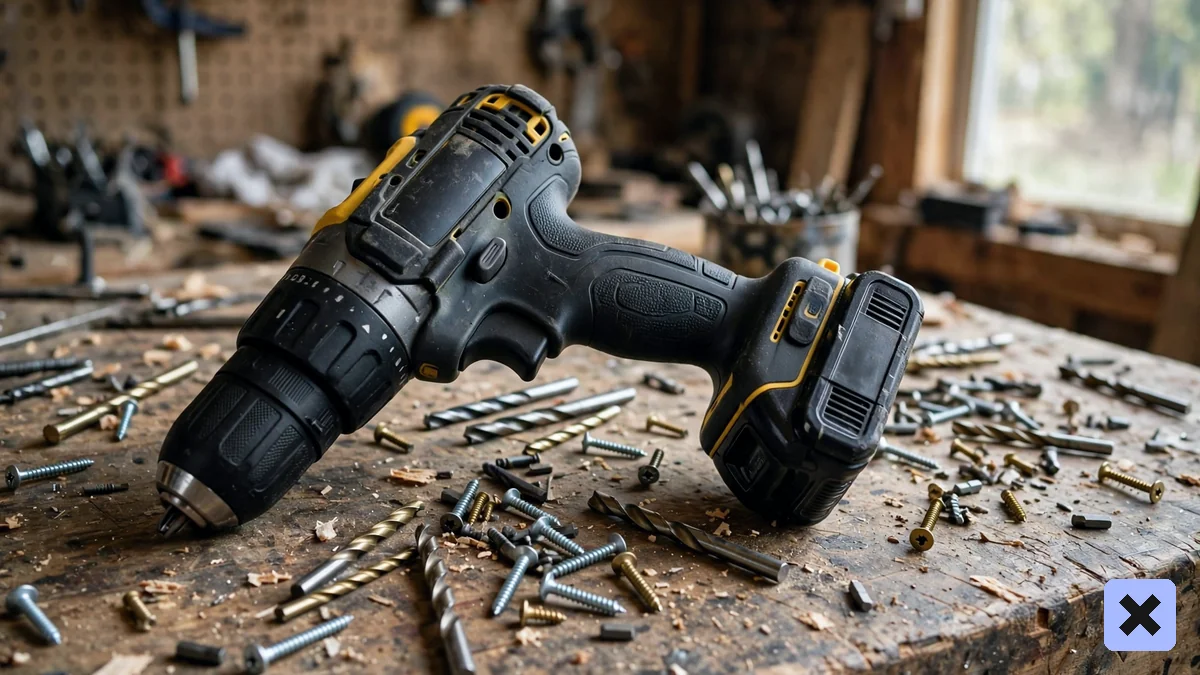
A drill is the tool most homes cannot do without, and it is also the tool most people buy badly. It hangs a shelf, builds flat-pack furniture, fixes a loose hinge, and puts up a curtain rail, and when it works well you barely think about it at all. When it works badly, every job takes twice as long, screws strip, holes wander, and your wrist aches for hours afterwards. The difference between a good drill and a bad one is rarely obvious in the shop, where both look solid and both promise plenty of power on the box.
The gap between the best and the worst drills in 2026 is wider than the price tags suggest. Two drills can share the same voltage, the same chuck size, and the same glossy finish, yet one will still be driving screws cleanly in five years while the other is in a drawer with a dead battery and a chuck that no longer grips. The difference lives in the motor, the gearbox, the chuck, the battery, and the balance of the tool in your hand, and it only shows up once you start using it for real work. This guide puts the two ends of the market side by side, across every type of drill, so you can tell them apart before you spend anything.
Key Takeaways
- The best drills drive straight, hold their torque, and keep working after hundreds of charges; the worst wobble, overheat, and lose power halfway through a job.
- Match the drill to the material: wood and plasterboard need little power, brick and concrete need a hammer action, and long screws need an impact driver.
- A good chuck grips bits firmly and runs true; a cheap chuck slips, wobbles, and turns every hole into an oval.
- Battery quality matters more than headline voltage: a good 12V drill beats a cheap 18V drill with a weak battery every time.
- Weight and balance decide whether a drill is a pleasure to use or a strain on your wrist after ten minutes overhead.
Pick the Right Type First
Before looking at any single drill, decide what kind of work you will actually do. A drill-driver handles drilling and screwdriving in wood, plastic, and plasterboard, and it covers most home jobs on its own. A combi drill adds a hammer action that pulses the bit forward thousands of times a minute, letting it drill into brick and concrete. An impact driver delivers rotational impacts that drive long screws without twisting your wrist, and it is the right tool for decking and fencing. A rotary hammer, often called an SDS drill, is a heavier machine for serious masonry work, while a drill press holds the bit perfectly vertical for precise workshop holes.
Corded drills still have a place, especially for heavy, continuous work where a battery would run flat. They are usually cheaper for the same power, they never need charging, and they keep the same torque from the first hole to the last. Cordless drills win on convenience: no cable to trip over, no socket to hunt for, and easy use on a ladder or in the garden. If your work is mostly light home projects with a cordless drill, our guide to the best cordless drills for home projects in 2026 compares the strongest models for that job in detail. The rest of this guide covers the whole drill market, corded and cordless, good and bad.
What the Best Drills Get Right
The best drills are not the most powerful ones on the shelf. They are the ones where every part of the design has been tested by people who actually drill holes, in real houses, in real materials. You can feel the difference the moment you pick one up: it is balanced, nothing rattles, the trigger gives you fine control, and the chuck turns smoothly without wobble.
Motors That Stay Cool and Strong
A good motor delivers its torque smoothly and keeps delivering it. Brushless motors, now common in the better cordless drills, run cooler, last longer, and squeeze more work from each battery charge than older brushed motors, because they replace wearing carbon brushes with electronics. A brushed motor is not automatically bad, and a well-made brushed drill from a reputable brand can serve a home well for years, but a cheap brushed motor in a no-name drill will overheat, smell of burning, and fade after a few minutes of hard work. In a corded drill, look for a motor that does not bog down when the bit bites, and that keeps a steady speed under load rather than surging and stalling.
Chucks That Grip and Run True
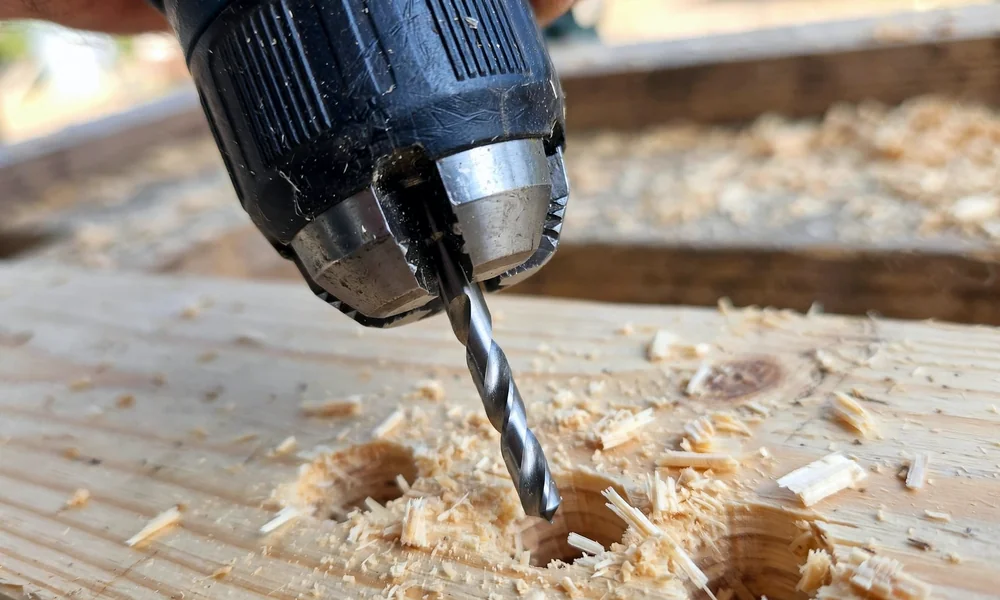
The chuck is the part of a drill you trust with every bit, and it is where cheap drills fail first. A good keyless chuck tightens with one hand, grips the bit along its full length, and runs true, so the tip of the bit does not describe a circle as it spins. A 13mm chuck covers nearly every home bit, while a 10mm chuck is fine for light work but limits you when you need a larger hole saw or spade bit. Metal chucks last longer than plastic ones, and a chuck with a locking ratchet stays tight under vibration instead of loosening halfway through a hole.
Batteries That Last the Job
For a cordless drill, the battery is half the tool. Modern lithium-ion batteries hold their charge for months in a cupboard, deliver full power until nearly empty, and recharge in under an hour. Two batteries beat one big battery, because you can keep working while the spare charges, and a drill that shares batteries with other tools from the same brand saves you money on every later purchase. A good battery clicks firmly into place, shows its charge with a simple button, and does not get hot during normal use.

What the Worst Drills Get Wrong
Wobble, Heat, and Stripped Screws
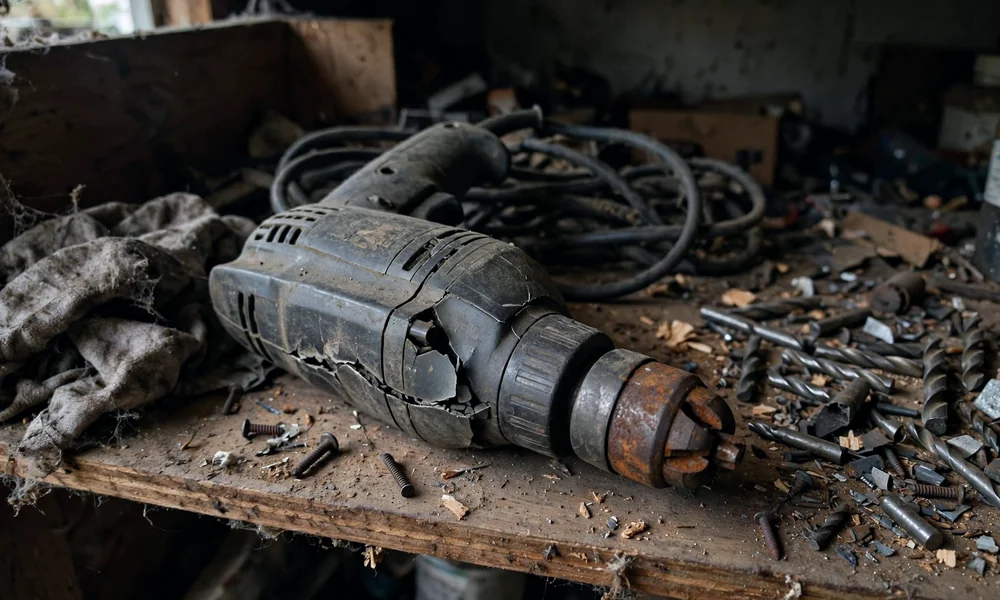
The most common failure is runout, the wobble of a bit that does not spin true. It starts as a slightly oversized hole and ends with snapped bits, broken tiles, and screws that drive in at an angle and never sit flush. Runout comes from a cheap chuck, a bent spindle, or a gearbox that was never machined to a proper tolerance, and it cannot be fixed by tightening anything. A drill that wobbles is a drill that fights you on every hole, and no amount of skill compensates for it.
Plastic Gears and Flimsy Cases
Open up a bad drill and you will often find plastic gears where a good drill has metal ones. Plastic gears are quieter and cheaper, but they strip under load, especially in the low gear that does the hardest work, and once a gear strips the drill is scrap. A good gearbox uses metal gears, a proper grease that does not dry out, and a housing that holds everything in alignment. You can sometimes hear the difference: a good gearbox hums smoothly, while a bad one rattles, whines, and changes pitch as the load changes.
Drills by Material: Wood, Metal, and Masonry
Wood is the kindest material for a drill, and almost any decent drill-driver handles it well. The skill lies in the bit and the speed: a sharp twist bit or brad-point bit at a moderate speed cuts cleanly, while a blunt bit at full speed burns the wood and leaves a ragged hole. The worst drills for wood are the ones with poor speed control, because a trigger that jumps from nothing to full speed makes it impossible to start a hole cleanly. A good variable-speed trigger lets you creep the bit into the surface, then build up speed once the hole is started.
The Best and Worst Drill Types Compared
A drill-driver is the best single drill for most homes, because it does the most jobs well and asks for the least skill. It drills clean holes in wood and plasterboard, drives screws without stripping them, and fits into tight corners. Its weakness is masonry, where it needs a hammer sibling, and long screws, where an impact driver does the job better. Buy a drill-driver first, and add the specialist tools later if your projects demand them.
An impact driver is the best tool for driving long screws, and the worst tool for drilling neat holes. Its rotational impacts drive screws fast without twisting your wrist, and it will sink a long decking screw that would stall a drill-driver. But it is noisy, it has no clutch for delicate work, and it will snap small bits and strip small screws if you are not careful. Treat it as a specialist, not a replacement for a drill-driver.
Before You Buy: A Short Checklist
Use this checklist on every drill you consider, and do not skip a step because the price is good. First, hold it. It should feel balanced with the battery fitted, with the weight sitting over your hand rather than pulling forward. Second, fit a long bit and spin it slowly, watching the tip for wobble. Third, pull the trigger gently and check that the speed builds smoothly from a crawl to full speed. Fourth, check the chuck: tighten it by hand, tug the bit, and make sure it does not slip.
Then think about the rest of your kit. A drill is only as useful as the bits and accessories that go with it, and a good set of bits costs less than a single ruined project. Keep the drill somewhere dry, charge the battery before it is completely flat, and clean the chuck after dusty work so it keeps gripping properly. If you are building up a home workshop, our guide to why a good tape measure matters more than you think in 2026 covers the cheapest tool in the box, and the one that decides whether everything else fits. And when the light is poor, a reliable torch makes the work safer: our guide to the top flashlights for emergencies, camping and everyday carry in 2026 compares the lights worth carrying.
Who Each Side Is For
The best drills suit anyone who drills more than once a month, anyone who owns a house with brick walls, and anyone who has ever been let down by a drill halfway through a job. Homeowners, flat-pack builders, and weekend renovators all benefit from the same things: a true-running chuck, a battery that lasts, and a motor that does not overheat. A good drill is not a luxury; it is the tool that makes every other tool in the box work properly.
The Verdict
The best drills of 2026 are not the ones with the biggest torque figure on the box. They are the ones with a chuck that runs true, a motor that stays cool, a battery that lasts the job, and a balance that lets you work for an hour without aching. The worst drills look like a bargain and work like a warning: they wobble, overheat, strip screws, and die young, and they cost more in ruined materials and wasted weekends than the price you saved.
So buy slowly, hold the drill before you pay, and choose the drill for the materials you actually work with. Choose well, and it will still be driving screws cleanly, quietly, and reliably years after the bargain drills have gone to the scrapheap.