
A face mask is the one skincare step that promises a visible difference in fifteen minutes, and that promise is exactly why the shelves are full of them. The best face masks of 2026 do one job well: a clay mask that clears oil without stripping the skin, a sheet mask that leaves dry skin genuinely hydrated, or a gentle cream mask that calms redness instead of causing it. The worst face masks do the opposite. They sting, they dry the skin out, they pill under moisturiser, and the glow they promise fades before you have finished your evening. This comparison is about skincare face masks, the clay, sheet, gel, cream and peel-off treatments you use at home, not protective face coverings, which are a different product entirely.
This comparison puts the best face masks of 2026 head to head against the worst, judging them the way you would actually use them: applied once or twice a week, left on for the time on the packet, and judged a month later, not five minutes after rinsing. We look at ingredients, skin-type match, texture, ease of use, and whether the results last longer than an evening. The same honest approach sits behind our comparison of the best and worst face washes of 2026, which shows how the same rules about gentle formulas and honest claims decide which cleansers help your skin and which ones strip it.
Key Takeaways
- Match the mask to your skin concern: clay for oil, cream and sheet masks for dryness, gentle formulas for sensitive skin.
- A face mask is a weekly treatment, not a daily step: one or two uses a week is enough for almost everyone.
- Leave a mask on for the time on the packet, usually ten to fifteen minutes: longer often means drier.
- Always follow with moisturiser, to seal in what the mask delivered.
- If a mask stings or leaves skin red for more than a few minutes, it is the wrong mask for you.
What Makes a Face Mask Good or Bad
A good face mask starts with its ingredients doing a clear job. The best face masks of 2026 are built around one or two active ingredients that match a real skin concern: kaolin or bentonite clay to absorb excess oil, hyaluronic acid or glycerin to draw moisture into dry skin, niacinamide to calm redness, or gentle fruit enzymes to smooth dull skin. The formula is balanced, with soothing ingredients alongside the active ones, and the full ingredient list is printed plainly instead of hidden behind vague claims. The worst masks lead with fragrance, alcohol, or a long list of exotic extracts in amounts too small to do anything, while the ingredient that actually matters sits near the bottom of the list.
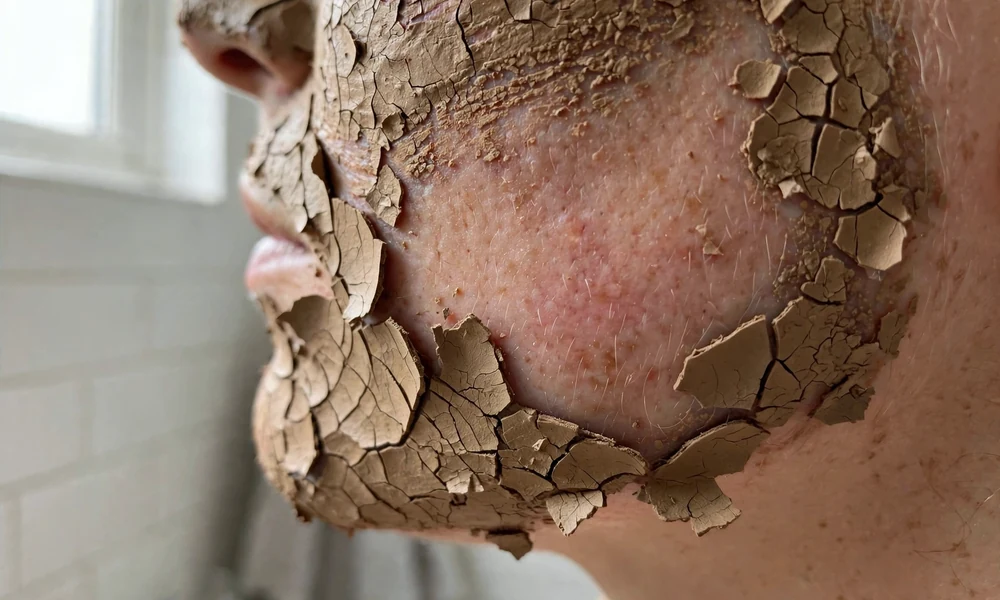
The second thing that separates good from bad is how the mask behaves on the skin. A good clay mask dries evenly and rinses off cleanly without scrubbing, a good sheet mask stays put and stays damp for the full ten minutes, and a good cream mask spreads smoothly and washes away without leaving a sticky film. A bad mask cracks and flakes before the time is up, slides off your chin halfway through, or needs harsh rubbing to remove, which undoes any good it might have done. Texture is not a luxury detail: a mask you dread applying is a mask you will stop using, and a weekly treatment only works if you actually use it weekly.
The Best Face Masks of 2026
The best face masks of 2026 share a handful of qualities, and none of them is a famous label or a pretty jar. The formula matches a real concern instead of promising everything at once. Clay masks for oily and combination skin absorb excess oil from the T-zone without leaving the cheeks tight and flaky, because they pair the clay with glycerin or aloe. Hydrating sheet masks soak the skin with essence that actually sinks in, leaving it plump rather than just damp, and they fit the face properly instead of sliding around. Cream masks for dry or mature skin deliver richness that lasts into the next morning, and gentle enzyme masks smooth dull skin without the sting of a harsh acid peel.
Honest labelling is where the best masks earn their price. The active ingredient is named and listed near the top, the directions are specific about how long to leave it on and how often to use it, and the claims match what the formula can actually do. The best makers also think about the practical details: a tube or pump that keeps the product fresh, a sheet mask that unfolds without tearing, and a formula that layers well under moisturiser instead of pilling. None of this is glamorous, but it is the difference between a mask you reach for every week and one that dries out at the back of the bathroom cabinet.
The Worst Face Masks of 2026
The worst face masks of 2026 are easy to spot once you know what to look for, and the first warning is a formula that tries to do everything. A mask that promises to clear spots, erase wrinkles, brighten dull skin and shrink pores all at once is promising four different jobs with one formula, and it will do none of them well. Peel-off masks are often the worst offenders: they look satisfying as they come away, but they pull at the skin, strip the surface barrier, and leave it red and reactive, especially on dry or sensitive skin. Charcoal masks with heavy fragrance and high alcohol content are another classic trap, drying the skin out while smelling like a spa treatment.
Bad texture is the second giveaway. Sheet masks that dry out within five minutes cannot deliver anything to the skin, because the essence has evaporated instead of soaking in. Clay masks that set rock-hard and crack before the recommended time will leave the skin tight and uncomfortable, and cream masks that never sink in just sit on the surface and transfer onto your pillow. Our comparison of the best and worst moisturizers of 2026 makes the same point about skincare in general: a product that feels wrong on the skin is a product your skin will not thank you for, however good the marketing sounds.
The worst masks also fail on value, and they fail quietly. A single-use sheet mask that costs as much as a week of moisturiser is poor value unless it genuinely outperforms a reusable tube, and a tiny jar of clay that hardens in the pot after three uses is money thrown away. Good masks come in packaging that keeps the product usable to the last drop, with enough product for a month of weekly use at a fair price. Bad masks hide a small amount of product in a large jar, or dry out because the lid does not seal. If a mask costs more per use than the rest of your routine combined, it needs to earn that price with results you can see, not with packaging you can photograph.
Clay, Sheet, Cream and Gel: Which Type Suits You
Exfoliating masks deserve care, because they are the type most likely to cause harm when used wrongly. A gentle enzyme mask used once a week can smooth dull skin safely, but a strong acid mask used three times a week will strip the barrier and leave the skin red, flaky and reactive. The rule is simple: one active treatment at a time, once or twice a week, and never layer a strong exfoliating mask over a retinoid or a fresh chemical peel. The same caution applies to the rest of the routine, and our comparison of the best and worst serums of 2026 shows how active ingredients need the same respect wherever they appear. A mask is a concentrated treatment, not a daily cream, and treating it like one is how good skin gets damaged.
How to Use a Face Mask Properly
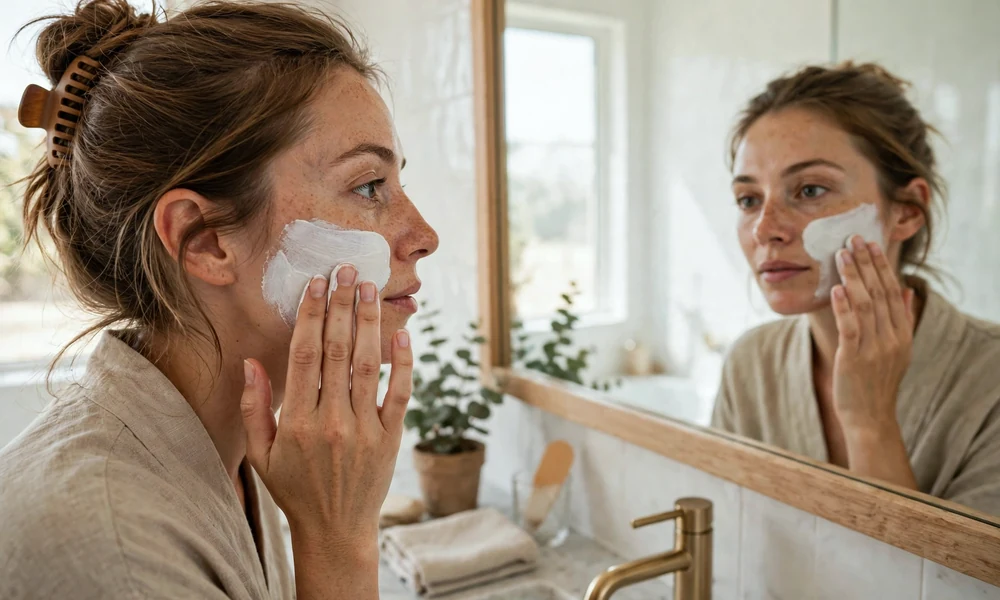
Using a mask well starts before you open the packet. Cleanse first, because a mask applied over makeup or sunscreen cannot reach the skin, and pat the skin damp rather than bone dry for hydrating masks, which work better on damp skin. Apply a thin, even layer with clean fingers or a brush, avoiding the eye area and the lips, and set a timer instead of guessing, because ten minutes feels much longer than it is and the temptation to leave a mask on for half an hour is how dryness happens. Rinse with lukewarm water and pat dry, never scrub, and follow immediately with moisturiser to seal in what the mask delivered.
Frequency matters more than most people think. One or two uses a week is enough for almost everyone, and daily masking is a fast route to irritated skin, however gentle the formula claims to be. Patch test a new mask on a small area of skin first, especially if your skin is sensitive or you have reacted to products before, and wait a day before using it on your whole face. Store masks away from heat and sunlight, close the lid properly, and throw away any mask that has changed colour, smell or texture, because a spoiled product can irritate the skin badly. A mask is a simple step, but doing it properly is what turns it from a treat into a treatment.
How to Shop for Face Masks Without Wasting Money
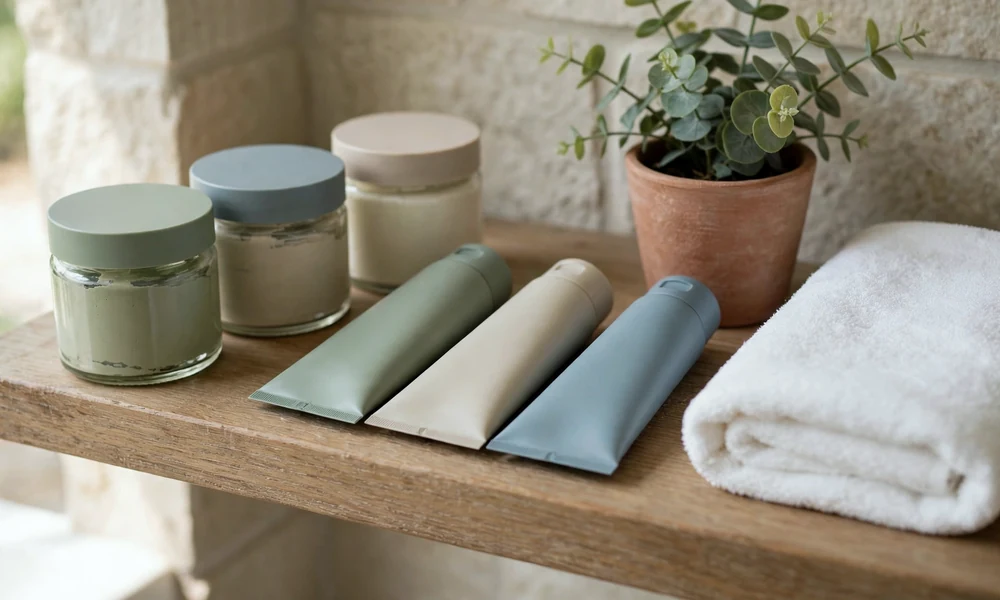
The smartest way to shop for a face mask is to start with your skin, not with the shelf. Work out your main concern, whether that is oil, dryness, dullness, sensitivity or ageing, and buy the type and formula that matches it. Read the ingredient list before the claims on the front of the packet, and be suspicious of any mask that does not name its active ingredient or hides it at the bottom of the list. Choose a format you will actually use: a tube of clay you can reach for weekly is worth more than a box of single-use sheets you forget about.
Price is a rough guide but not a reliable one. A mid-priced mask with a clear formula will usually outperform an expensive one built on fragrance and packaging, and the cheapest masks are often false economy, because a product that irritates your skin costs more in recovery than it saved at the till. Buy the smallest size first when you are trying a new mask, patch test it, and only commit to a full size once you have seen how your skin responds over a few weeks. A good mask, used weekly and followed with moisturiser, should show a visible difference within a month.
The Verdict
The best face masks of 2026 are the ones built around one real skin concern: a clay mask that clears oil without stripping, a sheet mask that hydrates dry skin properly, or a gentle cream mask that calms instead of stinging. They name their active ingredient, they feel good on the skin, they rinse off cleanly, and they show results over a month of weekly use. The worst face masks are the ones built around the shelf: big promises, heavy fragrance, peel-off drama, and a price per use that no result can justify. Buy for the concern your skin actually has, use the mask weekly, follow it with moisturiser, and judge it after a month, because the best face mask is the one your skin keeps asking for.


