
A granola bar is the snack most of us reach for when we want to feel sensible. It sits in the desk drawer, the gym bag, and the glove box, promising oats, nuts, and honey in a neat little rectangle. It looks wholesome, it sounds wholesome, and the wrapper is usually covered in pictures of golden oats and scattered almonds. Yet the bar you pick up can be two very different things. One is a genuinely useful snack, built on whole oats and real nuts, that keeps you going for a couple of hours. The other is a chocolate bar that has learned to dress like breakfast, with more sugar than fibre and a sweetness that fades fast.
The gap between the best granola bars of 2026 and the worst is wide, and it usually shows up in five places: the oats, the sugar, the nuts, the texture, and the way the bar holds together. A great bar tastes of toasted oats and nuts first, with sweetness in the background. A bad one tastes of syrup and chocolate first, with the oats as an afterthought. This comparison puts them head to head the way you would actually eat them: grabbed on the way out of the door, eaten at a desk between meetings, carried on a walk, and crumbled over yoghurt at breakfast. We look at flavour, fullness, sweetness, texture, and whether a bar earns its place in your bag or only its place in the bin.
Key Takeaways
- A good granola bar lists whole oats or whole grains first, with nuts and seeds you can actually see, and sugar well down the list.
- The best bars have at least three grams of fibre and a little protein, so they keep you full; the worst have almost no fibre and leave you hungry within the hour.
- Chewy bars should bend without snapping and crunchy bars should snap cleanly; a bar that is rock hard or falls to crumbs in the wrapper has failed.
- Chocolate, caramel, and yoghurt coatings usually mean extra sugar, so a plain oat and nut bar often beats a dressed-up one.
- The same honest approach sits behind our comparison of the best and worst trail mixes of 2026, because a granola bar is really trail mix pressed into a bar.
How We Judged the Granola Bars
We judged every bar on five things that matter when you are actually hungry rather than reading a wrapper. First, flavour: whether the bar tastes of toasted oats, nuts, and honey, or of syrup and flavourings with the oats lost somewhere in the middle. Second, fullness: how long a single bar keeps you going, because a snack that leaves you hungry again in twenty minutes has not done its job. Third, sweetness: whether the sugar is balanced and modest, or whether the bar is sticky, cloying, and closer to a sweet than a snack. Fourth, texture: whether the bar is chewy or crunchy in a pleasant way, holds together in your hand, and does not turn to dust in the wrapper. Fifth, the ingredients themselves: whether the list is short and recognisable, with whole grains and real nuts near the top, or long and full of syrups, oils, and flavourings.

The Best Granola Bars of 2026
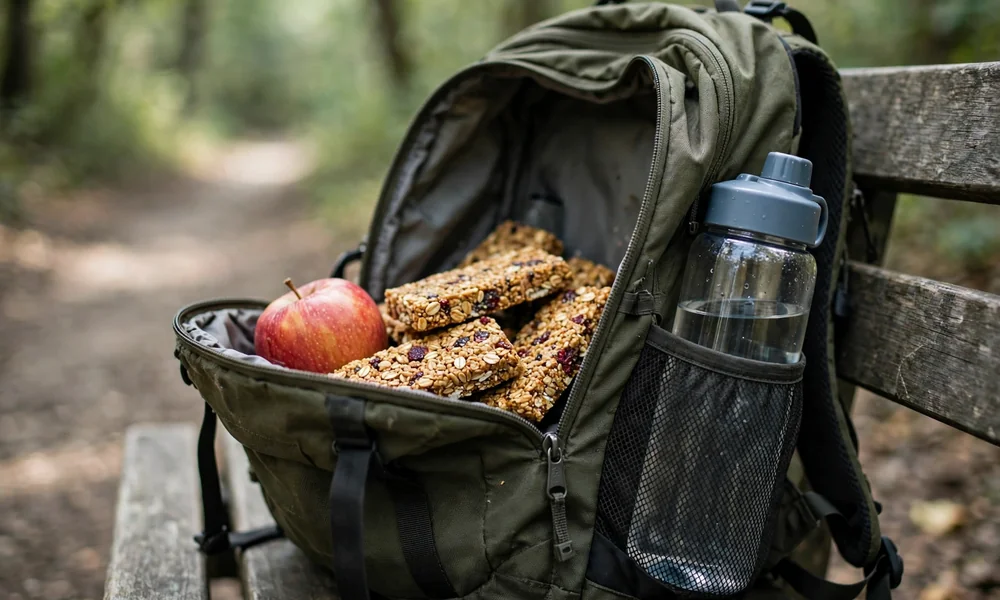
The best granola bars start with oats you can see. Hold one up to the light and you will spot whole rolled oats, chopped almonds or hazelnuts, and perhaps pumpkin or sunflower seeds, all bound together with just enough honey or syrup to hold the shape. The first bite is nutty and toasty, with a gentle sweetness that arrives second rather than first. The texture is the giveaway: a chewy bar bends slightly before it breaks, and a crunchy bar snaps cleanly without shattering into a pile of crumbs on your lap. Either way, it feels like food made from real ingredients rather than something assembled in a factory from powders and syrups.
The best bars also travel well, which matters more than most people realise. A granola bar is a snack you carry, so it has to survive a bag, a pocket, and a warm car without melting, crumbling, or turning into a sticky mess. The best ones hold their shape in a backpack on a walk and still taste fresh after a week in a desk drawer. They are not too sweet to eat with coffee, not too dry to eat on their own, and they do not leave a sugary film on your teeth. Some are plain oat and honey, some add dark chocolate chips or dried cranberries, and the good versions keep those extras in proportion, so the oats and nuts stay the stars of the show.
What Makes a Good Bar Worth Buying Again
A good granola bar earns a second purchase in the first three bites. The oats taste toasted rather than raw, the nuts are fresh and crunchy rather than soft and stale, and the sweetness fades cleanly instead of lingering like a sweet. Look for a short ingredient list where the first item is whole grain oats or whole oats, and where nuts, seeds, and dried fruit appear before any sweetener. A little salt helps too, sharpening the flavour of the oats and stopping the bar from tasting flat. The best bars often have a short list of things you would find in your own kitchen, and that is no coincidence.
The Worst Granola Bars of 2026
The worst granola bars give themselves away the moment you open the wrapper. They are glossy, sticky, and often coated in a thick layer of chocolate, caramel, or yoghurt-flavoured coating that melts on your fingers before you have taken a bite. The first taste is sweet, very sweet, and the sweetness does not fade. It coats your mouth and leaves you thirsty, which is a sure sign that sugar is doing most of the work. Underneath the coating there is often very little to enjoy: the oats are ground fine or hidden entirely, the nuts are few and far between, and the bar is held together by a thick layer of syrup that stretches like toffee when you pull it apart.
These bars fail on fullness as well as flavour. With little fibre and almost no protein, they are digested quickly, and the sugar rush fades within half an hour, leaving you hungrier than before you ate. Some of them contain more sugar than a small chocolate bar, yet they are sold beside the breakfast foods and marketed as a healthy choice. The wrapper talks about whole grains, energy, and natural ingredients, but the ingredient list tells a different story: glucose syrup, sugar, and invert syrup near the top, with oats somewhere in the middle and nuts appearing only as a flavour note. It is a sweet dressed as a snack, and your body knows the difference even if the marketing does not admit it.
The Sugar Trap
Sugar is the single biggest difference between a good granola bar and a bad one, and it is also the hardest to spot on the shelf. The wrapper may say no refined sugar, made with honey, or naturally sweetened, and all of those things can still mean a bar that is a quarter sugar by weight. Honey, maple syrup, agave, brown rice syrup, and fruit juice concentrate are all sugars, and your body treats them much the same way. What matters is the total amount and where it sits in the ingredient list, not the wholesome name it goes by. A bar with honey as the fourth ingredient is a very different snack from a bar with three syrups in the first five ingredients.
The honest way to judge a bar is to turn it over and read the numbers. Look for sugar under eight grams per bar and fibre of at least three grams, and compare bars of a similar weight rather than trusting the per-hundred-gram figures alone. A small bar with ten grams of sugar is worse than a larger bar with the same amount, because you are getting less food for the same sweetness. Dried fruit adds sugar too, though it brings fibre and flavour with it, so a bar with cranberries or raisins is not automatically a bad choice. The bars to avoid are the ones where sugar is the first or second ingredient, or where the list contains three or four different syrups, which is a classic trick for pushing sugar down the list while keeping the total high. The same label-reading habit helps with breakfast in general, which is why our comparison of the best and worst cereals of 2026 starts with the same question: how much of this bowl is sugar, and how much is grain.

Texture, Portability, and the Everyday Test
Texture is where a granola bar proves itself, because you eat it with your hands, often while doing something else. A chewy bar should be soft enough to bite cleanly, with a slight resistance that tells you the oats are real, and it should not stick to your teeth for minutes afterwards. A crunchy bar should snap with a satisfying crack and then crumble pleasantly as you chew, rather than shattering into sharp pieces or turning to powder. The worst bars get this wrong in both directions: rock hard bars that feel like eating a roof tile, and soft bars that collapse into a sugary paste before you have finished the first bite.
How to Choose on the Shelf
Choosing a granola bar on the shelf takes about thirty seconds once you know what to look for. Start with the ingredient list, not the front of the wrapper, and look for whole oats first, nuts and seeds second, and sweeteners further down. Then check the numbers: fibre of three grams or more, sugar under eight grams, and a bar that weighs around thirty to forty grams, which is a sensible snack size. Ignore the claims on the front until you have checked the back, because words like natural, wholesome, and energy tell you nothing about how much sugar is inside. The same approach works for the loose granola that bars are made from, and our guide to granola that is actually healthy in 2026 walks through the same label in the breakfast aisle.
The Verdict
The best granola bars of 2026 are the simple ones: whole oats, real nuts, a little honey, and nothing to hide. They taste nutty and toasted, they keep you full for a couple of hours, and they survive the journey from the shop to your bag to your hand. The worst are the sweet impostors, glossy with chocolate or caramel, held together by syrup, and gone from your stomach before they have done you any good. Read the back of the wrapper, count the sugar against the fibre, and break the bar in half before you decide. If you can see the oats and taste the nuts, you have found a good one, and it is worth buying again.


