
Mouthwash is the thirty-second step that promises a lot: fresher breath, fewer germs, healthier gums, all from a quick rinse. A good mouthwash leaves your mouth feeling genuinely clean for hours, calms sore gums, and adds a layer of protection that brushing alone cannot reach. A bad mouthwash does the opposite: it burns your mouth, dries it out, stains your teeth, or gives you ten minutes of icy freshness followed by breath that is worse than before.
This comparison puts the best mouthwashes of 2026 head to head against the worst, judging them the way you would actually use them: how long the freshness lasts, whether your gums feel better or worse, how the rinse feels on sensitive mouths, and whether the formula does anything useful beyond covering up smells. Mouthwash is never a replacement for brushing, and our comparison of toothpastes that clean gently and protect with fluoride explains why the paste on your brush does the real work and the rinse only helps.
Key Takeaways
- Alcohol is the great divider: alcohol-based rinses burn and dry the mouth, while alcohol-free rinses clean just as well without the sting.
- Fluoride matters in a rinse too: a fluoride mouthwash adds protection between brushings, while a cosmetic rinse only masks odour.
- Thirty seconds is the minimum: swishing for five seconds does almost nothing, however strong the rinse tastes.
- Freshness should last hours, not minutes: a good rinse leaves a clean mouth at lunchtime, not just at eight in the morning.
- Staining is a real risk: some antibacterial rinses darken teeth with daily use, and the stains are hard to remove.
How Mouthwash Actually Works
A mouthwash is a liquid cleaner, and its job is to reach the places a brush cannot: between the teeth, along the gum line, and across the tongue, where most bad breath starts. At its heart it is three things: an active ingredient that kills bacteria or strengthens enamel, water that carries it around the mouth, and flavouring that makes the rinse bearable. Change the balance and you change everything, so every formula is a trade-off between killing germs, protecting teeth and keeping the mouth comfortable.
Alcohol is the first thing to understand, because it is the ingredient that causes most of the complaints. Alcohol kills bacteria quickly, which is why the strongest rinses burn, but it also dries out the soft tissues of the mouth, and a dry mouth grows more bacteria, not fewer. A good mouthwash is alcohol-free, using gentler antibacterial agents such as cetylpyridinium chloride or essential oils, and it cleans without the sting. The alcohol-free rinses feel calmer and taste milder, and they do not leave the mouth feeling parched an hour later, which is why dentists now recommend them for almost everyone, especially people with dry mouths or sensitive gums.
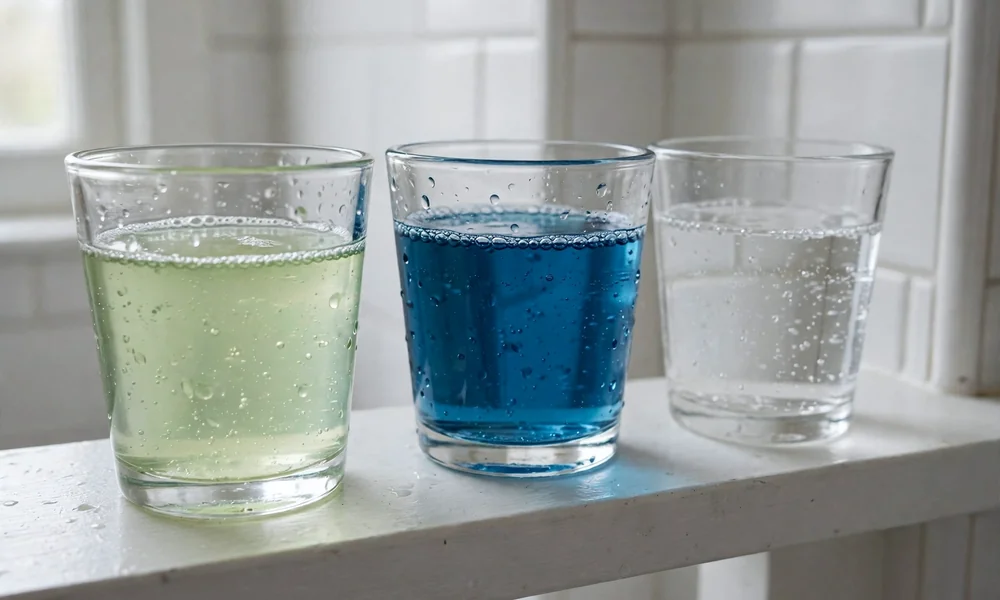
Fluoride is the second test, and it is what separates a therapeutic rinse from a cosmetic one. A fluoride mouthwash coats the teeth with a low dose of fluoride after brushing, hardening enamel and helping repair tiny early damage, which is especially useful for people prone to cavities. A bad mouthwash leaves fluoride out entirely, relying on flavour and colour to feel effective, and it does nothing for your teeth at all. The cosmetic rinses smell wonderful and look impressive in the bottle, with their deep blue or bright green colour, but they are little more than flavoured water, and they leave your teeth exactly as they were before you rinsed.
The Best Mouthwashes of 2026
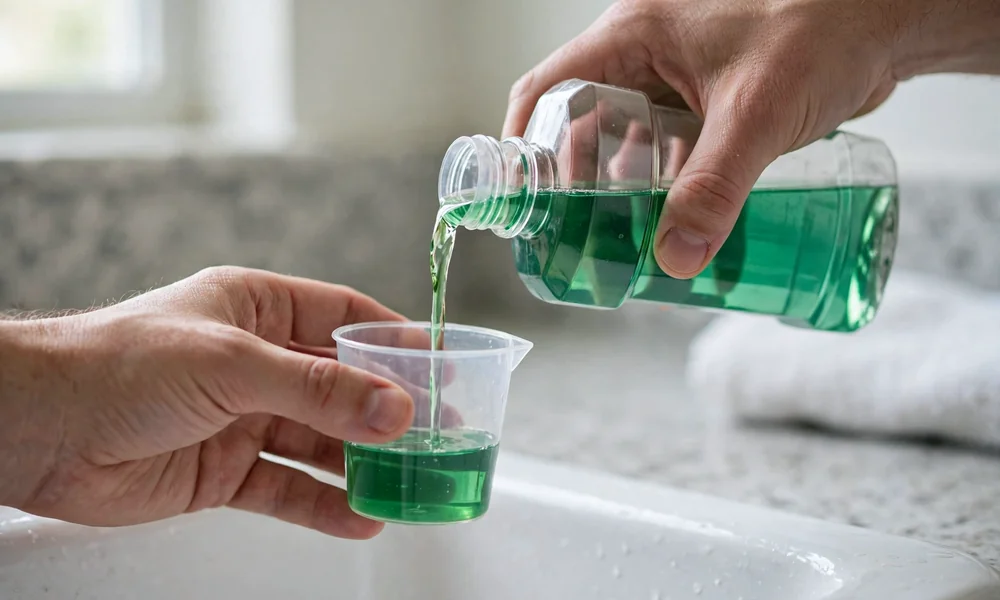
The best mouthwashes of 2026 share one quality above all others: they make your mouth feel clean for hours, not minutes. The rinse is smooth, not burning, it reaches the back of the tongue and the gaps between teeth without making your eyes water, and after you spit it out, your mouth feels fresh in a quiet way, without a chemical aftertaste. After thirty seconds of swishing, your breath is fresh, your gums feel calm, and there is no film left on your teeth or tongue.
A great everyday mouthwash is an alcohol-free fluoride rinse with a calm flavour. The best formulas of 2026 use sodium fluoride at a gentle strength, and they pair it with a mild antibacterial agent that keeps germs down without drying the mouth. The flavours are restrained too: a light mint, a mild herbal note, or a gentle citrus, rather than the burning, ice-cold blast that some rinses use to feel strong. A rinse that tastes calm is one you will use properly, for the full thirty seconds, twice a day, and that consistency matters more than any single ingredient, because a rinse only works if you actually use it.
Gum care is the quiet success of 2026, because the best gum rinses now soothe as well as they clean. The best ones use chlorhexidine-free antibacterial agents or essential oils, which reduce the bacteria along the gum line without staining the teeth, and they start helping within a week or two of daily use. The trick is to use them every day and to avoid rinsing with water straight afterwards, because water washes away the active ingredients before they have finished working. For many people with bleeding or sore gums, the right rinse is the difference between dreading the dentist and getting a clean bill of health, and the best gum rinses of 2026 deliver that without tasting like medicine. Keeping the rest of your routine gentle matters too, and our guide to electric toothbrushes that clean without scrubbing too hard is a reminder that a rinse can only help a mouth that is already brushed well.
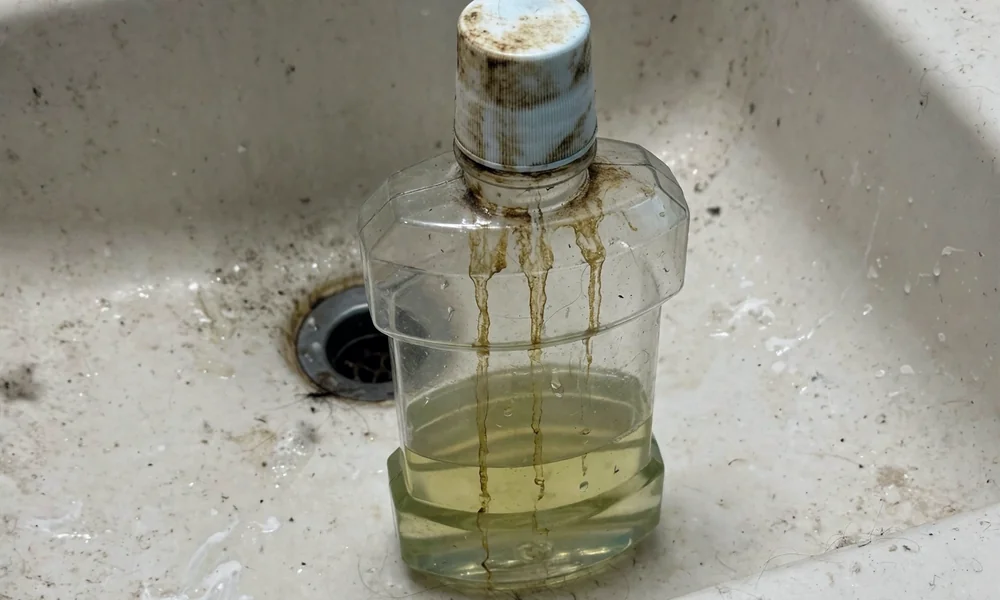
Longevity is the final mark of a great mouthwash, and it is the one you can only judge by using the whole bottle. A good rinse keeps the same taste and strength from the first pour to the last, it does not lose its flavour after a month, and it does not leave a residue in the cap or the neck of the bottle. A mouthwash that stays pleasant for the whole bottle has paid for itself, because it means no wasted rinse and no surprise when the last week of the bottle tastes nothing like the first.
The Worst Mouthwashes of 2026
The worst mouthwashes of 2026 fail in ways that are obvious within the first week, and the most common failure is also the most painful: they burn. Alcohol-based rinses sting the mouth, dry out the tongue, and leave the tissues feeling raw, which is why so many people give up on mouthwash entirely after trying one. The burn feels like it is working, because it is strong, but it is doing damage, not cleaning. A dry mouth grows more of the bacteria that cause bad breath, so a burning rinse can leave your breath worse an hour later than it was before you rinsed.
Staining is the second great failure, and it is the one that shows in the mirror. Some antibacterial rinses, especially those with chlorhexidine, darken the teeth with daily use, leaving brown stains along the gum line and between the teeth that no amount of brushing removes. The stains are worst on people who drink tea or coffee, and they build up slowly, so the damage is only obvious after a month of use. On white teeth the staining is dramatic, and the only fix is a professional clean.
Then there is the mouthwash that simply does nothing, which is a stranger failure but a common one. Some cheap rinses contain no fluoride and no real antibacterial agent, and they rely on flavour and colour to feel as if they are working. Others are so sweet that they feel like a soft drink, with a sugary taste that lingers long after rinsing, which is exactly the wrong thing to leave on teeth. A rinse that cannot protect enamel or cannot reduce bacteria is not doing its job, however fresh it makes your breath for ten minutes.
The worst mouthwashes also get the flavour badly wrong, and this is where the cheapest ranges give themselves away. Their mint is so strong it burns the tongue, their herbal flavours taste of medicine, and their children’s rinses are so sweet that kids swallow them instead of spitting them out. The flavour often fades within seconds, leaving a chemical aftertaste that makes you want to rinse with water, which washes away the active ingredients before they have done their work. A good rinse tastes fresh while you swish and leaves a clean mouth afterwards, and it shows. The rest of your routine matters as well, and our comparison of toothbrush holders that keep brushes clean and dry explains why a fresh rinse is wasted if the brush beside it is growing germs in a damp cup.
How to Choose a Mouthwash That Suits You
Start with alcohol, not with the claims on the front of the bottle. Check the label for alcohol, and if it is there, put the bottle back, because an alcohol-free rinse cleans just as well without drying your mouth. Then check for fluoride, because a fluoride rinse protects your teeth between brushings, and a rinse without it is only masking smells. If the bottle does not list fluoride at all, it is not protecting your teeth, however fresh it claims to make your breath.
Test a mouthwash by feel, not by advertising, because the mouth is the only judge that matters. Rinse for thirty seconds, then wait ten minutes. A good rinse leaves a clean, fresh mouth that stays that way, while a bad one leaves a burning feeling, a dry tongue, or a chemical taste that makes you want to rinse again. Watch your teeth in the mirror as well, because staining shows up along the gum line first.
Think about your mouth before you buy, because the right rinse depends on what you need. Sensitive mouths need an alcohol-free, gentle formula with no strong flavour. Healthy mouths need a standard fluoride rinse with moderate antibacterial power, and nothing more. Gum problems need a rinse made for gums, used daily, and never rinsed away with water afterwards. Whichever you choose, use the amount on the label and swish for the full thirty seconds: a quick swirl and spit does almost nothing, however strong the rinse tastes.
The Verdict
The best mouthwashes of 2026 are the ones that clean gently, protect with fluoride, and taste calm enough to use properly twice a day: alcohol-free, gentle on gums, real protection, and a freshness that lasts for hours. They keep your breath fresh, your gums calm, and your teeth unstained, and they forgive a tired morning when you rinse a little less carefully. The worst mouthwashes do the opposite at every turn, burning, drying, staining and failing to protect, and the money saved on the price is lost in sore gums and stained teeth. Check the label for alcohol and fluoride, feel the rinse in your mouth, swish for the full thirty seconds, and replace any mouthwash that burns, dries or leaves your teeth looking darker.


