
An oven is the quiet centre of a kitchen. It roasts the Sunday chicken, bakes the birthday cake, crisps the potatoes, and warms the bread you forgot to take out of the freezer. You use it several times a week, often without thinking about it at all, until the day it lets you down. The best ovens of 2026 do their work so evenly and reliably that you barely notice them. The worst ones burn the bottom of everything, leave the middle raw, and turn every meal into a gamble.
This comparison puts the best ovens of 2026 head to head against the worst, judging them the way you would actually use them: roasting a chicken on a Sunday, baking a loaf on a Saturday morning, cooking a tray of vegetables after work, and reheating a casserole for the family. We look at how evenly they heat, how honestly they hold a temperature, how easy they are to use and clean, and how long they are likely to last. The same honest approach sits behind our comparison of the best and worst microwaves of 2026, because an oven is only one part of a kitchen that has to work together.
Key Takeaways
- Judge an oven by how evenly it bakes a tray of biscuits, not by the number of functions on the dial.
- A true temperature matters more than a fancy display: the best ovens hold within a few degrees of what you set.
- Fan-assisted cooking evens out hot spots, but only if the fan and the element work properly together.
- Cheap ovens often cost more in the long run, because they cook unevenly, waste energy, and break sooner.
- Buy the size and the type that fit your cooking and your kitchen, not the biggest oven you can afford.
What Makes an Oven Good or Bad
The first thing that separates a good oven from a bad one is evenness of heat. A good oven spreads its warmth evenly across every shelf, so a tray of biscuits browns at the same rate from one side to the other and a roast cooks through without one end drying out. The best ovens of 2026 do this with a well-designed cavity, a reliable fan, and elements that deliver steady heat rather than blasting in short bursts. The worst ovens have hot spots that scorch one corner of a tray while the opposite corner stays pale, and no amount of turning the tray quite fixes it.
The second test is temperature accuracy, and it matters more than most buyers expect. An oven that says it is at 180 degrees should actually be at 180 degrees, not 160 or 205. Cheap ovens are often twenty degrees out, and that gap is the difference between a cake that rises properly and one that sinks in the middle. The best ovens hold their temperature steadily once they reach it, and they recover quickly after you open the door to check on dinner. The worst ones swing wildly, so every recipe becomes guesswork.
The Best Ovens of 2026
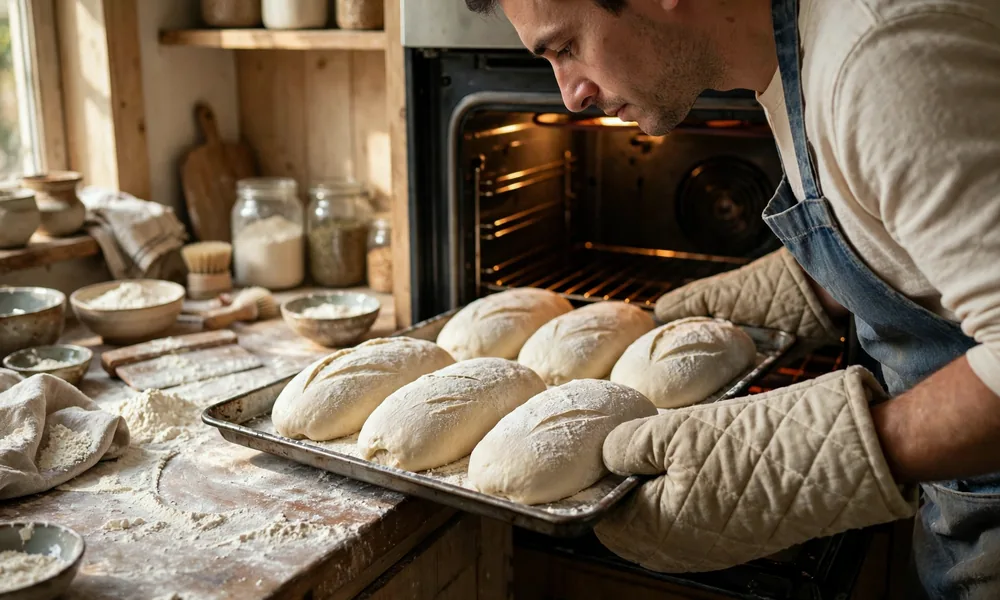
The best ovens of 2026 share a simple quality: they do exactly what you ask, every single time. Their temperature is honest, their fan spreads heat evenly, and their cavities are shaped so that hot air moves freely around the food. A roast comes out golden all over, a sponge rises level, and a tray of vegetables crisps without one side burning. These ovens heat up quickly, usually reaching temperature in ten minutes or so, and they hold it without drifting while dinner cooks.
Build quality is what sets the best ovens apart over the years. Their doors seal tightly, so heat stays inside where it belongs instead of leaking into the kitchen. Their enamel interiors wipe clean with a damp cloth, and their racks are solid enough to carry a heavy roasting tin without bending. The controls feel sturdy rather than flimsy, and the timer is simple enough to set without reading a manual. These are ovens built to be used hard, several times a week, for a decade or more.
The Worst Ovens of 2026
The worst ovens of 2026 fail in the same few ways, and the failures show up fast. Their temperature is a fiction: the dial says one thing and the cavity does another, so cakes sink, roasts dry out, and pastry burns on the bottom while staying raw on top. Their fans are noisy and weak, stirring the air without evening it out, and their elements cycle on and off so harshly that food cooks in fits and starts. A tray of biscuits comes out half golden and half pale, and you learn to rotate everything halfway through as a matter of routine.
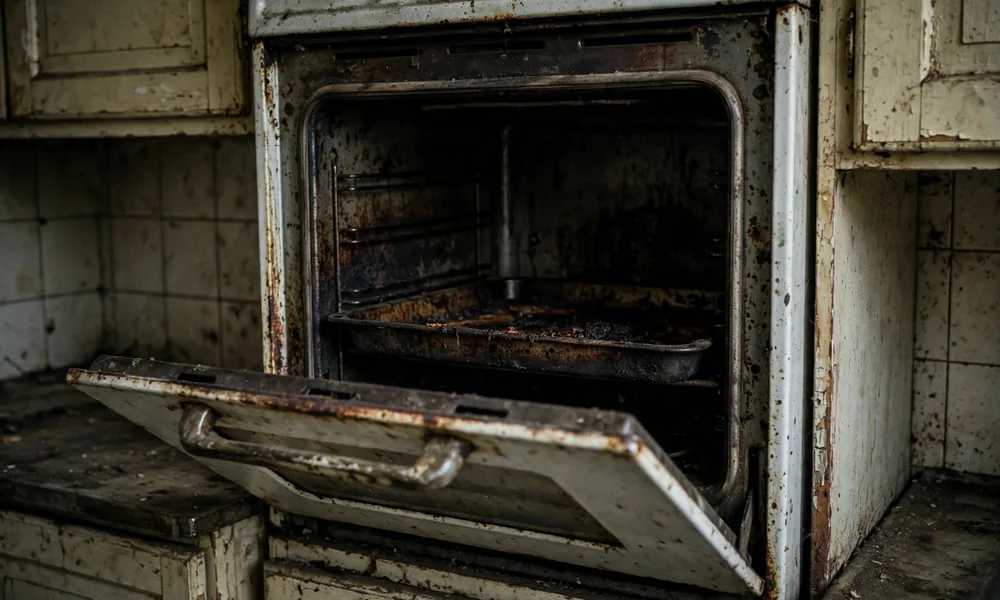
Cheap ovens also cut corners you only discover later. Their door seals are thin and loose, leaking heat into the kitchen and making the oven work harder for every meal. Their enamel is rough and porous, so spills bake on permanently and cleaning becomes a chore you dread. Their racks are thin wire that bends under a heavy dish, and their hinges loosen within a year so the door no longer closes properly. What looked like a bargain in the shop becomes an oven you cook around rather than with.

Built-In, Freestanding, Double and Steam
Most kitchens have either a built-in oven or a freestanding cooker, and the choice shapes everything else. A built-in oven sits neatly in a tall unit at a comfortable height, so you can check on dinner without bending down. It suits a modern fitted kitchen and frees up the space below for storage. A freestanding cooker combines the oven and the hob in one unit, which suits a smaller kitchen and costs less to install. Both can cook brilliantly, and both can cook badly; the type matters less than the quality of the heat inside.
Double ovens are worth considering if you cook for a crowd or bake often. Two cavities let you roast a chicken at one temperature while baking a pudding at another, which a single oven simply cannot do. The trade-off is that each cavity is smaller, so a large roasting tin may not fit, and the second oven adds cost. For a family that entertains or bakes every weekend, the flexibility is real. For a household that mostly cooks one dish at a time, a single large oven is usually the better buy.
Steam ovens and ovens with a steam function are the quiet success story of recent years. A burst of steam keeps bread crusty and roast meat moist, and a gentle steam setting reheats leftovers far better than dry heat ever could. They cost more, and they need their water tank filled and descaled, but cooks who bake bread or roast regularly notice the difference at once. The same honest approach sits behind our comparison of the best and worst air fryers of 2026, because small countertop cookers and full-size ovens now compete for the same weeknight meals.
What to Check Before You Buy
Before you buy an oven, measure your space twice. A built-in oven must fit its housing exactly, with room for ventilation around it, and a freestanding cooker must fit between the worktops without squeezing. Check the capacity in litres, but also check the usable shelf space: a wide cavity with only two shelf positions is less useful than a slightly smaller one with four. If you roast large joints or bake on big trays, bring a tape measure and check the tray you actually use.
Look at the energy rating, because an oven runs for hours every week and a poor rating shows up on the bill. The best ovens of 2026 are well insulated, so they reach temperature quickly and hold it with little waste. A cheap oven with thin insulation leaks heat into the room, which warms the kitchen in summer and costs you money all year round. A good door seal and triple-glazed glass are worth more than a dozen cooking programmes you will never touch.
Try the controls before you commit, if you can. Turn the dials, press the buttons, and open the door. The controls should be readable at a glance and simple enough to use while cooking, not a puzzle that needs the manual every time. A clear display that shows the real temperature is far more useful than a colour touchscreen. And check the cleaning: a smooth enamel interior and a door with removable glass will save you hours over the life of the oven.
- Measure the housing and the trays you actually cook with before ordering anything.
- Check the energy rating and the door seal, not just the number of functions.
- Make sure the racks slide smoothly and the door stays open at any angle.
- Look for a bright interior light and a display you can read from across the kitchen.
- Ask about the warranty and whether spare parts are easy to get.
Cleaning, Care and Making an Oven Last
An oven lasts longer when it is cleaned regularly, and the best ovens make that easy. Wipe up spills once the oven has cooled, before they bake into the enamel, and use the self-cleaning or steam-cleaning cycle if your oven has one. Avoid harsh scourers on the glass and the enamel, because scratches give grease somewhere to grip. A clean oven also cooks better, since a layer of burnt grease absorbs heat unevenly and can smoke at high temperatures.
When an oven does start to fail, the signs are usually clear: food takes longer to cook, the temperature drifts, or one side of the tray always browns first. A thermostat can often be recalibrated or replaced cheaply, and a worn door seal is a simple fix that restores performance at once. But if the elements are failing, the enamel is damaged, and the controls are unreliable all at once, it is time to replace the oven rather than patch it. The right pans help too, as our comparison of the best and worst cookware sets of 2026 shows, because heavy, flat-based pans spread an oven’s heat far better than thin, warped ones.
The Verdict
The best ovens of 2026 are honest machines. They reach the temperature they promise, hold it steady, spread heat evenly, and keep doing so year after year. They are easy to use, easy to clean, and built well enough that the door still closes properly a decade later. They do not need a dozen gimmicks to impress you, because the cooking speaks for itself.
The worst ovens are the opposite: dishonest temperatures, hot spots, flimsy doors, and enamel that never comes clean. They turn cooking into guesswork and make every meal slightly worse than it should be. If your oven burns the bottom of everything, takes forever to heat up, or leaves you rotating trays to compensate, it is not you. It is the oven, and a better one will change your cooking more than any new recipe ever could.


