
A rug is the largest piece of soft furnishing in most rooms, and it is also the one most often bought in a hurry. It sits under the sofa, beside the bed, or down the middle of a hallway, A good rug makes a bare room feel finished, warms a cold floor, and softens the sound of daily life. A bad one curls at the corners, sheds fibres onto every sock, and looks tired within a few months, no matter how much was paid for it.
The difference between the best and the worst rugs in 2026 is not mainly about price or pattern. The best rugs are made from honest materials, woven or knotted tightly enough to hold their shape, and sized for the room they live in. The worst look almost identical in a photograph, yet they slip, bunch, fade, and fall apart where cheap construction shows first. For the garden and patio, our guide to the best outdoor rugs for patios covers the weatherproof materials and drainage that indoor rugs never need.
Key Takeaways
- A good rug is heavy for its size, lies flat on its own, and has a tight, even weave with no loose threads at the edges.
- Wool is the safest all-round material indoors: it resists stains, hides dirt, and keeps its pile standing up for years.
- Measure the furniture first, then buy the rug, because a rug that is too small makes even a good room look unfinished.
- Thin, slippery rugs with a strong chemical smell are the earliest signs of a rug that will curl, shed, and fade fast.
- A proper rug pad is not an extra: it stops slipping, adds cushioning, and protects both the rug and the floor beneath it.
What Makes a Rug Good or Bad
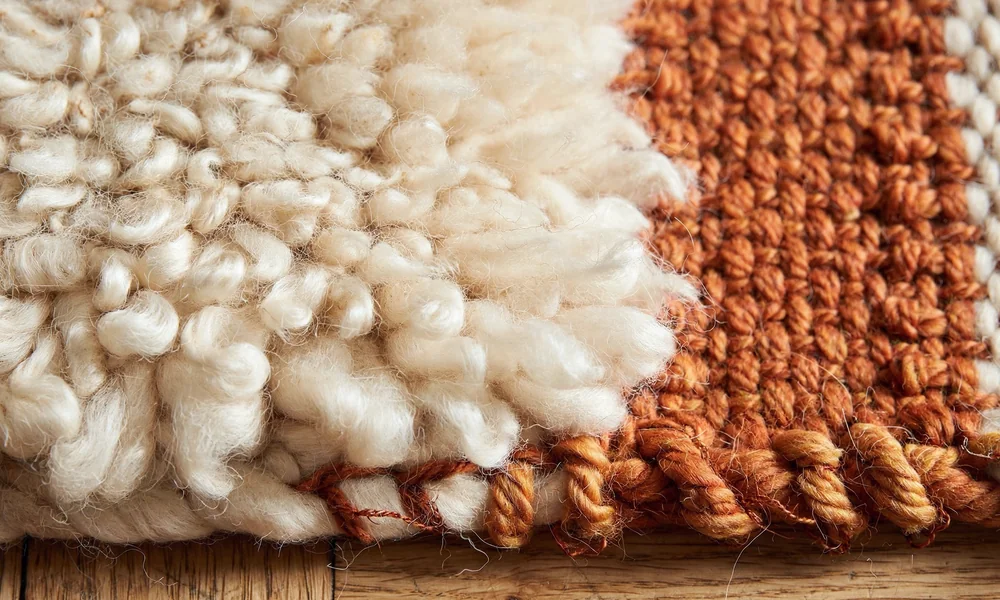
Material is the first thing to check, and it decides almost everything else. Wool is the classic choice for a reason: the fibres are naturally springy, so the pile bounces back after furniture and footsteps, and lanolin in the fibre resists stains and dust. Silk and viscose blends look luxurious, with a soft sheen that catches the light, but they stain easily and need gentle care. The worst rugs use thin, low-grade synthetics that feel plasticky, crush flat within weeks, and hold onto smells rather than releasing them.
Construction is the second thing, and it is easy to test in a shop. A hand-knotted rug is made knot by knot, so the pattern is as clear on the back as on the front, and the rug can last for decades. A good machine-made rug is tightly woven, with a firm, even back and edges that are bound or fringed properly. A bad rug has a loose, uneven back, a pattern that blurs or drifts, and edges that fray when you run a finger along them.
Backing and finish are the third thing, and they decide whether a rug stays put. A bad rug curls at the corners, ripples in the middle, and slides across a hard floor at the lightest touch. Strong chemical smells are another warning: a new wool rug has a mild, natural scent that fades in days, while a rug that smells sharply of chemicals after a week in fresh air was made with cheap glues and dyes that will keep releasing fumes.
The Best Rugs in 2026
The rugs below were chosen for the qualities that matter indoors: honest materials, tight construction, and a size range that fits real rooms. Each pick leads in one area, so start with the job your room needs done.
Best Overall: Hand-Knotted Wool Rug
The hand-knotted wool rug is the default recommendation for a living room, and it earns that place. Wool resists stains, hides dust between cleanings, and keeps its pile standing after years of footsteps and furniture. The knot count tells you the quality: a denser knot means a clearer pattern and a rug that will not wear thin in the middle.
Best for Bedrooms: Low-Pile Wool Rug
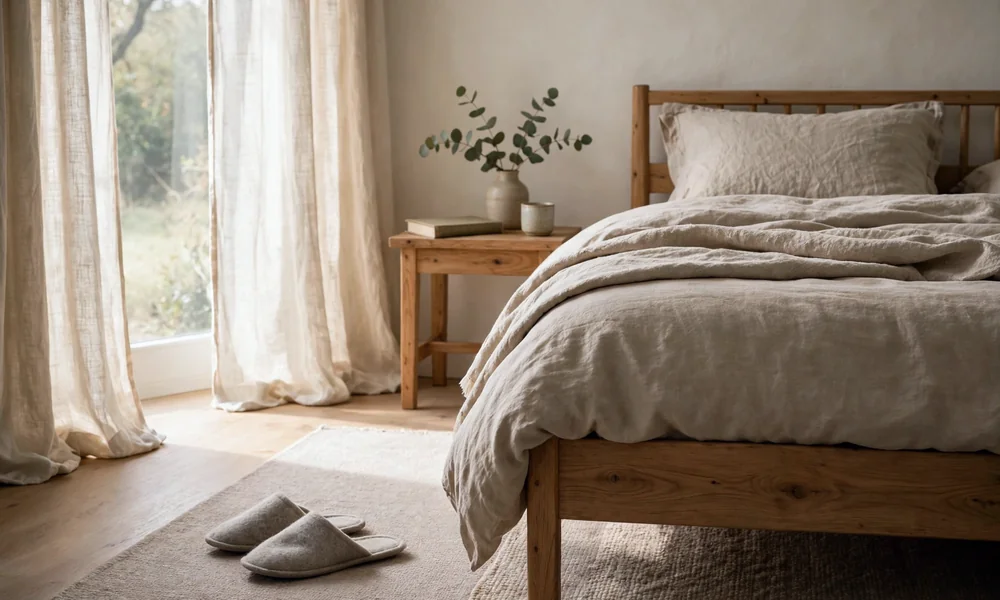
A bedroom rug should feel soft under bare feet first thing in the morning, without shedding fibres across the floor. A low-pile wool rug does exactly that: it is warm, quiet underfoot, and easy to vacuum, Place it so it extends at least half a metre beyond each side of the bed, so your feet always land on wool rather than cold floorboards.
Best for Hallways: Flatweave Cotton Rug
Hallways take more footsteps per square metre than any other room, so the rug there must be tough, thin, and washable. A flatweave cotton rug fits the job: it lies flat under doors, handles constant traffic without crushing, and can be shaken out or washed when muddy shoes leave their mark.
Best Budget Pick: Machine-Made Wool-Blend Rug
A machine-made wool-blend rug offers the best value in the category: the warmth and resilience of wool at a price most households can afford. The blend, usually wool mixed with a tough synthetic, resists crushing better than pure cotton and cleans more easily than pure wool. Look for a blend that is at least half wool, with a firm woven back and bound edges, and avoid anything that feels thin and slippery in the hand.
Best for Luxury Looks: Silk-Blend Rug
Some rugs are bought for how they look rather than how hard they work, and a silk-blend rug is the most beautiful of them. The soft sheen changes with the light as you walk around the room, and the fine weave holds detailed patterns that coarser rugs cannot. These rugs suit a formal living room or a quiet study, where they are admired rather than trampled.
The Worst Rugs to Avoid
The worst rugs fail in the same few ways, and each failure is easy to spot before you pay if you know what to look for. The three signs below cover most of them.
Thin Rugs That Shed Everywhere
A rug that sheds is not just annoying, it is a sign of loose, low-grade fibre that will keep coming away until the pile is thin and patchy. If a rug leaves fibres on your hands after a firm rub in the shop, it will leave them on socks, clothes, and furniture at home. Thin rugs also crush flat under furniture legs within weeks, leaving permanent dents and a surface that looks worn long before its time.
Rugs That Curl and Ripple
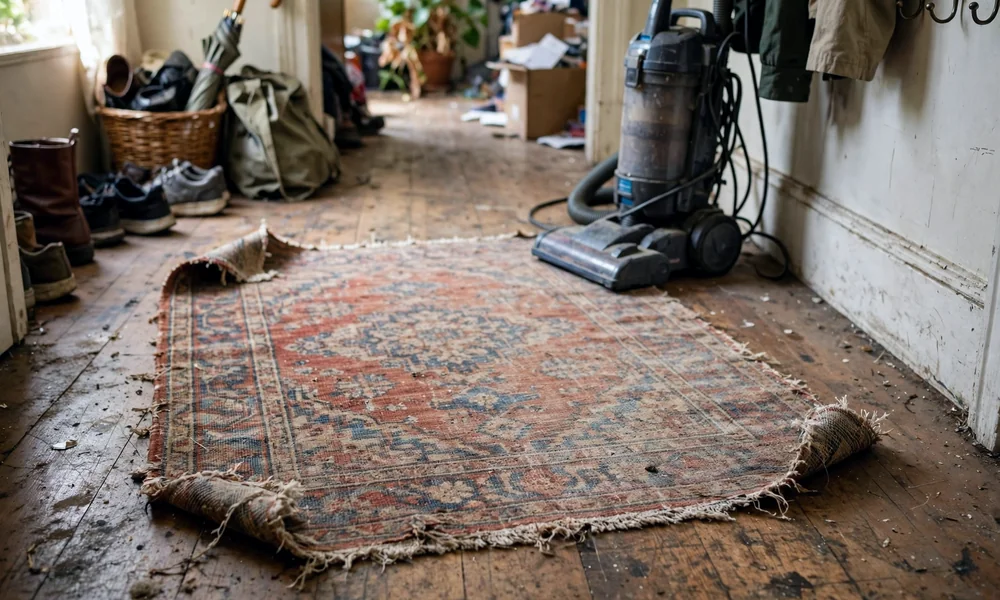
A rug that will not lie flat is a daily irritation and a genuine trip hazard. Curled corners catch toes, ripples gather dust, and a sliding rug can pull a chair or a small table with it. This happens when the backing is cheap latex or glue that stiffens and shrinks unevenly, or when the rug was rolled too tightly and stored too long. Unroll the rug fully before buying, and walk across it: if it does not settle flat within minutes, leave it behind.
Rugs With a Strong Chemical Smell
A strong chemical smell is the clearest warning of all. Good rugs smell faintly of wool or cotton for a day or two, then nothing. A rug that still smells sharp after a week of airing was made with cheap adhesives, dyes, or flame-retardant treatments, and the smell often comes with headaches and irritated eyes in a closed room. In a home with children or pets, that is reason enough to choose something else.
Rug Comparison at a Glance
Compare the main types at a glance. The best choice depends on the room, the traffic, and how much care you are willing to give.
| Rug type | Best for | Feels | Cleaning | Price level |
|---|---|---|---|---|
| Hand-knotted wool | Living rooms | Soft and springy | Vacuum and spot clean | Premium |
| Low-pile wool | Bedrooms | Warm and smooth | Vacuum weekly | Mid-range |
| Flatweave cotton | Hallways | Thin and firm | Shake or wash | Budget |
| Machine-made wool blend | Most rooms | Soft and resilient | Vacuum and spot clean | Mid-range |
| Silk blend | Formal rooms | Silky and fine | Professional clean | Premium |
How to Choose the Right Size
Size is the mistake most people make with rugs, and it is the easiest to avoid. A rug that is too small looks like a doormat under the furniture, while one that is too large can swallow a modest room and trap dust at the edges. The rule is simple: measure the furniture, then choose the rug. In a living room, the rug should sit under the front legs of the sofa and chairs, and extend at least 20 centimetres beyond them on the open sides.
When in doubt, go one size up, and check the rug against the rest of the room before you commit. A slightly generous rug looks intentional and makes a room feel larger, while a rug that stops short of the furniture looks like a mistake. If your seating is small and the room is tight, our guide to the best coffee tables for small living rooms shows how to balance table, seating, and rug so nothing feels crowded.
Care and Cleaning
Rugs are low maintenance, not no maintenance, and a little regular care adds years to their life. Vacuum weekly on a low suction setting, and turn the rug over once a season to air the back and check for moth damage. Blot spills at once with a clean cloth, working from the outside in, and never rub, since rubbing pushes the stain deeper into the pile.
The right cleaning tools matter as much as the routine. A vacuum with adjustable height and suction protects the pile instead of tearing at it, and comparing the best and worst vacuum cleaners in 2026 will help you pick one that cleans rugs without damaging them. Avoid harsh bleach and strong detergents on wool and silk, keep rugs out of direct sun where you can, and rotate them twice a year so wear and fading stay even.
Frequently Asked Questions
How do I stop a rug from slipping?
Use a proper rug pad cut to the size of the rug. The pad grips both the floor and the rug, adds a little cushioning, and stops the rug creeping across the room. Avoid thin foam pads, which flatten quickly and offer almost no grip.
Will a wool rug shed?
A good wool rug sheds lightly for the first few weeks, then settles. Heavy, ongoing shedding means loose, low-grade fibre, and it is a sign the rug will wear thin far sooner than it should.
What size rug do I need for a dining table?
Choose a rug that extends at least 60 centimetres beyond the table on every side, so chairs stay on the rug even when pulled out. A low-pile rug is best, since chairs slide easily and crumbs brush off.
The Bottom Line
The best rugs in 2026 are the ones that work as hard as they look good. A hand-knotted wool rug is the safest choice for most living rooms, a low-pile wool rug suits bedrooms, and a flatweave cotton runner takes the punishment of a hallway. Do that, and your rug will warm the room, quiet the floor, and still look good years from now.


