
A vacuum cleaner is the hardest-working appliance in most homes, and it decides whether your floors feel genuinely clean or just look tidy from the doorway. A good vacuum lifts dust and pet hair out of carpet in a single pass, reaches under the sofa without a fight, and empties without covering you in a grey cloud. A bad one pushes dirt around, loses suction within months, and ends up abandoned in a cupboard while the dust gathers.
The gap between the best and the worst vacuum cleaners in 2026 is wider than the price tags suggest. The best machines are the ones whose suction, brush head, filtration, and dust capacity suit your floors and the way you clean. The worst look powerful in the shop and fade fast at home. This comparison puts both sides head to head across every type of vacuum, so you can tell them apart before you spend a penny.
Key Takeaways
- Suction at the floor matters more than the wattage on the box, because a well-sealed head with a spinning brush bar cleans carpet far better than a strong motor with a leaky design.
- A corded upright is still the best choice for deep-pile carpet and large homes, while a cordless stick wins for flats, hard floors, and quick daily cleans.
- Robot vacuums are the best second vacuum for hard floors and low-pile carpet, but they cannot replace a full-size machine in a carpeted home.
- Small dustbins, short battery life, and washable filters that are never washed are the three faults that turn an expensive vacuum into a disappointment.
- Cheap bagless vacuums with tiny motors are the worst buy of all, because they clog, lose suction, and cost more in filters and frustration than a decent machine would have.
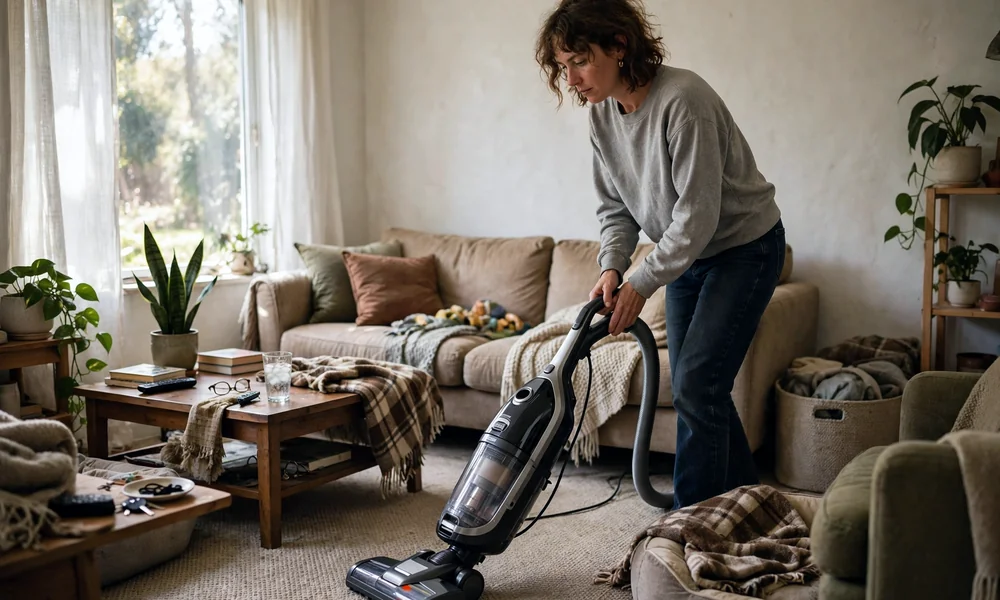
What Makes a Vacuum Cleaner Good or Bad
Suction is the first thing to check, but the number on the box is rarely the whole story. What matters is how much of that suction reaches the floor. A vacuum with a sealed airway, a brush bar that spins fast enough to lift carpet pile, and a head that adjusts to the floor height will pick up far more than a more powerful machine whose head leaks air around the edges. Pet hair is the honest test: if it cannot lift hair from a rug in two passes, its suction is not doing the job.
Filtration is the second thing, and it decides whether the dust you collect stays in the machine or drifts back into the room. A sealed system with a HEPA filter traps fine dust and allergens, which matters most in homes with asthma, allergies, or pets. A leaky machine can look clean while blowing the finest dust straight back out of its vents. A clogged filter is the most common reason a good vacuum slowly turns into a bad one.
Weight, noise, and the dustbin decide whether you actually use the machine. A vacuum that weighs seven kilograms and needs dragging up the stairs gets used once a week if you are lucky. A light stick that lives on a wall dock gets grabbed every day. The best vacuum is the one that fits your home and your habits, not the one with the longest list of features.
The Best Vacuum Cleaners of 2026
Corded uprights for deep carpet
For a carpeted house, a corded upright is still the machine to beat. It has the strongest sustained suction of any vacuum type, a wide brush head that covers ground quickly, and no battery to run flat halfway through the stairs. The best uprights of 2026 pair that power with a brush bar you can switch off for hard floors and a sealed HEPA system that keeps fine dust inside. Nothing else pulls embedded dust out of deep-pile carpet as thoroughly. If your home is mostly carpet and you clean properly once or twice a week, an upright is the best money you will spend.
Cordless sticks for everyday cleaning
Cordless sticks have finally closed the gap with their corded rivals on hard floors and low-pile carpet, and for many homes they are now the only vacuum needed. A modern stick weighs two to three kilograms, converts into a handheld in seconds for stairs and car seats, and lives on a wall dock so it is always charged and ready. Battery life still decides whether one charge covers your whole house, and the dustbin is still small. Our guide to the best cordless vacuums of 2026 compares the leading sticks on runtime, suction, weight, and running costs. For flats, hard-floor homes, and anyone who cleans little and often, a good cordless stick is the smartest choice you can make.
Robot vacuums for daily maintenance
A robot vacuum earns its place as the best second vacuum in a home. It runs while you are out, keeps hard floors and low-pile carpet free of daily dust and crumbs, and reaches under beds and sofas that a full-size machine never sees. The best robots of 2026 map your rooms properly instead of bumping around at random. They cannot deep-clean thick carpet, climb stairs, or cope with a cluttered floor. Used as a daily maintenance tool alongside a proper vacuum, though, a good robot saves more cleaning time than any other appliance in the house.
Canisters and handhelds for stairs and cars
Canister vacuums are the quiet achievers of the vacuum world, and they are the best choice for homes with lots of stairs, hard floors, and delicate rugs. The motor sits in a body that follows you on wheels while you hold only a light wand, so your arm never gets tired and the head glides easily under furniture. Handheld vacuums are the best tool for crumbs on the sofa, dust in the car, and quick spills on the kitchen floor. Neither replaces a full-size machine on its own, but they solve the jobs that uprights and sticks handle badly.
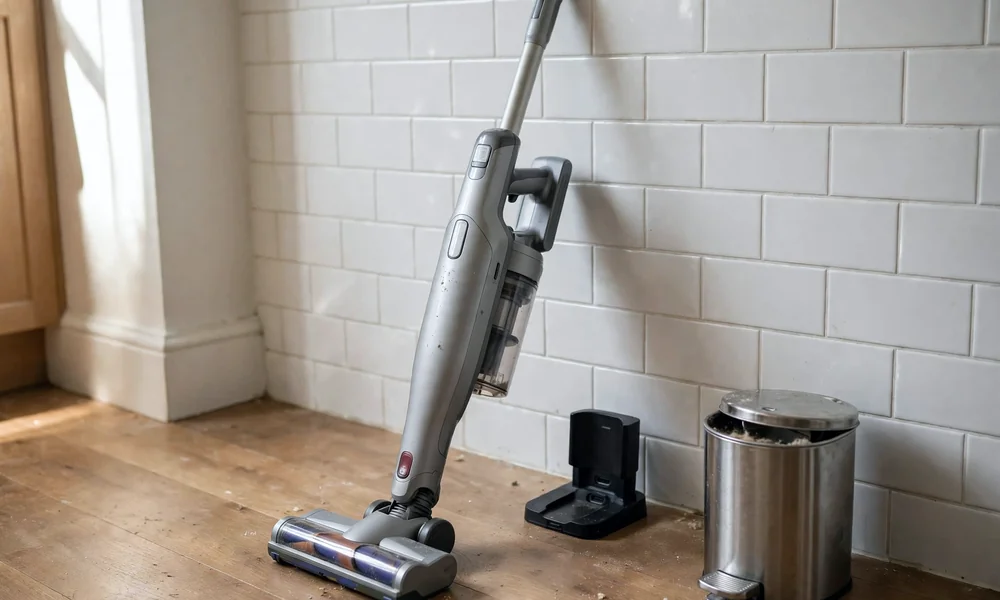
The Worst Vacuum Cleaners of 2026
Cheap bagless vacuums with tiny motors
The worst vacuum you can buy is the cheapest bagless upright on the shelf, and it fails in the same way every time. The motor is small and the airway is badly sealed, so it picks up surface dust and leaves the rest behind. The bin is tiny and the filter clogs within weeks, and because the filter is expensive to replace, most owners simply stop cleaning it, which makes the suction worse still. These machines cost more in replacement filters, wasted time, and early replacement than a decent mid-range vacuum would have cost in the first place.
Handheld-only vacuums sold as whole-home cleaners
A handheld vacuum is a useful tool, but a handheld sold as your only vacuum is a bad buy. The battery lasts ten minutes on full power, the bin holds a handful of dust, and the small head takes forever to cover a room. People buy them because they are light and cheap, then discover they are still sweeping the carpet by hand and the handheld lives in a drawer. The same goes for ultra-light sticks with no brush bar at all: they glide beautifully across a hard floor and do almost nothing to carpet, because without a spinning brush the suction alone cannot lift dirt from the pile.
Old heavy uprights that never get maintained
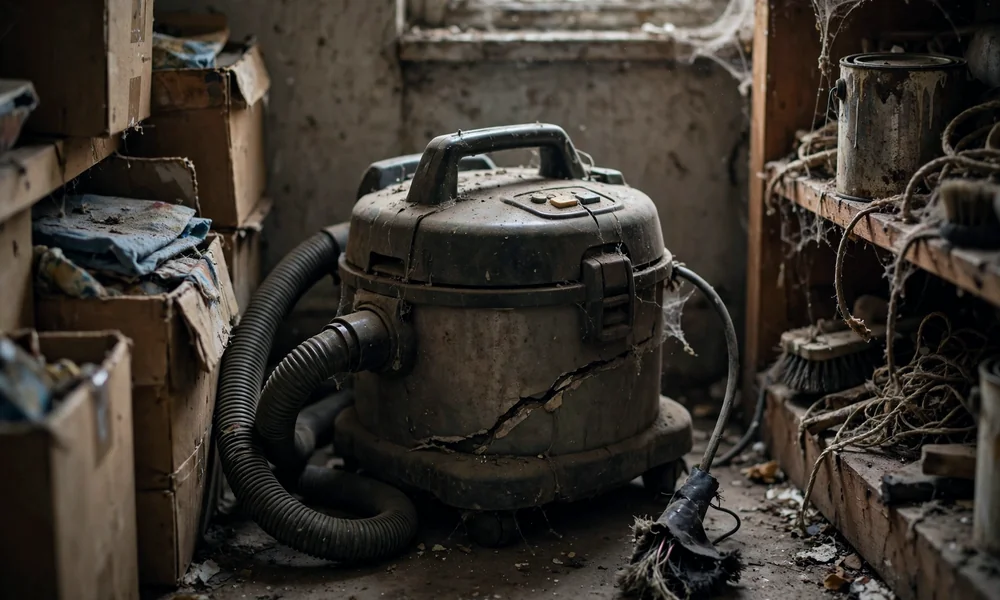
Some of the worst vacuums in use today were once good machines that have been left to rot. A heavy old upright with a cracked hose, a brush bar wrapped in hair, and a filter that has not been washed in years will clean worse than a brand-new budget stick. The belt slips, the brush stops spinning, and the motor strains against a blocked airway until it burns out. The lesson is that any vacuum needs basic care: empty the bin before it is full, wash the filter every month, and cut the hair off the brush bar. A neglected vacuum is a bad vacuum, however much it cost when it was new. Our roundup of the worst vacuum cleaners of 2026 shows exactly which models to avoid and why they fail.
Robot vacuums that get stuck and smear
Cheap robot vacuums are among the most disappointing purchases in the whole category. Without proper mapping they wander in circles, miss whole rooms, and get stuck under the same chair every single day. The worst ones have small bins that fill in minutes, weak suction that leaves pet hair behind, and cliff sensors that panic on dark rugs. A robot vacuum only works when it can navigate, and navigation is the first thing a cheap robot skimps on. If you are choosing between two robots, our comparison of Roomba vs Shark robot vacuums in 2026 shows what proper mapping and a self-emptying dock are worth in daily use.
Best vs Worst at a Glance
The best vacuums share four traits: suction that reaches the floor, a brush bar that actually spins, a sealed filter system, and a bin or battery big enough for your home. The worst share the opposite: weak motors, leaky airways, tiny bins, and filters that clog in weeks. Price is a rough guide but not a guarantee, because some mid-range machines outperform premium ones on real floors.
The clearest test is a simple one. Vacuum a carpeted room slowly, then look at what the bin collected and run your hand over the carpet. A good vacuum leaves the pile standing up and the bin full of dust you could not see. A bad vacuum leaves the carpet flat, the bin nearly empty, and the dust exactly where it was. Do that test in the first month, while you can still return the machine, and you will never be stuck with a bad vacuum again.
How to Choose the Right Vacuum for Your Home
Start with your floors, because they decide the type. Mostly carpet and a large house means a corded upright. Mostly hard floors, a flat, or a small house means a cordless stick. Pets mean a brush bar that resists hair tangles and a sealed HEPA filter. Allergies mean filtration matters more than suction numbers. Stairs mean a light machine or a canister with a long hose, because dragging a heavy upright up the stairs is how vacuums get dropped and backs get hurt.
Then check the running costs before you buy. Filters, belts, and batteries are the hidden price of a vacuum, and a cheap machine with expensive filters costs more over three years than a better machine with washable ones. Check the bin size against your home, the battery runtime against your floor area, and the weight against whoever will actually push it. Read the returns policy too, because a vacuum that looks good in the shop can only prove itself on your floors.
The Verdict
The best vacuum cleaners of 2026 are the ones that match your home: a corded upright for deep carpet, a cordless stick for hard floors and daily cleans, and a robot for keeping things tidy between proper cleans. The worst are the cheap bagless machines with tiny motors, handhelds sold as whole-home cleaners, and robots that cannot navigate. Spend your money on suction that reaches the floor, a brush bar that spins, and a filter system that keeps dust inside the machine, and buy the lightest machine that still does the job properly. A good vacuum should make cleaning easier, and the right one will still be working well years after a bad one has been thrown away.


