
The difference between the best running shoes of 2026 and the worst is not subtle. It is the difference between finishing a long run feeling strong and finishing it with sore knees, blistered heels and a shoe you never want to wear again. Running shoes are the one piece of kit that touches the ground with every step, and when they are wrong, everything else about your run goes wrong with them.
This guide puts the two sides head to head. On the best side are the shoes that earn their place: cushioned daily trainers that protect your legs, racing shoes that genuinely make you faster, trail shoes that grip when the ground turns to mud, and honest budget trainers that do the basics brilliantly. On the worst side are the shoes that look the part and fail at the job: fashion trainers dressed up as running shoes, ultra-minimal shoes that punish unprepared feet, pairs kept long past their useful life, and heavy stiff shoes that fight you with every stride.
Key Takeaways
- The best running shoes protect your legs first and chase speed second; cushioning and fit matter more than weight or looks.
- A good daily trainer should feel comfortable on the first run and still feel good at kilometre thirty, not just in the shop.
- The worst running shoes are usually fashion trainers in disguise, worn-out pairs kept too long, or shoes built for a different job.
- Replace your running shoes roughly every 500 to 800 kilometres, or sooner if the cushioning feels flat and the grip has gone.
- Fit beats foam every time: a well-fitting mid-priced shoe will always beat a poorly fitting premium one.
How We Judged the Best and the Worst
A running shoe has one job, and it is harder than it looks. It has to absorb impact, guide your foot through its natural motion, grip the ground in the wet, and do all of that thousands of times without falling apart. We scored each type of shoe against five measures, and a shoe had to pass all five to land on the best side: cushioning that holds up over distance, fit that stays comfortable when your feet swell, grip in wet conditions, durability measured in months rather than weeks, and honest value for money.
The Best Running Shoes of 2026
The best side of running shoes in 2026 is stronger than it has ever been. Foam technology that used to belong only to elite racing shoes has filtered down into everyday trainers, and the result is a generation of shoes that are lighter, softer and longer-lasting than anything that came before. These are the types that earn their place.
The Cushioned Daily Trainer
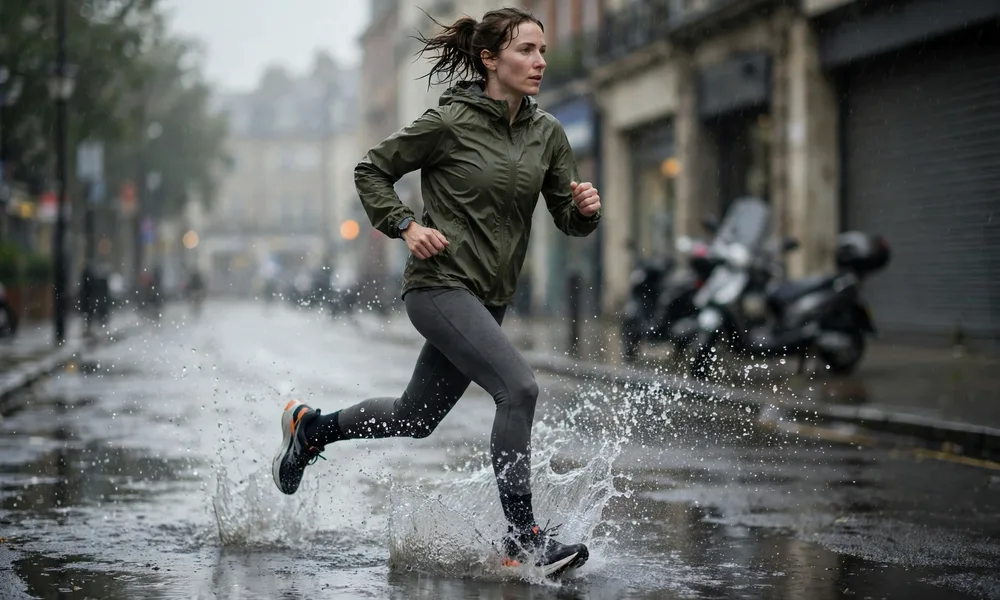
The cushioned daily trainer is the best running shoe for most people, and it is not close. This is the shoe you reach for on an ordinary Tuesday run, a long slow Sunday, and everything in between. It has a thick, soft midsole that absorbs impact, a roomy toe box, and an outsole with enough rubber to survive a full training block. It is not the fastest shoe you can buy, and it does not need to be. Its job is to make running feel easy, and the best ones do exactly that.
What sets the great daily trainers apart in 2026 is how the foam behaves over time. The best foams stay springy for 600 kilometres or more, so the shoe you buy in January still feels good in June. Cheaper foam goes flat early, and you feel it first in your knees and Achilles on longer runs. When you try a daily trainer on, press the midsole with your thumb: it should bounce back quickly rather than staying dented. Then walk around the shop for a few minutes. If anything pinches or rubs, it will only get worse on the road. Daily trainers also win on versatility. They handle pavements, park paths and light trails without complaint, they work for easy runs and tempo sessions, and they are the shoe most runners should buy first if they only buy one pair.
The Carbon-Plated Racer
For runners chasing a personal best, the carbon-plated racer is the best shoe money can buy. A stiff carbon plate inside a super-light, super-bouncy foam creates a propulsive feeling that is hard to describe until you feel it: each stride seems to roll you forward, and your legs feel fresher at the end of a race than they have any right to. In 2026 these shoes are lighter and more stable than the first generation, and they are no longer reserved for elite athletes.
The Trail Shoe That Actually Grips
Trail running punishes shoes that were built for the road. The best trail shoes of 2026 earn their place with deep, widely spaced lugs that bite into mud and loose gravel, a rock plate that protects your feet from sharp stones, and an upper that keeps debris out without cooking your feet. They feel heavier than road shoes, and they should: the extra weight is armour, not waste.
The Honest Budget Trainer
Not every great running shoe costs a fortune. The honest budget trainer is one of the best things about running in 2026: a shoe that costs well under a hundred pounds, uses proven foam rather than the latest technology, and does the basics brilliantly. It will not make you faster, and it will not turn heads, but it will carry you through hundreds of comfortable kilometres.
The Worst Running Shoes of 2026
Now the other side. The worst running shoes are not always cheap, and they are not always obviously bad. Some of them are expensive, beautifully designed and heavily advertised. What they share is a simple failure: they do not do the job of a running shoe, and the people who buy them usually find out the hard way, in pain, a few weeks later.

The Fashion Trainer in Disguise
The worst offender is the fashion trainer dressed up as a running shoe. It has the look: sleek lines, bold colours, a famous name on the side. What it does not have is the substance: the foam is thin and hard, the heel counter is soft, and the outsole is smooth rubber that slips on wet pavement. These shoes are designed to be looked at, not run in, and they belong in a different aisle.
The Ultra-Minimal Shoe
Ultra-minimal shoes have a devoted following, and for a small number of experienced runners with years of adaptation behind them, they can work. For almost everyone else, they are one of the worst choices you can make. A shoe with almost no cushioning and almost no heel drop asks your feet and calves to do work that a lifetime of cushioned shoes has trained them not to do, and the transition is brutal.
The Worn-Out Pair You Keep Wearing
Some of the worst running shoes are shoes that were once excellent. Every running shoe has a lifespan, and once the foam is dead and the outsole is smooth, a great shoe becomes a bad one. The trouble is that the decline is gradual, so you do not notice it happening. Your legs start aching a little more after long runs, your knees feel stiff in the morning, and you blame your training, your age, or the weather, when the real culprit is sitting by your front door.
The Heavy, Stiff Do-Everything Shoe
Some shoes try to be everything at once: a running shoe, a gym shoe, a hiking shoe and a work shoe. The result is a shoe that does none of those jobs well. It is heavy, stiff, and built around a sole that is too rigid to flex with your foot. Running in it feels like running in a boot, because that is effectively what it is.
Best vs Worst at a Glance
| What matters | Best shoes | Worst shoes |
|---|---|---|
| Cushioning | Thick, springy foam that lasts 600 kilometres or more | Thin, hard foam that goes flat within weeks |
| Fit | Roomy toe box, secure heel, no pinching | Squeezed forefoot or a heel that slips |
| Grip | Deep rubber lugs that hold on wet ground | Smooth soles that slide on wet pavement |
| Weight | Light for its cushioning, built to disappear on your foot | Heavy and stiff, fighting you with every step |
| Durability | 500 to 800 kilometres of good running | Falls apart early, or kept long past its life |
| Value | Honest price for real performance | Paying for looks, a brand name, or a gimmick |
Who Each Side Is For
The best shoes are for anyone who runs regularly and wants to keep doing it without pain. A beginner needs a cushioned daily trainer more than anyone, because their legs are still adapting and good cushioning is what makes those first months enjoyable rather than miserable. An experienced runner needs the same shoe for most of their training, with a racer added for race day and a trail shoe if they leave the roads. The budget trainer is for the runner who wants honest value and does not care about having the newest foam.
How to Tell the Difference in the Shop
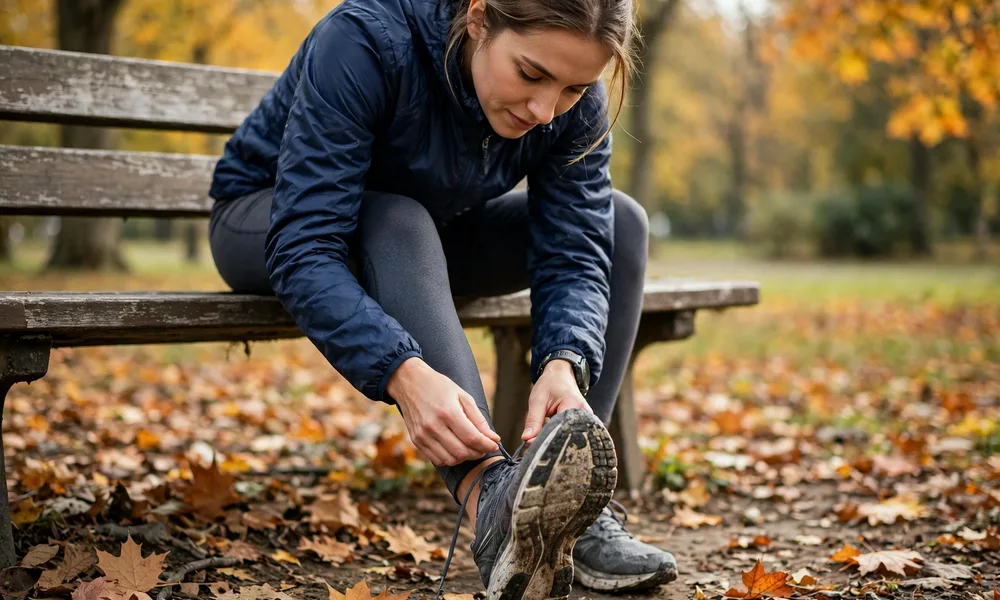
You do not need to be an expert to spot the difference between a best shoe and a worst shoe. A few simple tests, done in the shop, tell you almost everything you need to know. Start with the bend test: hold the shoe at both ends and bend it. It should flex at the forefoot, roughly where the ball of your foot sits. If it bends in the middle or hardly bends at all, put it back.
Always try shoes on in the afternoon, when your feet are at their largest, and wear the socks you actually run in. Good socks matter more than most runners think: the right pair prevents blisters and wicks sweat away, while the wrong pair can ruin an otherwise perfect shoe. Our guide to the best running socks of 2026 covers the fabrics and fits that work best. The same goes for recovery: compression socks can help tired legs after long runs, and a proper kit, including athletic shorts that stay put, makes every run more comfortable. Finally, run in the shop. Any decent running shop has a treadmill or a patch of floor for exactly this purpose. Walk, jog on the spot, and pay attention to how the shoe feels after a minute, not just after ten seconds.
The Verdict
The best running shoes of 2026 win by a wide margin, and the reason is simple: they are built around the runner, not the shelf. A cushioned daily trainer, a carbon racer for race day, a proper trail shoe for the mud, or an honest budget trainer will all carry you through hundreds of comfortable kilometres, and they will keep your legs healthier while they do it. They are not glamorous, and they are not always the cheapest, but they are the shoes that make running feel the way it should.
The worst shoes lose for the opposite reason: they are built around everything except the runner. Fashion, gimmicks, and do-everything promises all sound good in the shop and feel terrible on the road. Avoid the fashion trainer, give minimal shoes the respect and the long adaptation they demand, retire your worn-out pairs on time, and never let a heavy stiff shoe talk you into a compromise. Our verdict: a good daily trainer is the single best purchase in running, and it beats every shoe on the worst side by a distance. Buy the shoe that fits, that cushions, that grips, and that lasts. Then go out and run in it.


