Sesame oil looks like the smallest bottle in the kitchen, and that is exactly why the one you pick matters so much. It is, at its best, just sesame seeds pressed until they give up their oil, with nothing else added at all. When those few seeds are handled well, the result is a deep amber oil that smells warm and nutty, and turns a stir-fry, a noodle bowl, or a spoonful whisked into a dressing into something worth sitting down for. When they are handled badly, the same bottle gives you a pale, flat oil that tastes of nothing, or a dark, bitter oil that smells burnt before it ever reaches the pan, or an oil gone stale in the bottle that ruins whatever you pour it over.
The gap between the best sesame oils of 2026 and the worst is wide, and it usually shows up in four places: the seeds themselves, the flavour, the freshness, and the way the bottle behaves over time. A great sesame oil tastes of sesame first, not of rancid fat or scorched nuts, and it keeps its aroma from the first drop to the last. A bad one is bitter enough to make you wince, or so mild it could be any oil at all, or so far past its best that it smells like an old cupboard. This comparison puts them head to head the way you would actually use them: a few drops to finish a stir-fry, whisked into dressings and marinades, tossed through noodles, and brushed over roast vegetables. We look at flavour, aroma, freshness, what is actually in the bottle, and whether it earns its place in the cupboard or only its place on the shelf.
Key Takeaways
- A good sesame oil smells warm and nutty the moment you open the bottle, with a clear toasted aroma and no stale or burnt note.
- Check the label: the best bottles list sesame oil as the only ingredient, with no blends, no added flavourings, and nothing else.
- Toasted sesame oil is the safest all-rounder for finishing dishes, while light refined oil suits cooks who want a neutral oil for frying.
- The worst sesame oils are bitter and stale, smell of rancid fat, or are so mild and pale that the sesame has disappeared entirely.
- The same honest approach sits behind our comparison of the best and worst olive oils of 2026, because sesame oil is judged by many of the same rules as its better-known cousin in the oil aisle.
How We Judged the Sesame Oils
We judged every sesame oil on five things that matter at the stove rather than on the bottle. First, flavour: whether the oil tastes gently of real toasted sesame, with a fresh, nutty finish, or of burnt seeds, stale fat, and bitterness that takes over the dish. Second, aroma: whether it smells warm and inviting when you open the bottle and pour a little into a spoon, or whether it smells of little, or of an old pantry that has been shut too long. Third, freshness: whether the oil tastes bright and clean, or tired and heavy, because sesame oil turns faster than most oils once the bottle is open. Fourth, behaviour in cooking: whether it finishes a dish with a clear sesame note, or disappears into the pan, or smokes and burns before the food is ready. Fifth, the label itself: how much sesame oil is actually in the bottle, what has been blended in to stretch it, and whether the price matches what is inside.
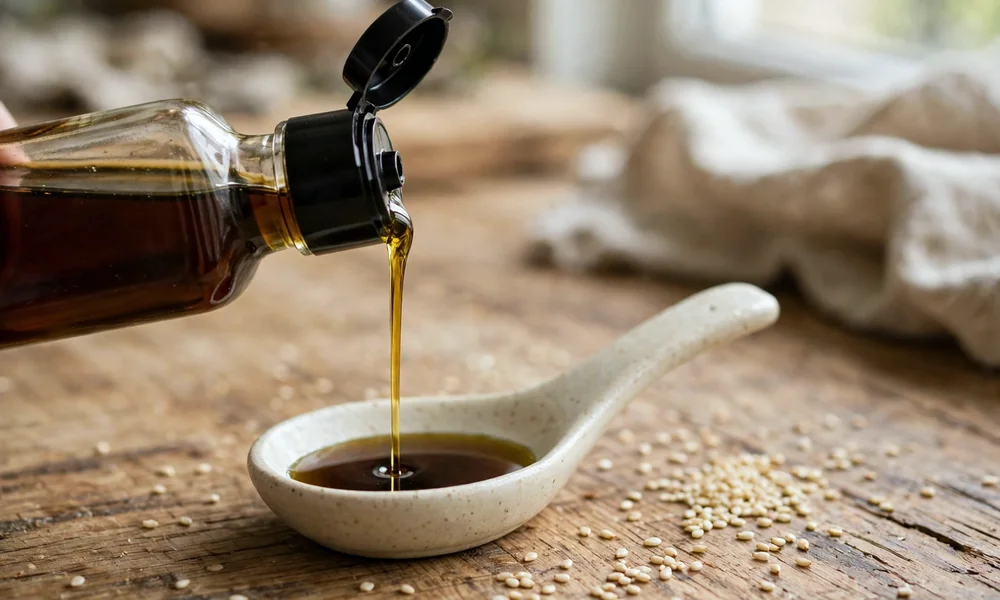
The Best Sesame Oils of 2026
The best sesame oils start with more sesame and less noise. A good bottle lists sesame oil near the top of the ingredients, because sesame is the whole point, and uses a short list of additions, ideally none at all. The best toasted versions are the quiet heroes of the shelf. They pour with a deep, even colour, they do not go stale quickly in the bottle, and they finish a stir-fry in one easy drizzle, because their makers have pressed the seeds carefully enough for the natural aroma to do the work instead of adding flavourings to fake a nutty scent. They are rich enough to use by the drop, yet they still taste like something real, which is more than most bottles manage.
The Best Sesame Oil Styles at a Glance
| Sesame oil style | Sesame content | Flavour | Best for |
|---|---|---|---|
| Toasted, cold-pressed | Nearly all sesame | Deep and nutty | Finishing, dressings, noodles |
| Toasted, expeller-pressed | Nearly all sesame | Warm and nutty | Stir-fries, marinades, dipping |
| Light refined sesame oil | Nearly all sesame | Mild | Frying, sautéing, everyday cooking |
| Unrefined raw sesame oil | Nearly all sesame | Delicate | Salads, gentle dressings |
| Blended sesame oil | Lower | Faint | A cheap everyday oil, bulk cooking |
Reading the Bottle: What the Label Really Tells You
The label is the most honest part of a sesame oil bottle, and it is worth reading before you buy. Most good sesame oil contains nearly one hundred per cent sesame oil, and the rest is nothing at all, so a bottle that lists sesame oil first and stops there is already a step ahead. Look at what else is in there: a single ingredient is normal, but a long list of soybean oil, sunflower oil, and added flavourings means the sesame is doing less of the work than the bottle suggests. Blending is the usual giveaway, put in to stretch the sesame oil and cut the price, and while it keeps the bottle looking like a bargain, it dulls the flavour and leaves a flat, greasy taste that pure sesame oil never does.
Rancidity is the other thing to watch, because sesame oil is often left on a warm shelf for months, which leaves a stale, heavy smell that no amount of chilli or garlic can fix. A little nuttiness is natural, and a good oil balances it with a fresh aroma, but a bottle that smells stale before you pour it will only get worse in the pan. Check whether the oil is toasted or light, because toasted oil is naturally darker and stronger, and that is fine if you want it, but not if you expected a mild oil for frying. The same care applies to the dish itself, and our guide to the best sesame oil of 2026 shows which single bottle is worth buying, because a stir-fry made from stale or poor oil can never taste better than the oil that went into it.
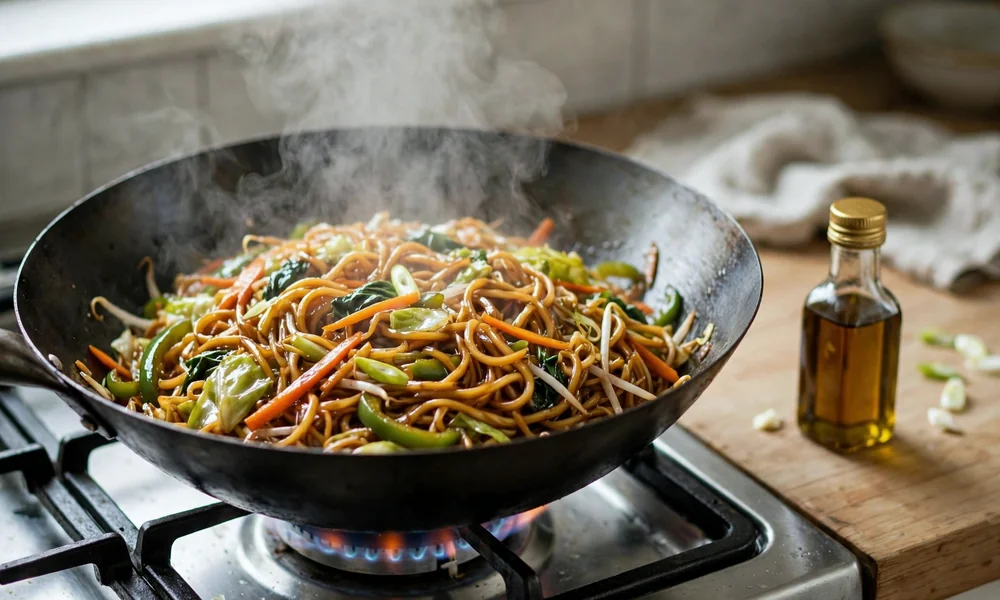
The Worst Sesame Oils of 2026
Staleness is where the worst bottles really give themselves away. Some arrive smelling of old fat and cardboard, and cooking with them is a job that spoils a good pan of noodles, only for the next bottle to smell the same way within weeks. Others are the opposite problem, so mild and pale that they could be any cheap cooking oil at all, usually because the maker blended the sesame oil down with soybean or sunflower oil to cut the cost. Then there are the burnt bottles that taste of scorched seeds first and everything else second, if at all, with a flavour closer to a burnt pan than to a nutty oil. A good sesame oil is fresh enough to smell and honest enough to taste of its seeds; a bad one is either a chore to cook with or a spoonful of stale fat with a sesame rumour in it.
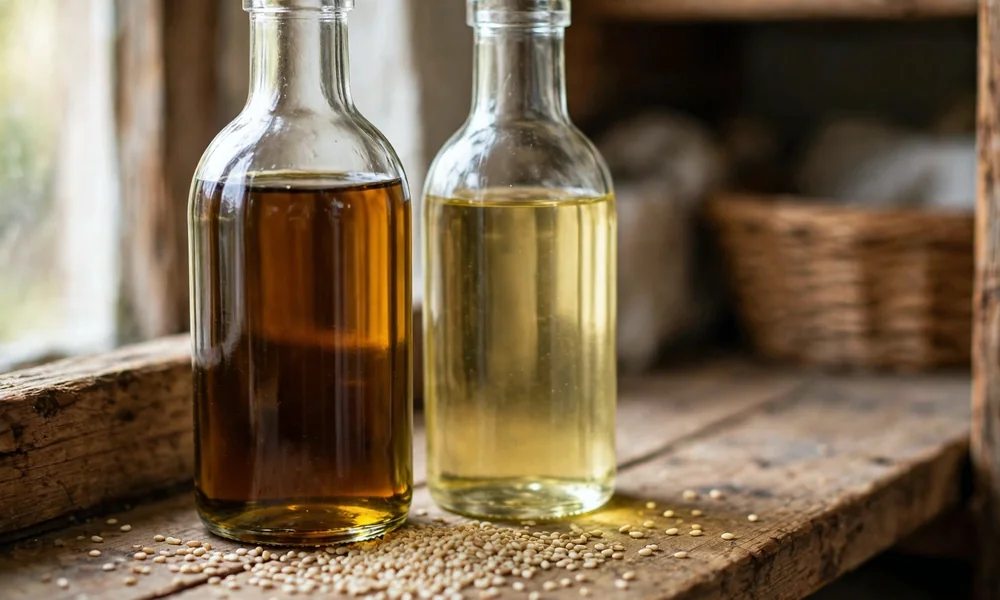
Best vs Worst Head to Head
Put the two side by side and the differences are plain. The best sesame oil smells warm and nutty when you open the bottle; the worst smells of little, or of stale fat that has been sitting too long. The best sesame oil tastes of more than one thing, moving from nutty to gently toasted to faintly sweet as you eat it; the worst tastes of one flat note, usually bitterness or staleness, and gets worse with every spoonful. The best sesame oil finishes a dish cleanly and leaves you wanting another bowl; the worst smokes in the pan, flattens the flavour, or leaves a heavy, stale feeling and a bottle you are glad to see the back of.
How to Choose a Sesame Oil Without Regret
The single most useful thing you can do is to read the label before you buy, and to buy the bottle with the shortest list. Sesame oil first, and nothing else is the gold standard, and any bottle that meets it is already ahead of most of the shelf. While you read, check whether the oil is toasted or light, because a bottle that hides its strength behind a plain label is usually hiding quite a lot of it. Then pick your style and stick with it: toasted and cold-pressed if you finish dishes and dressings, light and refined if you fry and sauté, raw if you want a delicate oil for salads, and blended only if you are buying a cheap everyday oil rather than a staple.
Once the bottle is home, keep it in a cool, dark cupboard and use it within a few months, which keeps the oil fresh instead of turning stale in the bottle. A good bottle needs a dark shelf and then behaves itself; a bad bottle will go stale no matter what you do, and that is the bottle telling you not to buy it again. Smell it before you judge it in a dish, because an oil that smells stale in the spoon will smell stale everywhere else too. And if you are still deciding between sesame products, our guide to the best and worst tahini of 2026 covers the sesame paste in detail, while the comparison above will help you choose between the oils themselves.
The Verdict
The verdict is clear: buy a toasted, cold-pressed sesame oil made from nearly all sesame, with nothing else added, and use it to finish stir-fries, dressings, and noodle bowls. Choose light and refined when you want a mild oil for frying, and raw when you want the most delicate sesame note. Do not buy sesame oil that lists blended oils or flavourings near the top of the label, a bottle that smells stale the day you open it, or an oil so mild that the sesame is an afterthought. Buy a short label, store it in the dark, and let the sesame do the talking, because those three things are what you actually taste.
Who Each Is For
The best sesame oil is for anyone who cooks slowly and wants the flavour to be worth the pause: the stir-fry that starts the meal properly, the dressing that should be a pleasure rather than a chore, and the drizzle over noodles that costs little and tastes like care. The worst sesame oil, if it suits anyone at all, suits only a pantry in a hurry, someone who wants the idea of sesame oil and does not mind what it tastes like, and even then a good bottle costs little more and gives a great deal more. Buy a short label, store it in the dark, and enjoy the difference every time you lift the spoon.