
A smart home hub is the quiet brain of a connected house. It is the one box that lets the lights, the locks, the thermostat, the speakers and the cameras behave like a single home instead of a dozen separate apps that never speak to each other. When it works well, you barely notice it. You say goodnight and the hallway light fades, the front door locks, and the heating drops a degree, all without you opening a single app. When it works badly, the opposite happens. The lights stay on all night, the morning routine never runs, and a simple request to turn on a lamp turns into ten minutes of troubleshooting while the family waits in the dark.
The difference between the best and the worst smart home hubs in 2026 is not a small gap in quality. It is the difference between a home that runs itself and a home that constantly needs a technician. A good hub keeps working when the internet drops out for a few minutes, remembers your routines after a software update, and lets devices from different brands work together. A bad hub forgets everything at the worst moment, drops devices in the middle of the night, and slowly turns a house full of clever gadgets into a house full of expensive ornaments. This comparison puts the best smart home hubs of 2026 head to head against the worst, judging them the way you would actually live with them: set up on a Saturday afternoon, used every morning and evening, and left to run quietly for a year.
Key Takeaways
- A hub is judged by what it does when nobody is watching: routines that run on time, devices that stay connected, and a house that still works when the internet drops out.
- The best hubs support more than one smart home standard, so a new light or lock does not force you to start over.
- The worst hubs fail in the same few ways: dropped devices, forgotten routines, weak privacy, and an app that fights you.
- Buy the hub for the home you already have, not the one in the advertisement: count your devices and check they are supported before you pay.
- A hub that needs constant attention is not smart. The best ones disappear into the background within a week.
What a Smart Home Hub Actually Does
Before comparing the best and the worst, it helps to be clear about what a hub is for. A hub is a small computer that sits in your home and talks to your smart devices on your behalf. Instead of your phone talking to each light bulb, lock, and sensor one at a time over the internet, the hub talks to them directly, usually over a local wireless standard such as Zigbee, Z-Wave, Thread, or Matter. That local connection is what makes a good hub fast and reliable: the command to switch on a light travels across your living room, not across the world and back.
A hub also runs automations. These are the simple rules that make a smart home feel smart: when the front door unlocks after sunset, switch on the hallway light; when everyone has left the house, turn the heating down; when the smoke alarm sounds, flash every light in the house. The best hubs run these rules on the device itself, so they still work when your broadband goes down. The worst hubs run them in the cloud, which means a slow connection or a server outage can leave your house doing nothing at all. That single difference explains most of the frustration people feel with a bad hub.
The third job of a hub is to bring different brands together. Most homes end up with a mix: lights from one company, a lock from another, a thermostat from a third. A good hub speaks all of their languages, so a single routine can touch all of them. A bad hub only plays nicely with its own brand, and every new device becomes a new app, a new account, and a new password. If you already have smart speakers in the house, our comparison of the best and worst smart speakers of 2026 is worth reading alongside this one, because the speaker and the hub often share the same job of listening for your voice.
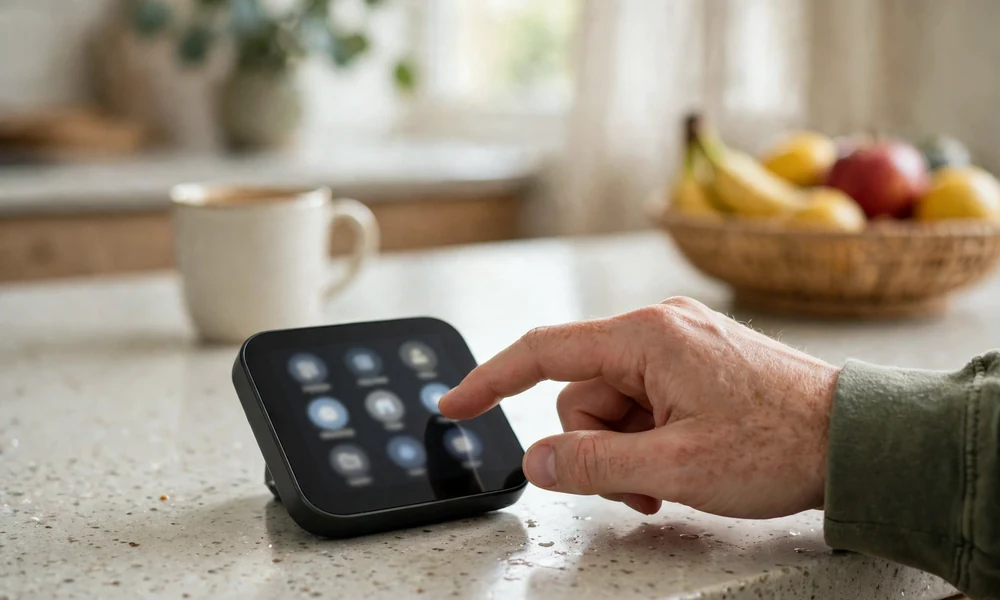
The Best Smart Home Hubs of 2026
The best hubs of 2026 share a handful of qualities that show up in daily use rather than on a specification sheet. The first is breadth. A top hub supports Matter, Thread, Zigbee, and Z-Wave, so it can talk to almost anything you might buy next year, not just what you own today. That matters because smart homes grow one gadget at a time, and a hub that only supports one standard quietly locks you into one brand. The best hubs also keep a healthy range of devices connected at once: forty, sixty, or more lights, sensors, and switches, without slowing down or dropping the ones furthest from the router.
The second quality is local control. The best hubs run their routines on the device in your home. When the broadband drops, the lights still switch on, the lock still responds, and the heating still follows its schedule. That reliability is easy to take for granted until the first time the internet goes down on a dark winter evening and the house keeps working anyway. Local control also means speed. A command that travels across the room answers in a fraction of a second, while one that goes to a distant server and back can take two or three seconds, which is long enough to make you wonder whether anything happened at all.
Staying power matters too. The best hubs come from companies that are still investing in the product, with a clear roadmap and a community of users who can help when something odd happens. A hub from a company that has quietly stopped updating its software is a hub that will slowly lose devices as the standards move on. If your home already has connected locks, our comparison of the best and worst smart locks of 2026 shows how much difference a hub makes to whether a lock opens first time, every time.

The Worst Smart Home Hubs of 2026
The worst smart home hubs of 2026 fail in ways that are depressingly familiar to anyone who has owned one. The most common failure is also the most annoying: devices that drop off the network for no reason. A light that worked yesterday refuses to answer today. A sensor in the hallway stops reporting. The hub’s app insists everything is fine while half the house ignores you. The usual fix is to unplug the hub, wait, plug it back in, and hope. When that becomes a weekly ritual, the hub has failed at its one essential job.
The second failure is forgotten routines. You spend an evening setting up a goodnight routine that locks the door, dims the lights, and lowers the heating, and it works beautifully for a week. Then a software update arrives, and the routine is gone, or half of it runs and the rest does not. The worst hubs are notorious for losing automations after updates, and for offering no way to back them up. Rebuilding your routines from scratch every few months is not a smart home. It is a part-time job you never applied for.
The third failure is cloud dependence. The worst hubs send every command to a distant server before anything happens in your home. When your broadband is slow, the lights are slow. When the company’s servers have a bad day, your house stops responding altogether. Some of the worst hubs even stop working when the manufacturer discontinues the product, turning a working device into a paperweight overnight. A hub that cannot function without a constant internet connection is a hub that has misunderstood its own purpose.

How to Choose a Hub That Lasts
Choosing well starts with counting what you already own. Walk around the house and list every smart device: bulbs, plugs, sensors, locks, cameras, the thermostat. Then check that the hub you are considering supports all of them, or at least the ones you care about most. If it does not, you will either replace working devices or live with a house that only half responds. A hub that supports Matter and Thread is the safest bet for the next few years, because new devices are increasingly built around those standards.
Next, think about where the hub will live. It needs a spot near the centre of the house, close to a power socket and ideally wired to your router, so it can reach the far rooms. A hub hidden in a cupboard behind a metal filing cabinet will struggle no matter how good it is. If your house is large or has thick walls, look for a hub that supports mesh networking, or consider a system that lets you add a second hub or an extender. Cameras are often the hungriest devices on a smart home network, so if you have several, our comparison of the best and worst home security cameras of 2026 is a useful companion before you decide how much your hub needs to handle.
Finally, check the company’s track record. Has it updated its hubs regularly for the last two years? Does it publish a clear privacy policy? Does it still sell and support the model you are buying, or is it quietly clearing old stock? A hub is a long-term purchase, more like a boiler than a phone, and the company behind it matters as much as the box itself. Read the one-star reviews as well as the five-star ones: the one-star reviews are where the dropped devices, the lost routines, and the dead servers live.
The Verdict
The best smart home hubs of 2026 are the ones you forget about. They support the standards that matter, they run your routines at home rather than in the cloud, they keep dozens of devices connected without drama, and they treat your privacy as something worth protecting. They cost a little more than the cheapest options, and they are worth every penny of it, because a hub is the foundation everything else in a smart home stands on.
The worst hubs are cheap for a reason. They drop devices, forget routines, depend entirely on the internet, and lock you into one brand’s expensive ecosystem. They turn a house full of clever gadgets into a house full of small frustrations, and the money saved at the till is spent many times over in time, patience, and replacement devices. If a hub looks too cheap to be true, it probably is.
Buy the best hub you can afford, count your devices first, and choose one that speaks Matter and Thread. Set it up properly, give it a central spot in the house, and then let it disappear into the background. A good hub will not impress your visitors, because they will never notice it. What they will notice is a house where the lights are always right, the door is always locked, and everything simply works. That is the whole point.


