A tie is the smallest piece of a suit and the one people notice first. A good tie pulls the whole outfit together: the knot sits neatly, the silk drapes cleanly, and the colour works with the shirt and jacket rather than fighting them. A bad tie undoes all of it, with a knot that will not sit straight, shiny fabric that looks cheap, and a length that ends in the wrong place.
This comparison puts the best ties of 2026 head to head against the worst, judging them the way you would actually wear them: at a wedding, at work, at a formal dinner, and at an interview where first impressions matter. We look at fabric, construction, width, length, and whether the tie still looks good after a long day. The same honest approach sits behind our guide to the best ties of 2026, because the right tie starts with knowing what a good one looks and feels like.
Key Takeaways
- Fabric decides everything, because silk drapes and knots in a way cheap polyester never will.
- Width should match your lapels and your build, not the fashion of the moment.
- Length matters more than most people think, and a tie should reach the belt, not above it or below it.
- Construction shows in the knot, and a well-made tie ties cleanly and holds its shape all day.
- Buy ties for the suits and shirts you actually own, not for an outfit you do not have.
What Makes a Tie Good or Bad
A good tie starts with fabric. Silk is the classic for a reason: it has a soft sheen, it drapes naturally, and it forms a knot with a pleasing shape that holds all day. Good wool ties are warm and textured for autumn and winter, and good linen ties are light and relaxed for summer. The worst ties are made from shiny polyester that looks plastic under office lights, knots into a lumpy ball, and creases the moment you sit down.
The second thing that separates good from bad is construction. A well-made tie has a proper lining, a hand-rolled edge, and a slip stitch that lets the fabric move and recover. The best ties of 2026 are cut on the bias, so they hang straight and spring back after a day of wear. The worst ties are stiff, flat, and cut carelessly, so they twist, curl at the tip, and never hang properly no matter how often you straighten them.
Width and length are the third test, and they are the ones most buyers get wrong. A tie should be roughly the same width as your jacket lapels, and it should reach the middle of your belt buckle when tied. A tie that is too wide looks dated, a tie that is too skinny looks like a shoelace, and a tie that ends halfway down your shirt looks unfinished. The best ties come in widths and lengths that fit real bodies, not just mannequins.
The Best Ties of 2026
The best ties of 2026 are mostly the classic, well-made ones, and that is exactly the point. They are the navy silk ties that go with everything, the burgundy knits that soften a sharp suit, and the subtle patterns that add interest without shouting. They are not the loudest ties in the shop, but they are the ones you reach for when it matters.

What the best ties share is a feeling of being made properly. The silk feels substantial in the hand rather than thin and papery. The knot forms easily and stays put, the tip hangs straight, and the lining gives the tie a gentle weight that helps it drape. Good ties also age well: the colour stays rich, the fabric does not shine with wear, and the tie still looks smart after years of use.
Versatility is another area where the best ties quietly win. A good navy or burgundy tie works with a grey suit, a navy suit, a white shirt, and a blue shirt, which means one tie can carry a whole week of outfits. The best ties are not bought for one occasion: they are bought to be worn again and again.
The Worst Ties of 2026
The worst ties of 2026 are not always the cheapest, and that is what makes them so frustrating. Some come in handsome boxes and cost more than they should, but within a few wears the problems start: the fabric shines, the knot slips, the lining bunches inside, and the tip curls. You spend the day tugging at it, which is exactly what a tie should never make you do.
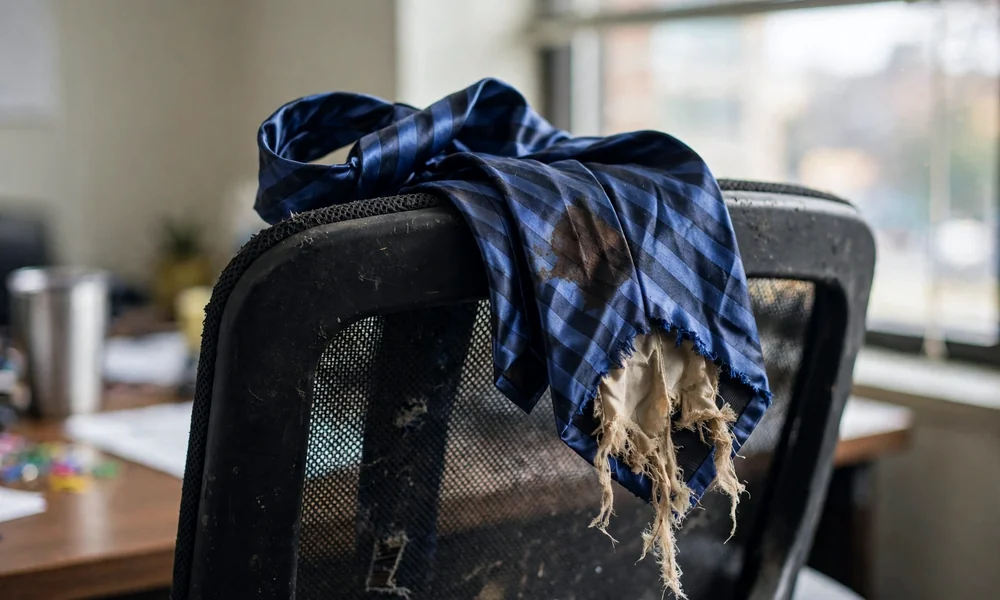
Fabric is where many of the worst ties fall down hardest. They are often made from stiff, shiny polyester that looks cheap under any light and feels like plastic against the skin. The knot comes out lumpy and uneven, the fabric creases the moment you sit down, and the tie never drapes the way a good silk tie does. However smart the suit, a cheap tie gives the game away.
Then there is the fit. The worst ties are often made in one standard length that is too short for tall men and too long for shorter men, and in a width that suits nobody. A tie that ends above the belt looks like a mistake, and a tie that hangs past the belt looks careless. A tie that does not fit the person wearing it is a tie that fights the outfit all day.
Silk, Wool, or Knit: Which Type Wins
Silk wins for formal occasions, and it is not close. A smooth silk tie in navy, burgundy, or charcoal is the safest choice for a wedding, an interview, or a formal dinner. The best silk ties of 2026 have a soft sheen rather than a shine, they knot cleanly, and they sit neatly under a collar all day. Their weakness is care: silk stains easily and needs gentle handling.
Wool ties are the best choice for autumn and winter. A woollen tie adds warmth and texture to a suit, and it pairs beautifully with tweed and flannel. Knit ties are the relaxed option: soft, slightly casual, and perfect with a blazer when a formal silk tie would feel too stiff. A good knit tie in navy or dark green is one of the most useful ties a man can own.
Width, Length, and the Numbers That Actually Matter
Width remains the simplest choice to get right in 2026, and the rule has not changed: match the tie to your lapels. A standard lapel of about eight centimetres calls for a tie of about eight centimetres, and a slim lapel calls for a slimmer tie. The best ties are sold in a range of widths, so there is no excuse for a tie that looks out of proportion with the jacket it is worn with.
Length is the detail most men overlook, and it matters more than width. A tie should reach the middle of the belt buckle, and the thin end should be held neatly behind the wide end with the keeper loop. The best ties come in regular and long lengths, and a taller man should always choose the longer option rather than tying a knot that eats up half the tie. A good dress shirt makes the whole thing easier, and our guide to the best dress shirts of 2026 shows which shirts work best with a tie.
Patterns deserve the same attention as size. A solid tie is the safest choice, a subtle dot or stripe adds interest without risk, and a bold pattern needs a plain shirt to work. The worst ties are often the loudest: huge logos, garish colours, and novelty prints that belong nowhere near a suit. A tie should complement the outfit, not compete with it.
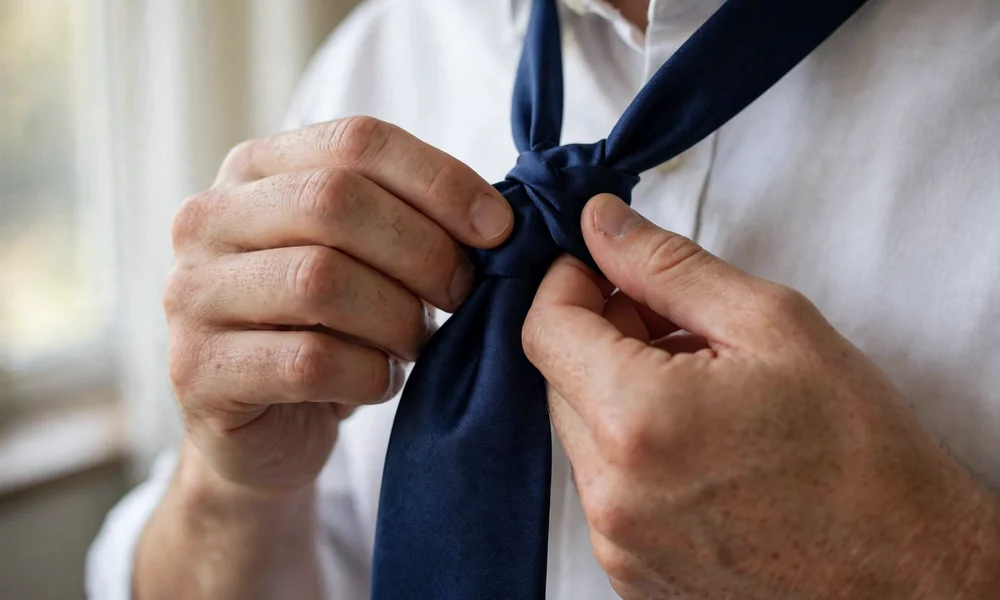
Price deserves the same attention as pattern. A tie that costs a little more but is made from real silk and proper construction is better value than a cheap tie that looks worn after three outings. Feel the fabric, check the lining, and look at the stitching along the back before you buy. A good tie is easy to spot once you know what to look for.
Care is the quiet part of tie quality that nobody talks about. Silk ties last far longer when they are never knotted tightly and stored rolled or hung, and a tie that has been creased by a tight knot will never drape quite the same again. A good tie should be untied gently after every wear, left to rest for a day, and kept away from water and steam, because even the best silk cannot survive rough handling.
How to Buy a Tie Without Regret
The single most useful thing you can do before buying a tie is to hold it up against the suit and shirt you will actually wear it with. A tie that looks wonderful on its own can clash badly with a patterned shirt or a brown suit, so check the combination in daylight rather than under shop lights. Buy one tie and wear it for a full day before you buy more in the same range.
Check the construction with your fingers before you buy. Feel the weight: a good tie has a gentle heft from its lining, while a bad tie feels empty and flimsy. Look at the tip: it should be neatly finished and lie flat. Tie a knot in the shop if you can, because a tie that knots badly there will knot badly at home. The finishing touches matter too, and our comparison of the best and worst belts of 2026 shows how much difference a good belt makes to the same outfit.
Finally, do not be tempted by novelty over quality. A novelty tie is a joke that wears thin by lunchtime, and a cheap tie is a false economy that costs you confidence all day. Buy the plain, well-made tie first, and save the patterns for ties that have already proved themselves. Store ties rolled or hung, never knotted, and undo the knot gently after every wear.
The Verdict
The best ties of 2026 are the ones you never have to think about. They knot cleanly, they hang straight, and they make the whole outfit look considered without drawing attention to themselves. They do not need to be expensive or flashy: they simply work, occasion after occasion, with very little fuss.
The worst ties of 2026 are the ones that demand too much and give too little back: too much adjusting, too much shine, and too much of your confidence spent worrying about a knot that will not sit straight. A tie is the smallest part of a suit, but when it fails, the whole outfit looks wrong.
So buy with your wardrobe as well as your eyes. Choose the fabric that fits the occasion and the width that fits your lapels. Check the length, the knot, and the lining before you buy, and walk away from anything that feels stiff, shiny, or flimsy in your hand.