
The best wagons for summer driving in 2026 are the cars that make a long hot road trip feel easy: a cabin that cools fast and stays cool, a low load floor for suitcases and beach gear, and a ride that stays calm after four hours on the motorway. A wagon gives you nearly the cargo space of a mid-size SUV with the manners of a saloon, and in summer that combination is hard to beat.
We compared the 2026 wagons on cooling, cargo room, motorway comfort, real-world fuel economy, driver assistance, and value. The minivans we ranked for summer driving carry more people, but for a family of four or five, a wagon is the smarter summer car. Here are the six best choices for summer 2026.
Key Takeaways
- The Volvo V60 is the best wagon for summer driving overall in 2026, with a calm cabin, strong safety kit, and the best seats in the class.
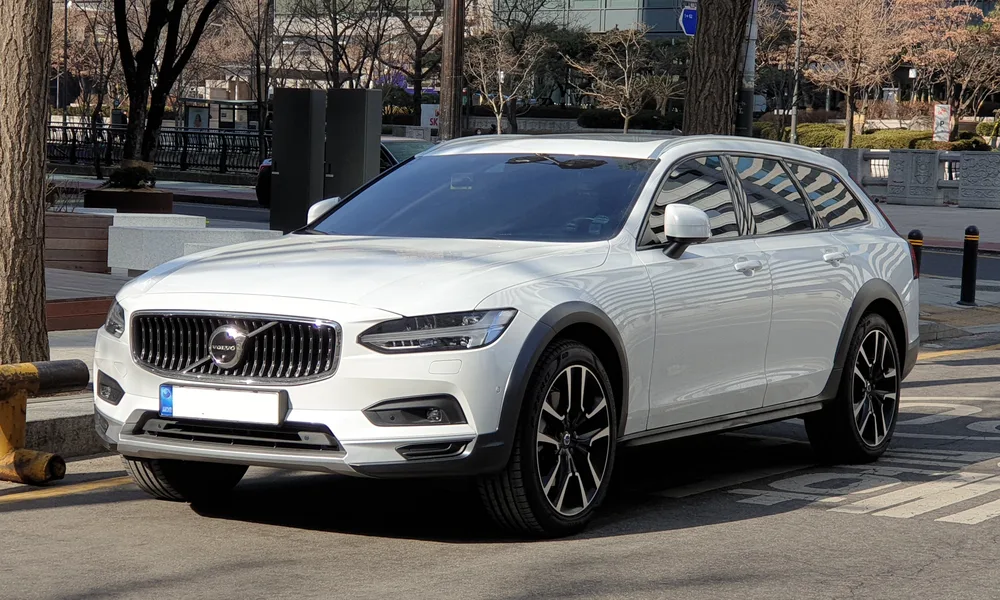
- The Volvo V90 Cross Country is the best wagon for long summer journeys, with the biggest cargo bay here and raised ride height for campsite tracks.
- The Audi A6 Avant is the best premium wagon for summer driving, with a superb motorway ride and a quiet cabin.
- The Subaru Outback is the best wagon for active summer families, with standard all-wheel drive, roof rails, and a cabin built for muddy boots.
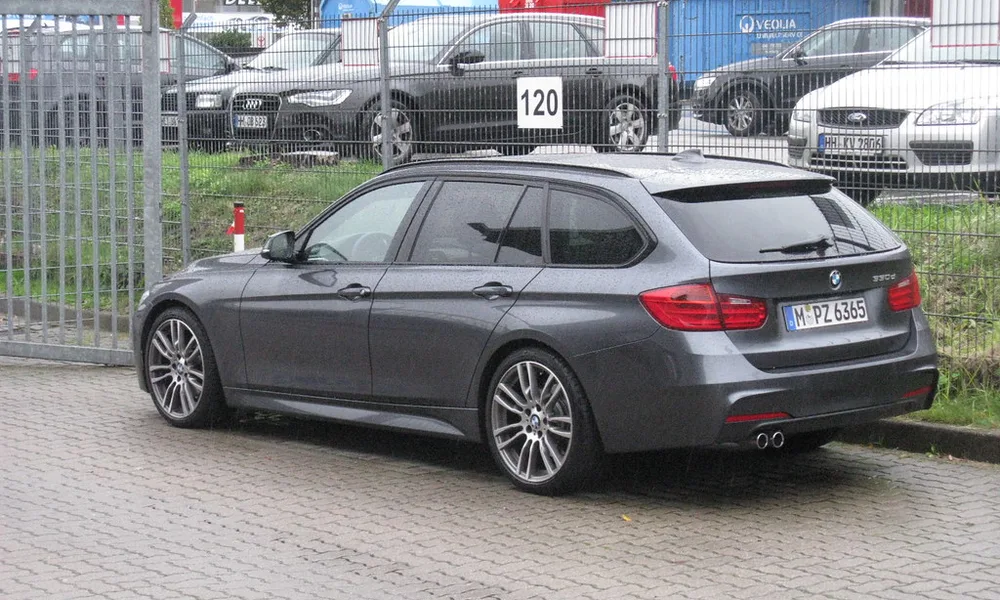
- The BMW 3 Series Touring is the best wagon to drive, with the sharpest steering and the most engaging handling here.
The Best Wagons for Summer Driving 2026 at a Glance
Six wagons, six strengths. This table compares the numbers that matter on a hot road trip.
| Wagon | Best For | Seats | Engine | Typical Combined Economy | Max Cargo Space |
|---|---|---|---|---|---|
| Volvo V60 | Best overall | 5 | 2.0-litre mild hybrid or plug-in hybrid | About 40 mpg | About 50 cu ft |
| Volvo V90 Cross Country | Long journeys | 5 | 2.0-litre mild hybrid | About 35 mpg | About 54 cu ft |
| Audi A6 Avant | Premium comfort | 5 | 2.0-litre or 3.0-litre mild hybrid | About 38 mpg | About 59 cu ft |
| Subaru Outback | Active families | 5 | 2.5-litre flat-four | About 30 mpg | About 75 cu ft |
| BMW 3 Series Touring | Best to drive | 5 | 2.0-litre mild hybrid or 3.0-litre six | About 40 mpg | About 53 cu ft |
| Mercedes-Benz E-Class Estate | Best luxury load carrier | 5 | 2.0-litre mild hybrid or plug-in hybrid | About 42 mpg | About 64 cu ft |
How We Compared the Wagons
Summer driving exposes weaknesses that a short test drive hides. A car that feels fine on a cool morning can turn into a greenhouse by midday, and a boot that looks big in a showroom can fail the first time you load it with a pushchair, a cool box, and four bags. We judged every wagon on cooling first: how quickly the air conditioning brings the cabin down from 40 degrees, and whether rear passengers get their own vents.
1. Volvo V60: Best Wagon for Summer Driving Overall
The V60 wins this guide because it does everything a summer wagon needs to do without making a fuss about any of it. The cabin cools quickly, the seats are the most comfortable in the class, and the mild hybrid engine returns about 40 miles per gallon quietly. The plug-in hybrid version adds electric-only running for short trips around a holiday cottage.
Behind the rear seats there is about 22 cubic feet of space, rising to about 50 cubic feet with them folded flat, and the low load lip means heavy bags slide in easily. Pilot Assist and blind-spot monitoring are standard on most trims.
2. Volvo V90 Cross Country: Best Wagon for Long Summer Journeys
If your summer involves distance, the V90 Cross Country is the wagon to take. It is the largest car here, with about 25 cubic feet behind the rear seats and about 54 cubic feet folded, and rear passengers get room to stretch out on a six-hour drive. Raised suspension adds clearance for campsite tracks, and standard all-wheel drive keeps traction on loose surfaces.
The cabin is the calmest place in this guide to spend a hot afternoon, with available ventilated seats, separate rear climate controls, and acoustic glass that keeps wind noise to a murmur at 70 miles per hour.

3. Audi A6 Avant: Best Premium Wagon for Summer Driving
The A6 Avant is the motorway car of this group. At speed it is quieter than the rest, smoothing out broken surfaces, and the 2.0-litre mild hybrid returns about 38 miles per gallon while feeling stronger than its numbers suggest. The 3.0-litre six-cylinder version adds effortless overtaking for towing or a roof box.
Inside, the virtual cockpit puts navigation in front of the driver, and optional four-zone climate control lets rear passengers set their own temperature. Cargo space is about 20 cubic feet with the seats up and about 59 cubic feet folded.
4. Subaru Outback: Best Wagon for Active Summer Families
The Outback is the least polished wagon in this guide and the most useful. Standard all-wheel drive, 213 millimetres of ground clearance, and roof rails rated for a roof tent or kayaks make it the default choice for families whose summer involves water, mud, and gravel. The 2.5-litre engine returns about 30 miles per gallon, the weakest economy here, but it is happy to run all day in the heat.
The cabin is built for real family use, with durable materials that wipe clean and rear vents that reach the back seats. Cargo space is the largest here at about 75 cubic feet with the seats folded.
5. BMW 3 Series Touring: Best Wagon to Drive
The 3 Series Touring reminds you that a family wagon can still be fun. The steering is the sharpest in this guide, the chassis stays flat on a winding coastal road, and the 2.0-litre mild hybrid returns about 40 miles per gallon while feeling eager at any speed. The six-cylinder M340i is the most entertaining car here.
Practicality is strong rather than class-leading: about 18 cubic feet behind the rear seats and about 53 cubic feet folded, with a wide opening and a flat floor. The cabin is driver-focused, with excellent front seats and clear physical climate controls.
6. Mercedes-Benz E-Class Estate: Best Luxury Load Carrier
The E-Class Estate is the most spacious luxury wagon in this guide, with about 23 cubic feet behind the rear seats and about 64 cubic feet with them folded, and it carries that load in near silence. The mild hybrid diesel returns about 42 miles per gallon on a long run, the best economy here, while the plug-in hybrid covers daily runs on electricity alone. Available air suspension keeps the car level when fully loaded.
The cabin is the most luxurious in this group, with superb seats and a wide infotainment screen. Driver assistance is excellent, with adaptive cruise control for stop-start traffic and a lane-centring system for the motorway.
Summer Features Worth Paying For
Four options make a real difference in summer, and they are worth ordering before the car arrives rather than regretting their absence in July. Ventilated front seats cool you faster than air conditioning alone, and matter most on leather interiors. A panoramic roof needs a proper sliding blind, or it adds heat all day. Rear climate controls or at least rear vents are essential if children sit in the back, because a single-zone system leaves the rear seats noticeably warmer.
A powered tailgate helps when your arms are full, and a factory tow bar is worth fitting if you plan to tow or carry bikes. The pickup trucks we ranked for summer driving tow far more than any wagon, but a wagon with a factory tow bar handles a small caravan or a bike rack without complaint. Finally, fit summer tyres before a long trip: they grip better in the heat and stop shorter on a hot motorway.
How to Prepare a Wagon for a Summer Road Trip
Preparation takes an afternoon and saves a holiday. Check the coolant level and the air conditioning before the first hot day, because a weak system will fail in August. Have it regassed if the air from the vents is not properly cold. Check tyre pressures when the tyres are cold, and add a few pounds per square inch when the car is fully loaded, following the pressures listed on the door frame.
Pack heavy items low and forward in the boot so they do not slide around, keep a cool box accessible, and fit a sunshade for the rear windows if children travel in the back. A roof box adds space but raises fuel use by roughly 10 to 15 percent, so use it only when the boot is full. The hatchbacks we ranked for summer driving are cheaper to run around town, but on a loaded long-distance trip the wagon wins on space, comfort, and calm. Before you leave, check the spare wheel or repair kit is present.
Booking Checklist
- Test the air conditioning on a hot day with the cabin fully loaded.
- Measure your largest luggage against the boot with the seats up.
- Confirm rear vents or rear climate controls are fitted, and test them from the back seat.
- Check the panoramic roof has a proper blind, and that the blind closes fully.
- Compare real-world economy on a loaded motorway run, not just the official combined figure.
- Make sure adaptive cruise control and blind-spot monitoring are included in your trim.
Frequently Asked Questions
Which wagon has the best fuel economy for summer driving?
The Mercedes-Benz E-Class Estate leads at about 42 miles per gallon on a long run from its mild hybrid diesel, with the Volvo V60 and BMW 3 Series Touring close behind at about 40. Plug-in hybrids do better on short trips, but on a long motorway journey the figures above are the ones that matter.
Which wagon has the most cargo space?
The Subaru Outback has the most cargo space here, at about 75 cubic feet with the rear seats folded, followed by the Mercedes-Benz E-Class Estate at about 64 cubic feet. With the seats up, the E-Class and the V90 Cross Country are the most generous.
Do any wagons have all-wheel drive?
Yes. The Subaru Outback and the Volvo V90 Cross Country both have standard all-wheel drive. All-wheel drive is available on the Audi A6 Avant, BMW 3 Series Touring, and Mercedes-Benz E-Class Estate, and it is worth choosing for gravel tracks or towing.
Which wagon is best for three child seats?
The Volvo V90 Cross Country and the Mercedes-Benz E-Class Estate are best, with the widest rear benches and the most rear legroom here. The Audi A6 Avant is close behind. Check the Isofix spacing with your actual seats before buying.
Is a plug-in hybrid wagon worth it for summer trips?
A plug-in hybrid wagon is worth it if most of your summer driving is short trips around a holiday base, because those miles can be electric and nearly free. On a long motorway journey it offers little advantage once the battery is empty, so choose based on everyday use.
How much can a wagon tow?
Most wagons here tow between 1,800 and 2,100 kilograms when properly equipped, covering a small caravan, a boat trailer, or a loaded bike rack. The Audi A6 Avant with the 3.0-litre engine and the Mercedes-Benz E-Class Estate tow the most. Always check the exact towing limit for your engine and trim.
The Bottom Line
The best wagon for summer driving in 2026 is the Volvo V60, because it balances cooling, comfort, economy, and safety better than any rival. If your summers are measured in long distances, step up to the V90 Cross Country; if you want the quietest motorway car, choose the Audi A6 Avant; and if your family lives outdoors, the Subaru Outback is the honest choice. Whichever wagon you pick, test the air conditioning on a hot day and measure the boot with your real luggage.


