
Wood Cleaners That Keep Furniture Looking New in 2026
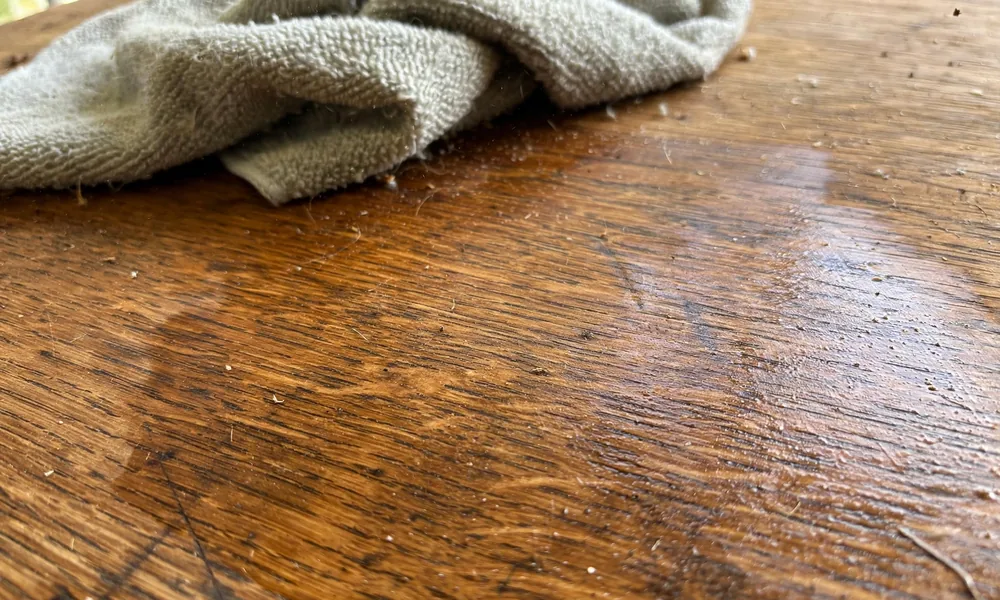
Wood cleaners are the quiet workhorses of a well-kept home, and the difference between the right one and the wrong one shows up on every table, chair and sideboard you own. A wooden dining table cleaned properly keeps its colour, grain and smooth finish for decades. The same table cleaned with the wrong product turns cloudy, sticky or pale in months, and a damaged finish is far harder to fix than to protect. This guide covers the wood cleaners worth buying in 2026: the main types, how to tell a good one from a bad one, and how to use them safely.
It is about cleaners for wood furniture only, not leather cleaners, which are made for sofas and shoes and should never be used on a wooden table, and not furniture polish either. A cleaner removes dust, grease and grime; a polish adds shine afterwards. Cleaning comes first, and this guide stays on that first job.
Key Takeaways
- A gentle, pH-neutral wood cleaner is the safest all-round choice, because it lifts dirt without stripping the finish.
- Always test a cleaner on a hidden patch first, since a product that suits a varnished table can mark an oiled one.
- Spray the cleaner onto the cloth, never directly onto the wood, so the surface is never soaked and the product never pools.
- Clean with the grain, not against it, and use a soft cloth, never anything abrasive, which can scratch the finish permanently.
- Clean wooden furniture little and often, and polish only after cleaning, because polish over dust seals the dirt in.
What a Wood Cleaner Actually Does
A wood cleaner does one job: it removes the dust, fingerprints, grease and everyday grime from the surface of finished wood, without removing the finish itself. Most wooden furniture is protected by a thin layer of varnish, lacquer or oil, and the cleaner works on top of that layer. It loosens the dirt so a cloth can carry it away, then wipes off cleanly. Feeding the wood and restoring its shine is a different job, belonging to oils and polishes applied after the surface is clean.
The two products are often confused, and sometimes sold as one. A combined cleaner and polish is convenient, but it is a compromise: it cleans less thoroughly than a dedicated cleaner and protects less well than a dedicated polish. For furniture used every day, separate products work better. Floors are a separate case again: a wooden floor covers far more area and takes far more wear than a table, so it needs its own routine, and the best robot mops for hardwood floors are a better answer there than any furniture cleaner.
The Main Types of Wood Cleaner
Wood cleaners come in a few forms, and the right one depends on the piece, the level of dirt and how much control is wanted over the amount used. A dining table wiped daily needs something different from a bookcase dusted once a month, and oiled oak needs something different from varnished pine.
Spray Cleaners
A spray wood cleaner is the most common type and the easiest to use on tables and sideboards, because it covers a flat surface quickly and evenly. Spray it onto a cloth rather than directly onto the wood, which keeps the amount controlled and stops liquid running into joints and veneer edges. Sprays suit regular cleaning and light dirt; sticky rings may need a second pass. Look for a pH-neutral formula with no ammonia and no silicone, since silicone leaves a film that builds up over time.
Oil-Based Cleaners
An oil-based wood cleaner cleans gently while leaving a light conditioning effect, and it suits oiled and waxed wood best. The oil lifts surface dirt and replaces a little of the moisture that dry indoor air takes out of the wood, which helps stop small cracks opening along the grain. Too much oil leaves a greasy feel and attracts dust, so a little goes a long way and the surface should always be buffed dry. Oil cleaners are a poor choice for varnished or lacquered furniture, where the oil has nowhere to soak in and simply sits on top.
Cream and Wax Cleaners
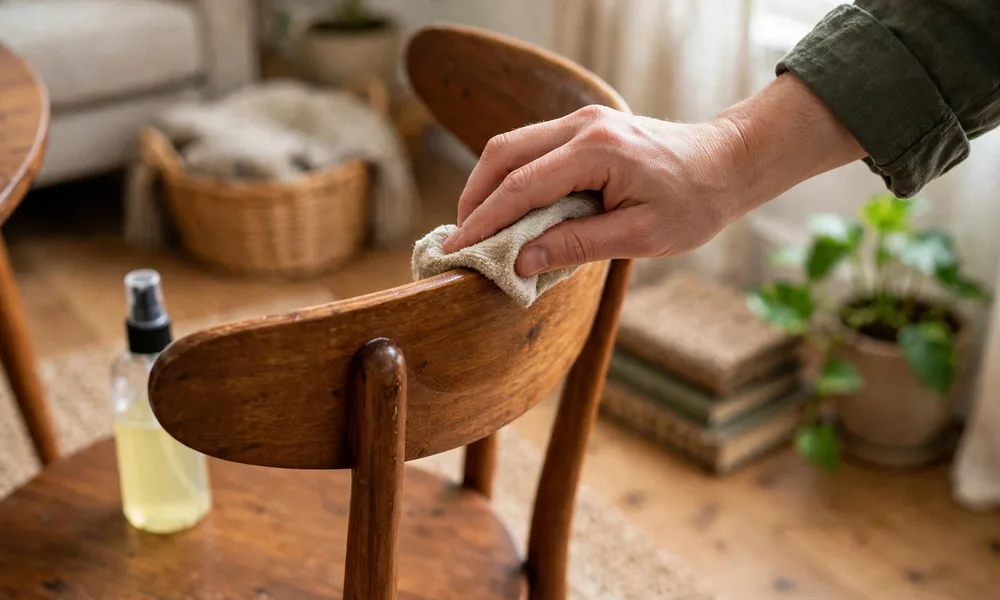
Cream cleaners are rubbed on with a cloth and worked into the wood in small sections, and they clean gently while leaving a soft, low sheen behind. They suit older furniture that has lost some of its lustre, because they do not strip what little finish remains, and they are the best choice for carved legs, mouldings and chair backs where a spray would run. The trade-off is speed: a cream takes longer than a spray on a large table, and it can leave a residue if too much is used. Work in small areas and buff each section dry.
Wipes
Wood cleaning wipes are single-use cloths soaked in cleaner, and they are the quickest option for a small mark, a sticky fingerprint or a spill that needs dealing with now. They are convenient, but they are the most expensive way to clean wood, and one wipe does not go far on a large surface. Keep a pack for emergencies and use a bottle for the regular clean.

What Makes a Wood Cleaner Good or Bad
A good wood cleaner is judged the way it is actually used: on a dining table that has collected a week of meals, fingerprints and dust. The first test is cleaning power. Does it lift ingrained grease with one gentle wipe, or does it need repeated scrubbing that risks the finish? The best cleaners dissolve grime so a cloth carries it away, without changing the colour or sheen.
Residue is the second test. A good cleaner wipes off cleanly, leaving wood feeling like wood. A bad one leaves a film that attracts dust, so the furniture looks dirty again in days. Safety is the third test: a cleaner should be pH-neutral and free of ammonia, bleach and harsh solvents, all of which can cloud varnish, lift lacquer or bleach the wood itself. A mild scent is fine; a strong chemical smell that lingers means the formula is too harsh.
Wood Cleaners Compared
| Type | Best for | Speed | Watch out for |
|---|---|---|---|
| Spray cleaner | Tables, sideboards, regular cleaning | Fast | Silicone leaves a film that builds up |
| Oil-based cleaner | Oiled and waxed wood, dry furniture | Medium | Too much oil feels greasy |
| Cream cleaner | Older furniture, carved and detailed pieces | Slow | Residue if too thick |
| Wipes | Quick spot cleans and spills | Fastest | Costly; some are too wet |
| Two-in-one cleaner and polish | Light, regular cleaning | Fast | Cleans and protects less well than separate products |
The trade-off is the same as with any cleaning product: speed against control, convenience against cost. A spray is fastest on a table, a cream gives the most control on detailed furniture, and wipes are the dearest way to clean anything larger than a spill. Many households keep two: a spray for everyday use and a cream for the deeper monthly clean.
How to Clean Wooden Furniture Step by Step
Start by dusting the piece with a dry, soft cloth, working with the grain so dust is lifted rather than pushed into it. A cloth that traps dust matters: an ordinary rag just moves dust around, while a proper cloth picks it up, which is why the best microfiber cloths are worth keeping with the cleaning supplies. Then test the cleaner on a hidden patch, such as the underside of a table, and wait for it to dry. If the colour and finish are unchanged, carry on.
Spray the cleaner onto the cloth, not onto the wood, and wipe one section at a time in the direction of the grain, turning the cloth often so dirt is not spread back over the surface. Do not soak the wood; a damp cloth is enough, and liquid pooling near a joint or veneer edge should be wiped away at once. For carved details, wrap the cloth around a finger and work it in. When the whole piece is clean, go over it once more with a clean, dry cloth, and leave it to air before putting anything back on it.
The Mistakes That Ruin Wooden Furniture
The most common mistake is using a household cleaner never meant for wood. An all-purpose cleaner may be fine on a kitchen worktop, but on a varnished table it can cloud the finish, and on oiled wood it can strip the protective oil. Water is the second mistake: a soaking wet cloth, a spill left overnight, or a plant pot with no saucer will raise the grain, leave white rings and, over time, warp the wood. Clean damp, never wet.
The third mistake is scrubbing. A scouring pad, a stiff brush or even a rough sponge will scratch a finish in seconds, and scratches on a dark table show in every light. The fourth is polishing dirty furniture: polish rubbed over dust grinds it into the finish and seals it there. Always clean first. Finally, never place hot dishes, wet glasses or damp vases directly on wood without protection. A coaster costs almost nothing; refinishing a table costs a great deal more.
Checklist: Keeping Wooden Furniture Looking New
- Dust weekly with a dry, soft cloth, always working with the grain.
- Test every new cleaner on a hidden patch before using it on a visible surface.
- Spray cleaner onto the cloth, never directly onto the wood.
- Clean damp, never wet, and wipe up spills and pooled liquid at once.
- Use coasters, mats and saucers under hot, wet and cold items.
- Clean before polishing, and keep furniture out of direct sun and away from radiators.
Frequently Asked Questions
How often should wooden furniture be cleaned?
Dust weekly and give hard-used pieces a proper clean every two to four weeks, or whenever they feel sticky or look dull. Furniture in a quiet room needs less attention than a dining table used daily.
Can I use a wood cleaner on any wooden furniture?
Almost, but the finish decides the product. Varnished and lacquered wood suits a pH-neutral spray; oiled and waxed wood suits an oil-based cleaner. Antique, painted or unfinished wood needs more care, so test first.
Why does my table feel sticky after cleaning?
Stickiness usually means too much product was used, or the residue was not buffed off. Go over the surface with a clean, dry cloth, and next time use less cleaner and buff each section dry. Silicone cleaners are a common cause, so check the label.
How do I remove white rings from a wooden table?
White rings are moisture trapped in the finish. A gentle clean followed by a thin layer of cream cleaner sometimes lifts a light ring. A dark ring means the moisture reached the wood itself, and that usually needs a professional repair.
Is it safe to use a wood cleaner around children and pets?
A pH-neutral cleaner with no ammonia, bleach or harsh solvents is the safest choice for a family home; leave the surface to dry before children or pets use the furniture. Keep all bottles out of reach.
Should I clean wooden furniture before or after polishing it?
Always clean first. Polish applied over dust or grease seals the dirt into the finish and leaves the surface duller than it was. Clean, let the wood dry, and only then polish.
The Bottom Line
The best wood cleaners of 2026 are the gentle ones: pH-neutral, free of ammonia and silicone, used with a soft cloth in small sections. A spray suits the everyday wipe-down, an oil cleaner suits dry oiled wood, and a cream suits older or detailed furniture. The routine is the same either way: dust first, test first, spray onto the cloth, wipe with the grain, and never soak the wood. Done that way, wooden furniture looks better in ten years than neglected furniture looks in one.


