
Walk into any motorcycle showroom in 2026 and the choice is no longer simple. On one side sits a silent electric machine with a battery where the engine used to be; on the other, a petrol bike with a clutch, gears and a rumbling exhaust. Both get you down the road in completely different ways, and the right answer depends far more on how you ride than on which technology is newer.
The debate has moved past the early hype. Electric bikes are no longer slow curiosities, and petrol bikes are no longer the obvious default. In 2026, electric models offer genuine performance, usable range and running costs petrol cannot match. Petrol bikes still win on long-distance freedom, refuelling speed and the pull of a combustion engine. Neither side has won outright.
This guide compares the two on what actually matters: performance, range, cost, maintenance and character. No marketing claims, just an honest look at which one rides better in 2026 and which fits your life.
Key takeaways
- Electric motorcycles deliver instant torque and the quickest city acceleration.
- Petrol motorcycles still lead on touring range, with a full tank taking minutes rather than hours.
- Electric bikes cost far less to run and maintain, with no oil changes and far fewer moving parts.
- Petrol bikes offer more choice, lower prices and a character many riders prefer.
- Short daily rides favour electric, while long touring days still favour petrol.
How Each One Actually Works
A petrol motorcycle burns fuel in an engine, sending power to the rear wheel through a clutch and gearbox. You control the power with the throttle, choose gears with your left foot and work the clutch with your left hand. It takes practice to do well.
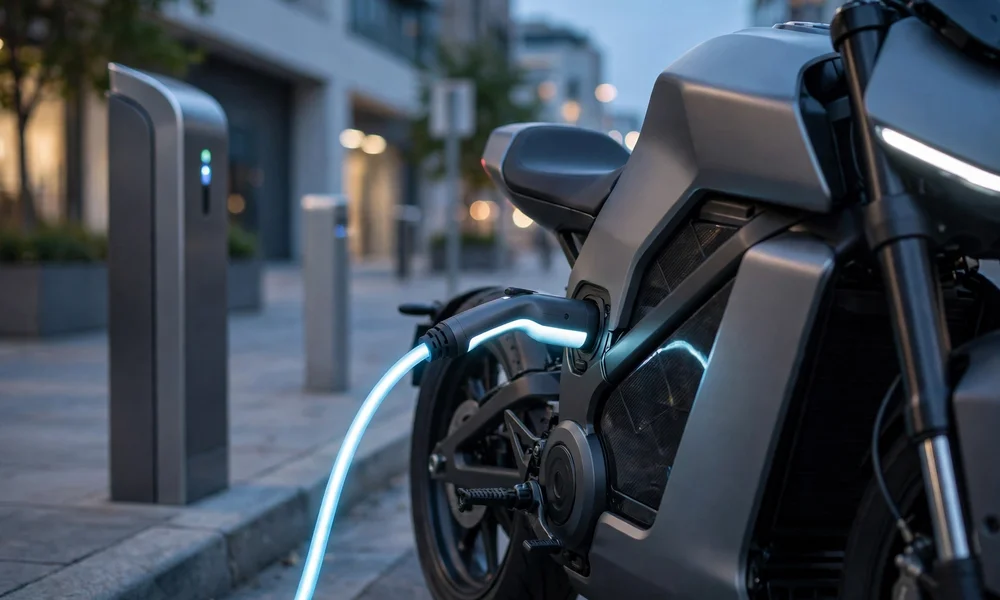
An electric motorcycle is far simpler. A battery stores energy, a motor turns it into motion, and a controller manages the power. There is no clutch, no gearbox and usually no gears at all. Twist the grip to accelerate; release it and the motor slows the bike, feeding energy back into the battery. It is quieter, smoother and much easier to learn.
The Electric Powertrain
The heart of an electric motorcycle is its battery, usually a lithium-ion pack mounted low in the frame where the engine would sit. That low placement helps stability, and the motor produces full torque from zero revs, which is why electric bikes feel so urgent off the line. There is no waiting for revs to build and no gear changes to interrupt the pull.
Software manages power delivery, so riding modes can change the bike completely. Eco mode softens the throttle and extends range, while sport mode unlocks full power instantly. Regenerative braking recovers energy when you roll off the throttle. For new riders, this simplicity is a real advantage: less to think about, more attention on the road.
The Petrol Powertrain
A petrol engine is a more complex machine, with pistons, valves, a fuel system, an exhaust and a cooling system working together. That complexity is part of its charm: the engine has a personality that changes with revs, the exhaust note rises and falls with the throttle, and the gearbox gives a direct mechanical connection to the machine. Many riders call a well-timed gear change one of the great pleasures of riding.
Modern petrol bikes are far cleaner and more efficient than their predecessors. Fuel injection and ride-by-wire throttles have improved economy and cut emissions, while quickshifters have made gear changes smoother than ever. Decades of development have produced a machine that feels refined, predictable and satisfying to ride.
Performance and the Riding Feel
The performance gap has closed dramatically. A good electric motorcycle can reach sixty miles per hour in around three seconds, matching or beating most petrol bikes in its class. The difference is in how that speed arrives: electric power is instant and seamless, with no gaps between gears and no vibration. It feels almost effortless.
Petrol bikes deliver speed differently. Power builds as revs rise, the engine note climbs, and each gear change brings a small surge. It is a more involving experience, and for many riders that involvement is the whole point. A petrol bike asks more of its rider and gives a richer sense of connection in return.
Acceleration and Top Speed
In city riding, electric bikes have the edge. Instant torque means they pull away from traffic lights faster than almost anything else on the road, and overtaking at urban speeds needs only a twist of the wrist. At higher speeds, petrol bikes often pull ahead, with higher top speeds and strong acceleration well into triple-digit territory where some electric models begin to fade.
For everyday riding, the electric advantage is real. For high-speed motorway work or track riding, petrol still holds the crown. The gap narrows every year, but in 2026 the fastest electrics are still chasing the fastest petrol machines at the very top end.

Range, Refuelling and Charging
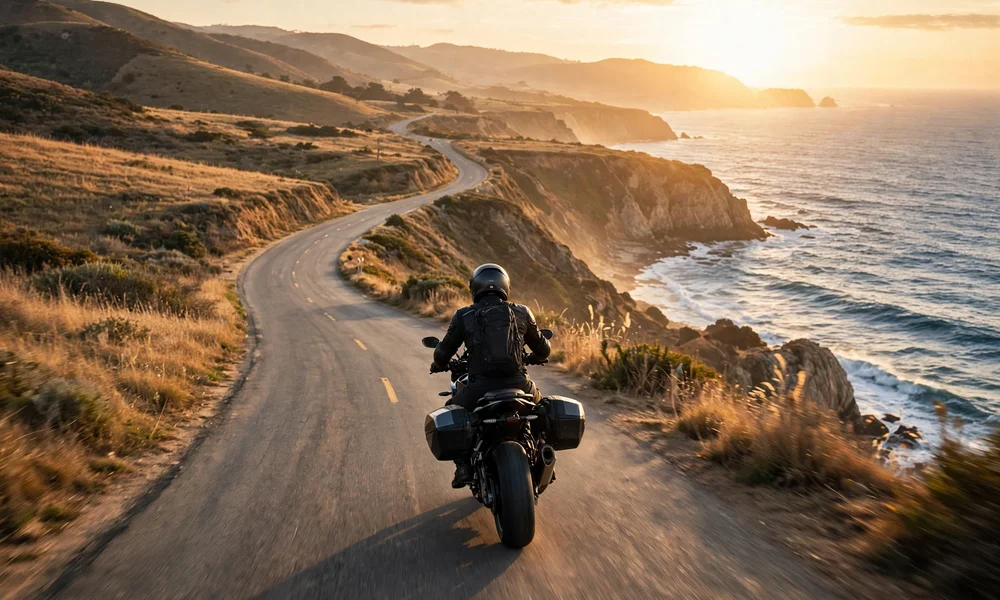
Range is where the two technologies diverge most sharply. A typical petrol motorcycle covers 150 to 250 miles on a tank, and refuelling takes about five minutes at any station. That freedom is hard to overstate: you can ride all day and stop for fuel anywhere, never planning your route around energy.
Electric motorcycles in 2026 typically offer 80 to 150 miles of real-world range, with the best models passing 200 miles in gentle riding. That is plenty for commuting and weekend rides, but longer trips need planning: you must know where the chargers are and how long a stop takes. In cities this is rarely a problem; in remote areas it can be a real limitation.
Charging is a different experience. At home, you plug in overnight and wake up to a full battery, removing the weekly petrol station visit entirely. On the road, fast charging can add useful range in 30 to 45 minutes, but that is still far slower than filling a tank. For commuters who charge at home, the electric routine is actually easier, and the best electric bikes of 2026 make home charging simpler than ever with standard plugs and clear range displays.
Running Costs in 2026
Cost is where electric motorcycles make their strongest case. Electricity is far cheaper per mile than petrol, and the gap grows with every mile you ride. A commuter covering 8,000 miles a year can save hundreds on fuel alone. Insurance can be higher for some electric models, but the fuel saving usually outweighs it.
The purchase price tells a different story. Electric motorcycles still cost more upfront, because batteries are expensive and production volumes are lower. That gap is shrinking, but in 2026 a petrol bike remains the cheaper way to get on the road. Judge total cost over three to five years, where electric bikes often catch up and then pull ahead.
| Cost factor | Electric motorcycle | Petrol motorcycle |
|---|---|---|
| Fuel or energy per mile | Very low, roughly a third of petrol | Moderate, varies with fuel prices |
| Purchase price | Higher upfront, falling each year | Lower upfront, wide price range |
| Routine maintenance | Minimal, few moving parts | Regular servicing and consumables |
| Refuelling time | Hours at home, 30 to 45 minutes fast charging | About five minutes at any station |
| Typical real-world range | 80 to 200 miles per charge | 150 to 250 miles per tank |
Maintenance and Long-Term Ownership
Maintenance is the quiet advantage of electric motorcycles. With no engine oil, clutch, gearbox, exhaust or air filter, there is simply less to wear out and less to service. Tyres, brakes and suspension still need attention, and brake pads often last longer thanks to regenerative braking, but the annual service bill is typically a fraction of a petrol bike’s.
Petrol bikes need regular oil changes, valve checks, chain maintenance and filter replacements. None of this is difficult, but it adds up in money and time. On the other hand, petrol bikes are easier to repair anywhere, parts are widely available, and a well-kept one can last for decades. Electric bikes are newer, so long-term battery life is still being proven, though most manufacturers now offer strong battery warranties.
Sound, Character and the Emotional Side
Motorcycling has never been purely rational, and this is where petrol bikes make their most passionate case. The sound of a combustion engine, the vibration through the bars and the ritual of warming the engine on a cold morning are part of why people ride. An electric motorcycle is almost silent by comparison, and some riders find that silence eerie rather than peaceful.
Other riders love the quiet: hearing the wind and the tyres, arriving home without waking the street, and riding without disturbing the countryside. The silence also makes long days feel calmer and less tiring. If the sound and feel of a petrol engine is central to your love of riding, no logic will make an electric bike feel right. If you value smoothness and simplicity, electric may feel like an upgrade. Whatever you choose, the best motorcycle helmets for 2026 will make either ride quieter, safer and more comfortable.
Who Should Buy Which?
The best bike depends on your riding life. A commuter who rides 20 miles a day, can charge at home and wants the lowest running costs will be happiest on an electric motorcycle. Instant torque, no gears and near-zero maintenance make daily riding effortless, and the range is more than enough.
A tourer who rides long distances and explores remote roads will still be happiest on petrol, as will a rider on a tight budget, a rider who loves the mechanical character of an engine, or anyone who keeps a bike for decades. If you are new to riding, read about the worst motorcycles for beginners to buy before you commit, because the wrong first bike can put you off riding altogether.
Quick Decision Checklist
- Daily ride under 60 miles with home charging: electric is the easy winner.
- Regularly ride more than 150 miles a day: petrol makes touring simpler.
- Low running costs matter more than the lowest price: electric wins over three to five years.
- You love gears, engine sound and character: petrol is the emotional choice.
- You want the simplest ownership with minimal servicing: electric is hard to beat.
- You ride in remote areas with few chargers: petrol gives you freedom electric cannot match.
Frequently Asked Questions
Are electric motorcycles faster than petrol motorcycles?
Electric motorcycles are usually quicker off the line thanks to instant torque, matching many petrol bikes to 60 miles per hour. At very high speeds, petrol bikes generally have higher top speeds.
How far can an electric motorcycle go on one charge?
Most offer 80 to 150 miles of real-world range, with the best exceeding 200 miles in gentle riding. Range drops at motorway speeds and in cold weather.
How long does it take to charge an electric motorcycle?
Home charging takes several hours, while a fast charger adds useful range in 30 to 45 minutes. Most owners charge overnight.
Are electric motorcycles cheaper to run than petrol bikes?
Yes. Electricity costs far less per mile than petrol, and maintenance is cheaper with fewer moving parts and no oil changes or clutch work.
Do electric motorcycles need less maintenance?
Yes. With no engine oil, gearbox, clutch or exhaust, routine servicing is minimal, though tyres, brakes and suspension still need attention.
Will petrol motorcycles disappear?
Not soon. Petrol bikes still lead on range, refuelling speed, choice and price, and millions of riders love them. Electric models are growing fast, but petrol will remain a big part of riding.
The bottom line: In 2026, electric motorcycles ride better for daily commuting and short trips, with instant power, lower costs and effortless simplicity. Petrol motorcycles still ride better for long tours, remote roads and riders who love the sound and feel of an engine. Choose the one that matches how you actually ride.


