Garmin and Fitbit are the two names almost everyone shortlists when they buy a smartwatch for health and fitness, and they come from very different places. Garmin built its name on GPS devices for runners, cyclists and outdoor athletes, and its watches still feel like serious training tools first and smartwatches second. Fitbit built its name on simple step counting and sleep tracking for everyday people, and its watches still feel like friendly health companions first and training tools second. Both approaches work, but they work for different people.
This guide compares Garmin and Fitbit smartwatches head to head in 2026, across the things that actually matter day to day: GPS accuracy, battery life, heart rate and sleep tracking, training features, smart features, app quality and price. We wore watches from both brands for running, gym sessions, swimming, sleep and ordinary everyday life, and we judged them on what they got right and where each one falls short. The winner depends on what you do with your watch, and this comparison will help you work out which side you are on.
Key Takeaways
- Garmin wins on GPS accuracy, battery life and serious training data, with watches that last one to two weeks between charges.
- Fitbit wins on simplicity, price and everyday health tracking, with a friendlier app and a watch that is easier to live with.
- Heart rate tracking is good on both brands at rest, but Garmin holds up better during hard intervals and fast changes in effort.
- Sleep tracking is strong on both, yet Fitbit presents the results in a clearer way that most people find easier to act on.
- Garmin watches cost more and feel more technical, while Fitbit watches cost less and feel more like a natural part of daily life.
How We Judged the Two Brands
Every watch in this comparison was worn for at least two weeks of real use. We ran the same routes with both brands on opposite wrists to compare GPS tracks and heart rate readings, wore them overnight to compare sleep stages and morning recovery scores, swam with them in a pool, used them for gym sessions and strength training, and lived with them as everyday watches for calls, notifications, alarms and step counting. We also charged them, updated them, and used their apps daily, because a watch you fight with is a watch you stop wearing.
We judged each brand on accuracy first, then on battery life, comfort, ease of use and value for money. A watch earned praise when its numbers matched what we knew to be true: the distance we ran, the sleep we got, the effort we put in. A watch lost points when its GPS wandered, its battery died mid-weekend, its app buried useful information or its price bought features its owner would never use.
The Two Brands in Brief
Garmin watches are built for athletes. They are chunkier, tougher and more button-driven, with long battery life, detailed training metrics like training load and recovery time, and maps and navigation on the higher-end models. They look and feel like outdoor tools, and their owners tend to be runners, triathletes, hikers and cyclists who train several times a week and want every session measured properly.
Fitbit watches are built for everyone else. They are slimmer, lighter and more touchscreen-led, with bright displays, simple health dashboards and a strong focus on steps, sleep, stress and everyday activity. They look and feel like modern smartwatches, and their owners tend to be people who want to move more, sleep better and understand their health without learning a new hobby to do it. Neither approach is wrong; they simply aim at different lives.
The Best Side: What Garmin Does Brilliantly
Garmin is at its best when the training gets serious. Its GPS is the most accurate we tested, holding a steady line through tree cover, city streets and winding trails where other watches wandered off the path. Its battery life is in a different league, with most models lasting one to two weeks and the best lasting three, which means you can train, sleep and travel without ever thinking about a charger. For anyone who runs, rides or hikes regularly, those two things alone justify the price.
Training Data That Serious Athletes Actually Use
Garmin turns every workout into useful advice. It tracks training load, recovery time, VO2 max estimates, race predictions and daily readiness scores, and it does it well enough that coaches and experienced athletes trust the numbers. The watch tells you when to push, when to rest and when you are overdoing it, and over a season that guidance genuinely makes you fitter. Fitbit offers some of this, but Garmin goes deeper, with more metrics, longer history and better ways to compare one month of training with the next.
Built Tough for the Outdoors
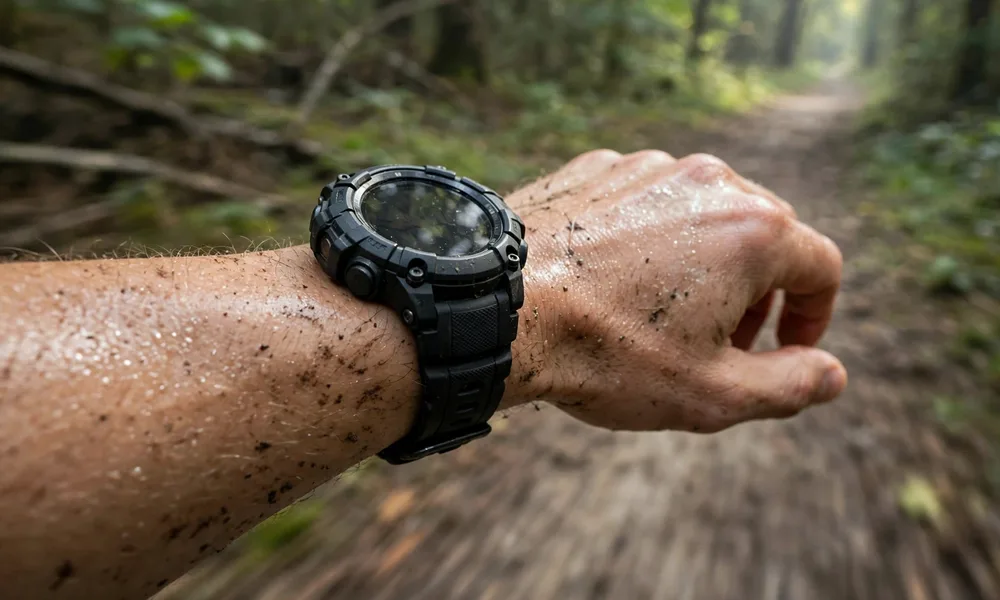
Garmin watches are built to be knocked about. They survive mud, rain, pool swims, open water and freezing mornings without complaint, and their buttons work with gloves and wet hands where a touchscreen gives up. The screens are readable in bright sunlight, and the higher-end models carry proper maps and breadcrumb navigation that can guide you home from a trail you have never walked before. If your watch is going to spend its life outdoors in bad weather, Garmin is the safer bet.
The Best Side: What Fitbit Does Brilliantly
Fitbit is at its best in everyday life. Its watches are light and comfortable enough to wear all day and all night without noticing them, and its app turns health data into plain language that anyone can understand. It does not ask you to learn training theory; it tells you that you slept badly, that your resting heart rate is up, or that you have been sitting too long, and it suggests something simple to do about it. For most people, that is exactly what a health watch should do.
Everyday Health Tracking That Makes Sense
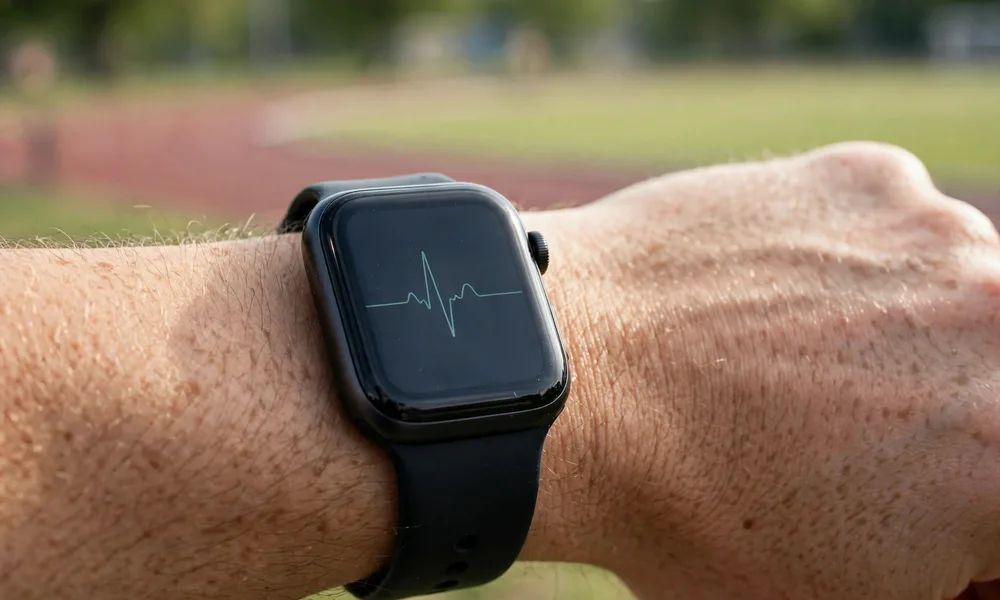
Fitbit tracks steps, sleep, heart rate, stress and activity with an accuracy that is more than good enough for daily life, and it presents the results in clean, friendly charts that take seconds to read. Its sleep tracking is among the best we tested, with clear sleep stages and a simple sleep score each morning, and its resting heart rate trends are genuinely useful for spotting when you are run down. The watch quietly nudges you to move, to breathe and to wind down at night, and those small nudges add up over months.
Simpler, Cheaper and Easier to Live With
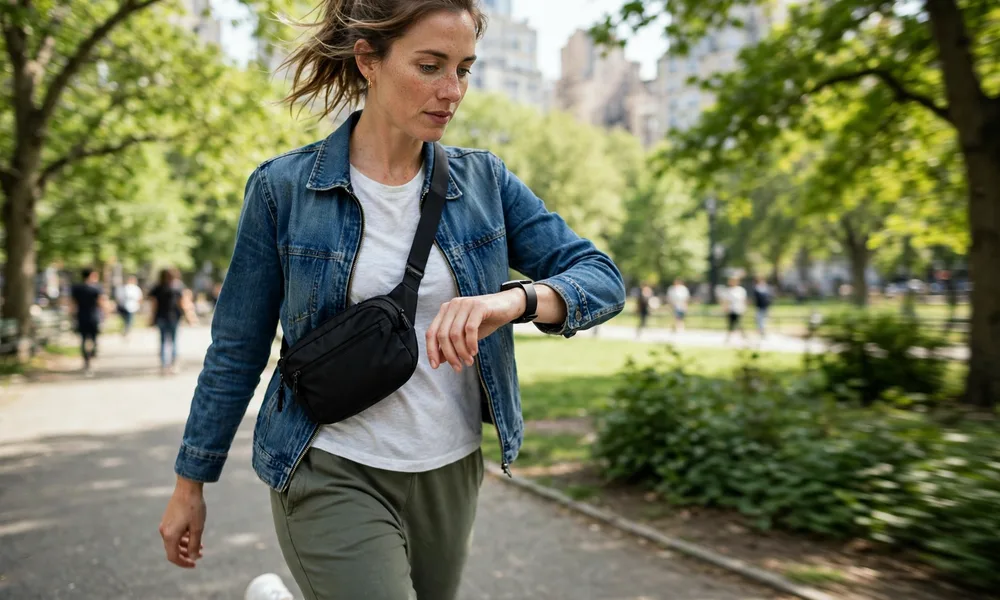
Fitbit watches cost less than most Garmins, and they feel simpler from the first day. Setup takes minutes, the touchscreen is intuitive, the watch faces are bright and cheerful, and the whole experience is designed for people who do not want to study a manual. They are also better smartwatches in the everyday sense, with clearer notifications, easier music control and a design that looks at home in an office as well as a gym. If you want a watch that just works without fuss, Fitbit is hard to beat.
The Worst Side: Where Garmin Falls Short
Garmin is not perfect, and its weaknesses matter if you are not a serious athlete. Its watches are expensive, with the best models costing several times more than a Fitbit, and its app can feel like a cockpit full of dials: powerful, but overwhelming for anyone who just wants to know how they slept. The design is chunky and technical, which suits a trail but can look out of place at work or at dinner, and some models still rely heavily on buttons in a world that expects touchscreens.
Garmin also lags on the everyday smartwatch side. Its notifications are clunkier, its voice assistant options are thinner, and its app store is smaller than the mainstream alternatives. If you buy a Garmin and then never run, never cycle and never hike, you have paid a lot of money for features you will never open, and you will be carrying a big, technical watch that does the simple things less smoothly than a cheaper one.
The Worst Side: Where Fitbit Falls Short
Fitbit is not perfect either, and its weaknesses show up the moment training gets serious. Its GPS is less accurate than Garmin, especially in forests and cities, and its battery life is shorter, with most models needing a charge every few days rather than every week or two. Its training features are thinner too: fewer metrics, less depth in the analysis, and no real equivalent of Garmin’s training load and recovery guidance. A keen runner who switches to Fitbit will notice the gap within a week.
Fitbit also asks you to pay for the full experience. Some of its most useful health insights sit behind a subscription, which adds a monthly cost on top of the watch itself, and that stings when you have already paid for the hardware. The build is lighter and less rugged as well, so a Fitbit is more likely to feel out of its depth on a muddy trail or a long mountain day. If your watch needs to survive serious outdoor use, Fitbit is the weaker choice.
Head to Head: GPS, Battery, Health and Price
On GPS accuracy, Garmin wins clearly. Its dual-band GPS holds a true line through tree cover and between tall buildings, while Fitbit drifts more and occasionally cuts corners off a route. On battery life, Garmin wins again, lasting one to two weeks against Fitbit’s four to six days, which matters most on trips and training weekends. On heart rate accuracy at rest, the two are close, but during hard intervals Garmin holds its reading better while Fitbit lags behind the effort.
On sleep and everyday health, Fitbit fights back and often wins on presentation, turning the same data into a clearer morning summary. On smart features and ease of use, Fitbit is the friendlier watch, while Garmin is the more powerful one. On price, Fitbit wins easily, with good watches at half the cost of a comparable Garmin. The honest score is three wins each, which is why the choice comes down to how you actually live, not which brand is better in the abstract.
Who Each Watch Is For
Garmin is for people who train with purpose: runners chasing a personal best, triathletes juggling three sports, hikers and cyclists who spend long days outdoors, and anyone who wants deep training data and a battery that lasts for weeks. If you already own a chest strap and a training plan, Garmin will feel like it was built for you, because it was.
Fitbit is for people who want to be healthier without becoming athletes: walkers, gym-goers, sleep improvers and anyone who wants a friendly watch that tracks steps, sleep and stress without fuss. If your idea of a good day is ten thousand steps, a good night’s sleep and a watch you forget you are wearing, Fitbit is the better fit. It is also the better choice if your budget is tight and you would rather spend the difference on the running shoes themselves.
The Verdict
Our verdict is that Garmin wins on GPS accuracy, battery life and serious training data, while Fitbit wins on simplicity, price and everyday health tracking; the best watch is the one that matches your life. If you train hard and often, buy the Garmin and never look back. If you want a friendly health companion for everyday life, buy the Fitbit and enjoy the money you saved. Before you decide, compare the wider field in our guides to the best smartwatches 2026, the best fitness trackers 2026 and the worst smartwatches 2026.