When the sun stays up late and dinner moves outside, the question of red vs rosé wine for summer comes up at almost every table. Both pair beautifully with warm-weather food, yet they behave very differently once the temperature climbs.
Red wine brings depth, structure and bold flavour. Rosé brings lightness, chill and refreshment. The best choice depends less on which wine is better in general and more on the heat, the food and the occasion.
This guide compares the two head to head: how they are made, how heat changes them, what they pair with, and how to serve each one.
Key takeaways
- Rosé wins on hot afternoons and at picnics, served cold, light and refreshing, while red suits cooler summer evenings and grilled food.
- Temperature matters most: serve rosé at 8 to 10 degrees, and chill red lightly to 15 to 17 degrees in summer.
- Red pairs best with grilled red meat, burgers and smoky barbecue; rosé shines with salads, seafood, grilled chicken and fresh fruit.
- Light reds such as Pinot Noir and Gamay are the best compromise when you want red flavour without the heaviness.
- Buy for the occasion: a barbecue, a picnic and a garden dinner each call for a different bottle.

What Makes a Wine a Summer Wine
A summer wine is not a formal category. It is a practical one. The wines people reach for in warm weather taste good cold or cool, feel light on the palate, refresh rather than weigh you down, and pair with summer food. High alcohol and heavy tannin work against all of that.
Rosé fits naturally. It is made from red grapes, but the juice spends only a short time on the skins, so it picks up colour without the tannin and weight of a red. The result is crisp, fruity and best served well chilled.
Red wine gets its tannin, colour and body from long skin contact. Those qualities shine beside a hearty meal, but tannin can taste bitter when the wine is warm, and higher alcohol feels heavier in the heat. Red is not ruled out for summer. It needs the right style, temperature and moment.
How Heat Changes the Way Wine Tastes
Heat lifts alcohol aromas out of the glass and dulls fruit. A red served at 24 degrees can smell hot and taste flat, while the same bottle at 16 degrees tastes fresh and focused. Serve rosé too warm and it loses its crisp edge. Temperature is the biggest factor here, and the easiest to control.
Red Wine in Summer: The Case For It
Red wine earns its place in summer for one reason above all: food. Summer cooking is often smoky, charred and bold, and that is exactly the food red wine was made for. A grilled steak, a flame-kissed burger or a rack of ribs needs a wine with enough body and tannin to stand up to char and fat.
Red also suits the rhythm of a summer evening. As the sun drops and the air cools, a glass of red feels right in a way it rarely does at two in the afternoon. Evening barbecues and garden dinners are natural red wine territory.
The trick is choosing the right red. Heavy, high-alcohol reds can feel exhausting in warm weather. Lighter reds are a different story: Pinot Noir, Gamay and Grenache offer red fruit and gentle tannin that work beautifully in summer, especially with a light chill.
When Red Wine Works Best in Summer
Red is at its best after six in the evening, beside grilled or roasted food, and on days below about 28 degrees. It also works well at indoor summer dinners with air conditioning. If the meal is the main event, red is often the stronger choice.
The Heat Problem Red Drinkers Should Know
The main risk is serving red too warm. Many people store it at room temperature, which in summer can mean 26 degrees or more, and at that point even a good bottle tastes soupy. The fix is simple: put the bottle in the fridge for twenty to thirty minutes before serving.
Rosé Wine in Summer: The Case For It
Rosé is the default summer wine for a reason. It is light, cold, fruity and easy to enjoy, and it suits the way most people spend summer days: outdoors, in the sun, grazing rather than sitting down to a formal meal. A cold glass at a picnic or beside a pool feels effortless.
Rosé is also the most flexible wine at a mixed table. Summer gatherings often mix salads, grilled vegetables, chicken, seafood and cheese on one spread, and no single red can match all of that. Rosé bridges the gap with acidity, fruit and a light body that never fights the food.
There is a wide range within rosé. Pale, dry rosé from Provence is crisp and delicate, while deeper pink rosé from Spain or Italy can be fruitier and fuller. Both work in summer.
Why Rosé Feels Made for Summer
Rosé is built for warm weather. It is fermented and served like a white wine, so it keeps its acidity and freshness, but it carries a hint of red fruit that makes it feel more substantial than a white. Served at 8 to 10 degrees, it is one of the most refreshing drinks you can pour.
Where Rosé Falls Short
Rosé has limits. It rarely has the structure for rich, smoky or heavily spiced food, and a very light rosé can disappear beside a charred steak. It also does not reward ageing or deep contemplation. If you want complexity and depth, a good red does more.
Red vs Rosé: Side-by-Side Comparison
The table below sums up the main differences. Read it as a guide to matching the wine to the moment, not a scorecard with one champion.
| Factor | Red Wine | Rosé Wine |
|---|---|---|
| Serving temperature | 15 to 17 degrees, lightly chilled | 8 to 10 degrees, well chilled |
| Body and weight | Medium to full, with tannin | Light to medium, crisp and fresh |
| Best summer food | Grilled red meat, burgers, barbecue | Salads, seafood, chicken, soft cheese |
| Best time of day | Evening, as the air cools | Afternoon, in the heat of the day |
| Alcohol level | Often 13 to 15 percent | Usually 11 to 13 percent |
| Versatility | Strong with one main dish | Strong across many dishes |
Food Pairings: What Each Wine Loves
Food is where the choice becomes clear. Red loves char, fat and intensity: a grilled steak, a lamb chop or a burger with melted cheese gives tannin something to work with, and the wine tastes smoother for it. For a deeper guide to matching red with a grilled main course, see our comparison of red vs white wine with steak.
Rosé loves freshness, salt and acidity: grilled prawns with lemon, tomato and mozzarella salad, sushi, grilled chicken with herbs, or a board of soft cheese and fruit. At a picnic, rosé is almost always the safer pairing.
There is a middle ground. Light reds served chilled pair well with grilled salmon, tuna steaks and charcuterie. If you love red but the menu leans light, a chilled Pinot Noir or Gamay bridges the gap.
Serving, Temperature and Glassware
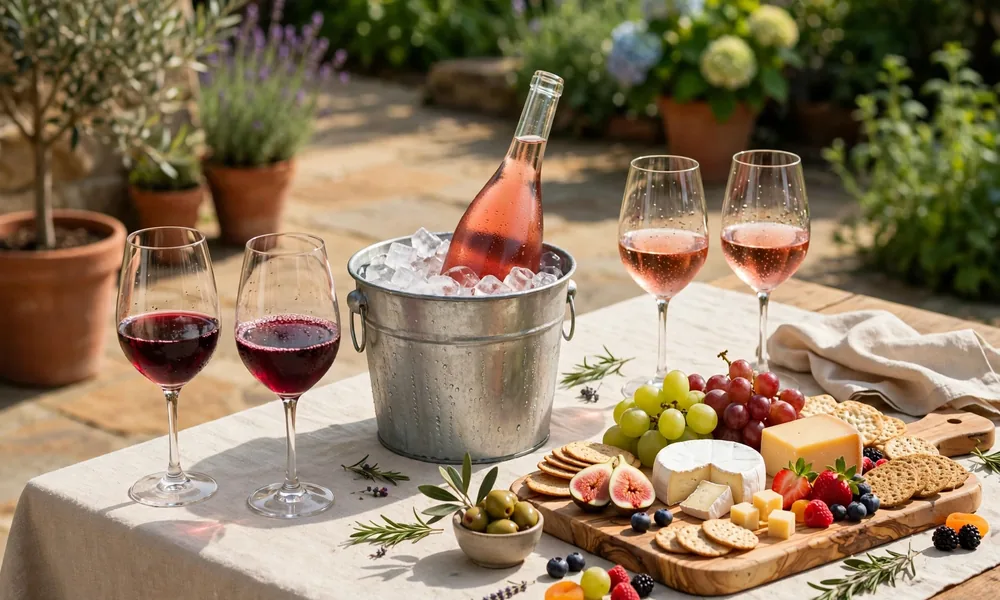
Serving makes more difference in summer than the bottle you choose. Rosé should live in the fridge and go into an ice bucket once open, because it warms fast in the sun and loses its charm above 12 degrees. Keep the bottle shaded, pour smaller glasses, and top up often.
Red needs the opposite treatment. Most red is served too warm in summer, so give it twenty to thirty minutes in the fridge before pouring. Lighter reds can be chilled further, to around 13 or 14 degrees, where the fruit pops and the tannin feels softer.
Glassware matters too. Rosé shows best in a slightly narrower bowl that keeps it cool; red needs a larger bowl so it can breathe. Our guide to the best wine glasses for home in 2026 covers the shapes that suit red, rosé and white alike.
How to Chill Wine Properly
The fastest way to chill a bottle is an ice bucket with water, ice and a handful of salt, which works in about twenty minutes. The fridge takes longer: one to two hours for rosé, about half an hour for a light chill on red. Avoid the freezer, and never leave a bottle there for more than twenty minutes.
Summer Occasions: Which Wine Wins Where
At a beach picnic or a park lunch, rosé wins easily. It is light, cold and forgiving, and it travels well in a cooler. At a garden party with a mixed buffet, rosé wins again for versatility, though a chilled light red makes a good second bottle.
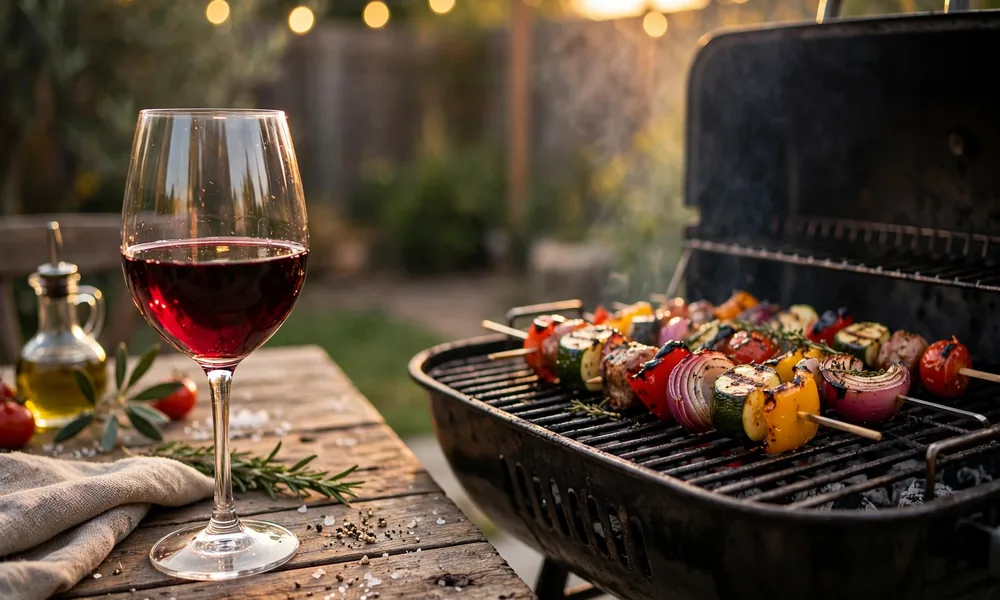
At an evening barbecue, the balance tips. Once the grill is lit and the meat is the star, red takes over: a medium-bodied red handles smoke and char better than any rosé, and as the evening cools the wine feels more at home. For a barbecue that runs afternoon into night, pour rosé first and red later.
Date nights deserve a thought of their own. Rosé feels relaxed and playful, while red feels a little more serious and romantic. Both can work, and the choice often comes down to the menu and the mood. Our look at wine vs cocktails for date night can help you decide what to pour.
Checklist: Picking Your Summer Wine
- Check the temperature: above 28 degrees in the afternoon, reach for rosé; in the evening, red is fair game.
- Match the wine to the dish: grilled red meat calls for red, salads and seafood call for rosé.
- Chill rosé to 8 to 10 degrees; give red twenty to thirty minutes in the fridge before serving.
- Choose a light red such as Pinot Noir or Gamay when you want red flavour without the heaviness.
- Bring both when hosting: rosé for the afternoon and red for the evening covers every guest and course.
- Buy dry rosé for food and refreshment; save sweet rosé for dessert or guests who prefer a softer style.
Frequently Asked Questions
Can you chill red wine in summer?
Yes, and you should. Twenty to thirty minutes in the fridge brings red to 15 to 17 degrees, where it tastes fresher and more focused. Lighter reds can be chilled to around 13 or 14 degrees.
Is rosé better than red wine for summer?
Rosé is better for hot afternoons, picnics and light food, because it is served cold and feels refreshing. Red is better for evening barbecues, grilled meat and cooler nights. Neither is better overall.
What is the best red wine for summer?
Light, fruity reds with moderate alcohol are the best summer reds. Pinot Noir, Gamay and Grenache are the classic picks. Look for wines under 13.5 percent alcohol.
What food goes best with rosé in summer?
Rosé pairs best with grilled prawns, salads, sushi, grilled chicken, soft cheese and fresh fruit. Its acidity makes it one of the most food-friendly summer wines.
How long does an open bottle of rosé last?
An open bottle of rosé kept in the fridge with the cork back in stays fresh for two to three days, though it is best on the first day. Red lasts a little longer, usually three to five days.
Should you serve rosé with ice?
It is better not to. Ice dilutes the wine as it melts and dulls the flavour. Chill the bottle properly, keep it in an ice bucket, and pour smaller glasses so it stays cold.
The Bottom Line
Red vs rosé wine for summer is not a contest with one winner. Rosé owns the hot afternoon, the picnic and the light lunch, while red owns the evening barbecue and the slow dinner after dark. Buy for the occasion and chill both properly. Do that, and every summer table will have the right bottle on it.