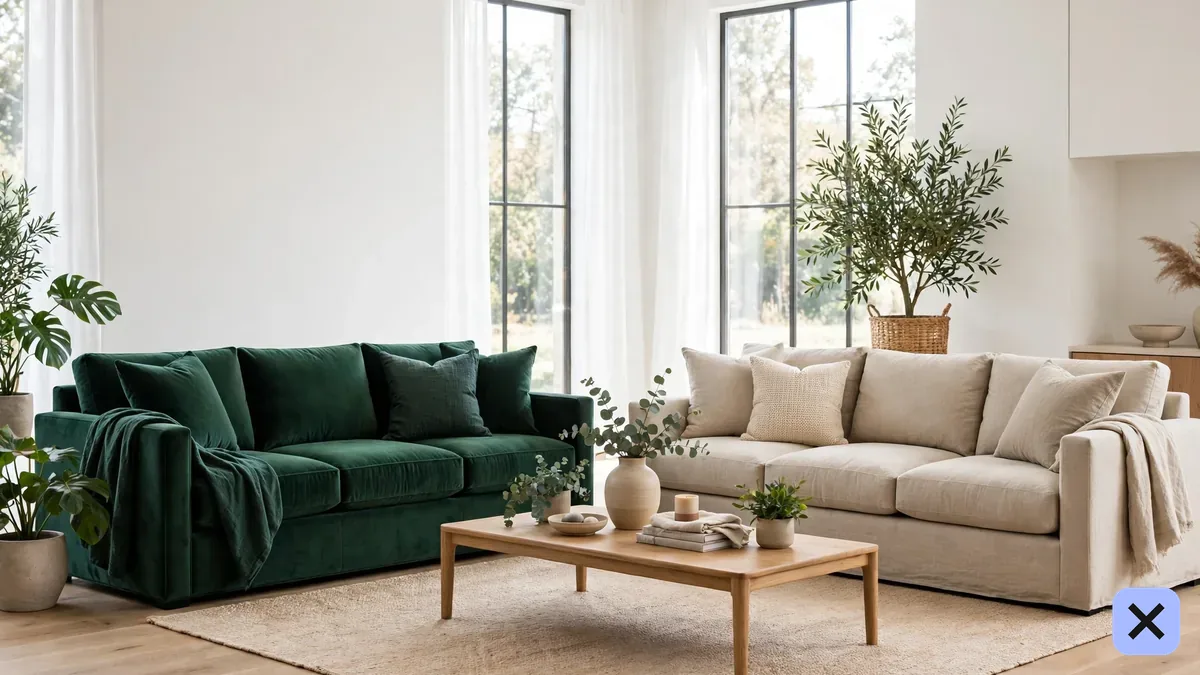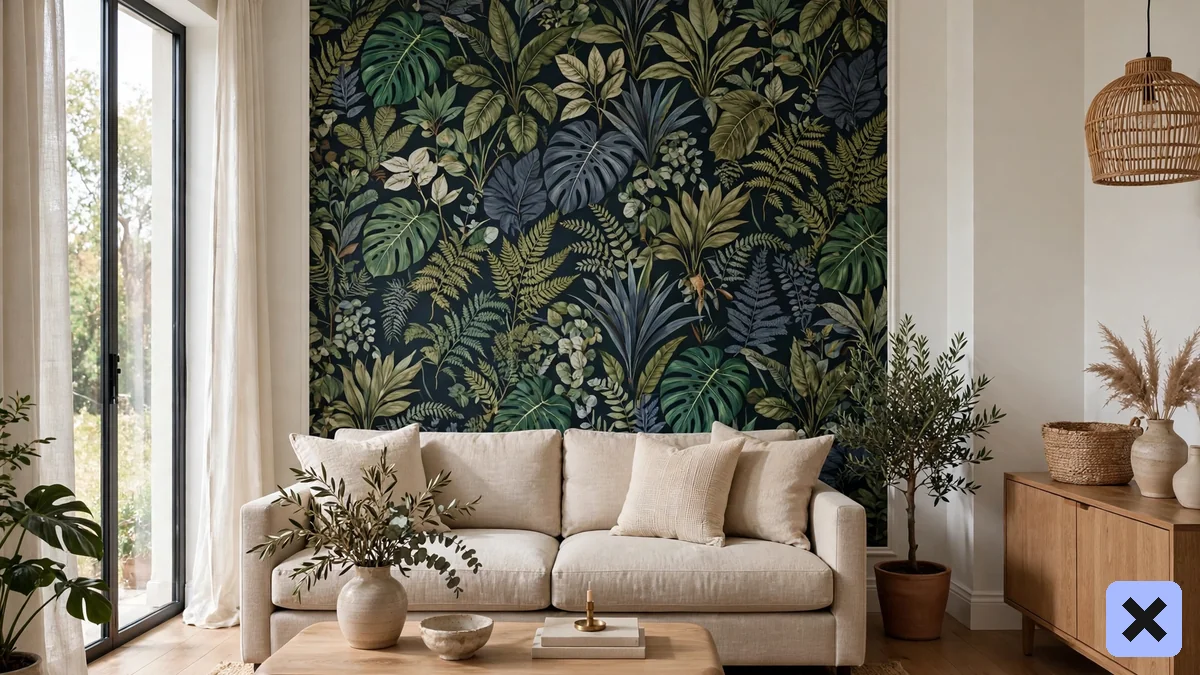
A feature wall is the fastest way to give a room a personality, and the choice between wallpaper vs paint for feature walls is where most decorating plans either come together or quietly fall apart. One wall carries the whole look, so the finish you choose sets the mood every time you walk in. Get it right and the space feels considered and complete.
The debate is not really about which finish is better in general. Wallpaper and paint do different jobs, and they suit different rooms, budgets and temperaments. Wallpaper brings pattern, texture and instant drama that paint can rarely match, while paint brings clean colour, easy changes and a forgiving price tag. The right answer depends on your room, how long you want the look to last and how much effort you are willing to spend.
This guide compares wallpaper vs paint feature walls head to head, from cost and durability to installation, upkeep and style, so you will know exactly which finish fits your living room, bedroom or hallway.
Key takeaways
- Wallpaper wins on pattern, texture and drama, while paint wins on price, flexibility and easy repairs.
- A painted feature wall costs far less and takes a day, while wallpaper costs more and needs careful, slower installation.
- Wallpaper lasts longer when it is installed well, but paint is far easier to refresh or change.
- Busy patterns suit large, calm rooms, while bold paint colours work best on one well-chosen wall.
- The best finish is the one that suits your room, your light and how long you plan to keep it.
What a Feature Wall Actually Does
A feature wall is a single wall treated differently from the rest of the room. It draws the eye, anchors the furniture and gives the space a clear focal point: behind the sofa or television in a living room, behind the headboard in a bedroom, or framing the table in a dining room.
The reason one wall works better than four is balance. A bold pattern or deep colour on every wall can close a room in and tire the eye, while on one wall the same finish becomes a statement instead of a blanket.
Choosing the Right Wall
Pick the wall you naturally look at when you enter the room. It should be mostly uninterrupted, without too many doors, windows or awkward angles. A wall with a fireplace, a bed or a sofa against it is usually the right candidate, while walls broken up by radiators or several doorways make poor feature walls, because the finish gets chopped into fragments.
Light matters just as much as layout. A north-facing wall makes colours look cooler and darker, while a sunny wall warms them up and shows every flaw. Test your finish in the room’s real light, morning and evening, before you commit.
Wallpaper: The Case for Pattern and Texture
Wallpaper is the best choice when you want a feature wall with real character. No paint can reproduce the depth of a printed botanical, the quiet luxury of grasscloth or the geometric punch of a bold mural. Wallpaper adds layers flat colour cannot, and it can make a plain room feel designed rather than decorated.
Pattern, Depth and Instant Impact
The biggest strength of wallpaper is pattern. A large-scale print can make a small room feel deliberate instead of cramped, and a subtle texture can add warmth to a room paint leaves feeling flat. Wallpaper also hides minor wall imperfections better than paint, a genuine advantage in older homes where walls are rarely perfectly smooth.
Pattern needs scale to work. Small, busy prints can look restless on a large wall, while oversized motifs need room to breathe. Order samples, pin them up and live with them for a few days before you decide.
Texture You Can Feel
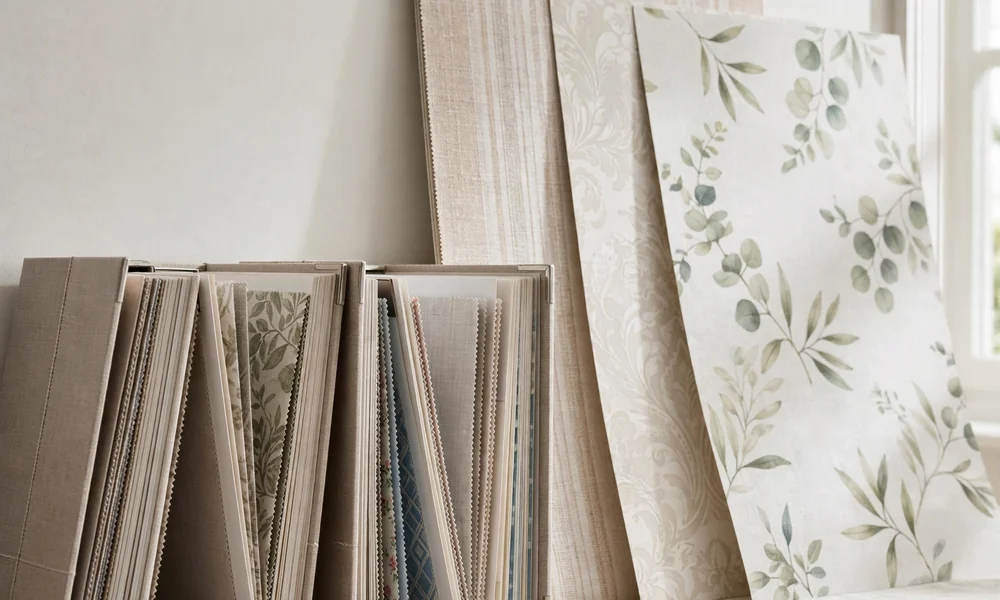
Textured wallpaper adds a physical quality paint cannot match. Grasscloth brings natural, woven warmth, embossed papers catch the light through the day, and even a linen-effect paper makes a wall feel considered.
The Downsides of Wallpaper
Wallpaper costs more, takes longer and is harder to change. One feature wall needs several rolls plus paste, tools and time, and professional hanging adds a meaningful cost on top. Mistakes are expensive, since a misaligned drop wastes a whole strip, and removal can take hours and may damage the plaster beneath.
Choosing the wrong pattern is the most common mistake, and the worst wallpaper choices for rooms show how quickly a bold print can date a space or fight with the furniture. Stick to patterns you genuinely love rather than trends you admire in photographs, and avoid anything that clashes with the fixed elements of your room, such as flooring, fireplaces and large pieces of furniture.
Paint: The Case for Colour and Control
Paint is the best choice when you want bold colour without commitment. A tin of paint, a roller and a free afternoon can transform a wall completely, and if the result is wrong, another tin fixes it the following weekend. Paint lets you experiment, correct mistakes cheaply and follow your taste as it changes.
Paint also suits more rooms. It handles humidity better in the right finish, cleans easily in high-traffic areas and works on walls too uneven for paper. For renters, families with young children and frequent redecorators, it is usually the smarter starting point.
Colour Without the Commitment
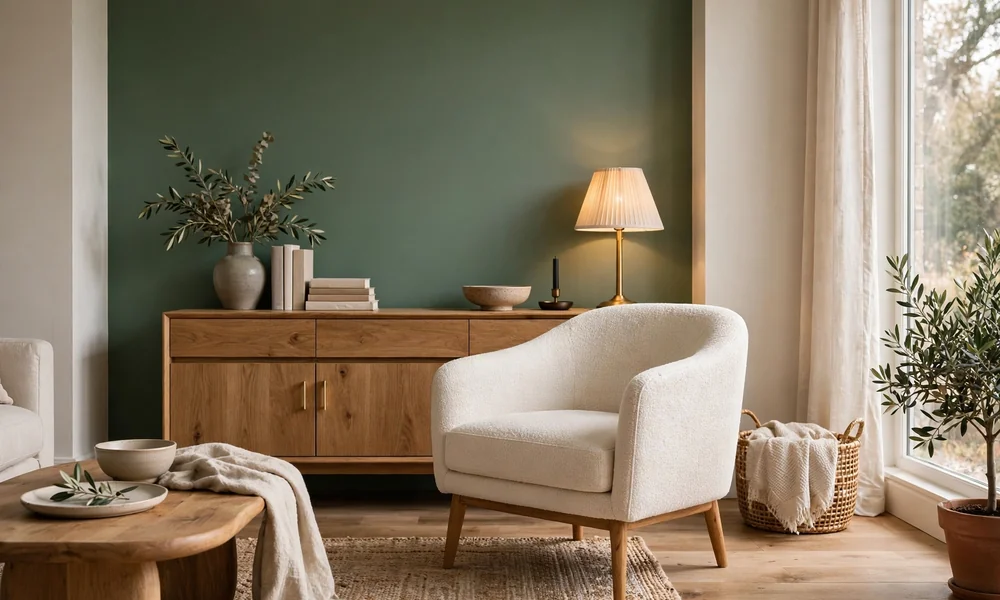
The range of paint colour is effectively endless, and paint shops can match almost any shade. Deep greens, inky blues and warm terracottas all create drama for a fraction of the cost of wallpaper.
Colour choice still needs care. Dark colours can make a small room feel smaller, and very bright colours can dominate everything else. The worst paint colours for small rooms are a useful warning about shades that shrink a space or clash with natural light. Test large swatches on the wall itself, not on a small card, and check them in daylight and lamplight before you buy the full tin.
Easy to Change, Easy to Repair
Paint wins every contest about maintenance. A scuffed wall can be touched up in minutes, and a whole wall repainted in a day. Wallpaper repairs are fiddlier, often visible, and sometimes need a full strip replaced. If your feature wall sits behind a sofa or in a hallway that takes daily knocks, that ease of repair matters.
The Limits of Paint
Paint cannot create pattern or texture the way wallpaper can. Colour blocking, stripes and limewash add interest, but they still sit flat. Paint also shows wall flaws mercilessly: dents, cracks and uneven plaster all become more visible under bold colour, so filling, sanding and priming matter. Skipping preparation is the fastest way to a disappointing result.
Wallpaper vs Paint: Head-to-Head Comparison
The table below sums up the comparison at a glance. Use it to weigh the factors that matter most for your room.
| Factor | Wallpaper | Paint |
|---|---|---|
| Visual impact | Pattern, texture and depth | Clean, bold colour |
| Cost per feature wall | Higher, plus hanging costs | Low, one or two tins |
| Installation time | Half a day to a full day | A few hours |
| Durability | Long lasting when installed well | Needs touch-ups over time |
| Easy to change | Slow and messy to remove | Repaint in a day |
| Best for | Statement living rooms and bedrooms | Rentals, families and frequent refreshes |
Cost, Time and Mess Compared
A painted feature wall is usually the cheapest option by a wide margin. A good tin of paint, a roller, brushes and tape will often cost less than a single roll of quality wallpaper. Wallpaper costs add up quickly, because you need several rolls to cover one wall and pattern matching wastes extra paper. Professional hanging can double the total, though confident decorators can hang a simple paper themselves with patience.
Time follows the same pattern. A painted wall can be finished in an afternoon, including drying time between coats, while wallpaper needs measuring, cutting, pasting and careful alignment, and a first attempt can easily take a full day. Paint means dust sheets and drips; wallpaper means paste, trimmings and a room out of use until the paper dries flat.
Which Rooms Suit Which Finish
Living rooms and main bedrooms are the natural home of wallpaper feature walls, where the wall is seen every day and a statement finish earns its keep. A bold print behind a sofa or textured paper behind a headboard can carry the whole design. Bathrooms and kitchens are harder territory, since steam and splashes punish most papers, though specialist vinyls can cope.
Paint suits hallways, home offices, children’s rooms and any space that needs regular refreshing or takes knocks, such as dining rooms and play areas. If you love changing your decor or are still finding your style, paint gives you that freedom without the cost of stripping paper every year. Be wary of chasing every new look, though, since the home design trends that date fast show how quickly a fashionable finish can start to look tired.
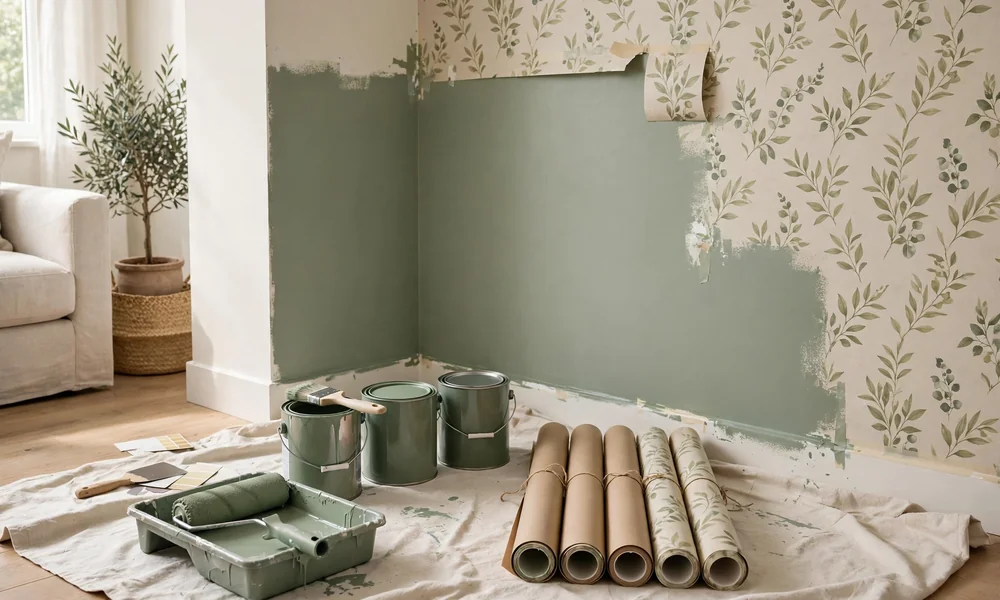
How to Choose: A Simple Checklist
Work through this checklist before you buy anything. It takes ten minutes and saves the most common mistakes.
- Pick the wall you look at most, with the fewest doors and interruptions.
- Test your finish in the room’s real light, morning and evening.
- Match the finish to the room’s use, including children, pets and humidity.
- Count the full cost, including tools, extra rolls and professional help.
- Order samples and live with them on the wall for several days.
- Decide how long you want the look to last before you commit.
Frequently Asked Questions
Is wallpaper or paint cheaper for a feature wall?
Paint is almost always cheaper. A painted feature wall needs one or two tins plus basic tools, while wallpaper needs several rolls, paste and often professional hanging. The gap widens further if you pay someone to strip old paper first.
Does wallpaper or paint last longer?
Well-installed wallpaper usually lasts longer, often a decade or more, because it resists scuffs and fading. Paint lasts several years before it needs refreshing, though touch-ups are quick and cheap. The longer-lasting finish is only better if you are happy to live with the same look that long.
Can you put wallpaper on a textured wall?
Most wallpaper needs a smooth, prepared surface to stick properly and look its best. Heavy texture shows through thin paper and weakens adhesion, so paint is the safer choice for textured walls unless you skim the wall smooth first.
Is a feature wall still in style?
Yes, when it is done with restraint. One considered wall in a fitting colour or pattern looks intentional and timeless. The look dates only when the finish is overly trendy, applied to too many walls or chosen without regard for the room.
Which is better for a small room?
Paint is usually safer for a small room, because one bold colour adds depth without visual clutter. Wallpaper can work too, but it needs a calm, large-scale pattern and an unbroken wall. Small, busy prints tend to make compact rooms feel crowded.
Can you wallpaper over paint, or paint over wallpaper?
You can wallpaper over sound, matte paint if the surface is clean and primed, but glossy paint needs sanding first. Painting over wallpaper is possible with lining paper and primer, though seams may show and removal becomes much harder later. In both cases, preparation decides whether the result lasts.
The Bottom Line
Wallpaper wins when you want pattern, texture and a feature wall that feels truly designed, and you are ready to pay more and live with the result for years. Paint wins when you want bold colour, low cost and the freedom to change your mind. Choose the finish that fits your room, your budget and your patience, and your feature wall will make the whole room feel finished.