
Legwork That Loses the Beat: The Worst Afrobeat Dancers of 2026
The worst Afrobeat dancers of 2026 are not the beginners who are still learning the steps and laughing about it. They are the dancers who take one of the most joyful dance cultures on earth — the legwork, the azonto, the shaku shaku, the gwara gwara, the zanku — and turn it into hard work for everyone watching. Afrobeats dance is built on groove, bounce and conversation with the music, and the whole body stays loose on the beat. Learn to spot the worst types, and your next night out will be a better one.
Key takeaways
- Afrobeats dance is one craft with many named moves: azonto, shaku shaku, gwara gwara, zanku and legwork share one groove.
- The bounce matters more than the steps: a dancer who is stiff on the beat has missed the dance, however fancy the footwork looks.
- Copying a viral move without its rhythm, its timing or its meaning is the fastest way to look lost on the floor.
- A social Afrobeats dance is a conversation, not a showcase: a dancer who performs at the room instead of dancing with it fails the night.
- Watch a dancer for one full song before you join them: the warning signs show up in the first thirty seconds.
How the worst Afrobeat dancers of 2026 were ranked
Every type below was scored on five measures. Groove comes first: does the dancer stay with the bounce of the music, or drift off the beat and drag the whole group with them? Footwork is second, judged on whether the named moves — azonto, shaku shaku, gwara gwara, zanku — are danced cleanly or merely mimed. Musicality is third, because Afrobeats is full of breaks and changes of mood, and a dancer who ignores them is dancing over the music, not to it. Social sense is fourth: does the dancer read the room, or treat the night as their own stage? Safety and space are fifth: anything that risks a twisted ankle or a collision ranks near the top.
Two notes before the list. First, no single dancer is named as the worst, because the same bad patterns appear on dancefloors everywhere, and what matters is learning to recognise them in any room. Second, this guide is about Afrobeats dance as one craft. The moves have different names and histories, but they share a groove, a bounce and a social setting, so the ranking weighs the whole craft. Readers who enjoy spotting bad live habits will find the same logic in our guides to the worst street performers and the worst variety shows, and in our guide to the worst hip-hop dancers, where a dancer who performs at the room instead of dancing with it fails in exactly the same way.
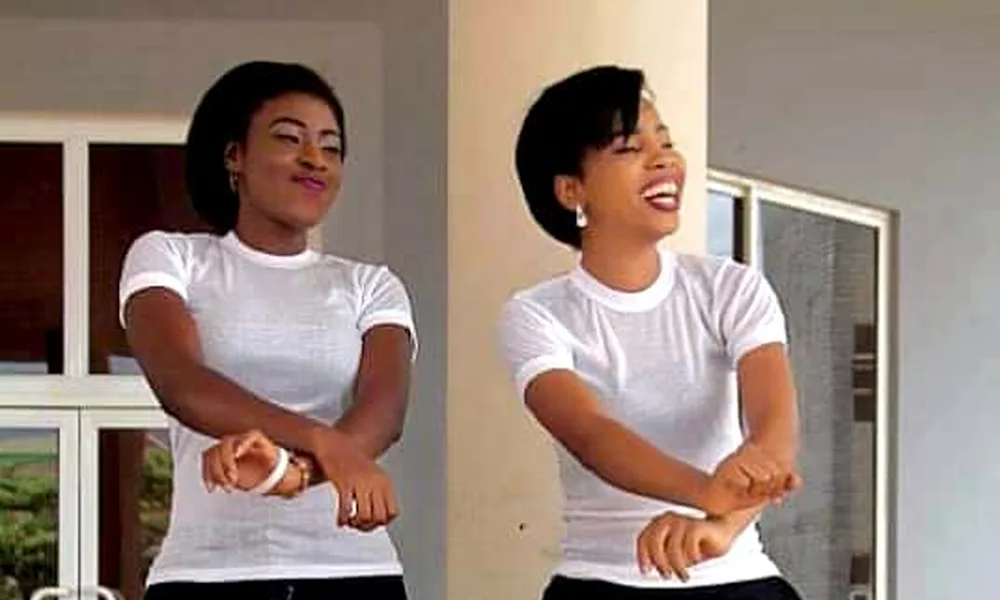
Comparison table: the worst Afrobeat dancers of 2026
| Rank | Dancer type | Main fault | Watch out for |
|---|---|---|---|
| 1 | The Stiff Legwork Mimic | Copies legwork with no bounce and no groove | Feet move, body stays frozen |
| 2 | The Shaku Shaku Show-Off | One viral move, repeated all night, no variation | Same arms, same step, every song |
| 3 | The Azonto Without Rhythm | Azonto gestures with no timing and no bounce | Hands wave, beat passes by |
| 4 | The Gwara Gwara Robot | Gwara gwara danced stiff and mechanical | Shoulders locked, steps like a march |
| 5 | The Zanku Tripper | Zanku legwork too fast, too big and out of control | Twisted ankles, kicked shins |
| 6 | The Beat-Dodger | Dances a half-beat behind the music all night | Every move lands late |
| 7 | The Floor Hog | Needs the whole dancefloor for one dancer | Collisions, no room for others |
The worst Afrobeat dancers of 2026
1. The Stiff Legwork Mimic: feet that move, a body that does not
The Stiff Legwork Mimic is the worst Afrobeat dancer of 2026 because legwork without bounce is not legwork at all, it is a mime of a dance. Real Afrobeats legwork is a full-body conversation: the feet step, the knees bounce, the shoulders answer, and the whole body stays loose on the pulse of the music. The Mimic has watched the footwork, learned the steps, and left the rest behind. The fix is simple: listen to the music before moving, let the bounce start in the knees, and dance smaller until the groove arrives.
2. The Shaku Shaku Show-Off: one viral move, all night long
Shaku shaku is a joyful move: arms crossed, feet stepping, the whole body leaning into the rhythm, and it spread around the world because it looks like pure fun. The Shaku Shaku Show-Off mistakes one good move for a whole dance. Fast song, slow song, soft song, loud song: the same crossed arms, the same stepping feet, the same ending, repeated until everyone in the room can predict the next move before the music starts. Afrobeats is full of breaks and changes of mood, and a dancer who ignores all of them is not dancing to the music, they are dancing over it. Learn three more moves, use the shaku shaku when the song calls for it, and let the rest of the night breathe.
3. The Azonto Without Rhythm: gestures with no timing
Azonto is one of the most recognisable moves in Afrobeats dance: the hands tell a story, miming a phone call or a wave, while the feet keep the groove underneath. It works because the gestures land on the beat and the bounce never stops. The Azonto Without Rhythm keeps the hands and loses everything else. They wave, point and mime with great confidence while the beat passes them by, their feet shuffling a half-beat late, their body arriving at the move after the music has already moved on. Dance the bounce with the feet alone first, and only add the gestures once the timing is steady.
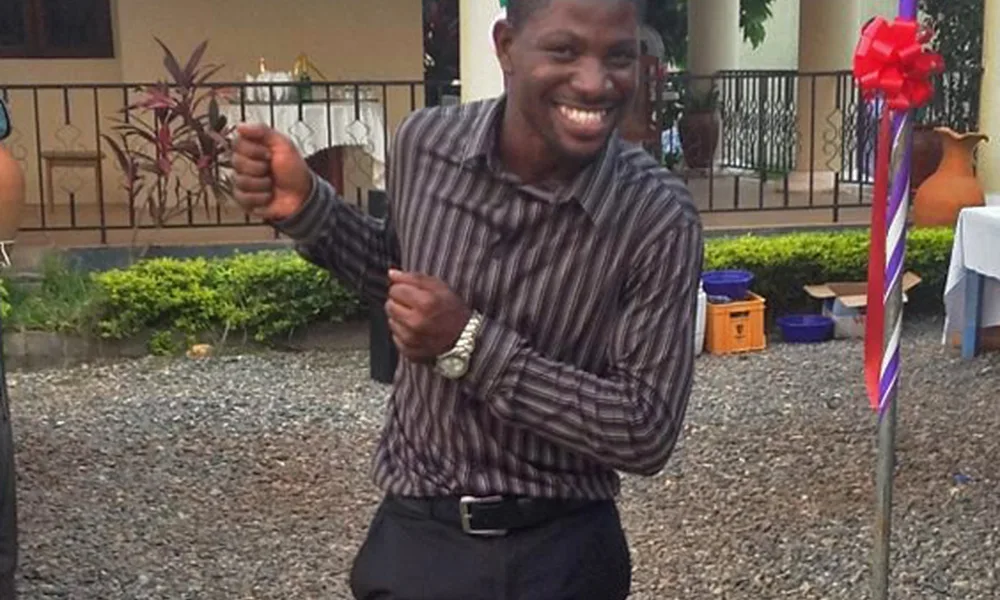
4. The Gwara Gwara Robot: a loose move danced like a march
Gwara gwara is a loose, rolling move: the shoulders roll, the arms swing, the body sways, and the whole thing looks effortless because it is relaxed. The Gwara Gwara Robot takes that looseness and marches straight through it. Their shoulders are locked, their arms move in straight lines, their steps land like a drill, and the rolling groove of the move becomes a stiff, mechanical march. Gwara gwara is not a shape, it is a sway, and a dancer who cannot relax into it will look wrong even when every limb is in the right place. The fix is to slow down, drop the shoulders, and let the music move the body instead of forcing the body through the steps.
5. The Zanku Tripper: legwork too fast, too big and out of control
Zanku, the legwork that took Afrobeats dancefloors by storm, is fast footwork with attitude: quick steps, sharp directions, the feet flying while the body stays grounded and in control. The Zanku Tripper hears the speed and treats it as permission to abandon control. They kick too high, step too wide, travel twice as far as they need to, and their feet arrive before their balance does. In a packed club it is a hazard, because nobody nearby can see the next step coming and nobody can step out of the way in time. Do not attempt the fastest, biggest legwork in a crowd: a twisted ankle ends the night for everyone. The best zanku dancers stay low, keep their steps compact, and let the speed live in the feet.
6. The Beat-Dodger: always half a beat behind
The Beat-Dodger is the dancer who hears the music a fraction late, starts every move after the beat has passed, and then rushes to catch up, so the whole dance lurches between dragging and hurrying. In Afrobeats the damage is worse than in most dances, because the groove is everything: the bounce, the sway and the footwork all hang off the same pulse, and a dancer who is off the beat pulls everyone dancing near them off time too. The fix is simple: listen to the music before moving, count the beat in your head, and dance smaller until the timing is steady.
7. The Floor Hog: a dancer who needs the whole room
The Floor Hog travels. Every move takes five steps further than it needs to, every turn spins across the floor instead of on the spot, and every change of direction cuts straight through the dancers nearby. On a busy night it causes collisions, stepped-on toes and arguments, and it makes the whole room dance smaller to make space for one person. The worst of it is that Afrobeats dance is a social dance: the circle, the group and the shared groove are the point, and a dancer who needs the whole floor has missed the point entirely. A good Afrobeats dancer keeps their moves compact, stays in their own space, and lets the room dance around them.
What to avoid when choosing an Afrobeats night in 2026
The most common Afrobeats regret is not a bad DJ or a bad venue, but a bad match: a fast, crowded club booked by a dancer who needs space and slower music, or a showcase night taken by someone who only wants a relaxed social dance. Avoid the trap by checking three things before you go: the size of the floor and how many dancers it holds, whether the night is a class, a social, or a mix of both, and whether the music is live or recorded and how fast it runs.
Checklist: spotting a bad Afrobeat dancer in 2026
- Listen first: if the dancer is off the beat in the first eight counts, they will still be off it at the end of the song.
- Watch the bounce: a dancer whose shoulders stay locked while their feet move has missed the groove.
- Check the variety: one viral move repeated all night means the dance is over before it started.
- Refuse the fastest, biggest legwork in a crowd: a twisted ankle ends the night for everyone.
- Notice the floorcraft: a dancer who cuts across the room will cut across you next.
- Trust the first song: if a dance feels wrong in thirty seconds, thank your partner and sit the next one out.
Frequently asked questions
What is the worst Afrobeat dancer type of 2026?
The Stiff Legwork Mimic, who copies the footwork with no bounce and no groove. Afrobeats dance is a full-body groove, and a dancer who moves only their feet has missed the dance.
What is the difference between Afrobeat and Afrobeats dance?
Afrobeat is the older genre pioneered by Fela Kuti, while Afrobeats is the modern pop sound from West Africa. This guide covers the modern Afrobeats dance culture: azonto, shaku shaku, gwara gwara and zanku legwork.
What is zanku legwork?
Zanku is fast, sharp Afrobeats footwork: quick steps and sudden direction changes while the body stays grounded. It is dangerous when danced too big in a crowd.
What is shaku shaku?
Shaku shaku is a joyful Afrobeats move with crossed arms and stepping feet. It works best as a burst of joy inside a longer dance, not as the only move all night.
How long should I give a bad Afrobeats dance?
One song is enough. If the timing is off, the groove is missing or the floorcraft is dangerous, thank your partner politely and do not accept a second one.
What should I watch instead of a bad Afrobeat dancer?
Watch the dancers who stay loose, keep the bounce in their knees and vary their moves. They are usually the best dancers in the room, and the ones worth dancing beside.
Bottom line
The worst Afrobeat dancers of 2026 fail what Afrobeats asks of every dancer: stay with the bounce, dance the whole body and not just the feet, and share the floor. Spot them in thirty seconds, and save your evening for dancers who listen to the music and to the room.


