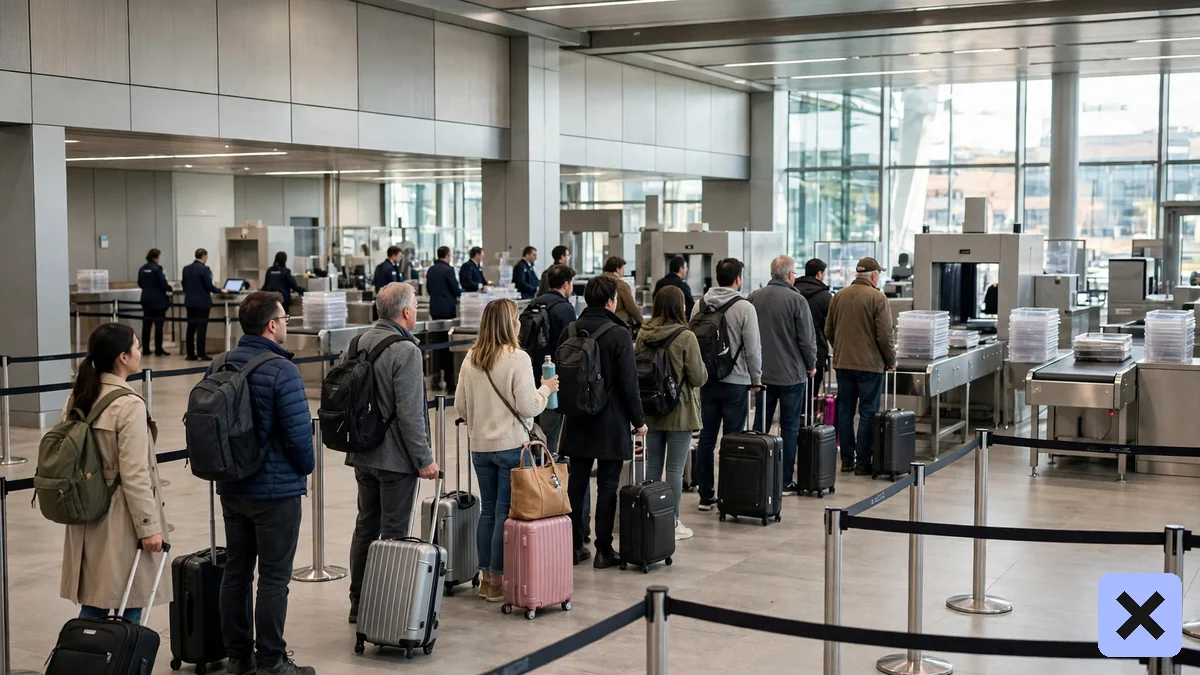
Every traveller has a check-in story they would rather forget. The worst airport check-in experiences usually begin with a queue that barely moves, a screen that freezes at the worst possible moment, or a bag that suddenly weighs three kilos more than the allowance. What should take ten minutes can swallow two hours, and by the time the boarding pass finally prints, the whole trip feels like it started on the wrong foot.
Check-in is the first real test of any journey, and the point where the most things can go wrong at once. Airlines, airports, ground handlers, and passengers all have to line up perfectly, and on a busy morning they rarely do. A single delayed flight can flood the hall with hundreds of extra travellers.
This guide looks at the worst airport check-in experiences travellers report again and again, what causes them, and how to get through them with your flight and your temper intact.
Key takeaways
- Arrive at least three hours before an international flight and two hours before a domestic one.
- Check in online and keep a screenshot of your boarding pass, so a kiosk failure cannot strand you.
- Weigh your bag at home and know your airline’s exact allowance, since desk fees are far higher than paying online.
- Keep your passport, visa, and booking reference in one easy-to-reach place.
- Stay calm and polite with check-in staff, because they are the people most able to help you.
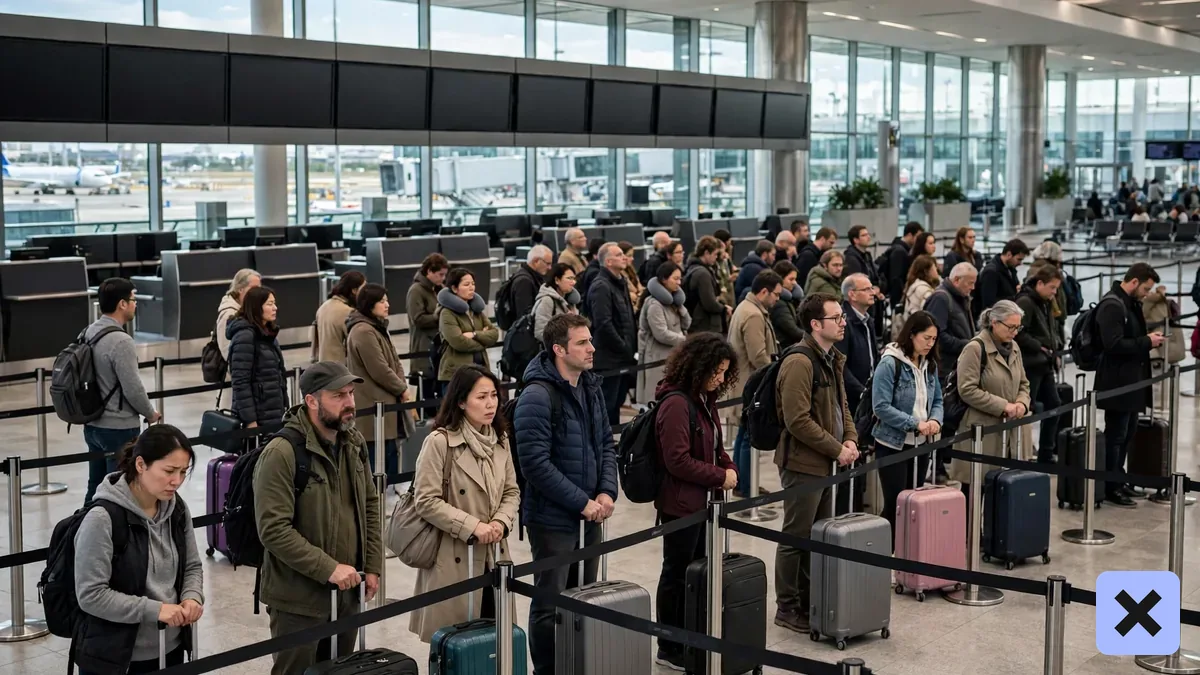
Why Airport Check-In Goes Wrong So Often
Airport check-in looks simple from the outside. You join a queue, hand over your bag, show your documents, and collect a boarding pass. Behind that sequence sits a chain of systems that all have to work at the same time: the airline reservation system, the baggage system, the document checking system, and the departure control system that assigns your seat. When one link breaks, the queue grows longer with every passing minute.
Peak times make everything worse. Early mornings, Friday evenings, school holidays, and festival weekends can push a terminal far beyond its comfortable capacity. Airlines schedule dozens of departures in the same two-hour window, so hundreds of passengers arrive at the check-in hall at the same moment, and a few delayed flights from the night before can fill the hall with travellers who should already have left.
The Chain Reaction Behind a Bad Morning
A bad check-in morning rarely has a single cause. A delayed incoming aircraft means the outbound flight boards late, so passengers for the next flight arrive while the previous one is still being processed. A storm at a hub airport can send a wave of rebooked passengers into a terminal that was never built to hold them. A new security rule can add a minute to every transaction at the desk.
The Worst Airport Check-In Experiences Travellers Report
Ask frequent travellers about their worst check-in moments and the same stories come up again and again. They are not about one dramatic event. They are about ordinary trips that fell apart slowly, one small failure at a time.
Endless Queues That Eat Your Buffer
The most common complaint is also the simplest: the queue barely moves. Travellers describe standing for ninety minutes or more, watching the departure board flip from on time to final call while they are still fifty people from the desk. The best defence is an early arrival and an online check-in, so the queue is only for bag drop rather than the full process.

System Crashes and Frozen Screens
Nothing spreads panic through a check-in hall faster than a system outage. One moment the desks are processing passengers at a steady pace, and the next every screen goes dark or freezes on the same error message. Travellers caught in a system crash often describe the helplessness more than the delay itself, because there is nothing to do but wait. Passengers who checked in online are usually in a better position, because their boarding pass is already on their phone.
Overweight Baggage and Surprise Fees
Overweight baggage is the check-in problem that hits the wallet hardest. Travellers describe the sinking feeling of watching the scale climb past the allowance, and the shock of the fee the agent quotes to fix it. A bag that is two or three kilos over can cost more than the ticket itself on some routes, especially on low-cost airlines where the allowance is small and the excess fee is steep. Weighing your bag at home with a cheap luggage scale is one of the easiest ways to avoid this. The best airport trips are usually the ones where nothing surprising happens, as readers of our guide to the worst airport experiences travellers keep warning each other about.

Wrong Documents and Missing Visas
Few check-in problems are as final as a document problem. An expired passport, a missing visa, a name on the ticket that does not match the passport, or a return ticket that an airline insists on seeing can all end a trip before it begins. Agents enforce the rules strictly because the airline faces a fine if it carries a passenger who is turned away at the destination. The fix is boring but effective: check your passport expiry date, your visa requirements, and the exact spelling of your name the moment you book, and then check them again the week before you travel.
Missed Cut-Off Times and Closed Desks
Every flight has a check-in cut-off, usually forty-five minutes to an hour before departure, and once it passes the desk closes even if the plane is still at the gate. Travellers who arrive a few minutes late often describe the disbelief of being turned away from a flight they can see through the window. The lesson is simple: the cut-off is the real departure time. Plan to be at the airport well before it, and treat traffic, parking, and queues as part of the journey.
Rude or Unhelpful Staff
Most check-in staff are patient and professional, even under pressure, but travellers remember the exceptions vividly. A dismissive answer, a refusal to explain a fee, or a shrug when a passenger asks for help can turn a difficult situation into a miserable one. Agents have very little power to override the rules. Travellers who stay polite and specific about what they need tend to get better results than those who raise their voice. If you do meet genuinely unhelpful service, note the time, the desk number, and the name on the badge, and raise it with the airline afterwards. If the wait stretches into hours, some travellers compare notes on the worst airport lounges to avoid next time.
Broken Kiosks and Bag-Drop Chaos
Self-service kiosks were supposed to end the check-in queue, but when they break they create a new one. Travellers describe arriving at a row of kiosks to find half of them out of order, with the working ones occupied by passengers struggling with touchscreens that do not respond, printers that are out of paper, or scanners that will not read a passport. The practical answer is to check in on your phone before you arrive, so the kiosk is optional rather than essential. If the kiosks are down, head straight for the staffed desks rather than waiting in the kiosk queue. The same pattern often repeats at security, as covered in our guide to the worst airport security experiences.

How the Worst Check-In Problems Compare
Not every check-in problem is equally bad. A long queue is annoying, but it usually ends with you on the plane. A document problem can end the trip entirely.
| Problem | How Common | Typical Delay | Risk of Missing Flight | Best Fix |
|---|---|---|---|---|
| Endless queues | Very common | 60 to 120 minutes | Medium | Arrive early and check in online |
| System crashes | Occasional | 30 to 90 minutes | High | Keep a saved boarding pass and booking reference |
| Overweight baggage | Very common | 10 to 30 minutes | Low | Weigh your bag at home and buy allowance early |
| Wrong documents | Less common | Trip-ending | Very high | Check passport and visa rules when you book |
| Missed cut-off | Common | Trip-ending | Very high | Treat the cut-off as your departure time |
| Broken kiosks | Common | 20 to 45 minutes | Medium | Check in on your phone and use staffed desks |
The pattern is clear. The problems that cost the most time are usually the ones you can do the least about in the moment, like a system crash or a long queue, while the problems that end trips outright are the ones you can prevent entirely at home, like a document error or a missed cut-off.
What Actually Causes the Worst Check-In Delays
Behind most bad check-in experiences sits a cause that has nothing to do with the passenger at the desk. Overbooked flights are a common one: airlines often sell more seats than the plane holds, and when everyone shows up, the check-in desk becomes the place where the overbooking is resolved. Weather, strikes, and disruption days have the same effect, because cancelled flights mean rebooking, and rebooking means long conversations at the desk. Some airports have simply outgrown their terminals, so a hall designed for five million passengers a year struggles when it is handling eight million. Understanding these causes helps you judge whether a delay is a one-off problem or a deeper issue at that airport.
How to Survive a Bad Check-In
You cannot control the queue, the system, or the weather, but you can control how ready you are when things go wrong. The travellers who cope best with a bad check-in are not the lucky ones, they are the prepared ones.
Your Check-In Survival Checklist
- Check in online as soon as it opens and save a screenshot of your boarding pass.
- Weigh every bag at home and confirm the exact allowance for your ticket.
- Check your passport validity, visa requirements, and name spelling a week before travel.
- Arrive three hours early for international flights and two hours early for domestic flights.
- Keep your passport, booking reference, and payment card in one easy-to-reach pocket.
- Pack snacks, water, a charger, and something to read, so a long queue is boring rather than miserable.
Beyond the checklist, keep your plans flexible: know the next flight to your destination and keep the airline’s phone number saved.
Frequently Asked Questions
How early should I arrive for airport check-in?
Arrive at least three hours before an international flight and two hours before a domestic one. Add extra time during school holidays.
Can I check in if the airline system is down?
Usually not, because the system issues boarding passes and bag tags. If you already checked in online, you may still be able to drop your bag manually, but a full outage can delay everyone.
What happens if my bag is overweight at check-in?
You will be asked to pay an excess baggage fee, remove items, or both. Fees at the desk are usually much higher than buying extra allowance online.
What documents do I need at airport check-in?
You need a valid passport for international travel, or photo ID for most domestic flights, plus your booking reference. Some destinations also require a visa.
Can the airline refuse to check me in?
Yes, if your documents are invalid, your passport is too close to expiry, you miss the check-in cut-off, or you cannot meet the entry requirements for your destination.
What should I do if I miss the check-in cut-off?
Go to the airline desk or call the airline straight away and ask about the next available flight. You may need to pay a change fee or buy a new ticket.
The Bottom Line
The worst airport check-in experiences share one thing: they happen when a small problem meets a tight schedule. Long queues, broken systems, overweight bags, and missing documents are all manageable with time to spare, and all miserable without it. Arrive early, check in online, weigh your bag, and check your documents before you leave home.