Skip the Worst Barges of 2026: Flat-Bottomed Freight That Leaks, Lists and Costs a Fortune
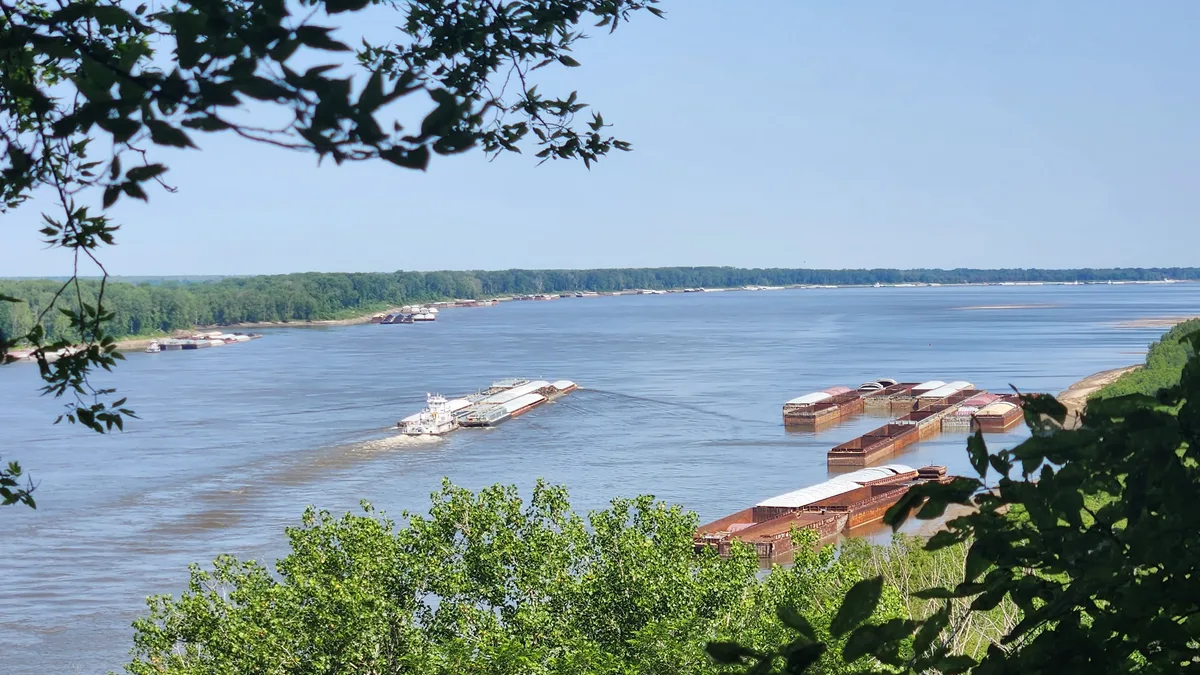
The worst barges of 2026 look like the cheapest way to move a heavy load on the water: a flat steel box, a towboat ahead of it, and a river doing most of the work for free. Then the hull starts to weep at a seam, the load shifts and the barge lists, and the cheap freight turns into a salvage bill and a missed delivery. This guide ranks the seven worst barges of 2026 by type and pattern, not by operator or builder, so you can spot the trap before you charter, hire or buy one.
Key takeaways
- The leaking old cargo barge is the barge to avoid first: a hull that lets water in faster than the pumps can clear it will sink a load, a schedule and a budget in one trip.
- A barge lives or dies on its hull, its stability and its tow: a barge that cannot stay dry, stay level or stay under control fails at its basic job.
- Cheap hire is the most expensive barge here once the tow, insurance, mooring and repairs are added.
- Stability is measured in freeboard and load trim, not in deck size: a wide deck with a high, badly stacked load is worse than a smaller barge loaded low and level.
- Always check the hull survey, the load history, the tow arrangement and the real operating limits before you sign, and walk away from any barge that hides them.
How the worst barges of 2026 were chosen
Every barge below was scored on five measures. Hull condition comes first: does the steel hold water out, and can the pumps keep up when the weather turns? Stability is second: freeboard, load trim and how the barge behaves when the load shifts. Towability is third: can the towboat move it safely in the river and weather it will face, or does it wander, snag and ground? Fitness for the job is fourth: a barge built for grain is a bad barge for machinery, and one built for calm water is a bad barge for open water. Cost honesty is fifth: the real price with tow, insurance, mooring, cleaning and repairs, not the headline hire rate.
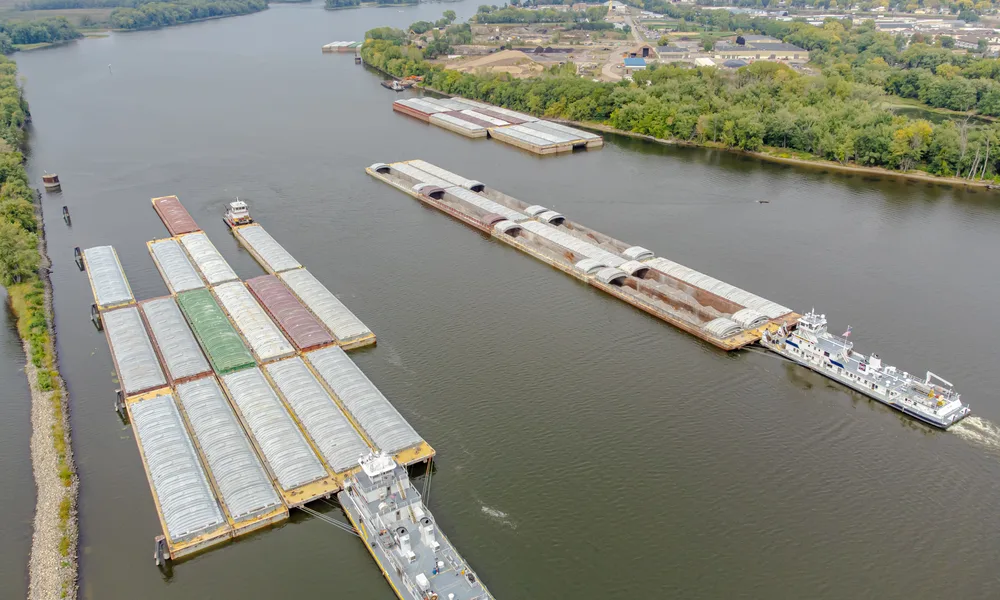
Two notes before the list. First, no barge here is useless on paper: each one earns its place because the barge lets its crew or its cargo down, not because a barge is a bad idea. Second, this guide ranks types and patterns, not named operators or fleets: a barge that is bad on one river may be fine on another. This guide is strictly about barges: wide, flat-bottomed working vessels built to carry freight, plant or bulk cargo on rivers, lakes and sheltered water, pushed or towed rather than steered under their own power. It does not cover canal boats, which are narrow, self-steered leisure boats built for canals and locks, as our guide to the worst canal boats shows. A canal boat is yours to steer through a lock flight; a barge is a freight platform that needs a towboat, a crew and a loading plan. It does not cover ferries either, which are scheduled passenger crossings between two points on a timetable, as our guide to the worst ferries explains, while a barge carries freight, not timetables. And it is not about floating homes: a houseboat is judged as a place to live, as our guide to the worst houseboats shows, while a barge is judged on whether it carries its load dry, level and on time.
Comparison table: the worst barges of 2026
| Rank | Barge type | Main problem | Book instead |
|---|---|---|---|
| 1 | Leaking old cargo barge | Hull seams weep, pumps cannot keep up | Surveyed barge with a dry hull |
| 2 | Overloaded flat deck barge | High load lists, freeboard disappears | Barge loaded low, level and lashed |
| 3 | Tired crane barge | Crane slew and lift limits unreliable | Crane barge with a current test certificate |
| 4 | Underpowered tow pairing | Towboat cannot hold the tow in wind | Tow sized to the barge and the river |
| 5 | Converted hotel barge | Freight hull, hotel promises, neither done well | Purpose-built passenger vessel |
| 6 | Open hopper barge in bad weather | Rain and spray soak and shift the load | Covered barge for weather-sensitive cargo |
| 7 | Abandoned project barge | No papers, no survey, no honest history | Barge with full papers and a survey |
The worst barges of 2026
1. Leaking old cargo barge: the worst first pick
The leaking old cargo barge is the worst barge of 2026 because it fails the one test that matters: it does not keep water out. On the bank it looks like a bargain, a big steel box for a small hire fee, with fresh paint over the worst of it. On the river the seams start to weep, the welds open under the load, and the pump runs all day and still loses ground. The survey is the only defence: a hull thickness test, a look at the seams in daylight, and a pump trial under load will tell you more in an hour than a glossy listing ever will.
2. Overloaded flat deck barge: the list that nobody plans for
The overloaded flat deck barge looks capable because the deck is huge and empty, and the load goes on easily enough. The trouble starts when the load goes on high and was never trimmed. The freeboard shrinks to inches, the barge lists to one side, and a turn or a passing wash is enough to shift the load further. The fix is dull and it works: load low, load level, lash everything, and leave a margin of freeboard that a wave cannot take away.

3. Tired crane barge: the lift you cannot trust
A crane barge earns its keep on one promise, that the crane will lift what it says it will lift, where it says it will lift it. The tired crane barge breaks that promise quietly: the slew is slow and jerky, the winch slips under load, and the test certificate is older than the paint. A crane barge without a current test certificate is not a bargain, it is a risk nobody on site should accept, and the cost of a failed lift is always more than the saving on the hire.
4. Underpowered tow pairing: the tow that wanders
A barge has no engine of its own, so the towboat is the barge. The underpowered tow pairing puts a small towboat ahead of a big, heavy, wind-catching barge and hopes the river stays calm. It does not. A crosswind pushes the barge sideways, the towboat cannot hold the line, and the tow wanders, grounds or snags a moored boat. Match the tow to the barge, the load and the river, and check the towboat’s power and the crew’s experience before the first line goes on.
5. Converted hotel barge: neither freight nor hotel
The converted hotel barge is sold as the best of both worlds: a working freight hull with a hotel fitted inside, slow travel with a cabin and a view. In practice it is often the worst of both. The hull was built for cargo, not for people, so it is noisy, it vibrates, and it has no proper insulation. The hotel fit-out was squeezed into a space that was never meant for it, so the cabins are cramped, the plumbing is a compromise, and the galley is a long way from the dining table. A purpose-built passenger vessel costs more and does the job properly.

6. Open hopper barge in bad weather: the load that soaks
An open hopper barge is fine for gravel on a dry day, and a disaster for anything that minds water on a wet one. Rain fills the hopper, spray comes over the low sides, and the load soaks through, swells and spoils. The fault is the choice: the wrong barge for the cargo and the weather. A covered barge costs more to hire and saves the cargo, the claim and the reputation. Check the forecast for the whole trip, not just the loading day, and if the cargo cannot get wet, do not put it in an open hopper.
7. Abandoned project barge: the bargain with no papers
The abandoned project barge is the cheapest barge you will ever see, and the most expensive one you will ever own. It comes with a story instead of a survey: a project that ran out of money and a hull that was nearly finished. What it does not come with is papers, a survey, a load history, or any honest account of what the hull has been through. Walk away, and buy a barge with full papers instead.
What to avoid when chartering or buying a barge
The most common barge regret is not a bad barge but a wrong match: a cargo barge hired for a job it was never built for, a towboat too small for the tow, or a load that was never trimmed. Avoid the trap by checking four things before you sign: the hull survey and its date, not a photograph of fresh paint; the load plan and the freeboard it leaves; the towboat, its power and its crew; and the total price with tow, insurance, mooring and cleaning, not the headline hire rate.
Checklist: chartering or buying a barge
- Read the hull survey, check its date, and look at the seams and welds in daylight before you sign anything.
- Ask for the load history: what the barge carried, where it worked, and what it was repaired for.
- Check the load plan, the trim and the freeboard, and refuse any load that leaves no margin for a wave.
- Match the towboat to the barge, the load and the river, and confirm the crew’s experience on that water.
- Add the tow, the insurance, the mooring, the cleaning and the repairs to the hire price before you compare barges.
- Walk away from any barge with no papers, no survey or a seller who will not let you inspect the hull.
Frequently asked questions
What is the worst type of barge to hire?
The leaking old cargo barge, because a hull that lets water in ruins the cargo, the schedule and the budget in one trip.
Can a barge sink from a small leak?
Yes, if the leak is below the waterline and the pumps cannot keep up. A small weep under load becomes a steady ingress, and a barge with no freeboard to spare has nowhere to go but down.
How do I know if a barge is overloaded?
Look at the freeboard and the trim. If the deck is close to the water, the barge lists to one side, or the load sits high and unlashed, it is overloaded, whatever the paperwork says.
Do I need a towboat, or can a barge move itself?
Almost every barge needs a towboat or a tug. A barge has no engine of its own, so the towboat is part of the hire, and an underpowered tow is one of the commonest causes of a bad trip.
Is a converted hotel barge a good holiday?
Usually not. The hull was built for freight, so it is noisy and rough, and the fit-out is a compromise. A purpose-built passenger vessel is a better holiday.
What papers should a barge for sale have?
A current hull survey, a load and repair history, registration papers and insurance history. A barge with no papers is a gamble, and the survey alone will usually cost more than the saving.
Bottom line
The worst barges of 2026 are the ones that fail the basic tests: a hull that leaks, a load that lists, a crane that cannot be trusted, a tow that cannot hold, and a bargain with no papers. Skip them, hire a surveyed barge with a proper tow, and the load will arrive dry and on time.


