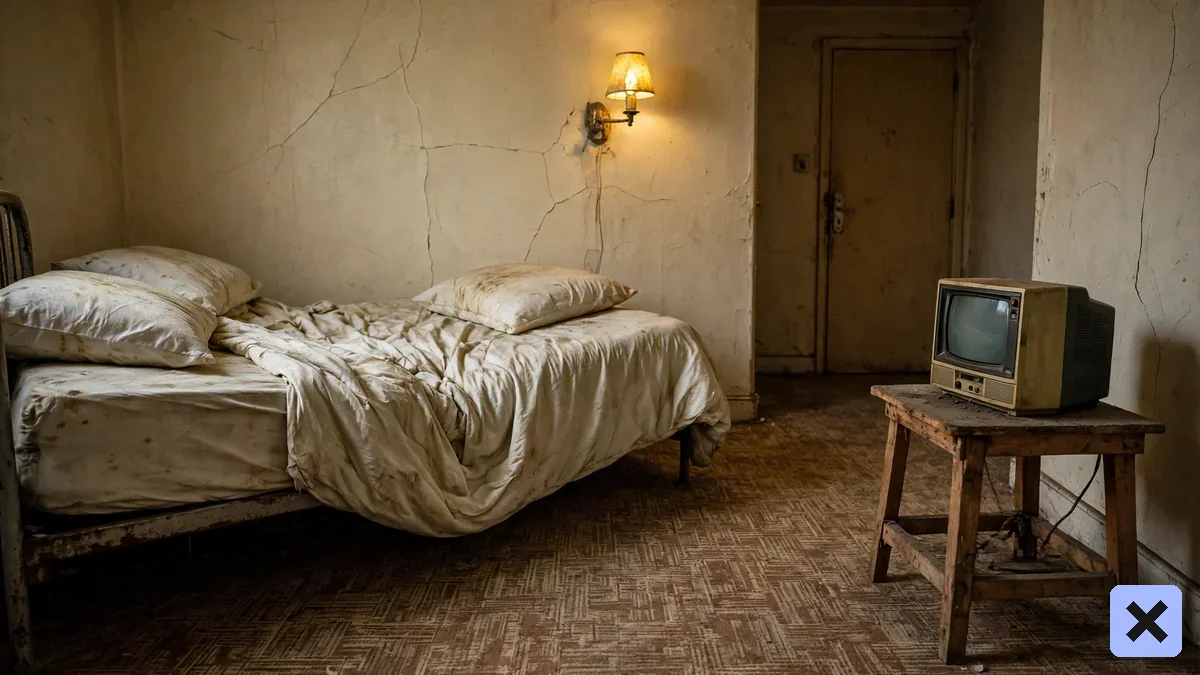
The worst beach vacations for families in 2026 share the same painful pattern: a beautiful photo online, a long journey, and then a beach that simply does not work for children. The sand is too hot to walk on, the water is too rough to paddle in, and the nearest shade, toilet or snack bar is a twenty-minute walk away.
A family beach holiday should be simple. Children need shallow, calm water, soft sand, shade, clean toilets and somewhere to eat without a long queue. When those basics are missing, even a sunny week feels like hard work.
This guide looks at the beach holidays that most often disappoint families, why they go wrong, and how to spot the warning signs before you book. It is about choosing a beach that suits the ages of your children, your budget and the kind of holiday you actually want, rather than the one in the brochure.
Key takeaways
- Wind, cold water and steep shores turn a beach day into a struggle for young children.
- Overcrowded beaches mean long walks, no shade and little space to play safely.
- Beaches without lifeguards, toilets or shade are a poor choice for families with small children.
- Remote and party beaches often leave families far from food, shops and medical help.
- Check water conditions, facilities, crowd levels and the true total cost before you book.

What Makes a Beach Holiday Go Wrong for Families
A beach can look perfect in a photograph and still fail a family. The photo is usually taken early in the morning, before the crowds arrive, from the best angle, on the calmest day of the year. It does not show the steep walk down a cliff path, the strong current at high tide, or the long line for the only toilet on the beach.
Children also experience a beach very differently from adults. A young child wants to paddle, dig and splash close to where the family is sitting. If the water drops away quickly, the waves are strong or the sand is covered in sharp shells, that simple pleasure disappears. Families also need food, shade and a hotel close enough for a rest.
The Wind-Blasted, Cold-Water Beach
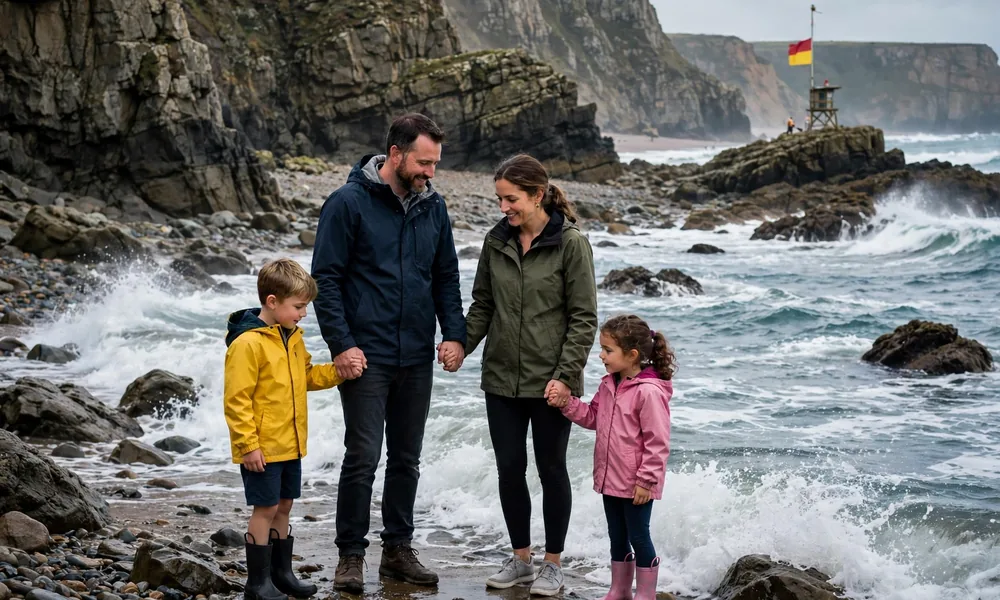
Some beaches are famous for scenery and surf, and that is exactly the problem for families. Strong wind blows sand into eyes and food, umbrellas turn inside out, and towels end up gritty within minutes. Children in wet swimsuits get cold quickly, and parents spend their time chasing hats across the sand.
Cold water makes it worse. On many northern and Atlantic beaches the sea stays cold well into summer, so toddlers paddle for a few minutes and then refuse to go back in. Before you book, check the average sea temperature and wind speed for your dates, and look for sheltered bays rather than long, open stretches of coast.
The Overcrowded Resort Beach
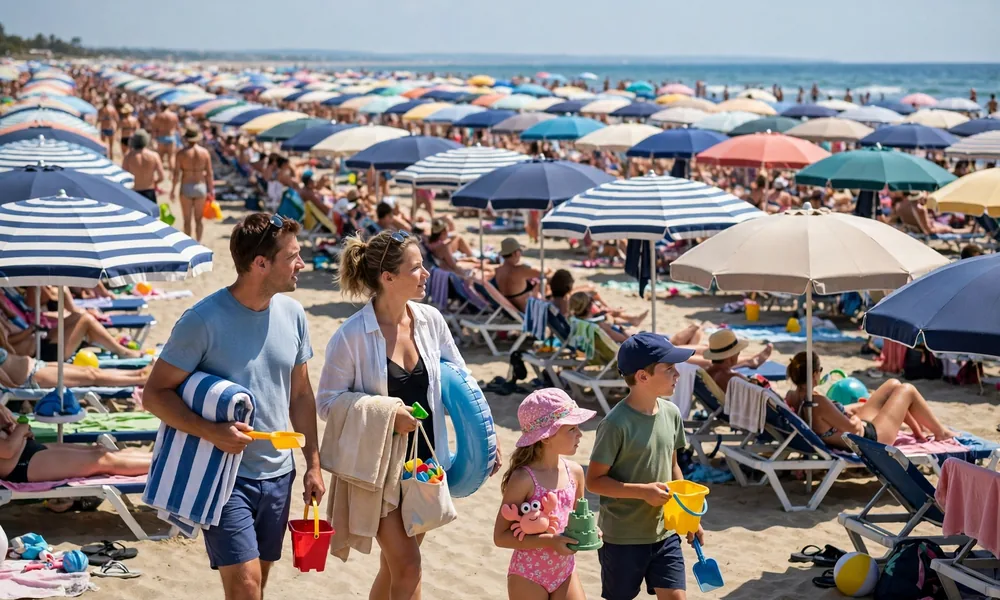
Popular resort beaches can feel more like a busy market than a holiday. Rows of sun loungers stand so close together that there is no room for a child to play or build a sandcastle. Families arrive early just to claim a spot, and by mid-morning the beach is packed from the water to the promenade.
Crowds also make it harder to keep children safe, since it is easy to lose sight of a small child among hundreds of umbrellas. If a beach is famous, ask when it is at its worst: school holiday weeks and festival dates can double visitor numbers. A quieter beach nearby, or the same beach in June or September, often gives a family far more space.
The Beach With Dangerous Water and No Lifeguards
Water safety is the most serious issue on this list. Some beaches have strong currents, sudden drop-offs, large waves or rocks just below the surface. They may look inviting at low tide, then become dangerous within an hour as the tide turns.
The absence of lifeguards makes a risky beach much worse, leaving parents to watch every child every second with no backup if something goes wrong. Our guide to the worst hotel pools for families shows how quickly a water feature can turn from a highlight into a worry. Choose beaches with lifeguards, a marked swimming area and clear warning flags.
The Remote Beach With Nothing Nearby
A remote beach sounds peaceful, and for a couple it can be. For a family, it can mean a long drive on a rough road, no shade, no toilets, no drinking water and no shop if you forget sunscreen or run out of nappies.
Remote beaches also leave families exposed if something goes wrong, since help may be a long way away and mobile signal can be weak. Our comparison of road trip vs flying for a family vacation useful, because the travel to and from a remote beach is often the hardest part of the day. Pick a beach within a short walk of food, toilets, shade and help.
The Party Beach That Never Quiets Down
Party beaches are built for nightlife, not for families. Loud music starts in the afternoon and continues into the early hours, bars line the sand, and children who need an early bedtime struggle to sleep. Parents struggle to find a quiet meal or a calm morning on the sand.
Daytime is not much better. Party beaches often have litter and broken glass in the sand, and the water can be less clean near busy bars and boat traffic. Before booking a resort town, check whether the beach is known for nightlife and look for a quieter beach nearby.
The Expensive Beach That Drains the Budget
Some beach holidays cost far more than families expect. The hotel looks reasonable, but sun loungers, umbrellas, parking, beach clubs, food and drinks all carry separate charges. A family of four can pay a surprising amount every day before they have even eaten lunch
Food prices on popular beaches are often high, with only a few restaurants near the sand and menus aimed at tourists. Work out the full daily cost before you book, including loungers, parking, food and transport. A self-catering apartment near a free public beach often costs less than a resort where every comfort is charged separately.
The Beach With Poor Facilities and Dirty Sand
Clean sand, clean water and working facilities are basics, not luxuries. Some beaches have litter, seaweed left to rot, broken glass or polluted water near a harbour or river mouth. For children who play in the sand, a dirty beach is a health worry as well as an unpleasant place to sit.
Poor facilities make a long beach day hard to manage. One toilet for a whole beach, no changing area, no shower and no bins means queues and a long walk back to the hotel every time someone needs something. Check recent photos and water quality reports, and if reviews mention litter or dirty water, choose a beach that is looked after properly.
Worst Beach Vacations Compared
The table below sums up the main problems at a glance.
| Beach type | Main problem | Hardest for | Biggest cost |
|---|---|---|---|
| Wind-blasted, cold-water beach | Wind, cold sea and sand in everything | Toddlers and young children | Wasted days indoors |
| Overcrowded resort beach | No space, noise and long queues | Families with small children | Paid loungers and parking |
| Dangerous water, no lifeguards | Currents, drop-offs and no help | Weak swimmers | Safety risk |
| Remote beach | No food, toilets or help nearby | Families with babies | Transport and supplies |
| Party beach | Noise, litter and late nights | Children needing early bedtimes | Overpriced food and drink |
| Expensive beach | High charges for every extra | Families on a budget | Daily hire and meals |
| Dirty beach, poor facilities | Litter, dirty water and few toilets | Toddlers who play in the sand | Extra trips back to the hotel |
Warning Signs to Spot Before You Book
The warning signs are usually visible before you pay, if you know where to look. Start with recent visitor photos, not the hotel gallery. Recent family photos show the real crowd levels, the state of the sand and whether children are actually swimming.
Read the most recent reviews, and search them for words such as crowded, windy, cold, dirty, noisy, expensive and far. Check a map: how far is the beach from your hotel, the nearest shop, a pharmacy and a toilet?
Checklist: How to Avoid a Bad Family Beach Holiday
Use this short checklist before you book, and again before you travel, so a poor beach does not catch your family by surprise.
- Check the sea temperature, wind and tide times for your exact travel dates.
- Confirm lifeguards, a marked swimming area and clean toilets are available on the beach.
- Read recent family reviews for mentions of crowds, noise, litter and hidden charges.
- Measure the walk from your hotel to the beach, shops, shade and a pharmacy.
- Work out the full daily cost, including loungers, parking, food and transport.
- Pack for the real beach, not the brochure, using our guide to the best packing lists for beach holidays so nothing essential is left behind.
Better Choices for a Family Beach Holiday
The best family beaches share a simple set of features. The water is shallow and calm for a long way out, the sand is soft and clean, and there is shade close to the water. Lifeguards are on duty, toilets and showers are nearby, and a cafe or shop is within a short walk.
Look for sheltered bays and family resorts with a dedicated beach area. Early June and September often bring warm water, fewer crowds and lower prices. Keep the journey simple: a short transfer and a hotel close to the sand matter more than a famous beach name.
Frequently Asked Questions
What is the worst type of beach vacation for families?
The worst type is a windy, cold-water beach with strong currents and no lifeguards. Children get cold and tired quickly, parents cannot relax, and the family spends more time managing the weather and the water than enjoying the beach.
Are crowded beaches bad for families?
Crowded beaches are not always bad, but they become a problem when there is no space to play, long queues for toilets and food, and no shade left by mid-morning. A busy beach with good facilities can still work.
How can I tell if a beach is safe for children?
Look for lifeguards, a marked swimming area, calm and shallow water, and clear warning flags. Check local advice about currents and tides, and avoid beaches where swimming is not recommended or no one is on duty to help.
When is the best time for a family beach holiday?
Early June and September are often best, with warm water, fewer crowds and lower prices. Avoid peak school holiday weekends if you can, and visit popular beaches early in the morning before the crowds arrive.
What should families pack for a beach holiday?
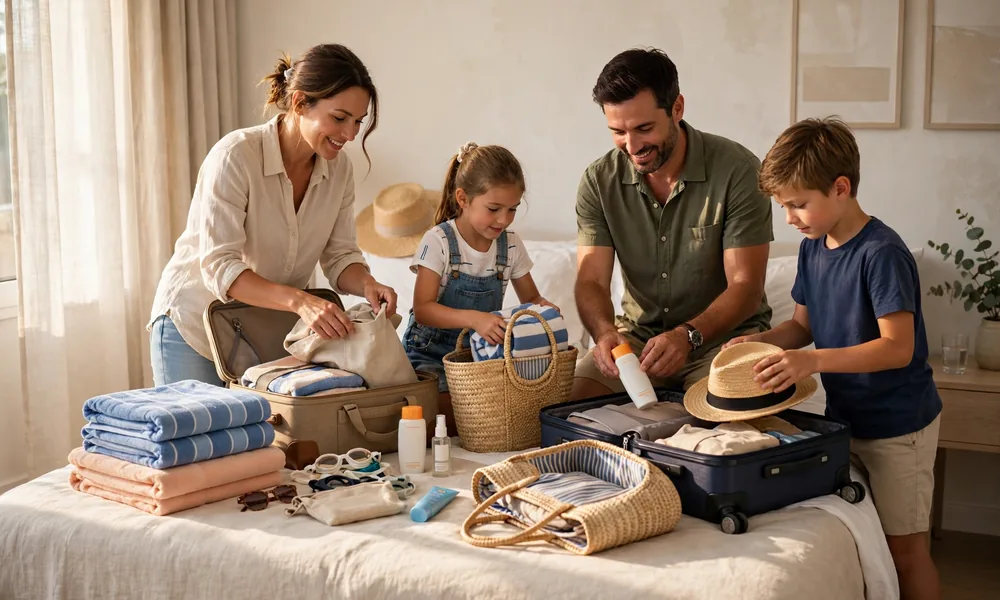
Pack sunscreen, hats, water, snacks, towels, shade, swim nappies for babies, a first-aid kit and a change of clothes. Bring sand toys and a bag for wet clothes, and keep valuables to a minimum.
Is a remote beach ever a good choice for families?
A remote beach can work for older children on a short visit, if you bring food, water, shade and a first-aid kit. For babies and toddlers, a beach close to toilets, shops and help is almost always the better choice.
The Bottom Line
The worst beach vacations for families in 2026 are not ruined by one bad day. They are ruined by a beach that does not suit children in the first place: cold and windy, crowded and noisy, dangerous or dirty, far from help, or far more expensive than expected. Choose a sheltered, shallow, clean beach with lifeguards, shade and facilities nearby, and check the real conditions before you book.