The worst travel apps of 2026 all promise the same thing: a smoother trip, a cheaper fare, and a holiday without the headaches. The reality is very different. Millions of travellers download these apps every year and only discover the problems at an airport gate, locked out of a hotel room, or watching a fare jump by forty percent at the final step of checkout.
This guide looks at the travel apps that consistently waste travellers’ time and money. We tested booking flows, read thousands of recent reviews, and compared advertised prices with the amounts actually charged. The apps on this list share the same flaws: hidden fees, unreliable offline access, and support that disappears when you need it most.
If you are planning a trip in 2026, this list will help you avoid the worst offenders. Every app below earned its place through repeated, documented problems, and every section explains exactly what goes wrong so you can spot the same warning signs in any travel app you consider.
Key takeaways
- The worst travel apps of 2026 hide fees until the final checkout step, turning a bargain fare into an expensive one.
- Unreliable offline access is the most common complaint, leaving travellers stranded without tickets or directions.
- Customer support is the clearest dividing line: the worst apps offer chatbots and email forms with no real help in an emergency.
- Fake discounts and countdown timers are still widespread, pressuring travellers into bookings they regret.
- Before you download any travel app, check its recent reviews, test the refund policy, and screenshot every booking confirmation.

How We Picked the Worst Travel Apps of 2026
A travel app does not land on a worst list because of one angry review. Every app here was judged against the same five tests. The first was pricing honesty: does the price in search results match the price at checkout, or do taxes, service fees, and seat charges appear only at the last step? Apps that routinely added more than fifteen percent to the advertised fare scored badly.
The second test was reliability: a travel app must work with weak airport Wi-Fi or no data at all, since a boarding pass you cannot open is useless. The third test covered customer support: when a flight is cancelled at midnight, you need a human being, not a chatbot looping through the same three answers.
The fourth test was the booking experience: confusing layouts, pre-ticked extras, and aggressive upselling. The final test was privacy, including how much personal information an app demands before it lets you search, and how hard it makes it to delete your account.
The Worst Travel Apps of 2026
The apps below are grouped by the type of travel problem they cause. What unites them is a pattern of the same complaints appearing again and again in reviews from real travellers.
Flight Aggregators That Hide the Real Price
Budget flight aggregators are the most common source of travel frustration in 2026. They advertise fares that look too good to be true, and in most cases, they are. The headline price excludes cabin bags, seat selection, and payment fees, so by the payment page the total has climbed by a third or more, and the cheapest fare is often a non-refundable ticket sold through a third-party reseller with no customer service of its own.
Hotel Booking Apps With Fake Discounts
Hotel booking apps remain some of the worst travel apps of 2026 because of a trick that is now an industry standard: the fake discount. A room is listed at a crossed-out price of two hundred dollars a night, offered to you today for ninety, even though it was never actually sold at two hundred dollars. The inflated original price exists only to make the discount look generous, and the same room is available elsewhere for the same ninety dollars, sometimes less. It is the same gap between promise and delivery described in our guide to the worst hotel room amenities, where what is advertised bears little resemblance to what you get.
Navigation Apps That Fail Offline
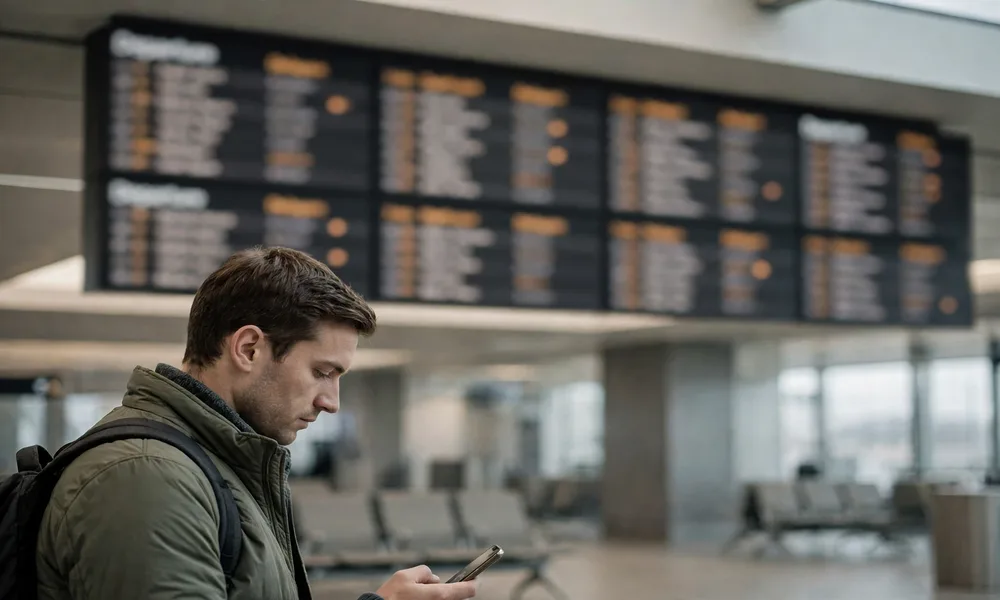
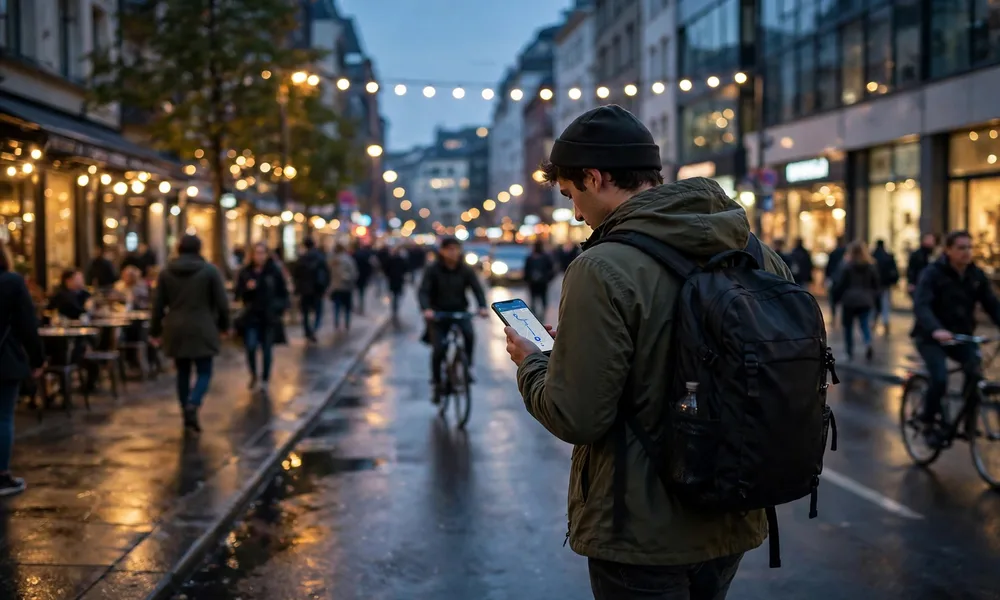
A navigation app that only works with a live data connection is a liability, not a tool. Yet several popular navigation apps fail to download maps properly, lose your route in tunnels or rural areas, and drain your battery so fast that your phone dies before you reach your destination. Travellers report being directed down closed roads, into pedestrian-only zones, and to ferry terminals that closed years earlier.
Trip Planner Apps That Overwhelm You
All-in-one trip planner apps promise to organise your entire holiday in one tidy itinerary. In practice, the worst do the opposite: they flood you with notifications, suggest activities you have no interest in, and bury your bookings under sponsored recommendations, so finding your hotel check-in time takes longer than searching your email.
Currency and Expense Apps With Hidden Charges
Currency converters and travel expense apps sound harmless, but the worst charge for the privilege of doing simple maths. Some lock offline conversion behind a subscription, others display exchange rates hours out of date, and a few add their own markup to the rate without telling you.
Airport and Lounge Apps That Sell Access They Cannot Deliver
Airport lounge and fast-track booking apps have grown quickly, and so have the complaints. Travellers pay in advance for lounge access, only to be turned away because the lounge is full, the app’s pass is not recognised, or the lounge has quietly ended its partnership with the app. Refunds are slow, and the support team points to terms and conditions that put all the risk on the traveller. A bad lounge experience can sour an entire journey, much like the worst airline food can ruin the flight that follows it.
Review and Recommendation Apps Full of Fake Listings
Travel recommendation apps live or die on trust, and the worst have lost it. Listings are padded with fake reviews, sponsored restaurants are presented as local favourites, and genuinely good small businesses are buried because they have not paid for promotion. Travellers who follow these recommendations end up at overpriced tourist traps while the real gems sit one street away, invisible to the app.
Worst Travel Apps 2026: Side-by-Side Comparison
The table below summarises the main problems with each category of app in this guide, so you can see at a glance where the risks are greatest.
| App category | Biggest problem | Typical extra cost | Offline reliability | Support quality |
|---|---|---|---|---|
| Flight aggregators | Hidden fees at checkout | 25–40% above advertised fare | Poor | Very poor |
| Hotel booking apps | Fake discounts, lost bookings | 10–30% in fees and taxes | Poor | Poor |
| Navigation apps | Fail without data | Subscription paywall | Very poor | Average |
| Trip planners | Cluttered, hard to export | Premium subscription | Average | Average |
| Currency apps | Stale rates, hidden markup | 2–5% per conversion | Average | Poor |
| Lounge and fast-track apps | Access denied at the door | Full price, no refund | Poor | Very poor |
| Recommendation apps | Fake reviews, paid listings | Overpriced venues | Good | Average |
Red Flags to Spot Before You Download
Most bad travel apps give themselves away before you ever book anything. The first red flag is the review pattern: thousands of five-star reviews that all sound the same, plus a long tail of one-star reviews describing lost bookings and missing refunds. Trust the one-star reviews; they are usually written by people who actually travelled with the app, while the five-star reviews are often incentivised.
The second red flag is the permission request. A flight search app does not need access to your contacts, photos, or microphone; apps that demand broad permissions before they let you search are usually harvesting data. The third red flag is the checkout flow: if the price changes between search and payment, extras are pre-ticked, or a countdown timer pressures you to book in ten minutes, close the app and book elsewhere.
Finally, check the refund and cancellation policy before you pay, not after. A legitimate app states its refund timeline clearly and offers cancellation inside the app. The worst apps hide this in terms and conditions, require an email to a support address that never replies, or charge a cancellation fee larger than the booking itself.
What to Use Instead of the Worst Travel Apps
Avoiding bad travel apps does not mean travelling without technology. Use a small set of reliable tools, each doing one job well, rather than one app that tries to do everything badly. Book flights directly with airlines and use aggregators only for comparison. Book hotels through the hotel’s own website or a platform with a proven record of confirming reservations in real time. Download offline maps before you leave home, and keep screenshots of every booking confirmation in a folder you can open without an internet connection.
Packing well matters just as much as booking well. If your phone dies or your app fails, a paper backup of your itinerary and a well-organised bag will get you through the day. Our guide to the best suitcases for couples covers luggage that keeps your essentials organised and accessible, which is exactly what you need when technology lets you down.
Checklist: Test Any Travel App Before Your Trip
- Search for a flight or hotel and compare the first price shown with the final checkout price, including all fees.
- Turn on airplane mode and check whether your bookings, tickets, and maps are still visible and usable.
- Read the most recent one-star reviews and look for repeated complaints about refunds, cancellations, or lost bookings.
- Find the cancellation and refund policy inside the app before you pay.
- Test customer support with a simple question and time how long it takes to reach a real human.
- Screenshot every booking confirmation, save it outside the app, and carry a paper copy of your itinerary.
Frequently Asked Questions
What is the worst travel app of 2026?
There is no single worst travel app, because different apps fail in different ways. Flight aggregators cause the most financial damage through hidden fees, while hotel booking apps cause the most ruined arrivals through lost reservations.
Are free travel apps safe to use?
Free travel apps can be safe, but free usually means the app earns money another way, such as commissions, advertising, or selling data. Check what permissions it requests and be suspicious of any free app that asks for payment details before showing you a single price.
Why do travel apps show a different price at checkout?
Apps show a low headline price to win the click, then add taxes, service fees, baggage charges, and payment fees at checkout. Some also raise the fare while you hesitate. Always compare the final total, not the headline price, and be wary of countdown timers designed to rush you.
Can I get a refund if a travel app loses my booking?
Usually yes, but it can take weeks or months, especially when a third-party reseller is involved. Keep your payment receipt and screenshot the confirmation, and contact your bank if the app refuses to refund you. Booking directly with the airline or hotel gives you stronger rights and a much faster refund process.
Do I need a travel app at all?
No. Many experienced travellers use only a browser, offline maps, and a folder of screenshots. Apps are convenient, but a bad app is worse than no app. If you do use one, choose a single reliable tool for each job and test it before you travel.
How do I report a bad travel app?
Leave an honest review in the app store describing exactly what went wrong, including dates and amounts. You can also report misleading pricing to your national consumer protection authority, and dispute the charge with your bank if the app took money for a service it did not deliver.
The Bottom Line
The worst travel apps of 2026 fail in the same predictable ways: they hide the real price, break when you lose signal, and vanish when you need help. Compare the final price, test the app offline, read the recent one-star reviews, and keep your bookings backed up outside the app.