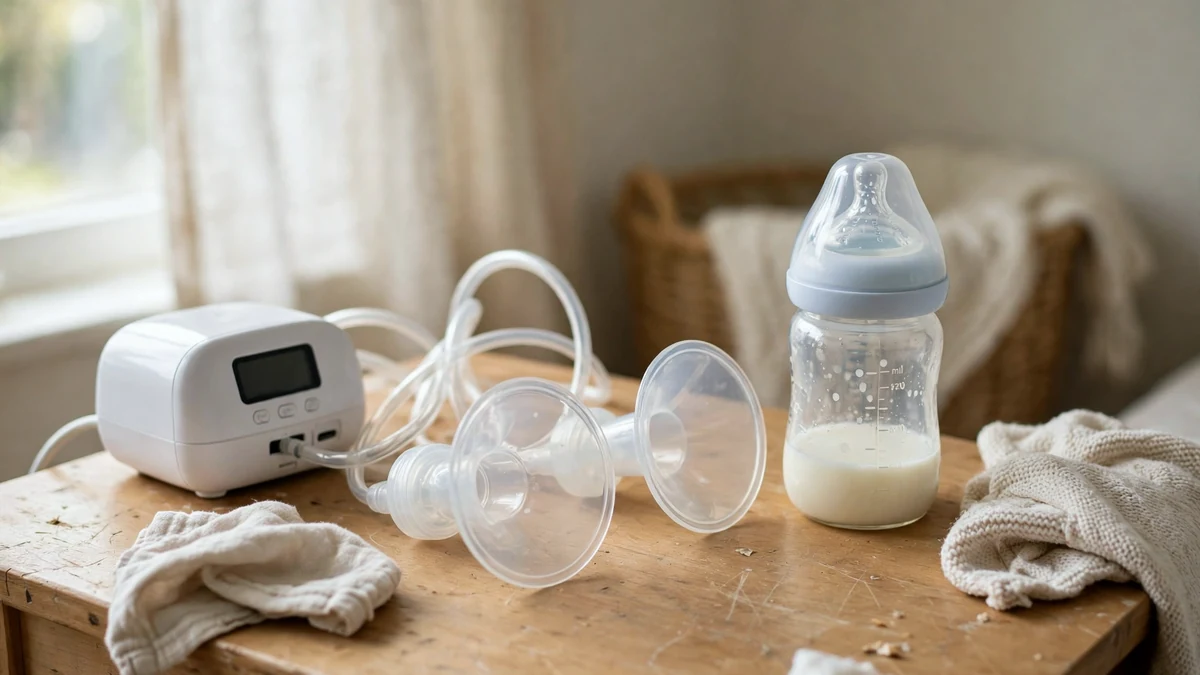
A hungry baby does not wait for a bottle to warm up slowly, and a bottle that is too hot is worse than one that is too cold. A bottle warmer should be the quiet, boring appliance in the nursery that does one job predictably, night after night. What nobody tells a new parent is how many warmers guess at the temperature, overheat the milk, or take so long that the baby is crying before the bottle is ready. The worst bottle warmers of 2026 turn a two-minute job into a ten-minute one at three in the morning, and they do it with a beep that wakes the whole house. A parent deserves a warmer that heats evenly and shuts off on time, not one that turns every feed into a small crisis.
What Makes a Bottle Warmer Bad
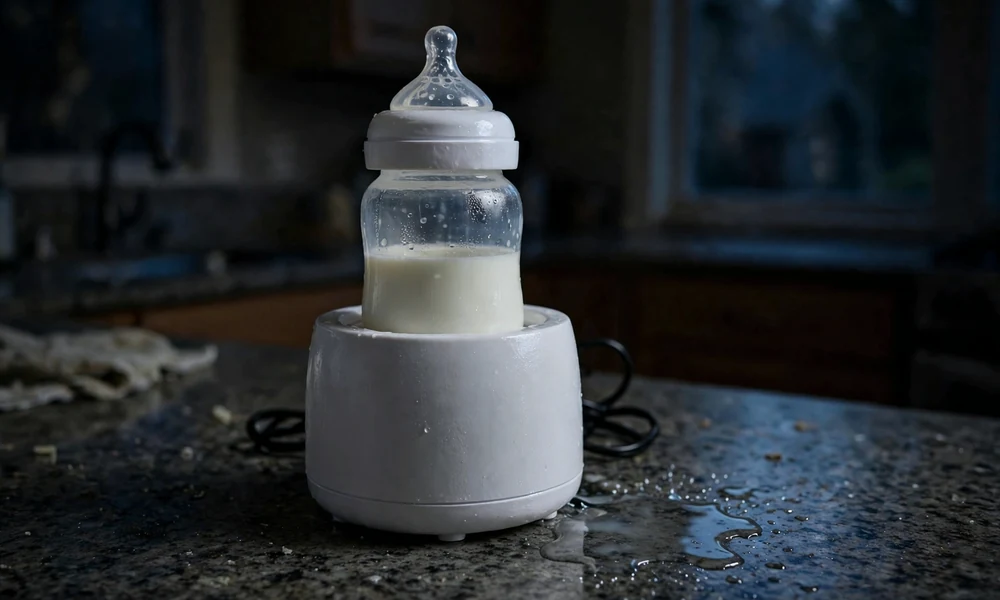
A bottle warmer has one job above all others: it must bring milk to a comfortable temperature evenly, and stop before the milk gets too hot. A good warmer heats the whole bottle at the same pace, so there are no hot spots and no cold pockets, and it switches itself off the moment the milk is ready. A bad warmer heats from one side only, so the milk near the wall is scalding while the milk in the middle is still cold. A parent who shakes the bottle and tests it on a wrist discovers the problem too late, because the temperature is different every time. A warmer that cannot be trusted with temperature cannot be trusted at all.
The second problem is time. A good warmer takes three to five minutes for a cold bottle from the fridge, which is about as long as a hungry baby will tolerate. A bad one takes ten minutes or more, because its heating element is weak, its water chamber is too small, or it loses heat through a badly fitting lid. Some warmers take so long that parents give up and use a jug of hot water instead, which is faster and more reliable, and that tells you everything about the appliance. A warmer that is slower than a jug of water has no reason to exist. If it cannot beat the simplest method, it is not a convenience, it is a burden.
The Main Types of Bottle Warmer, and Where They Go Wrong
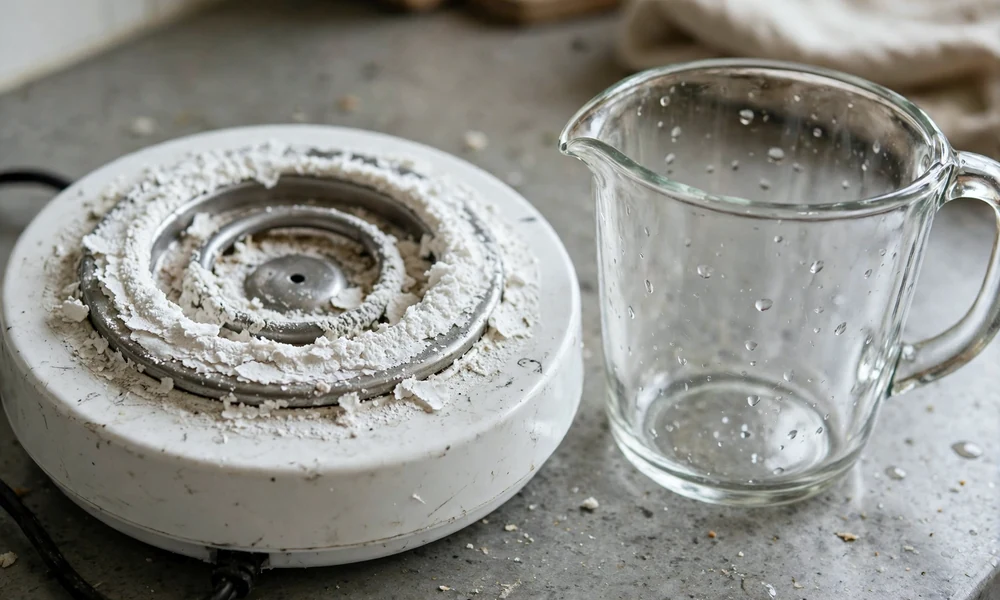
Water-bath warmers are the classic design, and they fail in the most ways. A good one holds enough water to surround the bottle, keeps the water at a steady temperature, and has a basket that lifts the bottle out without scalding fingers. A bad one has a chamber that is too shallow, so half the bottle sits above the water and heats unevenly. Its water evaporates quickly, so it needs topping up every other feed, and its heating element scales up within weeks if the water in your area is hard. The scale makes it slower and noisier, and descaling it is a chore the instructions barely mention. The worst water-bath warmers boil the water dry if they are left on, which is a safety problem as well as a waste.
Steam warmers are faster, and their failures are sharper. A good steam warmer produces a short burst of steam, heats the bottle in two or three minutes, and then stops. A bad one produces so much steam that the bottle comes out too hot to hold, or so little that the milk barely warms. Steam warmers also need descaling, and their narrow steam vents clog with limescale faster than any other part. Some steam warmers have no automatic shut-off at all, so a parent who falls asleep on the sofa wakes to a bottle that has been steaming for an hour. A warmer without a reliable shut-off is not a convenience, it is a hazard. For more on keeping the feeding kit in order, our guide to the best baby bottle cleaners of 2026 covers the brushes and racks that keep bottles and warmer parts free of residue.

The Warmer That Overheats: Worst for Breast Milk
Overheating is the worst failure a bottle warmer can have, because it damages the milk itself. Breast milk loses nutrients and protective properties when it is heated past a certain point, and a warmer that overshoots by ten degrees has ruined the feed, not just made it uncomfortable. The worst warmers overshoot every time, because their thermostat is crude, their sensor sits in the wrong place, or they keep heating after the timer ends. Some warmers heat the bottle to sixty degrees when the target is thirty-seven, and the only way to discover this is to test the milk and find it too hot to use. By then the milk is wasted, and a breastfeeding parent cannot simply make more on demand.
The test is worth doing the first time you use a new warmer. Fill a bottle with water, run the warmer, and test the water with a thermometer at one-minute intervals. A good warmer climbs steadily to the target and stops. A bad warmer climbs past the target, or climbs in jumps, or never reaches the target at all. If it overshoots once, it will overshoot again, and no amount of adjusting the timer will fix a thermostat that does not work. Throw it away and do not buy the same model again, because the fault is in the design, and the milk you save will be worth more than the appliance.
The Slow Warmer: Worst for Night Feeds
A slow warmer is the worst kind at night, because night feeds are when a baby is least patient and a parent is least awake. A warmer that takes twelve minutes to heat a bottle from the fridge means twelve minutes of crying, twelve minutes of rocking, and twelve minutes of a parent standing in a cold kitchen trying to stay awake. The baby is not crying because it is naughty; it is crying because it is hungry and the food is not ready. A warmer that is slow at night is slow because its element is underpowered, its chamber is too big for the bottle, or it was designed for room-temperature bottles and never tested with cold ones.
Some slow warmers are slow only the first time and then improve, because the water in the chamber stays warm between feeds. That is no help at three in the morning, when the warmer has been off for hours and the water is cold. Others are slow because they heat in short bursts with long pauses, which is a design choice that saves electricity and wastes a parent’s time. Time the warmer with a cold bottle from the fridge before you commit to it. If it takes longer than five minutes, it will be a problem every single night, and the nights are when it matters most. A fast, even heat is the whole point of the appliance, and a warmer that cannot deliver it should not be in the nursery.
Noise, Beeps, and the Night Problem
A bottle warmer lives in a house where a baby is trying to sleep, and the bad ones forget that. Some warmers beep loudly when they finish, which wakes the baby that has just been settled, and some beep every minute while they are running, which wakes everyone else. Some have a fan or a pump that hums, clicks, or rattles, and the noise carries down a quiet hallway. The best warmers finish with a soft click or a gentle light, and the worst announce themselves like a microwave. A warmer that wakes the baby it is supposed to feed has failed at its job in the most literal way.
The display is part of the same problem. A warmer with a bright blue screen lights up a dark kitchen and a dark hallway, and a parent who is trying not to wake a baby has to shield the screen with a hand. Some warmers have no dimmer, no night mode, and no way to turn the display off. Others have buttons that need to be pressed firmly and repeatedly, which is hard with one hand while holding a baby. The best warmers have a single dial or a single button, a dim display, and a quiet finish. If the warmer is louder or brighter than the baby, it is the wrong warmer, and the nights will prove it within a week. The nursery is a quiet room at night, and our guide to the best baby bassinets of 2026 covers the sleep setup that a noisy appliance can undo in seconds.
How to Spot a Bad One Before You Buy
Start with the simplest checks in the shop: lift the warmer, look inside the chamber, and ask whether your bottles will fit. A chamber that is narrow, shallow, or oddly shaped will not take a wide-neck or glass bottle. Look for a lift-out basket, a clear water-level mark, and a descaling routine in the instructions that takes minutes rather than hours. If the instructions do not mention descaling at all, the warmer will scale up and slow down within weeks. Check that the shut-off is automatic and that the temperature control is a dial or a clear setting, not a vague timer with no temperature at all. For the warmers that do the job well, our guide to the best baby bottle warmers of 2026 covers the models that heat evenly and stop on time.
Test it at home with water and a thermometer before you trust it with milk. Time it with a cold bottle from the fridge, and check the temperature at one-minute intervals. If it overshoots, if it takes longer than five minutes, or if it beeps loudly enough to wake a sleeping baby, send it back. Buy one warmer, not the most expensive one, and judge it on a week of night feeds, because the night is when it matters. The verdict is simple: buy the warmer that heats evenly, stops on time, and stays quiet, and walk past the one that only looks neat on the counter.
The Verdict
The worst bottle warmers of 2026 are the ones that overheat the milk, take twelve minutes at three in the morning, and beep loudly enough to wake the baby they are supposed to feed. The best are the ones you stop noticing, because they heat a cold bottle in four minutes, stop at the right temperature, and finish with a soft click. Test a new warmer with water and a thermometer before you trust it with milk, and judge it on a week of night feeds. A warmer that fits your bottles, heats evenly, and stays quiet is worth paying for, because it is used when the household is at its most tired. A good warmer is a small appliance, but it is used when a family is at its most tired, and the difference between a good one and a bad one is the difference between a calm night and a crying one.