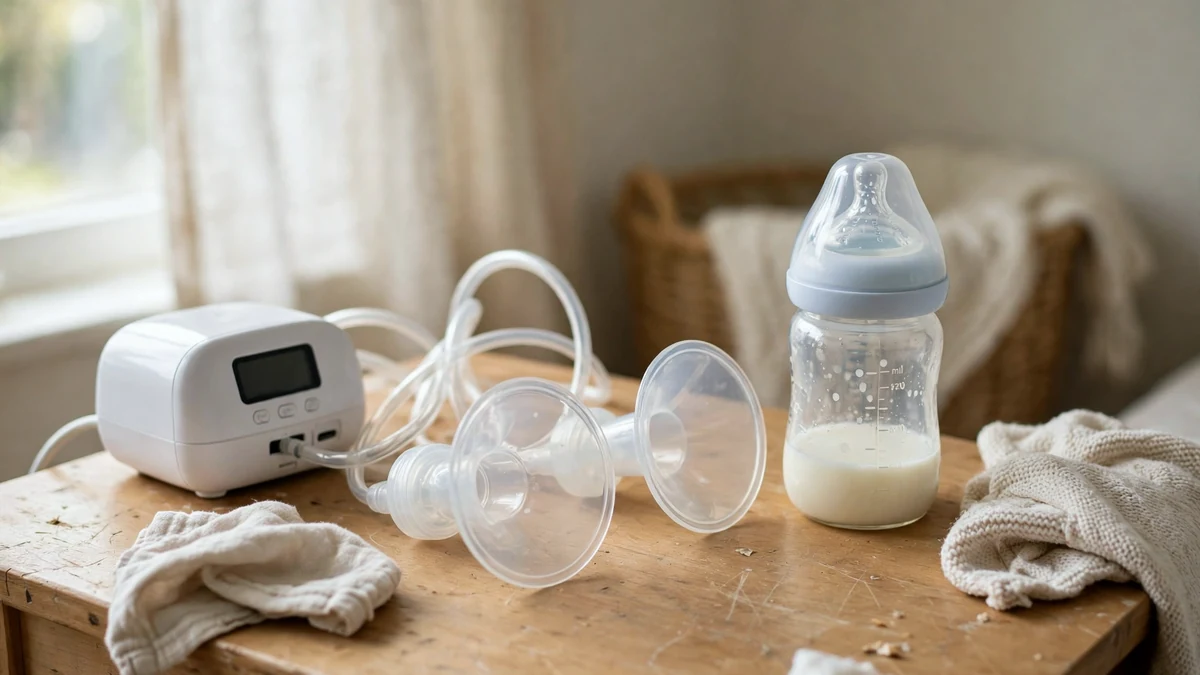
A breast pump is the most personal appliance a new parent will ever buy, and it is also the one where a bad choice hurts the most. It sits against the skin, it works for twenty minutes at a time, several times a day, and when it is wrong it pinches, pulls, and leaves a parent attached to a noisy machine for nothing. The worst breast pumps of 2026 lose suction halfway through a session, rattle on the table, and leave a parent wondering whether the problem is the pump or themselves. It is almost always the pump. A parent deserves a pump that is gentle, steady, and quiet, not one that turns expressing into a chore to dread.
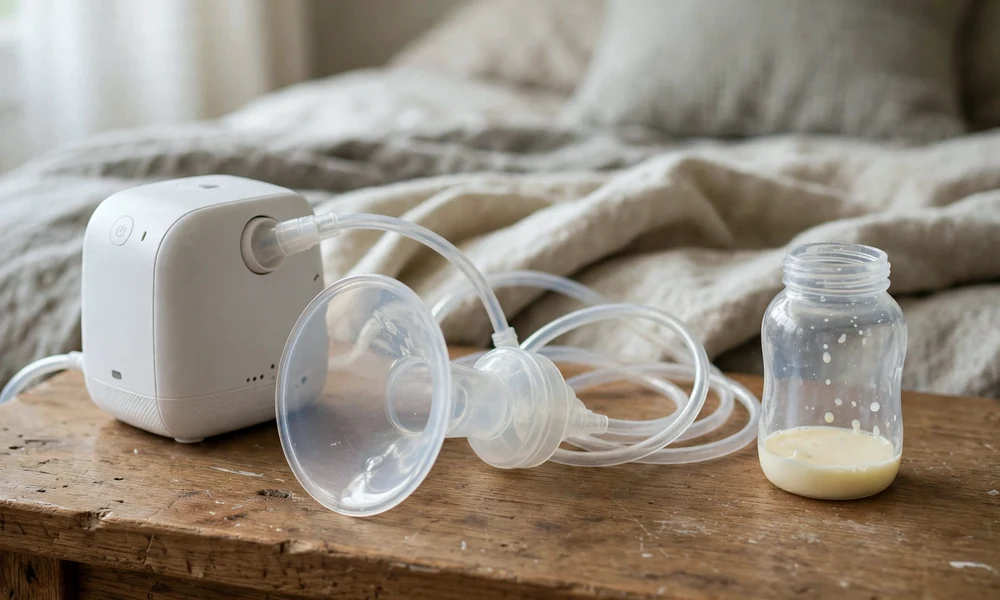
What Makes a Breast Pump Bad
A breast pump has one job above all others: it must draw milk gently and steadily, without pain and without fuss. A good pump has a rhythm that feels like a baby feeding, a suction that can be adjusted in small steps, and a flange that fits the body it is used on. A bad pump has only two speeds, too weak and too strong, and neither one works. Too weak means twenty minutes of pumping for almost nothing. Too strong means pain, sore skin, and a parent who dreads the next session. A pump that cannot be adjusted finely enough is a pump that was designed by someone who never used one.
The second problem is the seal. A good pump holds its vacuum from the first minute to the last, so the milk flows steadily into the bottle. A bad pump loses suction after a few minutes, because a valve has warped, a membrane has split, or a connection has come loose. The parent hears the motor working harder and sees the milk slowing down, and the only fix is to take the whole thing apart, check every seal, and start again. A pump that needs rebuilding in the middle of every session is not a pump, it is a puzzle. If the suction fades, the fault is in the pump, and no amount of repositioning will fix a valve that has lost its shape.
The Main Types of Breast Pump, and Where They Go Wrong
Electric double pumps are the workhorses, and they fail in the most expensive ways. A good double pump empties both sides at once, saves time, and has a motor that runs quietly for months. A bad one has a motor that is loud enough to wake a sleeping baby, a battery that dies after one session, and tubing that kinks the moment it is moved. The worst of them have a motor that overheats after fifteen minutes, so the pump shuts itself off halfway through a session and will not restart until it has cooled down. A pump that cannot finish a single session is useless, and a parent who has to plan expressing around a cooling motor has been sold a broken product.
Manual pumps and single electric pumps suit occasional use, and they fail in quieter ways. A manual pump with a stiff lever tires the hand within minutes, and a lever that squeaks with every squeeze is a noise a parent does not need at three in the morning. A single electric pump takes twice as long as a double, which matters when a parent is expressing three or four times a day. Wearable pumps promise freedom, and the bad ones deliver leaks: they slip, they tip, and they spill milk down a shirt at work. The best wearable pumps stay sealed and stay put, and the worst remind a parent that a pump which moves with the body has to seal perfectly, or it is not worth wearing. For more on the rest of the feeding routine, our guide to the best baby bottle cleaners of 2026 covers keeping every part of the kit clean and free of residue.
The Pump That Hurts: Worst for Comfort
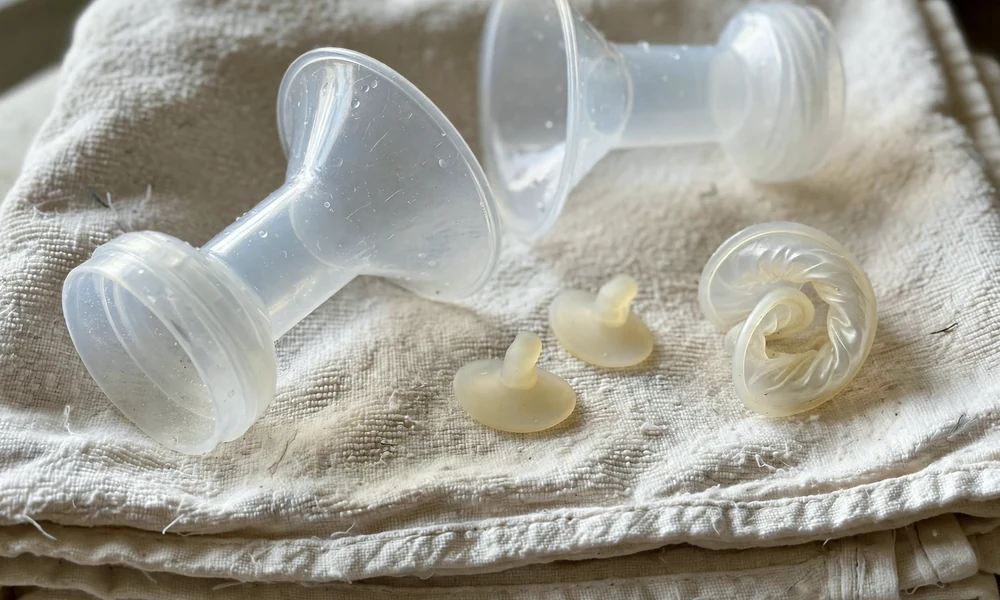
Pain is the worst failure a breast pump can have, because it makes a parent stop expressing altogether. A good pump is gentle, and the flange sits comfortably against the skin without pulling or pinching. A bad pump hurts from the first minute, because the flange is the wrong size, the wrong shape, or made of hard plastic with a sharp edge. Some pumps come with only one flange size, which fits almost nobody, and the right size is sold separately at a price that doubles the cost of the pump. A flange that is too small pinches and blocks the flow, and a flange that is too large pulls skin into the tunnel and bruises it.
The suction pattern matters just as much as the flange. A good pump starts with a fast, gentle stimulation mode and then settles into a slower, deeper rhythm, the way a baby feeds. A bad pump starts at full suction with no build-up, which is painful and counterproductive, because pain slows the flow of milk rather than helping it. Some pumps have a suction control that jumps from gentle to brutal with one click, and no setting in between. If a pump hurts, stop using it and change the flange size first, because that is the most common fix. If it still hurts with the right flange, the pump itself is the problem, and no parent should endure pain from an appliance that is supposed to help.
The Noisy Pump: Worst for Night and Work
Noise is the failure that follows a bad pump everywhere. A good pump hums quietly, so a parent can express while a baby sleeps in the next room, or while sitting at a desk at work. A bad pump rattles, whines, or thumps, and the sound carries through walls and across an office. Some pumps get louder as they age, because the motor mount loosens or the diaphragm wears, and a pump that was quiet in the first week is loud by the second month. A parent who has to hide in a bathroom to express because the pump is too loud has been failed by the product, not by the workplace.
The noise is often a symptom of a deeper problem. A pump that rattles is a pump whose motor is vibrating against its casing, which means the casing is thin or the motor is badly mounted. A pump that whines is a pump whose motor is working harder than it should, which usually means a valve is leaking and the motor is compensating. Either way, the noise is telling you the pump is struggling, and a struggling pump will not last. Listen to a new pump in the shop if you can, and listen again after a month of use. If it has got louder, something inside is wearing out, and it will only get worse. Expressing should be a quiet, private moment, and a pump that announces itself to the whole house is the wrong pump.

Cleaning and the Mould Problem
A breast pump has to be cleaned after every session, and the bad ones make that job harder than it needs to be. A good pump comes apart into a few simple pieces, with no narrow tubes or hidden chambers where milk can hide. A bad one has a flange with a groove that traps milk, a valve housing that cannot be opened, and tubing that cannot be washed at all. Milk left in a warm, dark place grows mould within a day, and mould in a pump is a reason to throw the pump away, not just to clean it harder. If you cannot see into every part that touches milk, you cannot be sure it is clean.
The worst pumps are the ones where the motor unit itself can get milk inside it. A pump with no backflow protection lets milk travel up the tubing and into the motor, and once milk is inside the motor, the pump is finished. Backflow protection is not a luxury feature; it is the difference between a pump that lasts a year and a pump that lasts a month. Check the design before you buy: if there is no barrier between the milk and the motor, walk away. A pump that is easy to clean is a pump that will be used properly, and a pump that is hard to clean will be used badly, or not at all. The rest of the nursery matters too, and our guide to the best diaper bags of 2026 covers the bag that carries the pump, the bottles, and everything else out of the house.
How to Spot a Bad One Before You Buy
Start with the flange: a pump that comes with only one size, and no clear way to measure for the right one, is a pump that was designed for an average that does not exist. Look for a pump with at least three flange sizes in the box, or one where the right size is easy to buy. Check the suction controls in the shop: they should move in small, smooth steps, not jump from nothing to painful. Listen to the motor, and ask how long the battery really lasts, not what the box claims. Check the price of membranes, valves, and tubing, and check that spares are sold where you shop.
Test the pump for a week before you commit to it as your only pump. For the warmer that heats the milk a pump has expressed, our guide to the best baby bottle warmers of 2026 covers the models that heat evenly and stop on time. Express at the same time each day, and watch whether the amount stays steady or fades as the session goes on. If the suction fades, the valve or membrane is failing. If it hurts, change the flange size. If it is too loud for the room you will use it in, it will not get quieter. A pump is used several times a day, every day, for months, and the difference between a good one and a bad one is the difference between a routine that works and a routine that hurts. Buy the pump that is gentle, steady, and quiet, and walk past the one that only looks clever in the photograph.
The Verdict
The worst breast pumps of 2026 are the ones that hurt, lose suction halfway through a session, and rattle loudly enough to wake a sleeping baby. The best are the ones you stop noticing, because the flange fits, the suction is steady, and the motor hums quietly while the milk flows. Check the flange sizes, the spare parts, and the backflow protection before you buy, and test a new pump for a week before you trust it. A good pump is a personal appliance, used when a parent is at their most tired, and the difference between a good one and a bad one is the difference between a routine that helps and a routine that harms.