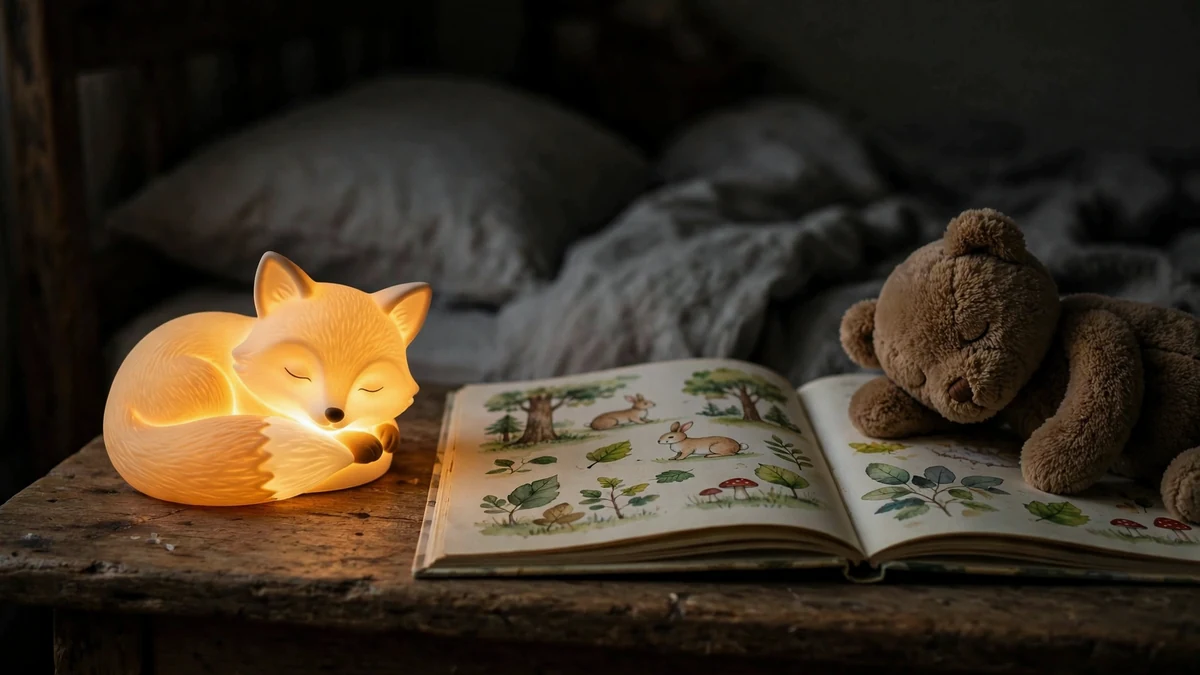
A night light should be the quietest, simplest thing in a child’s bedroom: a small glow that keeps the dark from feeling frightening, without keeping anyone awake. A good night light is soft, steady, and warm, and it stays on until morning without fuss. A bad one flickers, glares too bright, or dies halfway through the night, and it turns a small comfort into a small problem that wakes a child at two in the morning. The worst night lights for kids of 2026 look cute in the photograph, and that is where their virtues end: they are too bright, too hot, or too unreliable for the room they are sold for. A child deserves a light that stays gentle all night, not one that gives up before dawn.
What Makes a Night Light Bad
A night light has one job above all others: it must give a child enough light to feel safe, without giving so much light that nobody can sleep. A good night light is dim, warm, and steady, so a child can see the shape of the room and drift back to sleep. A bad light is too bright, so it lights the whole room and keeps the child awake, or too dim, so it might as well not be on. The worst lights flicker, which is worse than either, because a flickering light is distracting and worrying, and a child who watches a light flicker is a child who is not sleeping.
The second problem is the colour of the light. A good night light is warm, in the amber and orange range, which does not disturb sleep. A bad light is cold and blue, which is the colour that tells the brain to wake up. Some lights are sold as fun because they change colour, cycling through red, green, and blue, and a light that changes colour is a light that keeps a child watching it instead of sleeping. The worst lights are the ones with a bright white setting that is far too strong for a bedroom, and no warm setting at all. A night light should be boring: warm, dim, and the same all night. Anything that flashes, changes, or glows blue is a toy, not a night light.
The Main Types of Night Light, and Where They Go Wrong
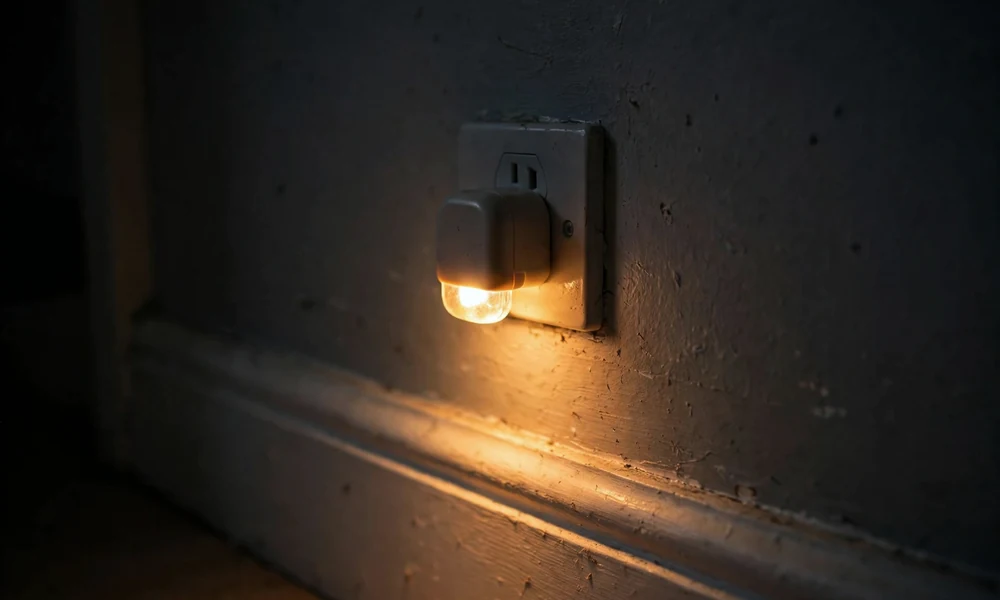
Plug-in night lights are the simplest kind, and they fail in the simplest ways. A good plug-in is small, stays cool, and gives a soft glow that does not light the whole room. A bad one is too bright, so it shines across the room and into the bed, or it sticks out of the socket so far that it gets knocked and broken. The worst plug-in lights get hot, which is a safety problem in a child’s room, and some have a sensor that turns them off when the room is dark, which is exactly when they are needed. A plug-in light that turns itself off in the dark has failed at its only job.
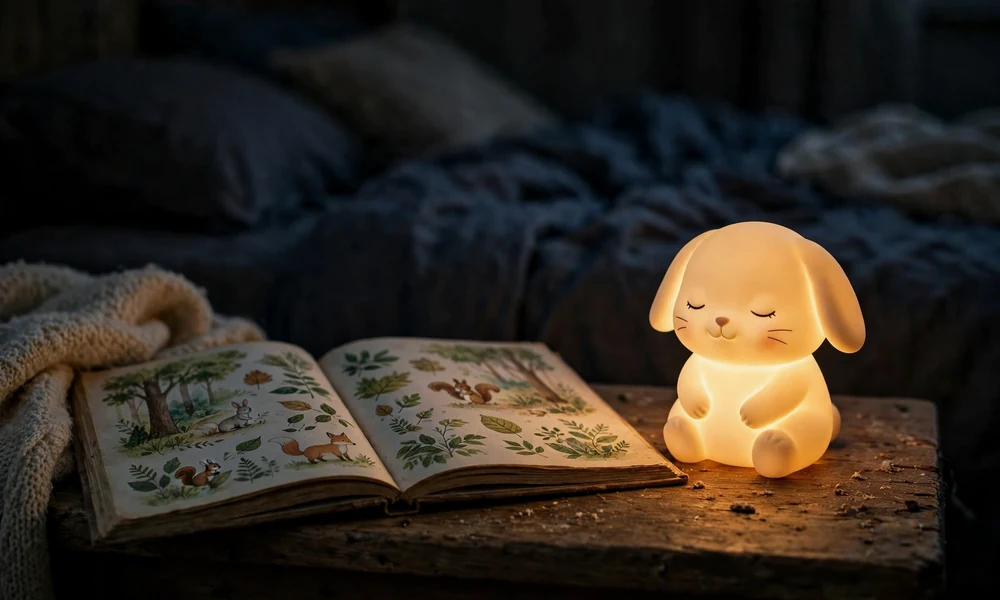
Portable and animal-shaped lights promise comfort a child can hold, and they fail differently. A good portable light is soft, rechargeable, and lasts all night on one charge. A bad one has a battery that dies after two hours, so the light goes out at midnight and the child wakes in the dark. The worst portable lights are made of hard plastic with a bright bulb inside, so they are too hot to hold and too bright to sleep beside. Some have buttons that a child presses in their sleep, cycling the light through colours and brightness settings, so the light that was soft at bedtime is bright and blue by midnight. For more on the sleep setup around the light, our guide to the best night lights of 2026 covers the full range of lights for hallways, bedrooms, and late-night trips.
The Light That Dies at Midnight: Worst for Reliability
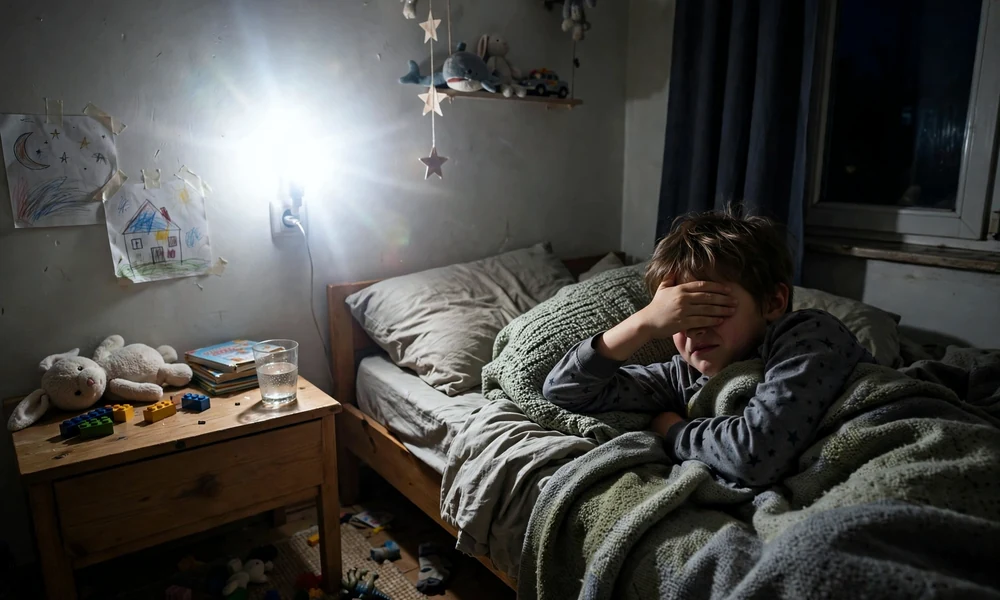
A night light that dies halfway through the night is the worst kind for reliability, because it fails at the moment it is needed most. A good night light stays on from bedtime until morning, whether it is plugged in or running on a battery. A bad battery light runs for two or three hours and then fades, so the room goes dark at midnight and the child wakes frightened. The worst battery lights give no warning: they shine brightly at bedtime and go out without dimming, so the change is sudden and alarming. A child who wakes in sudden darkness is a child who will not go back to sleep easily.
The battery is usually the problem. A good rechargeable light holds its charge for months and takes a full night in its stride. A bad one has a battery that fades within weeks, so a light that lasted all night in January lasts two hours by March. Some lights use disposable batteries that cost more to replace than the light is worth, and some have a battery that cannot be replaced at all, so the whole light becomes rubbish when the battery dies. Plug-in lights avoid the battery problem, and the best ones stay on all night without fail. If a light cannot last until morning, it is not a night light, it is a bedtime light, and a bedtime light is not enough. Check how long the light really lasts, not what the box claims, and test it overnight before you trust it.
Too Bright, Too Blue, and the Sleep Problem
Brightness is the failure that shows up on the first night. A good night light is dim enough that a parent can barely see it from the doorway, and warm enough that it feels like candlelight. A bad light is bright enough to read by, which means it is bright enough to keep a child awake. The worst lights have no dimmer at all, so the only choice is on, too bright, or off, too dark. Some lights have a dimmer that is hard to find, or a touch control that a child presses in their sleep, so the light that was dim at bedtime is bright by midnight.
The colour is just as important as the brightness. Blue and white light tell the brain to wake up, which is the opposite of what a night light should do. A good night light is amber or warm orange, which does not disturb sleep. The worst lights are blue, white, or colour-changing, and a light that cycles through colours is a light that keeps a child watching it. Some lights are sold as fun because they project stars or shapes on the ceiling, and a projection that moves is a distraction, not a comfort. A night light should be boring, warm, and dim, and anything that flashes, changes colour, or projects moving shapes is a toy that happens to glow. For the rest of the bedroom, our guide to the best floor lamps for kids rooms of 2026 covers the main lighting that the night light works alongside.
Heat, Sensors, and the Safety Problem
A night light lives in a child’s bedroom, and the bad ones forget that safety comes first. A good night light stays cool to the touch, even after hours of use, so a child who picks it up cannot be burnt. A bad one gets hot, because it uses an old-fashioned bulb or a cheap LED that wastes energy as heat. The worst lights get hot enough to be uncomfortable to hold, which is a burn waiting to happen in a room where a child reaches for the light in the dark. Touch the light after it has been on for an hour: if it is warm, it is too warm, and if it is hot, it should not be in a child’s room.
Sensors are the other safety problem. A good night light has a sensor that turns it on when the room gets dark, or no sensor at all and a simple switch. A bad one has a sensor that is too sensitive, so the light flickers on and off as clouds pass, or not sensitive enough, so the light stays off until the room is pitch dark. The worst sensors turn the light off when it is dark, which is backwards, and the instructions do not explain how to fix it. Some lights have a sensor that is covered by the shade itself, so the light thinks the room is bright and turns itself off. A night light should be simple: on at bedtime, on all night, off in the morning. Anything cleverer than that is a failure waiting to happen. The plug itself matters too. A plug-in light that sticks out too far from the socket gets knocked by passing feet and cracked against the skirting board, and a light that blocks both sockets of a double outlet leaves nowhere to plug in a monitor or a charger. The best plug-in lights are slim, sit flush against the wall, and leave the second socket free. The worst are bulky, stick out at an angle, and wobble in the socket until the connection loosens and the light flickers.
How to Spot a Bad One Before You Buy
Start with the simplest test in the shop: look at the light in a dark corner, and ask whether it is warm and dim, or bright and blue. If it is bright enough to read by, it is too bright for a bedroom. Touch the light after it has been on for a while, and if it feels warm, it is too hot for a child’s room. Check the battery: ask how long it really lasts, not what the box claims, and check whether the battery can be replaced. Check the controls: a light with one simple switch is better than a light with touch controls a child can press in their sleep.
Test the light overnight before you trust it. Put it in the bedroom, turn it on at bedtime, and check it at midnight and again in the morning. If it has died, flickered, changed colour, or got bright, it is the wrong light. For the sounds that help a child sleep alongside the light, our guide to the best white noise machines of 2026 covers the machines that mask the noises a light cannot. The verdict is simple: buy the light that is warm, dim, cool, and steady all night, and walk past the one that only looks cute in the photograph.
The Verdict
The worst night lights for kids of 2026 are the ones that die at midnight, glare too bright, or glow blue and keep a child awake. The best are the ones you stop noticing, because they are warm, dim, cool to the touch, and steady from bedtime until morning. Test a new light overnight before you trust it, and judge it on whether the child sleeps, not on how it looks in the shop. A good night light is a small thing, but it is on every night, and the difference between a good one and a bad one is the difference between a child who sleeps and one who wakes in the dark.