Breakfast is supposed to set you up for the day, yet some of the most popular morning trends do the opposite. The worst breakfast trends that leave you hungry promise energy, lightness, and control, then fade within an hour, leaving a growling stomach and a strong urge to raid the kitchen before lunch.
Part of the problem is that many trends are designed to look good rather than work well. A tiny bowl or a bright juice photographs beautifully, but it cannot tell you whether a meal will keep you full. Satiety depends on protein, fibre, healthy fat, and volume. When one of those pieces is missing, hunger returns quickly.
This guide looks at the worst breakfast trends that leave you hungry, explains why each one fails, and shows what to eat instead. The goal is to help you spot a trend that looks clever but leaves you underfed, so you can build a morning meal that actually lasts until lunch.
Key takeaways
- Many trendy breakfasts are low in protein and fibre, which help you feel full for longer.
- Liquid-only mornings, tiny portions, and sugar-first meals tend to cause hunger within two hours.
- A filling breakfast combines protein, fibre, healthy fat, and enough volume to feel satisfying.
- Skipping breakfast can work for some, but it often backfires when it leads to overeating later.
- Small upgrades, such as eggs, Greek yoghurt, nuts, or whole grains, can turn a weak trend into a lasting meal.
Why So Many Breakfast Trends Fail
Breakfast trends usually fail for the same few reasons: they cut calories too sharply, rely on one food group, or replace chewing with sipping. Hunger is a signal that the meal did not provide enough lasting fuel.
Protein is central to fullness. Eggs, Greek yoghurt, cottage cheese, beans, tofu, and nut butter slow digestion and steady appetite. Fibre adds bulk, while healthy fats in nuts, seeds, avocado, and olive oil add staying power. When a trend removes two of these, it is almost guaranteed to leave you hungry.
Volume matters too. A small bowl of cereal, a single rice cake, or a shot of juice takes up little space in the stomach, and a breakfast that is over in three sips rarely feels like a real meal.
The Sugar-First Trap
Many breakfast trends start with sugar, even from fruit, honey, or a sweetened drink. A sweet start can cause a quick rise followed by a sharp dip, which often feels like sudden hunger. Without protein or fibre to slow it down, the lift does not last.
The Tiny-Portion Problem
Some trends treat a small portion as proof of discipline. A miniature smoothie bowl or half a slice of toast may look neat, but it often supplies far less energy than an active morning needs. Does the meal keep you comfortable for three to four hours? If not, add a second food group.
1. The Juice-Only Morning
A juice-only breakfast sounds clean and refreshing, but juicing removes most of the fibre, leaving mainly water and natural sugars. You drink the calories quickly, with little chewing and little protein, so fullness fades fast.
Juice can also be surprisingly high in sugar: a large glass made from several oranges and an apple can contain as much sugar as a soft drink. If you enjoy juice, treat it as a drink alongside food, not as the meal itself.
2. Plain Toast and Coffee
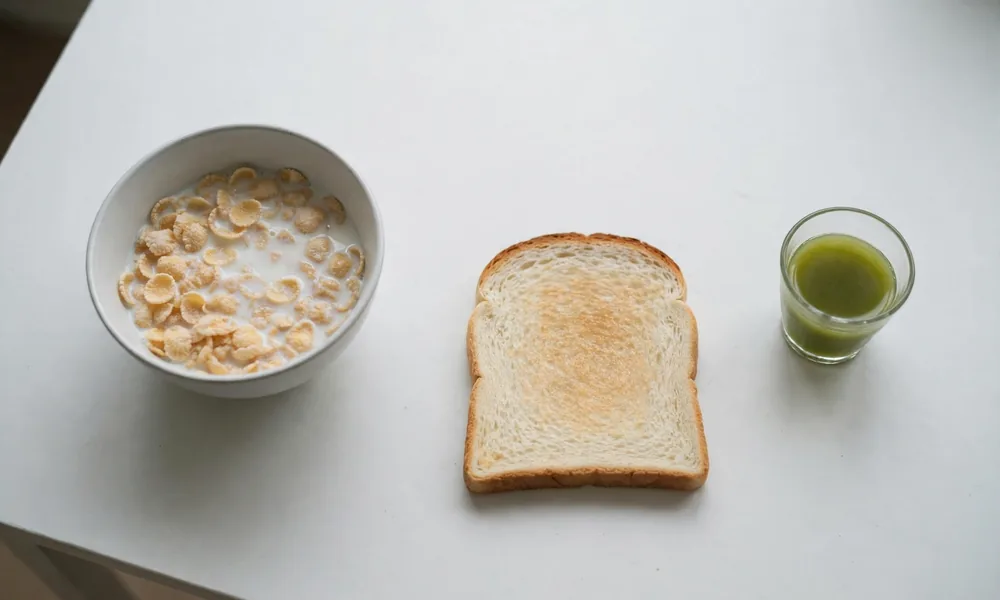
Plain toast and coffee is one of the oldest quick breakfasts, and also one of the least filling. White toast provides fast-digesting carbohydrate with little fibre or protein, while coffee adds alertness but no lasting energy. Together, they mask hunger briefly, then let it return with force.
The fix does not require a complicated cooked breakfast. Wholegrain toast with peanut butter, mashed avocado and egg, or cottage cheese and tomato turns the same base into a balanced meal. Coffee can reduce appetite briefly, but caffeine does not replace calories, so eating alongside your coffee leads to a steadier morning.
3. The Tiny Smoothie Bowl
Smoothie bowls look like the perfect healthy breakfast, but the problem is portion size and balance. Many versions are mostly frozen banana and berries, topped with a thin sprinkle of granola. They taste sweet and light, but they often contain little protein and disappear quickly.
A smoothie bowl can work when it is built like a meal. Greek yoghurt, protein powder, nut butter, or silken tofu can raise the protein level, while oats, chia seeds, and nuts add fibre and fat. A larger bowl also takes longer to eat, which helps the brain register fullness.
4. Sugary Cereal With Skimmed Milk
Sugary cereal is marketed as a quick, fun start to the day, but it is one of the worst breakfast trends that leave you hungry. Most sugary cereals are low in fibre and protein and high in refined carbohydrate, and skimmed milk adds little fat to slow digestion, so hunger returns soon after.
The bowl can also be deceptive, because a serving on the box is often much smaller than the amount most people pour. A stronger version changes the base: porridge made with milk, wholegrain cereal with nuts and seeds, or a smaller portion of cereal alongside yoghurt and fruit will last longer. When menus lean too heavily on one sweet or starchy idea, the result is similar to the problem described in our look at menu overload and why too many similar choices make eating less satisfying.
5. Skipping Breakfast to Save Calories
Skipping breakfast is often presented as a simple way to cut calories. For some people it works well, especially when lunch is balanced. For many others, hunger builds through the morning, concentration drops, and lunch turns into a much larger meal. The calories saved at breakfast are often eaten back later in the day.
The issue is not the skipped meal itself, but the lack of a plan. If you skip breakfast because you are not hungry, that is different from skipping it because a trend told you to. If you are raiding snacks or feeling shaky by late morning, a small, protein-rich breakfast, such as yoghurt with nuts or an egg on toast, can prevent the crash without feeling heavy.
6. Detox Tea and Lemon Water Only
Detox teas and lemon water are often sold as a way to cleanse the body before breakfast. In practice, they are drinks, not meals: neither provides protein, fibre, or meaningful energy. Calling a drink a breakfast does not make it filling.
Some detox teas also contain laxatives or strong herbal blends that can cause stomach discomfort, sometimes mistaken for the product working. If you like lemon water or tea, keep them as a pleasant start, then eat real food. Water before breakfast can help hydration, but it should not replace the meal.
7. Rice Cakes and Fruit Alone
Rice cakes feel light and safe, which is why they appear in so many diet trends. A plain rice cake, however, is mostly air and refined starch, providing very little protein, fibre, or fat. Fruit alone has a similar weakness: an apple or a banana is a useful snack, but it is rarely enough for a full breakfast.
Rice cakes can still work as a base rather than the whole meal. Top them with peanut butter and banana, cottage cheese and tomato, or smashed avocado and egg, and they become far more satisfying. A kitchen stocked with useful tools rather than single-use gadgets makes this kind of quick upgrade easier, as shown in our guide to the worst kitchen gadgets that waste counter space.
How to Build a Breakfast That Lasts
A filling breakfast does not need to be large, expensive, or complicated. It needs a simple formula: protein plus fibre plus healthy fat plus enough volume. Eggs, yoghurt, beans, tofu, nuts, seeds, whole grains, and fruit can be mixed in many ways to meet it.
Start with a protein anchor: two eggs, a pot of Greek yoghurt, cottage cheese, or a serving of beans. Then add a fibre-rich base, such as wholegrain toast, oats, or fruit, and a source of healthy fat, such as nuts, seeds, avocado, or olive oil. Overnight oats, boiled eggs, and pre-cut fruit make a balanced breakfast as fast as a sugary cereal.
Simple Swaps That Fix Weak Trends
Small changes can rescue most of the trends above. Swap juice for whole fruit with yoghurt, plain toast for toast with egg or nut butter, a tiny smoothie bowl for a larger one with added protein, and sugary cereal for porridge with nuts and seeds. Each swap keeps the flavour you liked while adding the nutrients that were missing, and a breakfast that keeps you full until lunch reduces the need for mid-morning snacks.
| Trendy breakfast | Why it leaves you hungry | Better swap |
|---|---|---|
| Juice only | No fibre, little protein, fast sugar | Juice with eggs and toast |
| Plain toast and coffee | Fast carbs, no protein or fat | Toast with egg or nut butter |
| Tiny smoothie bowl | Mostly fruit, low protein | Bowl with yoghurt and nuts |
| Sugary cereal | Low fibre, high refined sugar | Porridge with nuts and fruit |
| Rice cakes and fruit | Mainly carbohydrate, little staying power | Rice cakes with protein and fat |
Checklist: Spot a Breakfast That Will Leave You Hungry
- It contains no clear protein, such as eggs, yoghurt, beans, tofu, or nuts.
- It is mostly liquid, with little to chew and no fibre.
- It is very small, even though you have a busy morning.
- It starts with sugar and offers nothing to slow digestion.
- It relies on a single food, such as toast, fruit, or rice cakes.
- You are hungry again within an hour, most days.
Frequently Asked Questions
Why do I get hungry so soon after breakfast?
You may be eating too little protein or fibre, or too much sugar. A meal that is mainly refined carbohydrate is digested quickly, so hunger returns fast. Adding protein, fibre, and healthy fat usually extends fullness by several hours.
Is juice a bad breakfast?
Juice is not bad as a drink, but it is a weak meal on its own. Juicing removes fibre and leaves mainly sugar and water. A small glass alongside eggs, yoghurt, or wholegrain toast works much better.
Can I skip breakfast and still feel full later?
Some people feel fine skipping breakfast, especially if lunch is balanced. Others become very hungry and overeat later. If skipping leads to snacking or a huge lunch, a small protein-rich breakfast may suit you better.
What is the most filling breakfast food?
Eggs, Greek yoghurt, cottage cheese, beans, and porridge with nuts are among the most filling choices. They combine protein and fibre, which help control appetite, and the most filling breakfast is usually a mix of foods.
Are smoothie bowls always a bad choice?
No, smoothie bowls can be filling when they include protein and healthy fat. Add Greek yoghurt, nut butter, protein powder, oats, chia seeds, or nuts. A bowl made mostly from fruit is the version most likely to leave you hungry.
How can I make breakfast more filling without eating much more?
Focus on balance rather than size. Add an egg, a spoonful of nut butter, a handful of nuts, or a pot of yoghurt to the meal you already eat. These small additions help you stay full without doubling the portion. Choosing a restaurant that values simple, well-made food can also help, as explained in our guide to fine dining value and what makes a meal worth its price.
The Bottom Line
The worst breakfast trends that leave you hungry share a simple flaw: they look impressive but miss the nutrients that create lasting fullness. Juice alone, plain toast, tiny smoothie bowls, sugary cereal, detox drinks, and rice cakes with fruit all promise a light start, yet they often lead to hunger and snacking. A better breakfast is a balanced mix of protein, fibre, healthy fat, and enough volume to feel like a real meal.