The Worst Carpet Cleaners of 2026 — What to Avoid
The worst carpet cleaners of 2026 rarely ruin a carpet in a single visit. They wear it down slowly: the same stain that returns a week later, the same damp patch that never dries, the same flattened pile where the machine went over too fast. Carpet cleaning is a specialist trade, not a quick once-over with a hired machine, and a bad cleaner can leave a carpet wetter and weaker than they found it. This guide ranks the worst types by the patterns they share, so you can spot a bad one before you hand over your rooms or your money.
Key takeaways
- A carpet should feel barely damp after a proper clean, not soaking wet: over-wetting is the biggest sign of a bad cleaner.
- Stains that vanish on the day and return a week later were never removed, only pushed deeper into the pile.
- Wool, silk and antique rugs need different cleaning from synthetic carpet; treating them all the same is a risk.
- Get the price, the rooms and what is included in writing before anyone switches a machine on.
- Check drying times, insurance and a real address, and never pay in full until the carpet is dry and the stains are gone.
How the worst carpet cleaners were chosen
Every type below was scored on five measures. Thoroughness comes first: does the clean lift the dirt and the stains, or only the surface dust? Honesty is second: does the firm quote a real price and stick to it, or does the bill grow once the machine is running? Care is third: how the cleaner treats different fibres and furniture, and whether mistakes are owned. Drying is fourth, because a carpet left soaking wet for days grows mould. Value is fifth, the real cost once extras and re-cleans are added.
Two notes before the list. First, this guide is about carpet cleaning only: deep-cleaning fitted carpets and rugs with extraction machines and stain treatment. General room cleaning is a different job, covered in our guide to the worst cleaners of 2026, and the weekly domestic visit is covered in our guide to the worst house cleaners of 2026. Second, no firm is named as the worst, because the same bad patterns appear everywhere.

Comparison table: the worst carpet cleaners of 2026
| Rank | Type | Fault | Cost to you |
|---|---|---|---|
| 1 | The over-wetters | Floods the carpet, soaking for days | Damp, smells, mould under the pile |
| 2 | The shrinkers | Wrong heat, chemicals on wool | A rug that shrinks or loses colour |
| 3 | The stain hiders | Pushes stains down, never lifts them | Stains that return within a week |
| 4 | The rushers | One fast pass, no pre-treatment | A carpet that looks clean and is not |
| 5 | The quote creepers | Low quote, extras added on the day | A bill double the price you agreed |
| 6 | The chemical cowboys | Harsh chemicals, sticky residue, no rinsing | Sticky residue, risks to pets and children |
| 7 | The disappearing firms | Deposit taken, visit never happens | Money gone, carpet still dirty |
The worst carpet cleaners of 2026
1. The over-wetters: the carpet that never dries
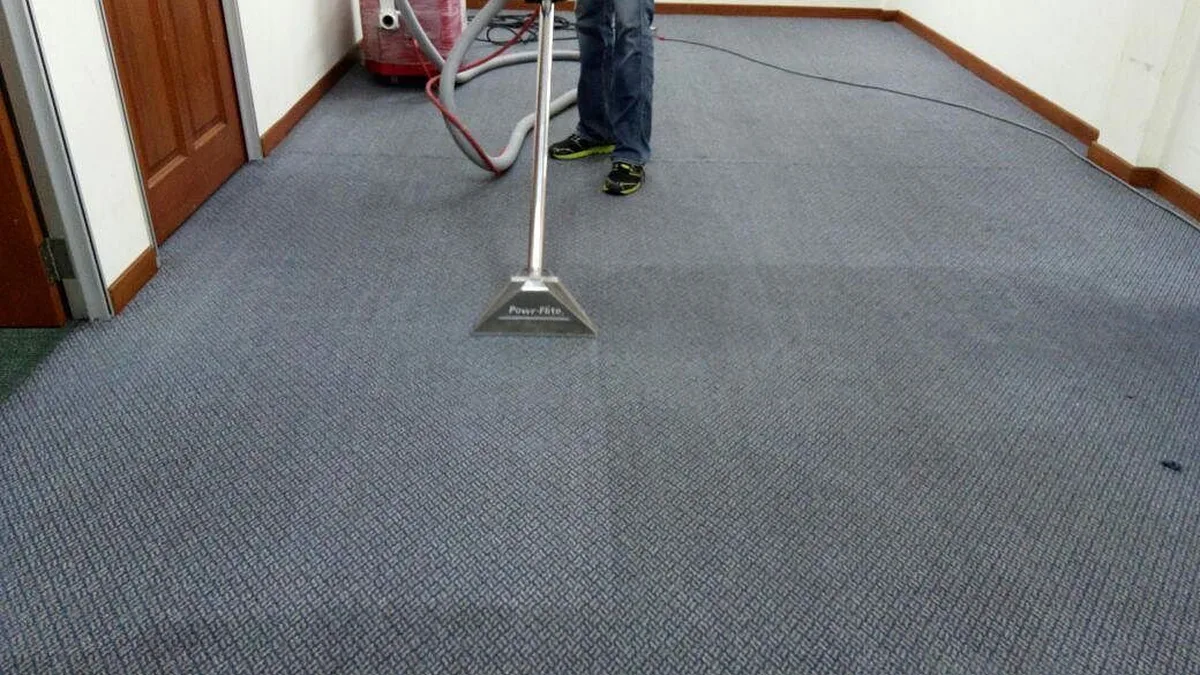
The worst carpet cleaners of 2026 are the over-wetters, because a soaked carpet is not a clean carpet. A proper extraction clean uses just enough water to lift the dirt, then extracts almost all of it, leaving the carpet barely damp and dry within hours. The over-wetters flood the pile: the machine moves too slowly, the water runs too freely, and the extraction passes are skipped to save time. The carpet squelches underfoot and the room smells damp for days. Left wet, the backing weakens, the gripper rods rust, and mould grows underneath. The giveaway is the drying promise. A good cleaner says the carpet will be dry in a few hours. If a cleaner says two days, the machine is doing the soaking and not the lifting.
2. The shrinkers: the rug that came back smaller
Not every carpet takes the same clean, and the shrinkers never ask what yours is made of. Wool, silk and natural fibres shrink, buckle and lose colour under water that is too hot, chemicals that are too strong, or a machine that is too rough. A hand-knotted wool rug needs a gentle, cool clean; the shrinkers give it the same blast a synthetic office carpet gets. As the rug dries, the edges pull in, the pattern ripples, the colours bleed, and a rug that cost hundreds is suddenly worth nothing. A good cleaner asks what the carpet is made of, checks the label, and tests a hidden corner first. Never let anyone clean a valuable rug without a fibre check.

3. The stain hiders: the stain that comes back
The stain hiders are the most frustrating of all, because the job looks perfect on the day. The coffee stain is gone, the pet mark has vanished, and you pay happily. A week later the stain is back, as dark as ever. What happened is wicking: the cleaner pushed the stain deeper instead of lifting it out, and as the carpet dried, the stain wicked back up to the surface. Real stain removal is slow: the stain is treated first, given time to break down, then extracted pass after pass until the water runs clear. The hiders skip the treatment and the repeat passes, relying on the wet carpet to hide the stain until they are gone. Agree in writing which stains the cleaner expects to remove, and check the carpet again a week after the clean, not just on the day.
4. The rushers: one pass and out the door
A proper clean has stages: vacuum first, pre-treat the stains, work the solution into the pile, extract it out, and check the result. The rushers skip most of them. The machine goes over the carpet once, fast, with no vacuuming and no pre-treatment, and the cleaner is packing up before the room has had a proper pass. The carpet looks brighter from the doorway, but the dirt deep in the pile is still there, and the stains have only been dampened. Rushing is easy to miss, because a fast worker can look efficient. Check the edges: the carpet by the skirting boards, the corners, and under furniture. Agree the steps in advance and watch for the vacuum first. A cleaner who starts with the wet machine and never touches a vacuum is wetting your carpet, not cleaning it.
5. The quote creepers: the price that grows with the rooms
The quote creepers are the cleaners whose price is never the price you agreed. A friendly voice quotes a low figure over the phone, with no visit and no written list. On the day, the stairs are extra, the landing is extra, the stain treatment is extra, and by the time the bill arrives the total has doubled. A good firm asks how many rooms there are, what carpet you have and which stains matter, then puts the price in writing with the room list attached. If a firm will not do that, the low quote is not a bargain; it is the hook. Always ask what is not included before you book. The cheapest carpet clean is rarely the cheapest once the extras land.
6. The chemical cowboys: strong sprays, sticky carpets
The chemical cowboys treat every carpet the same: a heavy dose of the strongest product they own, barely rinsed. The result is a carpet that feels sticky underfoot, attracts dirt faster than before, and smells of chemicals for days. Residues left in the pile are a hazard for small children who play on the floor and for pets who lick their paws, and the wrong product on wool can strip colour and weaken fibres. A cleaner who cannot name what they use is a risk to your home and your health. A good cleaner names the products, explains why they suit your carpet, and rinses properly. Ask what is in the bottle and whether it is safe for children and pets. If the answer is a shrug, send them away.
7. The disappearing firms: the booking that never happens
The disappearing firms take your deposit and never turn up: they confirm the night before, then go silent. The carpet stays dirty, the deposit is gone, and the number stops answering. Watch for the signs from the start: no real address, no insurance, no card payment, and a price far below every other quote. A decent firm confirms in writing, answers the phone on the day, and takes a card payment you can trace. If your clean has a hard deadline, book a firm that confirms in writing and answers the phone on the day. Never pay a deposit in cash to a firm you cannot find on a map.
What to avoid when booking a carpet cleaner
The most common regret is a wrong match: a heavy extraction clean for a delicate wool rug, a cheap one-pass job for deep pet stains, or a firm chosen on price alone with no check on drying times. Check three things before you pay: what the carpet is made of, how long it will take to dry, and the total price in writing with every room listed. Our guide to the worst dry cleaners of 2026 makes the same point about fibres and prices.
Checklist: booking a carpet cleaner
- Ask what your carpet is made of and how the cleaner will treat that fibre.
- Get the price, rooms, stains and what is included in writing before anyone switches a machine on.
- Ask how long the carpet will take to dry, and walk it in socks to check it is barely damp.
- Agree in writing which stains the cleaner expects to remove, and check again a week later.
- Check insurance, references and a real address, and pay by card.
- Never pay in full until the carpet is dry, the stains are gone and the pile feels clean, not sticky.
Frequently asked questions
How long should a carpet take to dry after cleaning?
A few hours, not days. A proper clean leaves the carpet barely damp, dry within four to six hours with normal ventilation. If it is still wet the next day, it was over-wetted.
Can carpet cleaners remove every stain?
No, and an honest cleaner says so. Most food, drink and pet stains can be lifted, but old stains, bleach damage and some dyes are permanent. Be wary of any cleaner who guarantees every stain will vanish.
Is steam cleaning safe for wool carpets?
Only when done gently, with cooler water and the right detergent. Wool shrinks under too much heat or the wrong chemicals, so a wool rug needs a cleaner who checks the fibre first.
Why do stains come back after carpet cleaning?
Because the stain was pushed deeper instead of lifted out, and wicked back to the surface as the carpet dried. Real removal treats the stain first and extracts it until the water runs clear.
Should I vacuum before the carpet cleaner arrives?
A good cleaner vacuums first, because loose dirt must come out before the wet clean starts. If your cleaner skips the vacuum, the dirt is driven deeper, not removed.
How often should carpets be professionally cleaned?
Most homes need it once a year, more often in busy rooms, homes with pets, or households with allergies. A carpet cleaned properly lasts longer than one left until dirt has ground in.
Bottom line
The worst carpet cleaners of 2026 make the carpet look clean without making it clean. Check the fibre, agree the price in writing, ask about drying times, and inspect the carpet a week later, not just on the day. Do those four things and your cleaner will lift dirt out, not push it deeper in.


