Stay Off the Worst Chairlifts of 2026: Open Chairs That Stall, Sway and Freeze You Mid-Slope
The worst chairlifts of 2026 look like the easiest way up the mountain: a chair swings around, you sit down, and the slope rises beneath you while your legs rest. A bad chairlift rarely announces itself at the bottom station. This guide ranks the seven worst chairlifts of 2026 by type and pattern, not by naming any resort or lift, so you can spot the trap before you sit down.
Key takeaways
- A chairlift is an open chair hanging from a cable, not an enclosed gondola cabin: you ride in the wind, the cold and the snow, with only a safety bar between you and the slope.
- The fixed-grip double chair that crawls up the mountain is the chairlift to avoid first: slow, cold and exposed for the whole ride.
- A chair that stalls at the loading zone or stops in every gust wastes more of your day than any queue at the bottom.
- Wind exposure matters more than lift speed: a fast chair on an exposed ridge is worse than a slow chair in a sheltered bowl.
- Always check the wind hold record, the real ride time, the loading help and the top-station exit before you join the queue.
How the worst chairlifts of 2026 were chosen
Every type below was scored on five measures. Ride time comes first: how long the chair actually takes, including stops, against the time the run below would take to ski. Reliability is second, judged on how often the lift stops, stalls at loading, or closes for wind. Exposure is third, covering wind, cold and snow on an open chair with no walls.
Two notes before the list. First, this guide is strictly about open chairlifts: chairs hanging from a cable overhead, with no walls, no door and no cabin, ridden in the open air. A gondola is a different ride: an enclosed cabin hanging from the same kind of cable, with seats, walls and a door, as our guide to the worst gondolas of 2026 explains, and that guide explicitly left open chairlifts out, because a chair you sit on in the wind is not a cabin you sit inside. A street cable car is different again, a car gripped to a cable under a city road, as our guide to the worst cable cars of 2026 shows. The resort around the lift matters too: a resort that suits beginners will forgive a slow lift more easily than one built for experts, as our guide to the worst ski resorts for beginners of 2026 explains.
Comparison table: the worst chairlifts of 2026
| Rank | Chairlift type | Main problem | Ride instead |
|---|---|---|---|
| 1 | Fixed-grip double chair | Slow, cold, exposed | Detachable quad in shelter |
| 2 | Detachable chair, loading stalls | Stops at every load | Fixed-grip with patient loading |
| 3 | Bubble chair, broken bubble | Bar jams, bubble stuck | Open chair with a working bar |
| 4 | Wind-exposed ridge chair | Stops in every gust | Sheltered bowl lift |
| 5 | Beginner chair, bad loading zone | Trips every new rider | Magic carpet or gentle drag |
| 6 | Short-hop chair, one flat run | Long ride, little skiing | Walk or ski the lower runs |
| 7 | Night chair, no lights | Dark top station, no attendant | Day lift or lit gondola |
The worst chairlifts of 2026
1. The fixed-grip double chair: the slowest, coldest ride on the mountain
The fixed-grip double chair is the chairlift to avoid first in 2026. It is the oldest lift on the mountain: two seats on a chair that never leaves the cable, a line speed so slow that the ride takes three times as long as the run below, and no footrest, no bubble and no shelter from the wind. You sit down at the bottom, the chair clanks over the first tower, and the cold starts to work on your feet within minutes. Ride a detachable lift in a sheltered bowl instead, and save the fixed-grip double for a warm spring afternoon.
2. The detachable chair that stalls at loading: fast on paper, stopped in practice
The detachable chair promises speed: the chair slows to a crawl at the bottom station, you sit down easily, and then it clips back onto the cable and races up the mountain. The worst version stalls at loading instead. The chairs arrive too fast or too close together, the loading zone is short, and every third group fumbles the sit-down, so the operator hits the stop button and the whole line halts. A detachable lift is only as fast as its loading zone. If the chairs are stopping before they leave the station, the lift is not fast, whatever the brochure says. Watch the loading zone for a minute before you join the queue.
3. The bubble chair with a broken bubble: the bar that jams and the cover that sticks
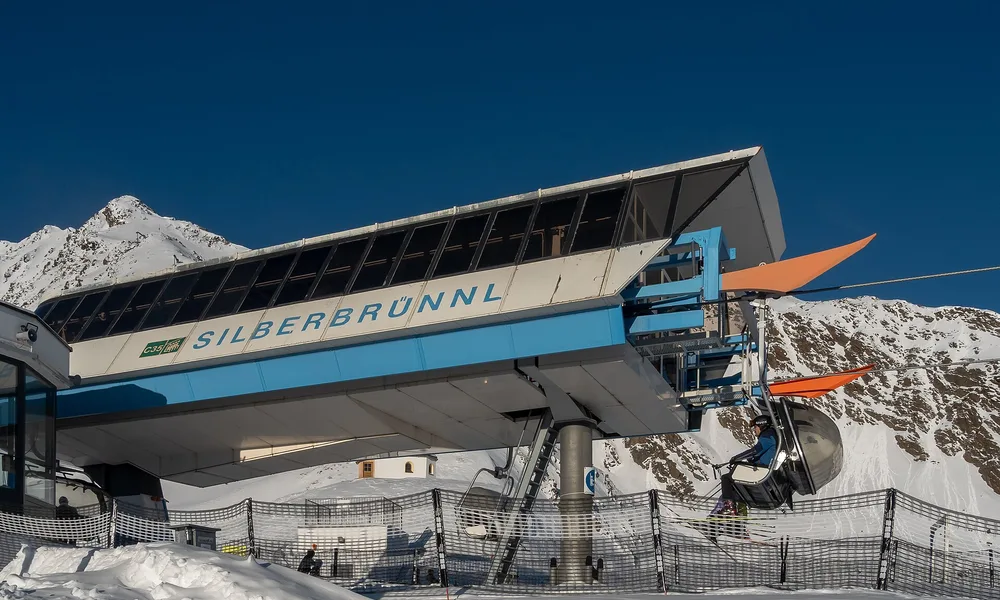
The bubble chair is meant to be the comfortable chairlift: a clear cover pulls down over the riders, the wind stops, and the ride up is warm and quiet. The worst version has a bubble that no longer works. The cover sticks halfway down, so it rattles in the wind and blocks the view without blocking the cold, or it jams shut and the riders have to push it open with cold hands at the top. The bubble was supposed to fix the chairlift’s oldest problem, the cold, and when it breaks it adds a new one, a mechanism that fights you on every ride. Take an open chair with a simple working bar instead.
4. The wind-exposed ridge chair: the lift that stops in every gust
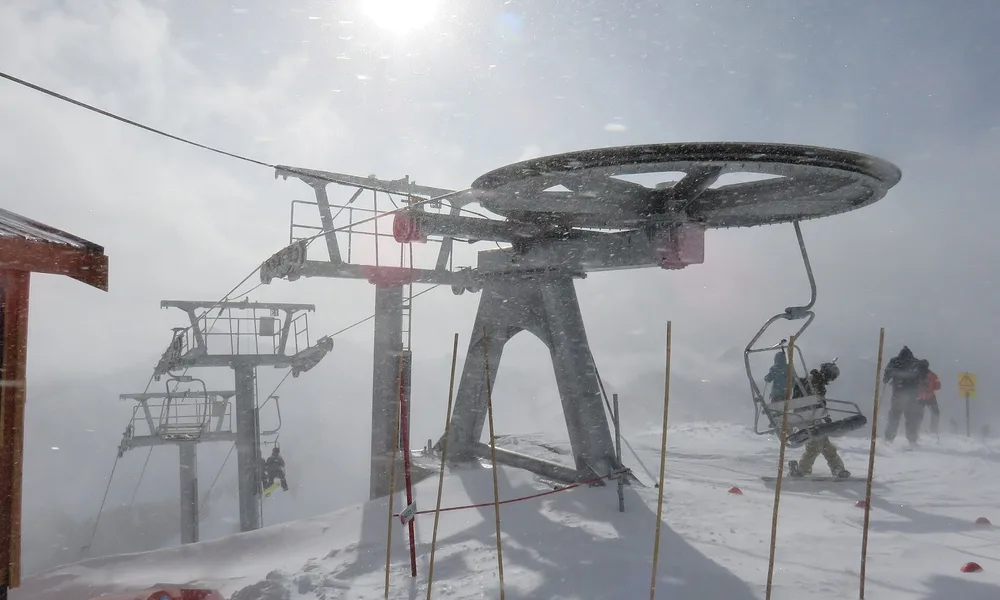
The wind-exposed ridge chair is the lift that the mountain closes first and opens last, and on a gusty day it stops more than it runs. It crosses an open ridge with no trees to break the wind, so every gust hits the chairs full on. The chairs swing, the safety system trips, and the line halts until the wind drops. Check the wind hold record before you plan a day around a ridge lift, and have a sheltered bowl lift as your backup.
5. The beginner chair with a bad loading zone: the lift that trips every new rider
The beginner chair should be the easiest lift on the mountain, and the worst version is the hardest. The loading zone is steep, or icy, or too short, so new riders arrive at the chairs too fast or at the wrong angle. The chair scoops them up before they are ready, skis tangle, snowboarders fall, and the operator stops the lift to untangle the mess. A good beginner lift has a flat loading area, a slow chair and an attendant who helps every rider. If the lift has none of those, beginners should use the magic carpet or a gentle drag lift instead.
6. The short-hop chair to a single flat run: a long ride for little skiing
The short-hop chair is the lift that goes almost nowhere, slowly. It climbs a short rise to a single flat run, and the ride takes longer than the run below. You queue, you load, you ride for eight cold minutes, and then you ski a gentle slope that takes three minutes to descend. Ski the lower runs instead, or choose a resort where the lifts serve long runs, not short hops.
7. The night chair with no lights and no attendant: the ride home in the dark
The night chair is the riskiest lift on this list, because the things it lacks only matter when something goes wrong. It runs after dark with dim lights at the stations, no lights on the towers, and no attendant at the top to help riders off. The lift may be sound and the chairs may be fine, but in the dark, without lights or an attendant, a small problem becomes a serious one: a missed unload, a fall on an icy ramp, or a rider left on a chair at closing time. Ride a day lift, or a lit gondola, and leave the night chair to the resorts that light it properly.
What to avoid when riding a chairlift
The most common chairlift regret is not a bad lift but a bad choice: a ridge lift on a windy day, a fixed-grip double when a detachable lift runs beside it, or a beginner chair with no attendant for a child riding alone. Avoid the trap by checking three things before you join the queue: the wind hold record, the real ride time including stops, and whether the top station has an attendant and a lit, gentle exit.
Checklist: riding a chairlift
- Check the wind hold record and the real ride time before you plan a day around one lift.
- Choose a detachable lift in a sheltered bowl over a fixed-grip chair on an exposed ridge.
- Test the safety bar as soon as you sit down, and lower it before the chair leaves the station.
- Keep poles in one hand and hold the bar with the other, and never reach for a dropped pole.
- Make sure beginners and children ride with an adult, on a lift with a flat loading area and an attendant.
- Plan your last ride before closing, and never board a night lift with dark towers and no attendant at the top.
Frequently asked questions
What is the difference between a chairlift and a gondola?
A chairlift is an open chair hanging from a cable, ridden in the open air with only a safety bar for protection. A gondola is an enclosed cabin hanging from a cable, with walls, seats and a door, so riders sit inside, out of the wind and snow.
Are fixed-grip chairlifts safe?
Yes, they are safe, but they are slow and cold. A fixed-grip chair never leaves the cable, so the ride takes much longer than a detachable lift.
Why do chairlifts stop in the wind?
Wind swings the chairs, and the safety system stops the line when the swing passes a set limit. Ridge lifts with no trees to break the wind stop most often, and a chair that stops mid-span leaves riders hanging over the slope until the wind drops.
What should beginners look for in a chairlift?
A flat loading area, a slow chair, and an attendant who helps every rider on and off. Avoid steep or icy loading zones, high seats with no footrest for children, and any lift with no attendant on a busy day.
Is a bubble chair better than an open chair?
Only when the bubble works. A working bubble blocks the wind and warms the ride. A broken bubble rattles, blocks the view without blocking the cold, and the heavy bar can jam, so a simple open chair with a working bar is the better ride.
Should I ride a chairlift at night?
Only if the lift is properly lit, with lights on the towers and the stations and an attendant at the top. Avoid night lifts with dark towers, an unlit top station and no attendant.
Bottom line
The worst chairlifts of 2026 are not the oldest lifts or the slowest chairs: they are the ones that stall at loading, stop in every gust, freeze you on an open ridge, or leave you to unload in the dark. Check the wind hold record and choose a sheltered detachable lift with a working bar and an attendant at the top.