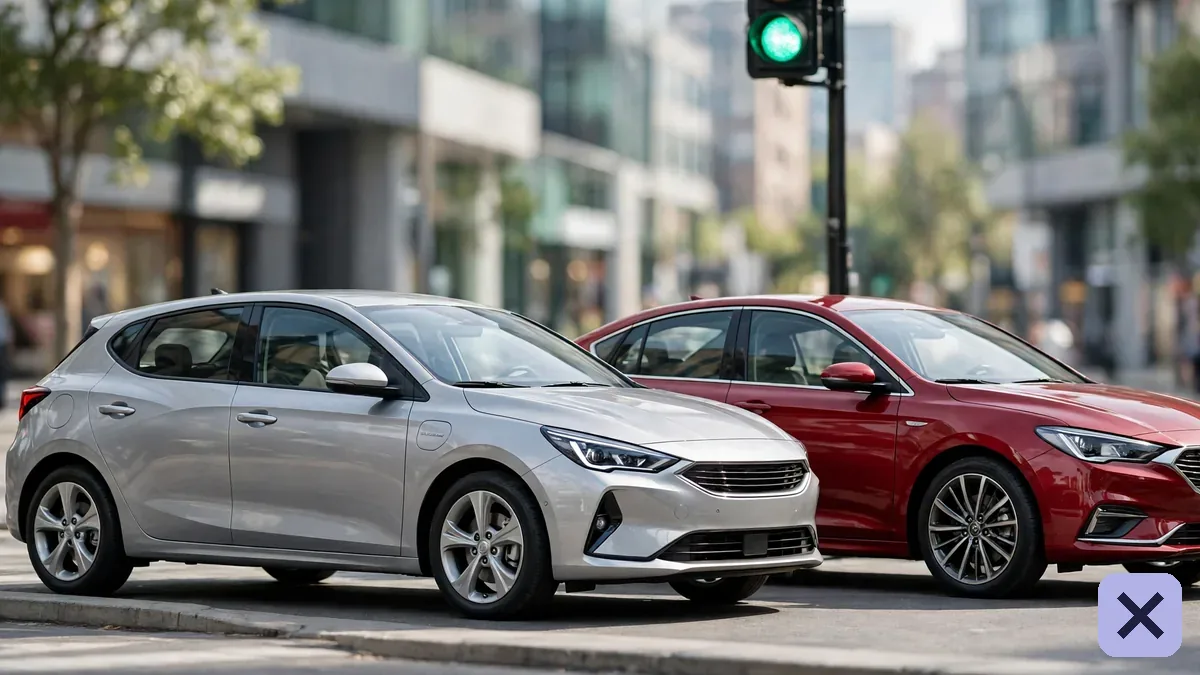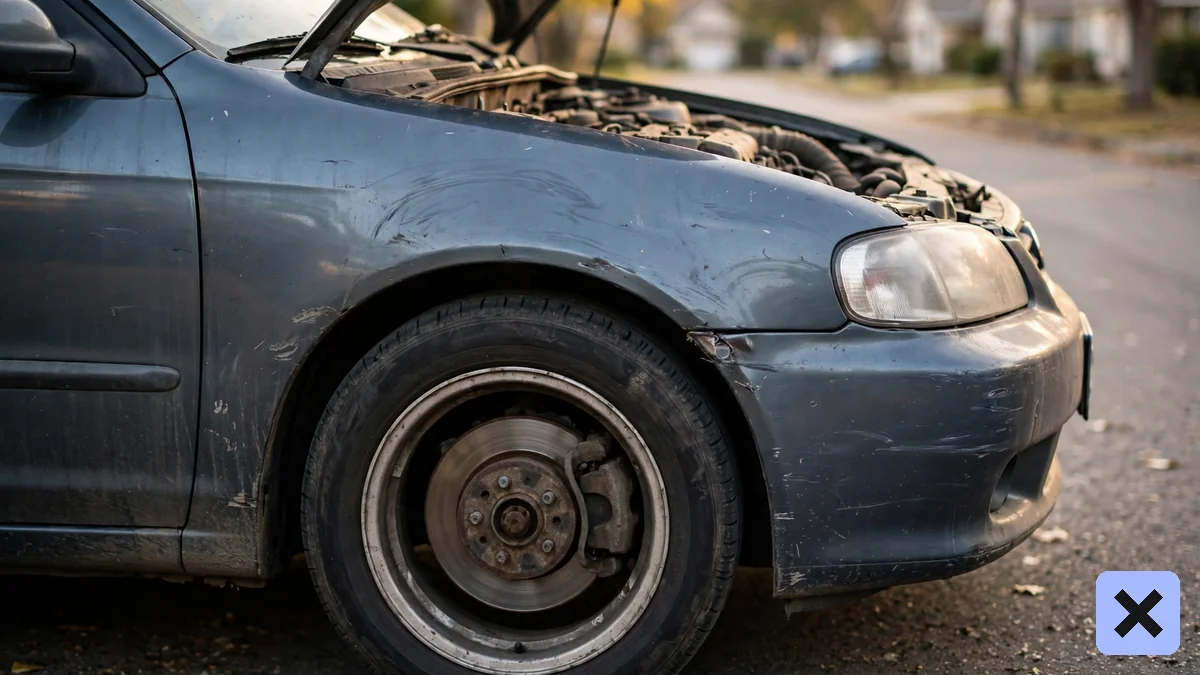
The worst driving habits that wear out your car rarely feel dramatic in the moment. They are the small choices repeated every day: braking a second too late, accelerating hard from every light, resting a foot on the clutch, or ignoring a strange noise for another week. None of them breaks a car on its own, yet together they quietly shorten the life of brakes, tyres, suspension, steering, and the engine itself.
Most drivers do not set out to damage their cars. They are simply in a hurry, distracted, or unaware of what is happening underneath them. A car absorbs a surprising amount of punishment before it complains, and by the time the complaint arrives as a grinding brake, a worn tyre, or a warning light, the damage is often far more expensive than the habit that caused it. The good news is that the worst habits are also the easiest to change.
This guide looks at the driving habits that wear out a car fastest, explains exactly which parts they damage and why, and shows the simple replacements that cost nothing. You do not need mechanical knowledge or a new car. You only need to recognise the patterns, break the worst ones first, and give your car the gentler treatment it was designed for.
Key takeaways
- Late, hard braking is the fastest way to wear out brake pads, discs, and tyres.
- Riding the clutch, resting a hand on the gear lever, and lugging the engine in too high a gear all shorten drivetrain life.
- Cold starts, short trips, and hard acceleration before the engine warms up increase internal engine wear.
- Overloading, potholes, kerbs, and speed bumps taken at speed punish suspension, steering, and wheel alignment.
- Skipping servicing and ignoring small noises turns cheap fixes into expensive repairs.

Why Small Habits Add Up to Big Repair Bills
A car is a system of parts designed to work within certain limits. Brakes are designed to convert speed into heat, tyres are designed to grip and flex, suspension is designed to absorb bumps, and an engine is designed to run at a stable temperature with clean oil. Every habit that pushes one of those parts beyond its comfortable range adds wear, and wear is cumulative. It does not reset at the end of a journey.
Think of brake pads as an example. A gentle stop from a moderate speed creates a small amount of heat and friction. A hard stop from high speed creates far more heat in a much shorter time. Do that at every junction and the pads thin quickly, the discs overheat and warp, and the tyres scrub against the road surface. The driver feels nothing different, apart from perhaps a firmer pedal, until a mechanic reports that pads and discs need replacing far earlier than expected.
The Hidden Cost of Everyday Driving
How Wear Actually Happens
The habits below are ranked by how much damage they cause and how common they are. Some, like hard braking, affect almost every driver. Others, like riding the clutch, affect mainly manual cars. All of them are fixable, and the fixes are listed alongside each habit so you can start on your next journey.
Hard Braking and Late Braking
Hard braking is the single most expensive everyday habit. Every late stop forces the brake pads to clamp hard against the discs, generating intense heat. Repeated hard stops glaze the pads, score the discs, and wear the tyre tread where the wheels lock or the anti-lock system pulses. The suspension also dives forward, loading the front springs and dampers far more than a smooth stop would.
What Hard Braking Damages First
Brake pads wear first, followed by discs, then tyres. Front brakes do most of the work, so they wear fastest, especially on heavier cars. If you hear squealing, feel a pulsing pedal, or notice the car pulling to one side under braking, the brakes need inspection. Those symptoms mean wear has already progressed beyond the early stage, and delaying the check only increases the repair.
Riding the Clutch and Resting on the Gear Lever
In a manual car, the clutch is one of the most expensive parts to replace, and riding it is one of the fastest ways to wear it out. Riding the clutch means keeping the pedal partly pressed, or resting a foot on it, while driving. Even light pressure causes the clutch plate to slip against the flywheel, generating heat and wearing the friction material away.
The same logic applies to resting a hand on the gear lever. It seems harmless, but it puts constant pressure on the selector forks inside the gearbox. Over time, that pressure wears the forks and synchromesh, making gear changes notchy and eventually causing the gearbox to jump out of gear. The gear lever is a control, not a hand rest.
How to Use the Clutch Correctly
If you notice the engine revving without a matching increase in speed, a burning smell after hill starts, or a clutch pedal that feels different from usual, have it checked promptly. A slipping clutch rarely repairs itself, and continued driving can damage the flywheel as well, turning a clutch replacement into a much larger job.
Aggressive Acceleration and High Revs
Hard acceleration feels exciting, but it places a sudden, heavy load on the engine, gearbox, driveshafts, and tyres. The tyres can spin and scrub, the engine revs sharply before oil has fully circulated at high pressure, and the drivetrain absorbs a shock it was not designed to take repeatedly. Do it from every traffic light and the wear adds up quickly.
High revs in a low gear are equally damaging when sustained. Revving a cold engine hard is the worst combination of all, because the oil is thick, clearances are at their widest, and metal parts have not yet expanded to their normal running size. The engine needs a short period of gentle driving to reach temperature, not a blast down the first straight.
The Right Way to Accelerate
Accelerate smoothly and progressively, using moderate revs and changing up early in normal driving. That is not slow driving; it is efficient driving. The car will still reach the same speed, just without the shock load, the tyre scrub, and the extra fuel burn. Save brisk acceleration for the rare occasions when it is genuinely needed, such as joining a fast road safely.
Sports cars are built for harder use than a family hatchback, so read our guide to the reality of owning a sports car before deciding how hard to push your own car.
Cold Starts, Short Trips, and Skipping Warm-Up
An engine wears most in the first few minutes after a cold start. Oil has drained back to the sump overnight, and it takes a short time to circulate fully and reach every bearing and moving part. During that period, metal is moving against metal with only a thin film of protection. Revving hard or driving aggressively before the engine warms up multiplies that wear.
Short trips make the problem worse. If the engine never reaches its normal temperature, moisture and fuel residues build up in the oil, the exhaust system never dries out properly, and the battery never fully recharges. A car used only for two-minute journeys will often suffer more wear than a car used for regular longer drives, even though its mileage looks low.
A Better Cold-Start Routine
Start the engine, wait a few seconds for the oil pressure to settle, then drive gently for the first few minutes. Keep revs low, avoid hard acceleration, and do not use full throttle until the temperature gauge has reached its normal position. If your regular journeys are very short, combine errands into one longer trip when you can, and take the car for a proper run occasionally so the engine, exhaust, and battery all reach full operating temperature.
Overloading, Potholes, Kerbs, and Speed Bumps
Every extra kilogram makes the engine, brakes, suspension, and tyres work harder, and a heavily loaded car stops more slowly and wears its rear suspension faster. Remove roof boxes, tools, and clutter you do not need, and check the load limit in your handbook before a big trip. Potholes and kerbs cause a different kind of damage: a single hard impact can bend a wheel, damage a tyre sidewall, and knock the alignment out, causing uneven tyre wear for thousands of miles afterwards. Slow down for speed bumps instead of braking on them, steer around potholes where it is safe, and never mount a kerb at speed. Long journeys deserve the same care, so plan rest stops and gentle driving into the route; our guide to the worst road trip mistakes shows how rushed, overloaded trips wear cars out faster.
What to Check After a Hard Impact
Skipping Servicing and Ignoring Warning Signs
Skipping a service saves money for a few months and costs far more later. Old engine oil loses its ability to protect moving parts, filters clog, brake fluid absorbs moisture, and coolant loses its anti-corrosion properties. A service replaces those consumables before they cause damage, and it gives a mechanic the chance to spot worn pads, leaking seals, and tired suspension before they fail. Warning lights, new noises, vibrations, and smells are the car asking for help, and every week of delay usually makes the repair bigger. Buying decisions matter here too: a car with a full service history is far cheaper to own than a neglected bargain, as explained in our guide to common car buying mistakes.
| Habit | Part worn out first | Warning sign |
|---|---|---|
| Hard braking | Brake pads and discs | Squealing or pulsing pedal |
| Riding the clutch | Clutch plate | Slipping or burning smell |
| Cold hard acceleration | Engine bearings | Rough running when cold |
| Overloading | Suspension and tyres | Sagging rear, slow stopping |
| Hitting potholes | Alignment and wheels | Pulling steering, uneven wear |
| Skipping servicing | Engine and brakes | Warning lights, dirty oil |
Your Car-Saving Checklist
- Look ahead, lift off early, and brake smoothly and progressively.
- Keep your foot off the clutch except when changing gear.
- Drive gently for the first few minutes until the engine warms up.
- Check tyre pressures monthly and remove unnecessary weight.
- Slow down for potholes, kerbs, and speed bumps.
- Service on schedule and investigate new noises without delay.
Frequently Asked Questions
What is the worst driving habit for a car?
Hard, late braking, because it wears brake pads, discs, and tyres together and shortens stopping distances at the same time.
Does riding the clutch really damage it?
Yes. Even light pressure makes the clutch slip and heat up, wearing the friction material far faster than normal use.
Is it bad to drive short distances every day?
Yes, if the engine never warms up fully. Moisture builds in the oil and exhaust, and the battery never fully recharges.
How long should I warm up my car?
Only a few seconds at idle, then drive gently for the first few minutes until the temperature gauge reaches normal.
Do potholes really cause lasting damage?
Yes. One hard impact can bend a wheel and knock out alignment, causing uneven tyre wear for thousands of miles.
Can bad driving habits affect fuel economy?
Yes. Hard acceleration, hard braking, extra weight, and underinflated tyres all make the engine work harder and use more fuel.
The Bottom Line
The worst driving habits that wear out your car are not dramatic, they are daily: braking late, riding the clutch, accelerating hard when cold, overloading, hitting bumps at speed, and skipping servicing. Replace each one with its gentler alternative, look further ahead, warm the engine up properly, and service on schedule, and your car will last longer, stop better, and cost far less to run.