The worst fast food items for value are not always the most expensive things on the menu. Some look like bargains, with bright photos and prices that seem hard to beat. The problem appears only after the bag is open, when a small portion or a watery drink makes it clear that the low price bought very little food.
Value is not the number on the board. It is the amount of satisfying, well-made food you get for that number, and how likely you are to feel full when the meal is done. A cheap meal that leaves you hungry was not a bargain, no matter how low the price was.
Fast food chains know how to make a poor deal look like a good one. They shrink the main item, add a cheap filler, or bundle a weak item with fries and a drink so the total feels like a saving. This guide looks at the worst fast food items for value through a simple lens: portion, quality, price, and staying power.
Key takeaways
- Value means food, fullness, and quality per dollar, not just the lowest price on the board.
- Loaded and premium versions often add cheap toppings while the main portion stays small.
- Small drinks, tiny sides, and snack-sized mains are the most common value traps.
- A meal deal only saves money if every item in it is one you actually want.
- Compare the regular item first, then decide whether the upgrade is worth the extra cost.

What Value Really Means at a Fast Food Counter
Value starts with hunger. A meal that leaves you hungry an hour later was not a bargain, even if it cost very little. The best fast food meals give you a solid main item, a side that adds something real, and a drink that does not disappear in three sips.
Quality matters just as much as quantity. A burger with a thin, dry patty and a limp bun is a poor deal at almost any price. A fresh, well-made item with a proper portion can be good value even when it costs more, because you enjoy it and you do not need a second snack to feel satisfied.
Price per bite is a useful habit. Before you order, ask how much food you are really getting, and how much of it is the main ingredient. A large cup that is mostly ice is not a large drink, and a loaded item that is mostly cheese sauce is not a loaded meal.
The Worst Fast Food Items for Value, Ranked by the Trap They Set
The items below are grouped by the trap they use, not by chain or by price alone. Each one shows a different way that fast food can charge more than the meal is worth.
Loaded Fries That Are Mostly Sauce and Salt
Loaded fries sound generous. The photo shows a tall pile covered in cheese, bacon, and sauce, and the price suggests a filling side or even a light meal. In practice, the fries underneath are often the same small portion you would get on their own, and the toppings sit on top in a thin layer.
Premium Burgers With a Thin Patty
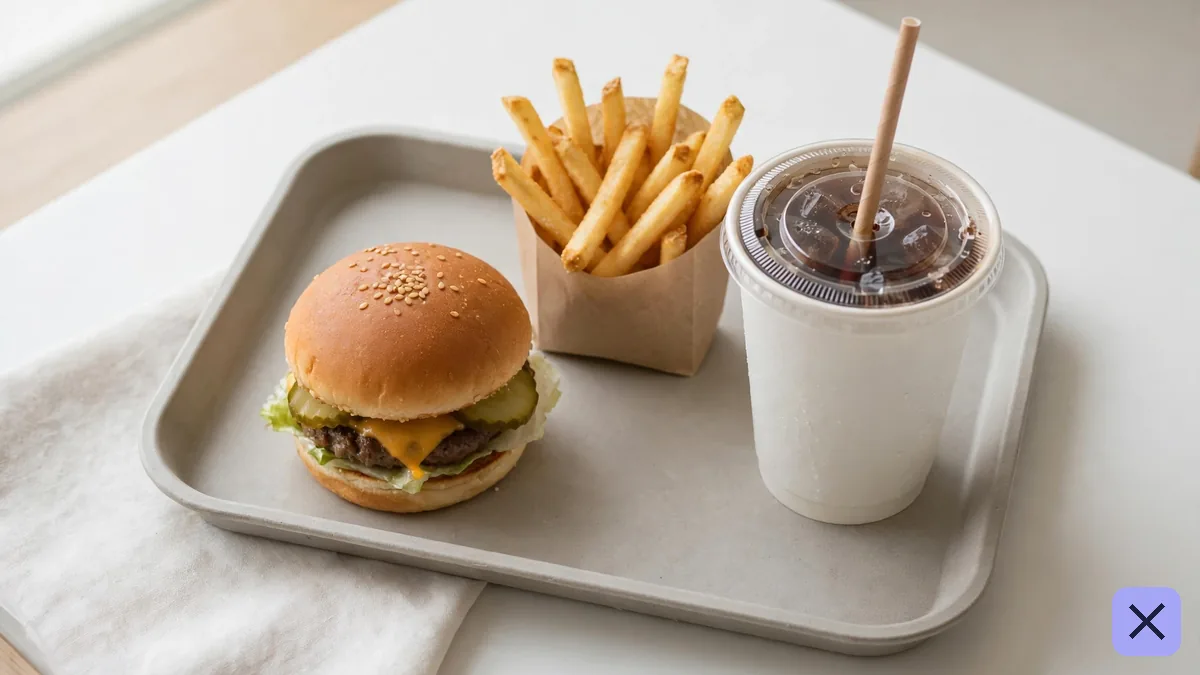
A premium burger should earn its price with a thicker patty, better cheese, fresh vegetables, and a bun that holds together. Too often, the premium version is a regular burger with a fancier sauce, a different cheese, and a name that sounds special. The patty stays thin, the bun stays soft and plain, and the extra cost buys a small change in flavour rather than a real change in substance.
Snack-Sized Mains Sold as Meals
Some fast food items are built to be snacks, and that is fine when they are priced as snacks. The value problem starts when a snack-sized sandwich, wrap, or chicken piece is sold as a meal, either on its own or in a combo that still leaves you hungry. The portion is small, the filling is thin, and the meal depends on fries and a drink to feel complete.
Salads That Cost More Than a Burger and Fill You Less
Fast food salads can be fresh, colourful, and genuinely enjoyable, but they are often poor value. The base is usually lettuce and a small amount of other vegetables, the protein is a modest portion of chicken, and the dressing adds most of the flavour and calories. The price, meanwhile, can match or beat a burger meal, even though the salad leaves many people hungry again soon after.
Chicken Sandwiches Drowning in Breading
A good chicken sandwich has a crisp coating and a thick piece of chicken inside. A poor-value version has a thick, heavy coating and a thin, dry piece of chicken that is hard to find. The breading adds weight, salt, and crunch, but it is not the food you are paying for.
Why Small Sizes Are Often the Worst Deal
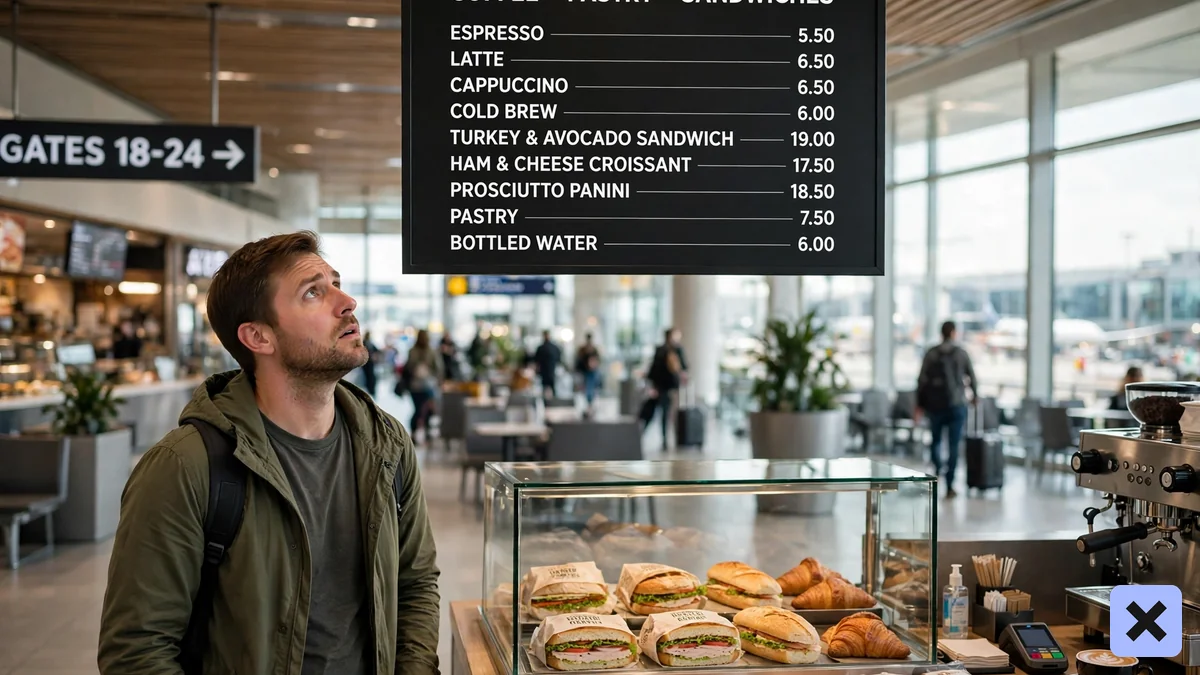
The price ladder is designed to push you toward the middle size, and the smallest size is often there to make the middle look like a bargain. That does not mean you should always order the largest size, because a huge meal you do not finish is also poor value. The point is to compare the actual gap, because menus that overwhelm diners with too many sizes and options make that comparison harder than it should be.
The Add-Ons That Quietly Double Your Bill
Add-ons are where a cheap meal becomes an expensive one. Extra cheese, bacon, a second sauce, a larger drink, or a dessert can each seem small on their own, yet together they can double the price of the original item. The base item is priced to look like a bargain, and the extras are priced to make up the difference.
A Simple Value Test You Can Run in 30 Seconds
Before you order, run a quick value test. First, look at the main item and ask whether the portion matches the price. Second, check whether the meal will keep you full, or whether you will need another purchase soon after.
Third, compare the item with the regular version on the same menu, and with the next size up or down. Fourth, ask whether the extras add real food or just flavour. If an item fails two or more of those checks, it is probably a poor deal, and a simpler choice will serve you better.
| Item type | Common trap | Better choice |
|---|---|---|
| Loaded fries | Small base, thin topping layer | Regular fries plus a proper main |
| Premium burger | Thin patty, fancy sauce only | Regular burger with a side you enjoy |
| Snack-sized main | Sold as a meal, leaves you hungry | One full-size main instead of two small ones |
| Small drink | High price, mostly ice | Compare sizes, or choose water |
| Light salad | High price, low staying power | Grilled chicken sandwich or wrap |
| Tiny dessert | Premium price for a few bites | Share a larger dessert, or skip it |
Your Fast Food Value Checklist
- Compare the price gap between small, medium, and large before you order.
- Check that the main item has a real portion of meat, chicken, or egg, not just bread and sauce.
- Ask whether the meal will keep you full, or whether you will need a second purchase.
- Count the add-ons and their cost before you say yes to any of them.
- Read the meal deal carefully and make sure every item in it is one you want.
- Skip the upgrade when the only difference is sauce, cheese, or a fancier name.
Better Swaps That Keep the Meal Fun
Good value does not mean giving up fast food or ordering the plainest thing on the menu. It means choosing the version of the meal that gives you the most enjoyment for the money. A regular burger with fresh toppings and a proper patty is often more satisfying than a premium version with a thin patty and a fancy sauce.
It also helps to think about the whole meal, not just one item. Fine dining can still offer good value when the portion, quality, and experience match the price, and the same thinking applies at a fast food counter. A meal that is balanced, filling, and enjoyable is good value, even if it costs a little more than the cheapest option. The goal is not to spend the least. It is to spend well, and that applies well beyond food: just as streaming services that charge too much for too little can drain a monthly budget without you noticing, small fast food extras can drain a lunch budget one add-on at a time.
Frequently Asked Questions
What is the worst fast food item for value overall?
There is no single winner, because prices and portions vary by location, but loaded fries and premium burgers with thin patties are the most common poor deals. Both charge a high price for a small change in the food, and both leave many people hungry or disappointed. The worst item on any menu is usually the one that adds the most cost for the least extra food.
Are meal deals always better value than ordering separately?
No. A meal deal is only better value if every item in it is one you actually want, at a size you will finish. If the deal includes a small drink, a side you do not enjoy, or a dessert you would not order on its own, ordering separately can be cheaper and more satisfying. Always compare the deal total with the cost of the items you would choose anyway.
Is the cheapest item on the menu the best value?
Not usually. The cheapest item is often small, light on protein, or mostly bread and sauce. It can be good value as a snack or a light bite, but as a meal it often leaves you hungry, which means you spend more later. The best value is usually a regular-sized main with a proper portion, not the smallest or the most expensive item.
How can I tell if a premium burger is worth the extra cost?
Compare it with the regular burger on the same menu. If the premium version has a thicker patty, better cheese, and fresh ingredients you can taste, the extra cost may be fair. If the only differences are sauce, a different cheese, and a fancier name, the regular burger is the better buy. The patty is the clearest test, because it is the most expensive part of the sandwich.
Are fast food salads ever good value?
Yes, when the protein portion is generous, the ingredients are fresh and varied, and the price is close to a regular main. A salad becomes poor value when it costs as much as a burger meal but leaves you hungry soon after. If the salad is light, a grilled chicken sandwich or wrap often gives you more staying power for less money.
What is the simplest way to get better value at a fast food counter?
Order the regular version of the item you want, compare sizes before you upgrade, and skip add-ons that only add flavour. Decide what you want before you reach the counter, check the meal deal against the items you would choose anyway, and share large sides or desserts when you can. Those small habits save money on almost every visit, without making the meal less enjoyable.
The Bottom Line
The worst fast food items for value share one habit: they charge a premium for size, substance, or satisfaction they do not deliver. Loaded fries, thin premium burgers, snack-sized mains, light salads, and heavily breaded chicken all look tempting on the menu, yet each one asks you to pay more for less.