The Worst Mascots of 2026: Seven Costume Characters That Let the Crowd Down
The worst mascots of 2026 are not the ones with the oldest costumes or the smallest budgets. They are the familiar costume characters every regular recognises within ten minutes of kick-off: the silent suit that never waves back, the scary face that makes small children cry, the walking sponsor box that only exists to sell something, and the tired performer who shuffles around the touchline as if the match were a chore. Rankings below are by the damage each type does to the atmosphere, the children in the crowd and the club it is supposed to represent.
Key takeaways
- The worst mascots are types and patterns, not people: the same bad habits show up at clubs of every size.
- A mascot that never interacts is decoration, not entertainment, and the stands notice within minutes.
- A frightening costume does real harm: a scared child will not come near the mascot again.
- A mascot built around a sponsor or a gimmick ages fast, leaving a character nobody loves.
- Judge a mascot by energy, timing and warmth, not by how expensive the suit looks.
How the worst mascots were chosen
Every type below was scored on five measures: crowd energy, interaction with fans, design, timing, and safety and warmth. A good mascot lifts the stands, notices the people around it, looks recognisable from the back row, knows when to celebrate and when to stay out of the way, and is gentle with children.
Two notes before the list. First, no individual performer is named here, and no single club is singled out, because the same seven types turn up everywhere, and what matters is learning to recognise the pattern. Second, a mascot is judged on what it does on matchday, not on how it looks in a launch video. A shiny new suit that never moves is worse than a scruffy old one with a lively performer. The same logic runs through our guides to the worst cheerleaders of 2026 and the worst fans of 2026, where energy, timing and respect for the crowd matter just as much.

Comparison table: the worst mascots of 2026
| Rank | Mascot type | Worst habit | Who suffers most |
|---|---|---|---|
| 1 | The Silent Statue | Never waves or reacts | Children waiting for a wave |
| 2 | The Scary Face | Fixed grin and staring eyes | Young children in the front rows |
| 3 | The Walking Sponsor Box | A product in a suit | Fans who want a club character |
| 4 | The Confusing Creature | Nobody can tell what it is | New fans and visiting families |
| 5 | The Tired Shuffle | Slow and flat | The whole atmosphere |
| 6 | The Pitch Invader | In the way during play | Players, officials and stewards |
| 7 | The One-Joke Act | The same gag, every match | Season-ticket holders |
The worst mascots of 2026
1. The Silent Statue: the mascot that never reacts
The Silent Statue is the worst mascot of 2026 because it fails at the one job every mascot has: to connect. It stands near the tunnel, walks slowly along the touchline, and watches the match like a spectator who happened to put on a suit. Children wave, and it does not wave back. A chant starts, and it does not join in. A goal goes in, and it raises an arm half-heartedly, as if someone had reminded it at the last moment. The costume may be well made and the colours may be right, but none of that matters when the character inside it is absent. The damage is quiet but real: a mascot that never reacts teaches the crowd, especially children, that the club’s most friendly face does not care. A good mascot does not need to be loud all the time, but it must be present, and the Silent Statue never is.
2. The Scary Face: the mascot that frightens children
The Scary Face looks fine on a designer’s screen and frightening at pitch level. The eyes are too big and too fixed, the grin is too wide and too sharp, and the head is too large for the body, so the whole character looms over small children instead of bending down to them. Toddlers cry, older children keep their distance, and parents steer their families away from the very character that was meant to welcome them. The problem is rarely one feature: a frozen expression, a heavy head that never tilts, and a performer who cannot soften the character with gentle movement. A mascot should be huggable, or at least approachable, and the Scary Face is neither. Clubs sometimes say the design looks fierce and competitive, but fierce belongs on a badge, not on a character that poses for photographs with five-year-olds.
3. The Walking Sponsor Box: the mascot that is only an advert
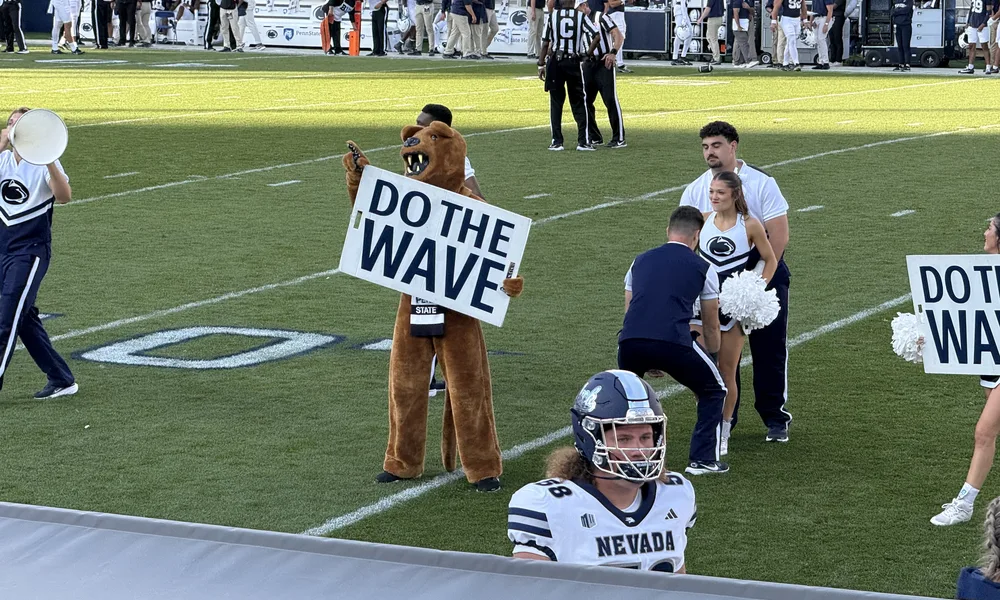
The Walking Sponsor Box is not really a mascot at all. It is a product, a packet, a bottle or a box with arms and legs, sent out to do a job a billboard could do better. It has no name children remember, no story, no connection to the club’s history and no personality beyond the logo across its chest. Fans ignore it because there is nothing to love, and children are confused by it because it looks like something from a supermarket shelf rather than something from their team. The worst examples appear only when a sponsor is watching, then vanish for the rest of the season, which tells the crowd everything about the club’s priorities. A sponsor can support a mascot, but the moment the character exists only to sell, it stops being part of the matchday.
4. The Confusing Creature: the mascot nobody can identify
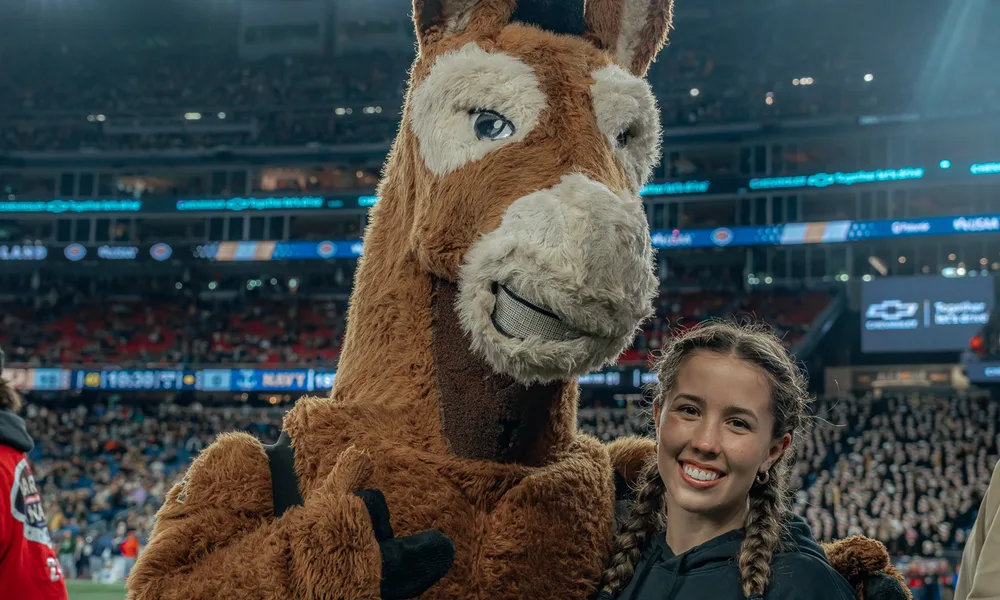
The Confusing Creature leaves every new fan asking the same question: what is it supposed to be? It might be an animal, a historical figure or a local legend, but the costume is so vague, so over-designed or so badly made that nobody can tell. It has horns and wings and a tail, or a hat and a cape and a tail, and none of it adds up to anything a child could draw or describe. Visiting families are baffled, commentators avoid mentioning it, and even loyal supporters struggle to explain it to their children. The confusion matters because a mascot is a shortcut: one look should tell you the club, the place and the story. The fix is simple: pick one clear idea, make it obvious from the back row, and leave out everything else.
5. The Tired Shuffle: the mascot that has given up
The Tired Shuffle moves as if the suit weighed twice as much as it does. It shuffles rather than walks, leans on the advertising boards, and spends long stretches standing still in a corner, waiting for the match to end. The crowd can tell within minutes that the energy is gone, and the atmosphere sags with it, because a mascot is supposed to be the most energetic person in the ground. Sometimes the cause is a heavy, hot costume with no ventilation, and the performer is genuinely exhausted. Sometimes it is a routine that has not changed in years, and boredom has done the rest. Either way, the result is the same: a character that looks as if it would rather be anywhere else.
6. The Pitch Invader: the mascot that gets in the way
The Pitch Invader does not know where the performance ends and the match begins. It wanders into the warm-up area, stands in the technical area during play, blocks the view of the dugout, and has to be waved away by stewards at least once a match. The intention is usually enthusiasm rather than mischief, but the effect is disruption: players are distracted, officials are annoyed, and the crowd watches a steward escort the club’s own mascot off the grass. The worst ones also time their routines badly, starting a dance while play is live, or celebrating noisily behind a goalkeeper trying to concentrate. A good mascot knows the pitch belongs to the players, and its stage is the touchline, the stands and the concourse.
7. The One-Joke Act: the mascot with nothing new to say
The One-Joke Act was funny once, and that is the problem. It has one dance, one fall, one catchphrase or one race, and it has repeated it at every home match for years. Season-ticket holders can predict the exact minute it will happen, the children who loved it at five are bored by it at nine, and new fans assume the club has no imagination at all. The act itself may not be bad, but repetition without variation turns a highlight into a chore, and the crowd’s reaction fades from laughter to polite applause to silence. A mascot does not need a new routine every week, but it does need small changes: a new dance for a big match, a different gag for a cup tie, a seasonal twist that shows someone is still thinking.
What to avoid when judging a mascot
The most common mistake is judging the suit instead of the performance. A cheap suit with a lively performer beats an expensive suit with a silent one, because children remember the wave and the dance, not the stitching. Do not excuse a frightening mascot just because the costume was expensive. Watch what happens at pitch level, and ask whether children run towards it or away from it. Our guide to the worst managers of 2026 makes the same point about front-office habits: the pattern matters more than any single incident, and the damage builds up quietly over a season.
Checklist: spotting a bad mascot early
- Watch the first ten minutes: a good mascot greets fans before kick-off, not after the crowd has gone quiet.
- Look at the children: if they run towards it, it works; if they hide, it does not.
- Ask a new fan what it is meant to be: if they cannot answer in one sentence, the design has failed.
- Count crowd interactions, not appearances on the big screen.
- Check it stays clear of play and the dugout, instead of stewards moving it away.
- Notice whether the routine changes across the season, or stays the same every match.
Frequently asked questions
What makes a mascot one of the worst?
When it fails at connection, frightens children, exists only as an advert, confuses the crowd, runs out of energy, disrupts the match or repeats one act for years. One bad day is not enough; the pattern across a season is.
Are expensive mascots always better?
No. An expensive suit can still fail if the performer inside is silent, tired or frightening. Energy, timing and warmth matter far more than cost.
Why do some mascots scare children?
Fixed staring eyes, oversized heads, sharp teeth and frozen grins look threatening at a child’s eye level. A gentle posture and a soft design prevent most of the fear.
Should a mascot ever go on the pitch?
Only before kick-off, at half-time or after the whistle, in agreed areas. During play and warm-ups, the pitch belongs to the players.
Can a bad mascot be fixed?
Yes, usually. A new routine, a softer design, a lighter costume, proper breaks and a clear brief fix most types here. Only the sponsor-only and one-joke mascots resist fixing.
Do fans really care about mascots?
Yes, especially families. For many children, the mascot is the first friendly face of the club. When it works, it brings families back; when it fails, it pushes them away.
Bottom line
The worst mascots of 2026 fail in the same quiet ways: they do not react, they frighten children, they sell instead of entertaining, they confuse the crowd, they run out of energy, they get in the way, or they repeat one joke until nobody laughs. A good mascot needs only a clear design, a warm performer and the energy to meet the crowd.