A medicine ball is the simplest strength tool a beginner can buy, and the easiest one to buy badly. The worst medicine balls for beginners of 2026 fail in ways that leave a new trainer with a ball too heavy to lift overhead, too slick to hold with sweaty hands, or split open on the floor with sand leaking across the carpet. They are the wrong weight, the wrong size, or made from materials that crack, peel, or bounce back at the face. Beginners buy them expecting a friendly introduction to strength training. What they get is a ball that fights them on every rep, and a workout they stop doing. A ball that fights a beginner on every rep is a ball that will end up in a cupboard, and a ball in a cupboard builds no strength at all.
Too Heavy to Learn With
Weight is the first decision a beginner gets wrong, and the worst balls make it worse by starting heavy. A ball of eight or ten kilos sounds impressive in the shop, but a beginner who cannot press it overhead with good form will cheat with the lower back, drop it, or stop using it altogether. Most beginners should start with two to four kilos, learn the movements properly, and move up only when the lightest ball feels easy. Strength is built by good reps, not by struggling with a ball that is too heavy. A ball that feels light in the shop will feel heavy by the tenth rep, and a ball that feels heavy on the first rep will be dangerous by the fifth.
The test takes ten seconds. Hold the ball at chest height with both hands, press it overhead slowly, and lower it again with control. If the arms shake, the back arches, or the ball wobbles, it is too heavy. A ball that feels light in the shop will feel heavy by the tenth rep, and a ball that feels heavy on the first rep will be dangerous by the fifth. Buy the light ball first, and let the heavy ball wait until the movements are clean. Our guide to the best medicine balls of 2026 shows which weights suit which stage of training.
Surfaces Too Slick to Hold
A medicine ball must stay in the hands through a whole set, and the worst ones turn slippery the moment sweat arrives. Smooth vinyl and polished rubber slide in damp palms, and a ball that slips during a chest pass or an overhead throw is a hazard to the trainer and to anything in the room. Textured rubber and a slightly tacky finish grip far better, and a ball with a pebbled surface stays put even when the hands are wet. Grip is not a luxury feature on a ball that is thrown and caught. A ball that slips during a chest pass or an overhead throw is a hazard to the trainer and to anything in the room, including the television.
The test is a wet hand and a firm squeeze. Dampen the palms, grip the ball, and twist it: a good ball resists the twist, while a slick one turns in the hands. Check the surface for seams too, because a raised seam digs into the palms and a seam that is already lifting will peel further with every throw. A ball should feel secure at arm’s length, not just at chest height, because the moments it is furthest from the body are the moments it is most likely to slip.
Seams That Split and Fillings That Leak
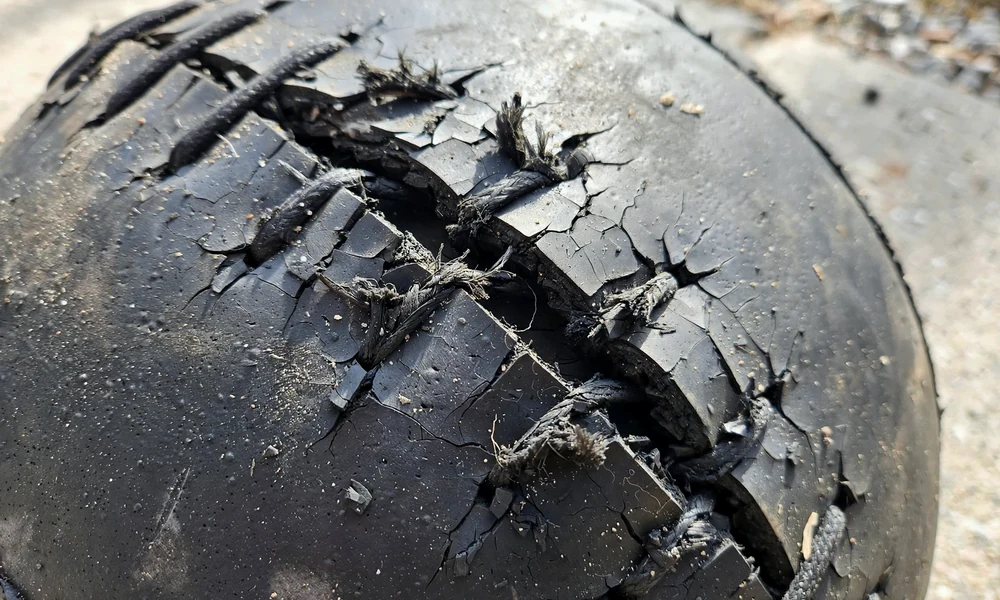
The most common failure in a cheap medicine ball is the seam. A ball stitched with a single row of thread, or glued rather than stitched, splits open after a few weeks of slams and throws, and the filling spills out across the floor. Sand-filled balls leak grit through the smallest split, while balls filled with gel or foam lose their shape and go lopsided once the filling shifts. A ball that leaks is a ball that is finished, and a ball that goes lopsided is a ball that rolls unpredictably. A ball that leaks is a ball that is finished, and a ball that goes lopsided is a ball that rolls unpredictably and throws off every catch.
Squeeze the ball hard and listen: a good ball holds its shape and springs back, while a bad one stays dented or crackles at the seam. Look for double stitching and a reinforced panel where the ball meets the floor most often, and avoid balls with a visible plug or valve that can work loose. Drop the ball from chest height onto a hard floor ten times: if the shape changes or the seam shows stress, the ball will not survive a month of real training. A medicine ball should be the toughest thing in the room, not the most fragile.
Bounce Balls That Fly Back
Not every medicine ball should bounce, and the worst beginner balls bounce when they should not. A rebound ball thrown at a wall comes straight back at the face, which is fine for an experienced trainer with fast hands and frightening for a beginner who is still learning to catch. A dead-bounce slam ball, which thuds and stays where it lands, is the right choice for most beginners, because it cannot surprise anyone. Buying a bouncy ball for slam work is buying a ball that will hit the buyer. A rebound ball thrown at a wall comes straight back at the face, which is fine for an experienced trainer and frightening for a beginner still learning to catch.
The confusion comes from the listings, which rarely explain the difference clearly. A ball sold for wall balls and partner passes needs some bounce, while a ball sold for slams needs none at all, and a beginner who buys one for the other’s job will learn the difference the hard way. Read the description for the words slam or dead bounce, and if the listing does not say, assume the ball bounces and choose another. A ball that stays where it lands is a ball a beginner can trust.
Too Big to Grip, Too Small to Hold
Size matters as much as weight, and the worst balls ignore the hands that must hold them. A ball too large for a beginner’s hands cannot be gripped properly, so the fingers slip off the surface and the ball is carried rather than controlled. A ball too small for two-handed work forces the hands together and the elbows out, which ruins the form of every exercise. Most beginners need a ball of around twenty-five to thirty centimetres across, big enough for two hands and small enough to control. A ball that feels like a beach ball is too big, and a ball that disappears into the hands is too small, and neither one will be used for long.
Hold the ball with both hands before you buy, and check that the fingers spread comfortably across the surface without stretching. A ball that feels like a beach ball is too big, and a ball that disappears into the hands is too small. Weight and size should be chosen together: a light ball that is too big is as awkward as a heavy ball that is too small, and neither one will be used for long. If the shop will not let you hold the ball, buy from somewhere that will.
Balls That Lose Their Shape
A medicine ball should stay round, and the worst ones do not. Gel-filled balls shift their filling to one side after a few throws, foam balls compress where they land and stay dented, and a ball that has gone lopsided rolls unpredictably and throws off every catch. A beginner who cannot predict where the ball will go will stop throwing it, and a ball that is not thrown is a ball that is not training anything. Shape is not a cosmetic detail on a ball that is caught and thrown. A beginner who cannot predict where the ball will go will stop throwing it, and a ball that is not thrown is a ball that is not training anything.

Roll the ball across a flat floor before buying, and watch whether it rolls straight or curves away to one side. A ball that curves is already lopsided, and it will only get worse. Squeeze the ball in several places and compare how it feels: a ball that is firm on one side and soft on the other has filling that has already shifted. A good ball holds its shape for years, because its filling is packed evenly and its shell is built to keep it there.
What to Buy Instead
The balls worth buying share a short list of features, and none of them is expensive on its own. A weight of two to four kilos to start, with a clear path to heavier balls later. A textured, slightly tacky surface that grips when the hands are damp. Double-stitched seams that hold their shape after repeated drops. A dead bounce for slam work, and a size that fits two hands comfortably. If a ball fails any one of those checks, keep looking. A ball that works on day one and still works in a year is worth every penny, and a ball that fails in the first month teaches the same lesson for free.
Fit matters as much as build, and the ball should suit the beginner in front of you rather than the athlete in the photograph. A smaller beginner needs a smaller, lighter ball, a taller beginner needs a ball that can be pressed overhead without the back arching, and anyone training alone needs a slam ball that stays where it lands. Start light, learn the movements, and move up only when the lightest ball feels easy. A ball that works on day one and still works in a year is worth every penny. If you want a second tool for the same home routine, our guide to the best dumbbells of 2026 covers the weights that pair well with a medicine ball. A smaller beginner needs a smaller, lighter ball, and anyone training alone needs a slam ball that stays where it lands rather than bouncing back at the face.
The Bottom Line
The worst medicine balls for beginners of 2026 share a pattern: too heavy to learn with, too slick to hold, seams that split, bounce that flies back, and a size that does not fit the hands. Avoid those five failures and you avoid almost every beginner regret. Start light, grip it with wet hands, squeeze the seam, and drop it ten times before you pay. Do that, and the ball you buy will be the one that builds strength rep by rep, without ever fighting back. And if you want another beginner-friendly tool for the same shelf, our guide to the best kettlebells for beginners of 2026 covers the kettlebells that suit a new trainer.