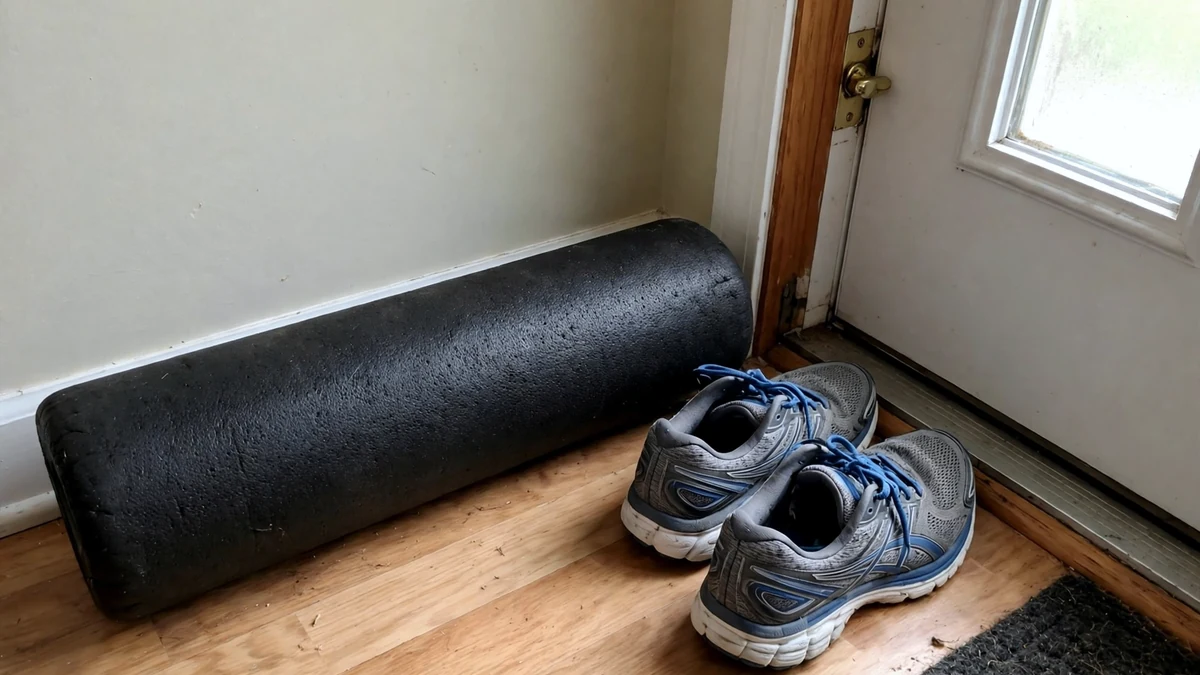
A foam roller is the cheapest recovery tool a runner can own, and the easiest one to buy badly. The worst foam rollers for runners of 2026 fail in ways that leave a runner with calves still tight after ten minutes of rolling, a roller flattened into an oval after a month, or bruises from spikes that punish tired legs instead of loosening them. They are too soft to reach deep muscle, too short to roll a back, or built around hollow cores that crack under a runner’s weight. Runners buy them expecting ten minutes of relief after a long run. What they get is a roller that makes recovery hurt, and a recovery routine they stop doing. A roller that makes recovery hurt is a roller that will not be used, and a recovery routine that is not done recovers nothing at all.

Too Soft to Reach a Runner’s Legs
Density decides everything for a runner, because a roller that is too soft gives no pressure at all. Running builds dense, tight calves and thighs, and a low-density roller made from cheap foam flattens to half its thickness the first time a runner lies on it, and stays that way. Within a month it has permanent dents where the hips and shoulders pressed, and within three months it is an oval-shaped cushion that rolls anywhere except where it is wanted. A runner who needs deep pressure gets none, and the legs stay tight. A runner who needs deep pressure gets none from a soft roller, and the legs stay tight no matter how long the rolling lasts.
A medium-density roller suits most runners: firm enough to give real pressure, soft enough to use on sore muscles the day after a hard session. A high-density roller is the choice for heavier runners and for athletes who want deep pressure, but it can be too much for a beginner, and it will bruise if used too aggressively. Press the roller hard with both hands before buying: a good roller resists and springs back, while a bad one stays dented. Our guide to the best foam rollers of 2026 shows which densities suit which body and which running load. A runner who buys the softest roller to save money will buy a second roller within months, and the second one will be the firm one they should have bought first.
Spikes That Bruise Tired Calves
Aggressive texture is the second warning sign for a runner. Rollers covered in hard spikes, sharp nubs, or deep ridges look serious and therapeutic, but for legs that have just run twenty kilometres they are simply painful. Instead of relaxing, the muscles tense up against the pressure, which is the opposite of what recovery should do. A runner who dreads rolling will not roll, and a roller that hurts is a roller that stays in the corner. A runner who dreads rolling will not roll, and a roller that hurts is a roller that stays in the corner while the calves stay tight.
Gentle ridges and wide grooves can help find tight spots in calves, thighs, and the muscles along the spine, and they give something to work against without feeling aggressive. A smooth, firm roller suits most runners most of the time, because it gives even pressure and lets the runner control how much weight goes into it. Run a palm firmly across the surface: if it feels like gravel, it will feel worse on a sore calf. Texture should help, not hurt, and a roller that punishes tired legs has failed at its only job.
Too Short for a Runner’s Back
Length is the most common mistake a runner makes when buying a roller, and the worst rollers are short by design. A full-length roller, around ninety centimetres long, lets a runner lie along it and roll the whole back at once, with the head supported and the arms out to the sides. A short roller, around thirty to forty-five centimetres, is fine for legs, arms, and travel, but it cannot support the back properly, and the runner spends the whole session balancing instead of relaxing. A short roller has its place in a travel bag, but it should never be the only roller a runner owns, because it cannot support a back properly.
If only one roller can be bought, it should be the long one: it does everything the short one does, and several things the short one cannot. A short roller has its place in a travel bag or for targeting a single calf, but it should never be the only roller a runner owns. Measure the space where the roller will be used, and check that a full-length roller fits it: a roller that is too long for the room will be used less than a roller that fits, and a roller that is not used recovers nothing.
Hollow Cores That Crack
The core is what keeps a roller round, and the worst rollers build it from nothing at all. A solid block of cheap foam goes flat within weeks, a hollow core cracks under weight, and end caps fall off to leave sharp edges exposed. A roller that has gone oval wobbles every time it is used, which makes the pressure uneven and the rolling useless. The failure is slow and quiet, which is worse than failing at once, because the runner keeps trusting a roller that no longer works. A roller that has gone oval wobbles every time it is used, which makes the pressure uneven and the rolling useless.
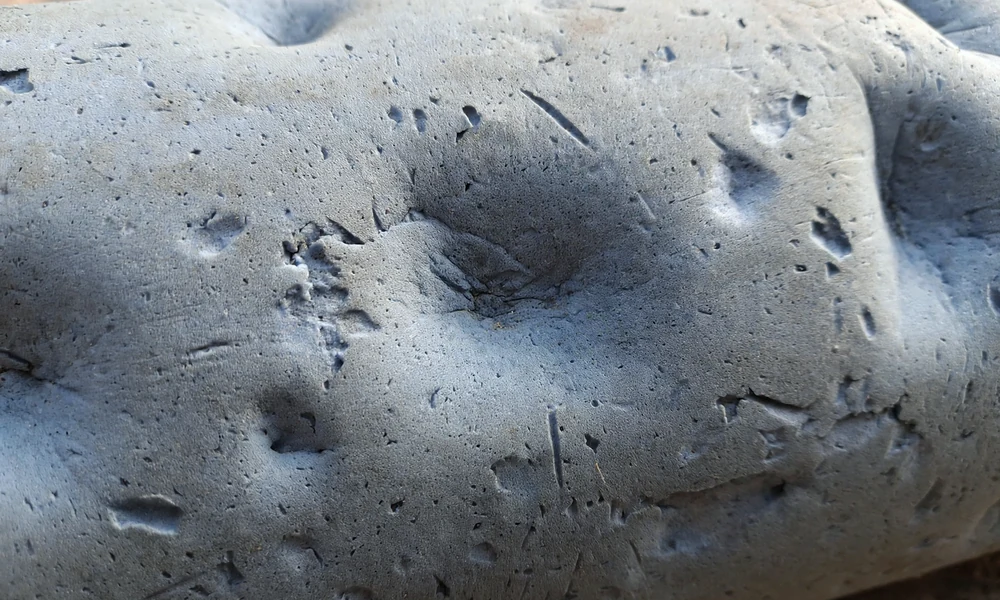
A roller built around a hard plastic tube keeps its shape far longer than a solid block of foam, because the tube takes the load while the foam provides the comfort. Look for a surface with no sharp edges, no peeling coating, and no smell of cheap chemicals when the packaging is opened. Avoid rollers with end caps that rattle, seams that can be peeled with a fingernail, or foam that leaves crumbs on the hands. If any part feels flimsy before it has even been used, that part will fail first, and it will fail sooner than expected.
The Wrong Roller for Post-Run Legs
Runners have specific recovery needs, and the worst rollers ignore them all. A roller bought for general stretching will not reach a runner’s calves, a roller bought for travel will not support a back, and a roller bought because it looked impressive will bruise legs that are already sore. Post-run muscles need slow, steady pressure, not fast, aggressive rolling, and a roller that encourages speed teaches the wrong habit. Rolling too fast and too hard treats recovery like a workout, and slow pressure works far better. A runner who rolls the iliotibial band directly, hard and fast, will feel pain and gain nothing, while slow work on the muscles around it helps.
The other runner-specific mistake is rolling the wrong places. Rolling directly on a joint, a bone, or the lower back without support can hurt and does nothing useful: the muscles around the joint should be rolled, not the joint itself. A runner who rolls the iliotibial band directly, hard and fast, will feel pain and gain nothing, while slow work on the muscles around it helps. A good roller comes with honest guidance on where and how to roll, and a bad one comes with a picture of an athlete and no guidance at all. Our comparison of the best vs worst foam rollers of 2026 puts the good and the bad side by side.
Rollers That Smell and Stain
A foam roller lives on the floor, collects sweat, and the worst ones absorb all of it. Cheap foam soaks up sweat and holds the smell, so a roller that was fresh in January smells stale by March, and no amount of wiping fixes foam that has absorbed months of sessions. A roller that smells is a roller that stays in the cupboard, and a roller in the cupboard recovers nothing. Closed-cell foam resists sweat far better than open-cell foam, which is why the cheapest rollers are also the smelliest. A roller that smells is a roller that stays in the cupboard, and a roller in the cupboard recovers nothing after any run.
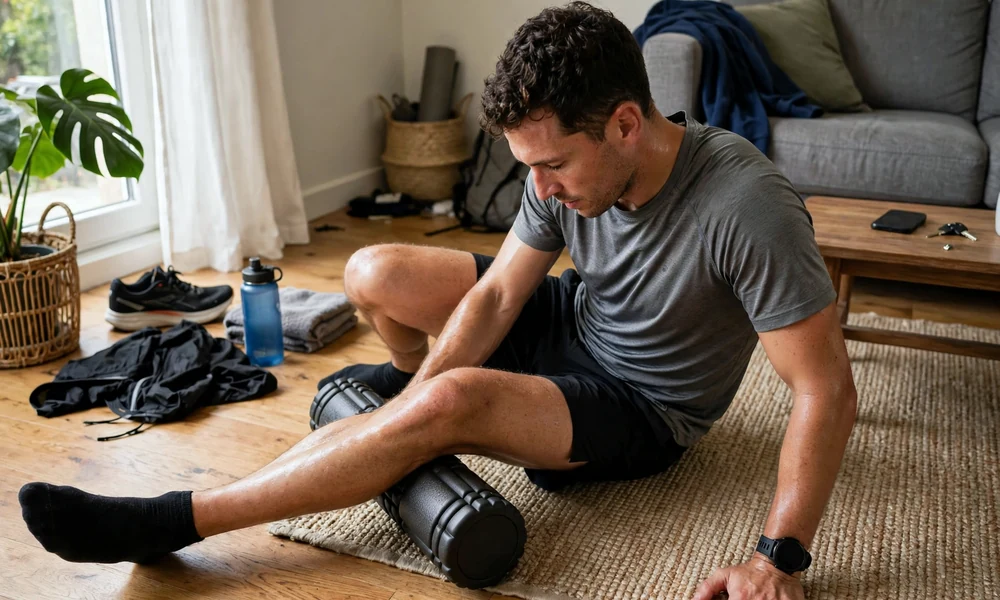
Wipe the roller down with a damp cloth after every run, and let it dry fully before putting it away. A removable, washable cover helps, because the cover can be laundered while the foam stays clean, and a cover also protects the foam from the floor. If a roller already smells, wash it with mild soapy water and dry it in the open air, not in a closed cupboard. A roller that is cleaned after every use stays fresh for years, and a roller that is never cleaned becomes a chore rather than a recovery tool.
What to Buy Instead
The rollers worth buying share a short list of features, and none of them is expensive on its own. A medium or high-density foam that springs back when pressed, built around a hard inner tube. A full length of around ninety centimetres, so the whole back can be rolled at once. A smooth or gently ridged surface that helps without hurting, and a size that fits the room it will be used in. If a roller fails any one of those checks, keep looking. A roller that works on day one and still works in a year is worth every penny, and a roller that fails in the first month teaches the same lesson for free.
Fit matters as much as build, and the roller should suit the runner in front of you rather than the athlete in the photograph. A heavier runner needs a firmer roller, a lighter runner should start softer and move up only when the softer roller stops giving enough pressure, and a runner with tight calves needs a roller that reaches deep without bruising. Roll slowly, pause where it hurts most, breathe, and let the muscle release on its own. A roller that works on day one and still works in a year is worth every penny. If you want a powered alternative for the same sore legs, our guide to the best massage guns of 2026 covers the guns that reach deep without tiring the arms. A heavier runner needs a firmer roller, and a runner with tight calves needs a roller that reaches deep without bruising, because bruised legs do not recover faster.
The Bottom Line
The worst foam rollers for runners of 2026 share a pattern: foam too soft to reach deep muscle, spikes that bruise tired calves, a length too short for a back, hollow cores that crack, and no guidance for post-run legs. Avoid those five failures and you avoid almost every roller regret. Press it hard, run a palm across the surface, check the length against your back, and roll slowly. Do that, and the cheapest recovery tool you own may also become the one you reach for most after every run.


