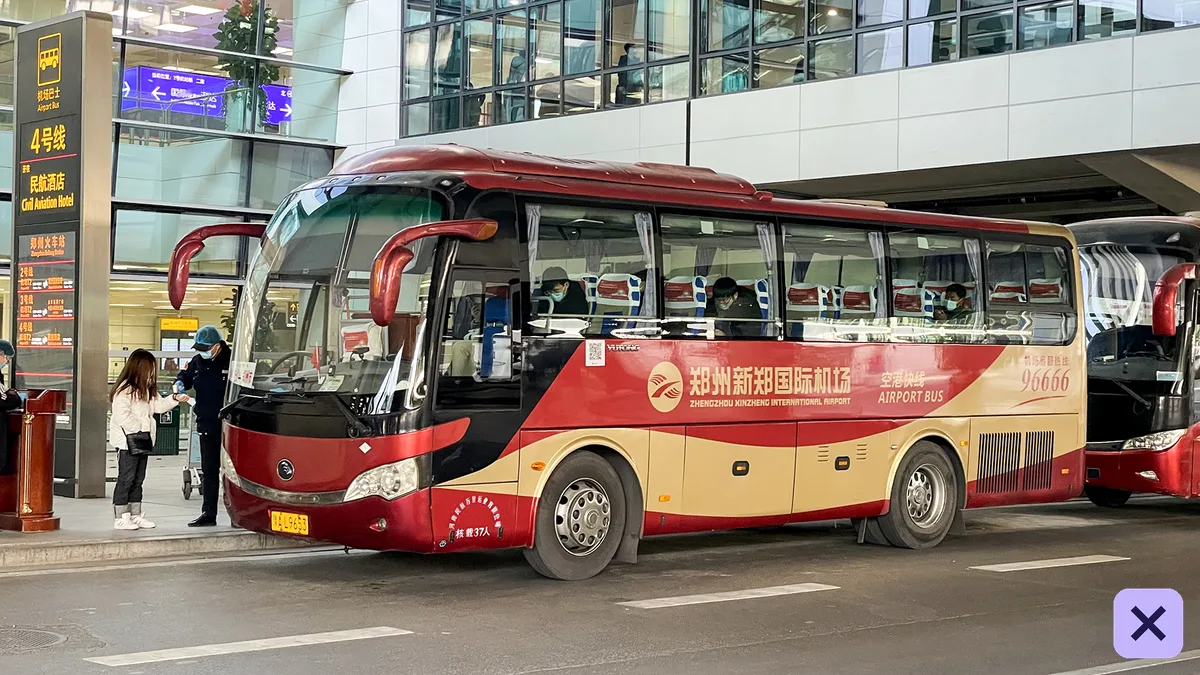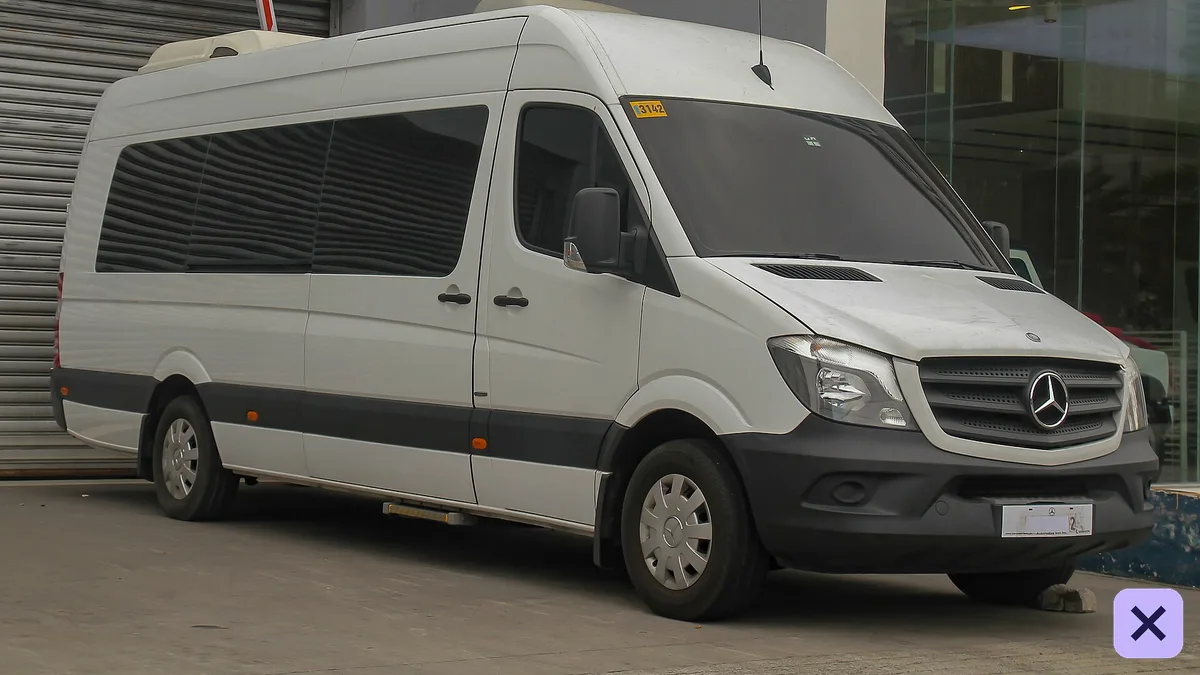
Minibuses to Skip in 2026: Small Shuttles That Fail the Daily Run
The worst minibuses of 2026 are not the slowest vehicles on the road or the plainest ones in the fleet. They are the small shuttle buses that look smart in the depot and then wear their passengers and their operators down: seats that punish riders on a short hop, doors that stick in the rain, air conditioning that quits on a hot airport run, or a repair bill that arrives far earlier than the fleet budget planned for. This guide names the seven worst minibuses of 2026, based on published recall records, operator reports and repeated passenger complaints, so you can spot the pattern before you sign.
First, the distinction that matters. A minibus is a small passenger bus that carries roughly eight to thirty people: a van-based shuttle for hotels, airports, schools and community groups, judged on what passengers feel in the seats, the doors they climb through, and the luggage space behind them. That makes it a different machine from a cargo van, and our guide to the vans that let buyers down in 2026 ranks those same base vehicles as work vans. It is also different from a general bus, which our guide to the buses to avoid in 2026 covers, and from a small school bus: our guide to the school buses to avoid in 2026 already ranks the Thomas Built Minotour, the Blue Bird Micro Bird and the Collins Grand Bantam as pupil-transport buses, so this article does not rank those again. This guide is only about the minibuses that carry adult passengers on shuttle duty.
Key takeaways
- The Ford Transit Minibus is the minibus to avoid first: a cramped cabin, electrical niggles and a ride that wears shuttle drivers out.
- A minibus lives or dies on its doors, its air conditioning and its seats: a shuttle that cannot load passengers quickly, keep them cool or seat them comfortably fails at its basic job.
- Van-based minibuses inherit van problems: a base vehicle built for cargo makes a noisy, hard-riding passenger bus unless the conversion is done well.
- Dealer and parts support matters as much as the minibus: a thin network means long waits for door parts and air-conditioning repairs that take vehicles off the road.
- Always check the recall record, the service history and a pre-purchase inspection before you buy, and test the exact minibus fully loaded, not just empty around the depot.
How the worst minibuses of 2026 were chosen
Every minibus below was scored on five measures. Reliability comes first: how often operators report faults, and how serious those faults are. Passenger comfort is second, covering seats, legroom, noise and the ride over a full shuttle run. Doors and access are third, because a minibus that loads slowly misses its schedule. Repair cost is fourth, because a dealer-only repair turns a nuisance into a disaster. Support is fifth, judged on how many dealers and parts suppliers cover the model. A minibus only makes this list when operators report the same problems again and again, not when one fleet has one bad week.

Comparison table: the worst minibuses of 2026
| Rank | Minibus | Main problem | Buy instead |
|---|---|---|---|
| 1 | Ford Transit Minibus | Cramped cabin, electrical faults, harsh ride | Mercedes-Benz Sprinter Minibus |
| 2 | Mercedes-Benz Sprinter Minibus | Premium price, costly repairs, heavy bills | Ford Transit Minibus |
| 3 | Volkswagen Crafter Minibus | Costly parts, thin dealer cover, noisy cabin | Mercedes-Benz Sprinter Minibus |
| 4 | Peugeot Boxer Minibus | Weak air conditioning, rattling interior, poor resale | Citroen Relay Minibus |
| 5 | Iveco Daily Minibus | Heavy steering, costly electrics, thin support | Ford Transit Minibus |
| 6 | Toyota HiAce Commuter | Dated safety kit, noisy cabin, costly imports | Toyota Proace Minibus |
| 7 | Renault Master Minibus | Electrical faults, weak heater, slow parts | Nissan Interstar Minibus |
The worst minibuses of 2026
1. Ford Transit Minibus: the minibus to avoid first
The Ford Transit Minibus is the most common small shuttle on the road, and that familiarity is part of the problem. Operators report the same faults again and again: a cramped cabin where tall passengers fold themselves into the rear rows, electrical niggles that light up the dashboard, and a ride that feels harsh once the bus is fully loaded. The sliding door sticks in wet weather, and the air conditioning struggles to cool a full load on a hot day.
Repair costs add up quickly too. The Transit is everywhere, so parts are common, but the minibus conversion adds wiring, seating and heating parts that only a specialist stocks.
2. Mercedes-Benz Sprinter Minibus: the premium minibus with premium bills
The Sprinter Minibus is a comfortable, quiet shuttle with a good driving position and strong residuals, and passengers like it. The price is the problem: it costs far more to buy than its rivals, and almost every repair needs a Mercedes dealer. Door motors, air-conditioning parts and seat frames are all priced at a premium, so even a small fault hurts.
Running costs stay high as well, because servicing intervals are strict and dealer labour is expensive. For a small operator with one shuttle, it is a luxury that the balance sheet cannot carry, and the same money buys two simpler minibuses with change to spare.
3. Volkswagen Crafter Minibus: capable, but support is the gamble
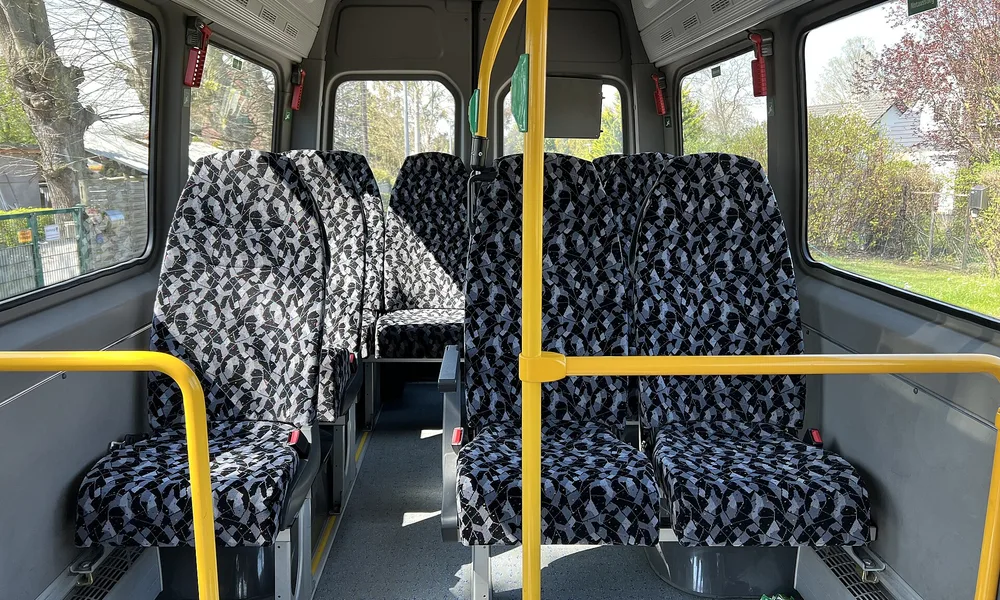
The Crafter Minibus shares much with its rivals and drives well, with a solid body and a calm cabin on the motorway. In service, operators report costly parts, a noisy cabin once the conversion ages, and a dealer network that is far thinner than Ford’s or Mercedes’.
The conversion quality varies as well, because the Crafter is sold to many different converters, and a poor conversion means rattles, draughts and seats that loosen over time.
4. Peugeot Boxer Minibus: a good shuttle at the wrong price for hot runs
The Boxer Minibus is cheap to buy and easy to drive, with a light steering feel that suits town work. The trouble starts in summer, when the air conditioning cannot keep a full load cool, and in winter, when the heater takes an age to warm the rear rows. Passengers notice both, and on an airport run they notice them loudly.
The interior rattles with age, and the sliding door track wears faster than operators expect.
5. Iveco Daily Minibus: strong on paper, costly in the workshop
The Daily Minibus looks like a safe choice: a tough chassis, a big load area and a choice of engines to suit any fleet. In service, operators report heavy steering that tires drivers on town routes, electrical faults that need dealer-only diagnostics, and a support network that is thin outside the big cities. None of these faults is fatal on its own, but together they add up to a minibus that visits the workshop too often.
A fleet that buys a Daily should budget for more downtime than the brochure suggests, and should check that an Iveco-trained technician is within easy reach before signing.
6. Toyota HiAce Commuter: dated, and dear to keep
The HiAce Commuter has a reputation for toughness that it mostly earns, and in many countries it is the default small shuttle. The trouble is age: the safety kit, the cabin design and the seating layout are all a generation behind its rivals, and passengers feel it in the noise, the hard seats and the lack of modern driver aids. On a long shuttle run, that matters.
Parts can be costly as well, because many HiAce minibuses are imports with parts that must be ordered specially.
7. Renault Master Minibus: clever, and dealer-only when it breaks
The Master Minibus is a clever, comfortable shuttle with a good driving position and a cabin that passengers like. The trouble is the electrics: operators report dashboard warnings, door sensor faults and heater problems that only a Renault dealer can diagnose, and each visit means a wait for parts. The heater is a particular sore point, taking too long to warm the rear rows on cold mornings.
Support is thin outside the big cities, so a rural operator can wait days for a repair.
What to buy instead of the worst minibuses
If you need a small shuttle, buy the simplest minibus you can find with a dealer nearby, and check its doors, air conditioning and seat frames before anything else. A bus with a single proven engine, standard parts and a local parts supply will cost far less over five years than a clever minibus that only one dealer can fix.
If your routes are longer or your loads are heavier, step up to a midibus such as the Alexander Dennis Enviro200, which carries more passengers in greater comfort and fits the same depot. Many operators find that a midibus covers the same shuttle work with fewer headaches, and passengers never have to fold themselves into the rear rows of a converted van.
Checklist: buying a minibus in 2026
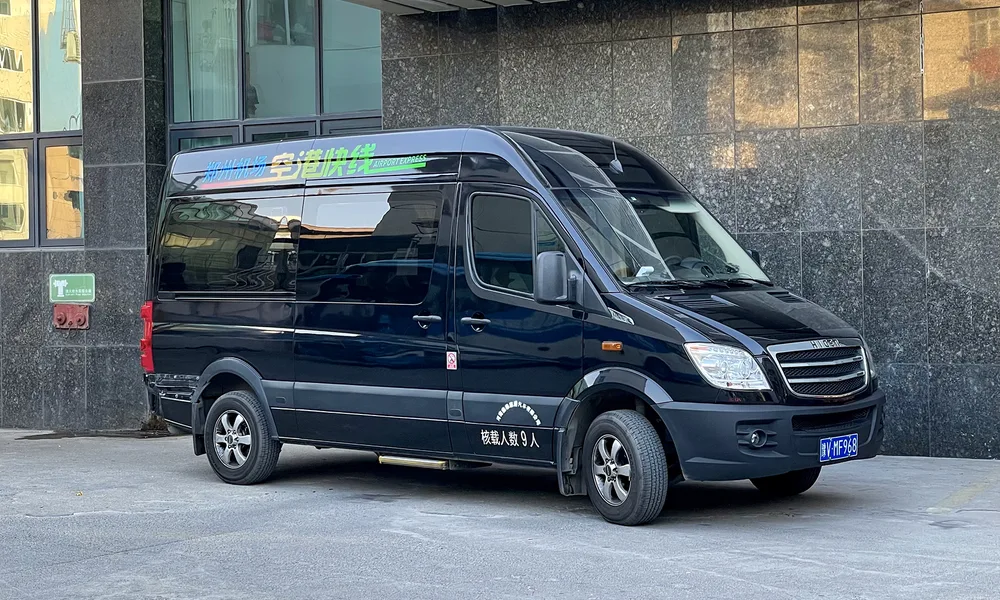
- Test the minibus fully loaded: check legroom, headroom, noise and whether the air conditioning cools every row.
- Open and close every door several times, including the sliding door, and look for sticking, rattles and worn tracks.
- Check the recall record and the service history, and ask how long the last three repairs took.
- Inspect the seat frames and mountings for looseness, and check that every seat belt works.
- Confirm a dealer or trained technician is within easy reach, and that door and air-conditioning parts are in stock.
- Price the minibus over five years, including tyres, brakes and conversion repairs, not just the purchase price.
Frequently asked questions
What is the worst minibus to buy in 2026?
The Ford Transit Minibus tops this list: a cramped cabin, electrical niggles and a harsh ride when fully loaded make it the minibus to avoid first, unless you have a specialist nearby and a generous maintenance budget.
Are minibuses the same as vans?
No. A minibus is a van-based passenger bus with seats, windows and heating for eight to thirty people, while a van is a cargo vehicle. Our vans guide ranks the same base vehicles as work vans, but this guide judges the passenger versions on comfort, doors and shuttle duty.
Are minibuses the same as small school buses?
No. A small school bus carries children to school, with a stop arm, flashing lights and high-back seats. Our school-bus guide already ranks the Thomas Built Minotour, the Blue Bird Micro Bird and the Collins Grand Bantam, so this guide covers adult passenger shuttles instead.
How many seats does a minibus carry?
Most minibuses carry between eight and thirty passengers, depending on the base vehicle and the conversion. Anything bigger is a midibus or a full-size bus, and anything smaller is a car or a people carrier.
Should I buy a used minibus?
A used minibus can be good value if it has a full service history, working doors and a cool-running air conditioner, but budget for seat repairs and conversion wear. Always test it fully loaded before you sign.
What should I check before buying a minibus?
Check the doors, the air conditioning, the seat frames and belts, the recall record and the conversion paperwork. Look underneath for rust on the chassis, and ask who converted the bus and whether that converter is still in business.
Bottom line
A minibus has to do a van’s job with passengers on board, and the worst ones fail at the passenger part first: a sticking door, air conditioning that cannot cool a full load, or seats that punish riders on a short hop. Buy the simplest shuttle your nearest dealer can fix, test it fully loaded before you sign, and remember that a good midibus often does the same job in greater comfort for not much more money.