
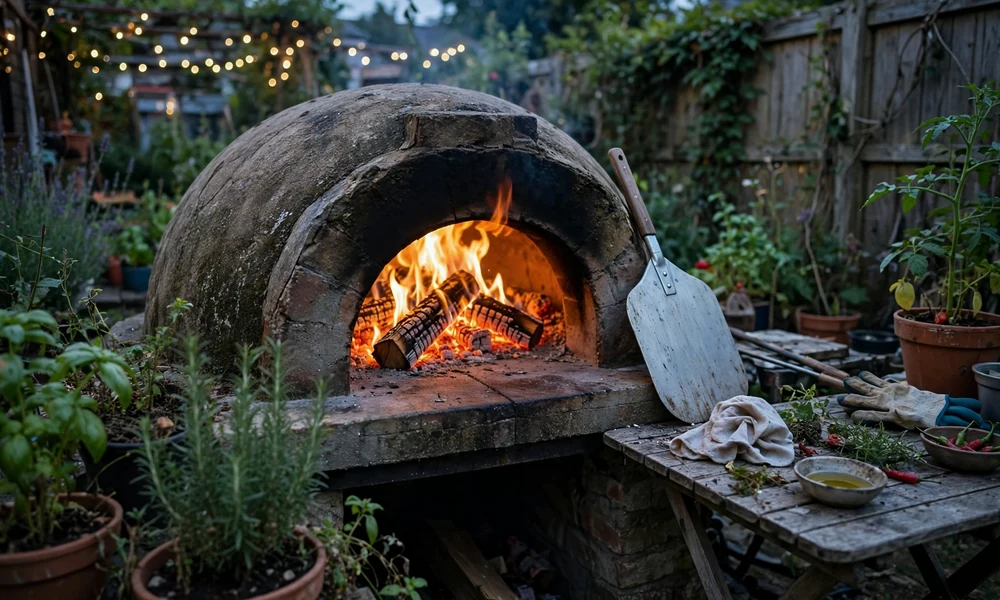
A backyard pizza oven has one job: to cook a proper pizza, with a crisp base, a bubbling top, and a charred crust, in a few minutes. The worst pizza ovens for backyard use of 2026 cannot do it. They never reach pizza heat, they burn the base while the top stays pale, and they are so small that a real pizza does not fit inside. The photograph shows a golden pizza sliding out of a glowing oven. What arrives is an oven that takes an hour to heat, cooks a pizza in twenty minutes, and gives you a base that is burnt in one place and raw in another. A pizza oven has to be hot, even and big enough, and a bad one fails at all three.
What Makes a Backyard Pizza Oven Bad
The first thing to understand about a pizza oven is that pizza needs extreme heat. A proper pizza cooks at four hundred degrees or more, with heat coming from the floor below and the flame above at the same time. A good oven reaches that heat quickly, holds it, and spreads it evenly across the floor. A bad oven never gets hot enough, loses heat every time the door opens, and has hot spots and cold spots that cook one side of the pizza and leave the other raw. The cook ends up turning the pizza constantly, and it still comes out uneven.
The second problem is that a backyard oven has to work outdoors, in wind and rain, with a fire that is lit and fed by hand. The worst ovens are built for a showroom, not a garden: thin metal that loses heat in a breeze, a chimney that smokes back into the oven, and a firebox too small to hold a proper fire. A pizza oven that cannot hold heat outdoors is not a pizza oven. It is a metal box with a fire in it, and it earns its place among the worst pizza ovens for backyard use of 2026.
Ovens That Never Reach Pizza Heat
Heat is the whole point of a pizza oven, and the worst ovens never reach it. They are rated for temperatures they cannot hold, with a thermometer that reads high and a floor that stays lukewarm. A pizza goes in, and instead of cooking in three minutes it sits for twenty, drying out while the cheese melts slowly and the base goes tough. The cause is usually thin metal and poor insulation. A good oven is thick, insulated, and sealed, so the heat stays inside. A bad oven is thin, uninsulated, and leaky, so the heat escapes as fast as the fire makes it.
The test is to light the oven, wait for the thermometer to read pizza heat, and then hold a hand near the floor. A good oven is fiercely hot, and a pizza cooks in minutes. A bad oven feels warm, not hot, and the pizza takes an age. If you want to know what real pizza heat looks like, read our guide to the best pizza ovens and notice how the winners are all judged on how fast they heat and how hot they hold. The worst ovens are the ones that never get there, and a cold evening always finds them out.
Floors That Burn the Base
An uneven floor is the fault that ruins the most pizzas, because the base is the first thing to cook and the last thing to forgive. The worst oven floors have hot spots that burn the base black in one place while the rest stays pale and doughy. Some floors are made of thin stone that cracks after a few hot cooks, and the cracks catch the pizza and tear it. Others are made of metal that heats unevenly, so the base cooks in patches and the pizza has to be turned every thirty seconds.
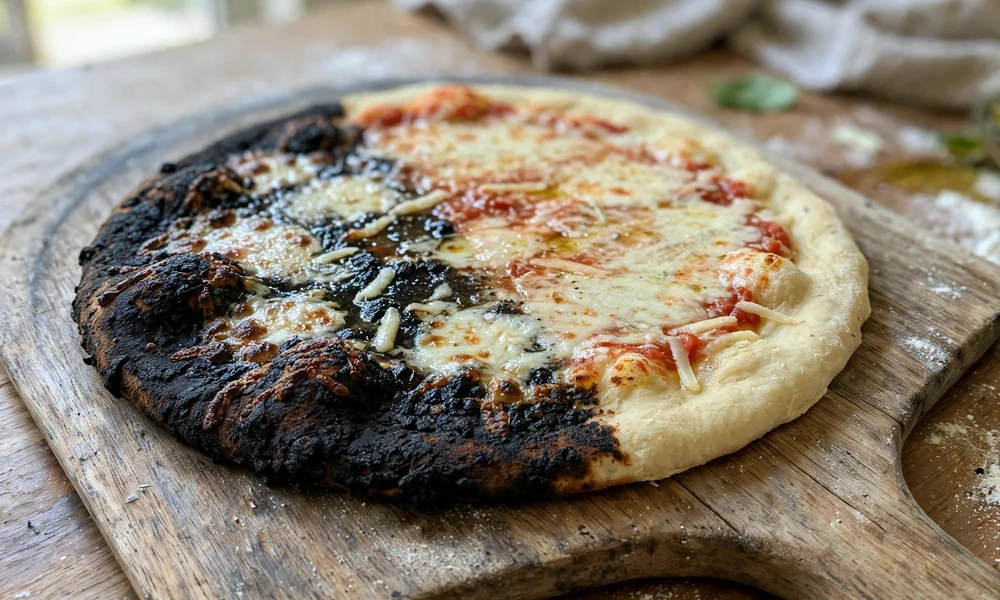
The test is to cook a plain pizza and look at the base when it comes out. A good floor gives an even, golden base with a few dark spots from the flame. A bad floor gives a base that is burnt in one place and raw in another, and no amount of turning fixes it. The floor matters more than most buyers think, because the floor is where the pizza cooks. A floor that burns, cracks or heats unevenly is a floor that will ruin every pizza it cooks, and a pizza oven that ruins pizzas is not a pizza oven at all.
Ovens Too Small for a Real Pizza
Size is the fault that a backyard cook feels most, because a small oven gives a cook nowhere to work. The worst pizza ovens are barely wider than a dinner plate inside, sold as perfect for a family pizza. They are not. A pizza that fits has no room for the peel to turn it, no room for the flame to lick over the top, and no room for the cook to see what is happening. The pizza goes in, the door closes, and the cook has to guess. A pizza that cannot be turned is a pizza that will burn on one side and stay raw on the other.
The test is to measure the inside of the oven and the pizza you want to cook. A good oven holds a twelve-inch pizza with room to turn it and room for the flame beside it. A bad one holds a ten-inch pizza and nothing else. A cook who cannot turn the pizza is a cook who cannot control it, and an oven that gives a cook no control is an oven that has failed. The right size for a backyard oven is one that fits a family pizza with room to spare. If the oven is barely wider than a plate, it is a toy, not an oven, and it will teach a cook nothing except frustration.
Fuel and Fire Problems
Some pizza ovens fail not because of heat or size, but because of fuel and fire. The worst wood ovens have a firebox too small to hold a proper fire, so the cook has to feed it constantly, and the temperature drops every time the door opens. The worst gas ovens have a burner that is too weak, or placed so badly that the flame never reaches the top of the pizza. The worst pellet ovens jam, smoke, and go out halfway through a cook. In all three cases the problem is the same: the oven cannot keep a fire going, and a pizza oven without a fire is a cold box.
The test is to light the oven and cook three pizzas in a row without touching the fuel. A good oven holds its heat through all three, with only a small top-up of fuel. A bad one cools after the first pizza, and the second and third take longer and longer. Fuel matters more than most buyers think, because a pizza oven is used for a whole evening, not a single pizza. An oven that cannot hold a fire for an evening is an oven that will ruin the second pizza, and a ruined second pizza is a ruined evening.
Ovens That Rust and Crack
Rust and cracks are the faults that end a backyard pizza oven early, and they end it fast. The worst ovens are made of thin steel with a coat of paint that burns off on the first hot cook. Within a season the body is pitted, the chimney is rusted, and the door will not close because the frame has warped. The worst stone floors crack after a few hot cooks, and the cracks catch the pizza and tear it. Some ovens rust from the inside out, so the outside looks fine while the firebox corrodes, and the owner only discovers it when the bottom falls out.
The materials that last are thick steel, stainless steel, and proper refractory stone. They cost more, but they survive heat after heat without a mark. When you look at an oven, check the body and the floor first, because those are the parts that fail. If the metal feels thin, if the paint is already chipped, or if the stone looks thin and brittle, the oven will not last. If you want to know what an oven built to last looks like, read our guide to the best grills and notice how the winners are all thick and heavy. A pizza oven that rusts in a season is an oven you will replace in a year.
How to Spot a Bad Backyard Pizza Oven Before You Buy It
The best time to spot a bad pizza oven is in the shop, before any money changes hands. Ask how hot it gets and how fast it gets there. If the maker will not say, the oven does not get hot enough. Measure the inside. If it holds a ten-inch pizza and nothing else, it is too small. Look at the floor. If the stone is thin or the metal is bare, it will burn or crack. Check the firebox. If it is too small to hold a proper fire, the oven will cool after the first pizza. Look at the metal. If it feels thin or the paint is already chipped, it will rust within a season.
Then think about the evenings you will actually cook. An oven that cannot hold heat, cannot fit a family pizza, and cannot keep a fire going for an evening is not a pizza oven. It is a metal box with a fire in it. The right oven is thick, insulated, big enough to turn a pizza, and honest about its heat. Everything else is a photograph of a pizza, not a pizza oven. If you are building the whole backyard cooking space, our guide to the best fire pits will help you judge the fire side of the garden. Get the oven right, and pizza night becomes the best night of the week. Get it wrong, and the oven will be rusting in the corner by next spring.

The Verdict on the Worst Pizza Ovens for Backyard
The worst pizza ovens for backyard use of 2026 all fail in the same few ways. They never reach pizza heat, they burn the base, they are too small for a real pizza, or they rust within a year. They look fine in a photograph and fail over a real fire, and the pizza is the one that pays for it, burnt on one side, raw on the other, and tough all over. An oven that cannot get hot, cannot cook evenly, and cannot fit a family pizza is not a pizza oven. It is a metal box with a fire in it, and a fire does not make pizza. The good news is that the faults are easy to spot before you buy: ask about the heat, measure the inside, check the floor, and look at the metal. An oven that passes those four tests will serve a backyard for years. An oven that fails even one of them will be rusting in the corner by next spring.


