
Avoid the Worst Rollers of 2026: Road Rollers That Leave Ripples, Seams and Big Repair Bills
The worst rollers of 2026 look like the safest buy on the paving crew: a heavy steel drum and a machine whose whole job is to drive slowly over fresh asphalt. Then the mat comes out rippled, the density tests fail, and the crew is milling up a whole lane and laying it again. A bad roller rarely announces itself on the test drive. This guide names the seven worst rollers of 2026, ranked by type and pattern rather than by model, so you can spot the trap before you sign.
Key takeaways
- The small single-drum roller with no working water system is the roller to avoid first: asphalt sticks to a dry drum, tears the mat, and leaves a surface no inspector will pass.
- A roller lives or dies on its drums and vibration: a drum with flat spots, or a vibrator that fades, leaves ripples no extra passes will fix.
- Weight must match the lift: a roller too light for the asphalt depth never reaches density, and the road fails its tests no matter how many passes it makes.
- Dealer support matters as much as the machine: a thin network means long waits for drums, bearings and vibrator parts, and every day waiting is a day the paving season slips.
- Always check the service history, get a pre-purchase inspection, and test the exact machine rolling a real mat on your own job.
How the worst rollers of 2026 were chosen
Every roller below was scored on five measures. Reliability comes first: how often owners report faults, and how serious those faults are. Repair cost is second, support third, judged on the dealer network and parts waits. Capability is fourth: whether the machine can actually compact the asphalt its size and price promise, to density, without ripples or seams. Value is fifth: the real five-year cost, including downtime and rework, not the forecourt price.
Two notes before the list. First, no roller here is weak on paper: they earn their place because ownership lets them down, not because the engine lacks power. Second, this guide ranks types and patterns, not named models: no published reliability scores exist for road rollers, so naming individual models would be guesswork. This guide is strictly about road rollers: machines that compact fresh asphalt on roads, car parks and driveways with smooth steel drums or pneumatic tyres. It does not cover soil compactors, landfill compactors, padfoot machines or plate compactors, which compact earth and waste, not asphalt. A bulldozer pushes earth with a blade instead of rolling a surface, as our guide to the worst bulldozers of 2026 shows, while a wheel loader carries and loads loose material, as our guide to the worst wheel loaders of 2026 explains. Diggers suffer the same support trap in a different shape, and our guide to the worst excavators of 2026 shows how the same reliability problems play out on a digging machine.
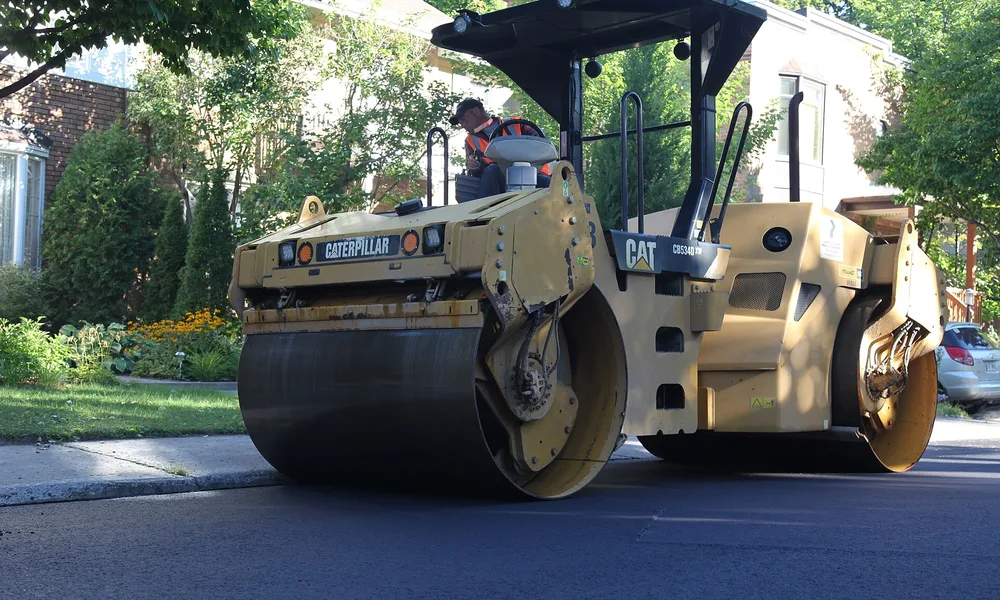
Comparison table: the worst rollers of 2026
| Rank | Roller type | Main fault | First warning sign |
|---|---|---|---|
| 1 | Small single-drum roller, no water system | Asphalt sticks and tears the mat | Chunks of mat stuck to the drum |
| 2 | Tandem roller with worn drums | Flat spots leave ripples | Visible waves across the lane |
| 3 | Pneumatic-tyre roller, uneven pressures | Tyres scuff and pick up mat | Scuff marks at every turn |
| 4 | Static three-wheel roller | No vibration, poor density | Density tests fail on thick lifts |
| 5 | Combination roller, mismatched settings | Steel and tyres fight each other | Seams show at every joint |
| 6 | Light ride-on roller on highway lifts | Too light to reach density | Cores come back soft |
| 7 | Old roller, thin support | Leaking drums, no parts | Weeks waiting for a bearing |
The worst rollers of 2026, ranked
1. Small single-drum rollers with no working water system: the roller to avoid first
The small single-drum roller is the machine most small paving crews are shown first, and it is easy to see why it sells. It is light, cheap, and promises a smooth finish on driveways and small car parks. The promise fades the moment the water system fails, and on cheap machines it fails early. A roller compacts hot asphalt, and hot asphalt sticks to a dry steel drum. The drum picks up chunks of mat, tears holes in the fresh surface, and leaves a finish that looks chewed rather than rolled. The operator ends up stopping every few metres to scrape the drum clean, and every stop leaves a mark. Check the spray bars, pump and tank before you pay.
2. Tandem rollers with worn drums: smooth on paper, rippled on the road
A tandem vibratory roller is the right machine for most asphalt work, but a worn one hides its faults well. Drums wear unevenly, develop flat spots, and go slightly out of round, and none of that shows on a short demo on a yard. On a real mat the faults show at once: flat spots ripple the lane, an out-of-round drum bridges low spots, and the vibrator fades as the oil warms. The result is a road that looks finished from the cab and fails every test on the ground: ripples you can feel through the steering wheel, soft spots under the cores, and joints that open within a season. Measure the mat with a straightedge before you pay.
3. Pneumatic-tyre rollers with uneven pressures: kneading that scuffs instead
A pneumatic-tyre roller compacts asphalt by kneading it with rows of rubber tyres, and on the right job it finishes a mat better than steel can. The whole trick depends on even tyre pressure, and that is where cheap and neglected machines fail. Tyres at different pressures compact at different depths, so the mat comes out with a washboard pattern that no amount of steel rolling will remove. Pneumatic rollers need warm tyres to stop asphalt sticking, and a failed heater turns the roller into a pickup machine within minutes. Check every tyre with a gauge and test the heaters before you sign.
4. Static three-wheel rollers: a good machine from another era
A static three-wheel roller earns its place because of the era, not the machine. These rollers compact by weight alone, with no vibration, and on thin lifts of old-style asphalt they did the job for decades. Modern asphalt is laid thicker, stiffer and colder, and weight alone cannot reach density in a thick lift. The roller makes pass after pass, the density tests still fail, and the crew ends up hiring a vibratory roller to finish the job the static machine could not. Drums, bearings and steering parts for old three-wheel machines are scarce, and a breakdown can idle the machine for weeks. For modern paving, buy vibration.
5. Combination rollers with mismatched settings: two rollers fighting each other
A combination roller has a steel drum at one end and pneumatic tyres at the other. In practice the two ends fight each other unless the settings are exactly right, and on a worn machine they never are. The steel drum wants one speed and one vibration setting, the tyres want another, and a machine set for one end will scuff or bridge with the other. Combination rollers need more care than any other type, and a crew that does not check pressures, heaters and spray bars every morning will pay for it in rework. Buy one only if your crew will maintain it properly.
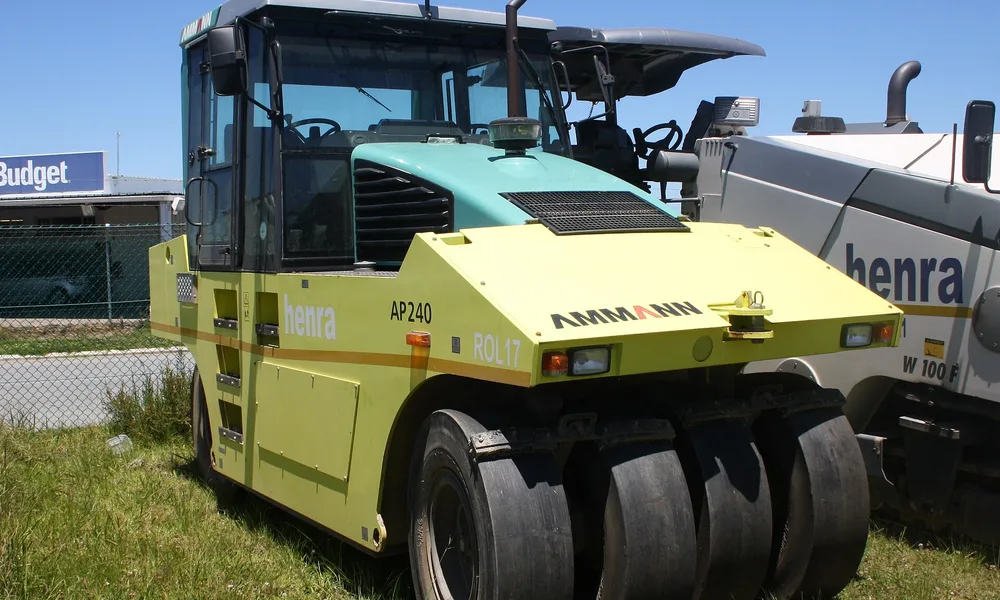
6. Light ride-on rollers on highway lifts: too light to reach density
A light ride-on roller is right for driveways and small car parks. Put it on a highway lift and it fails quietly, which is worse than failing loudly. The machine is simply too light for the depth of asphalt, so it makes pass after pass and the density never arrives. The cores come back soft, the tests fail, and the crew mills up a whole lane and lays it again at their own cost. The failure hides because the surface looks finished from the cab, soft underneath, and only the core drill finds it days later. Weight must match the lift: a thin machine cannot compact a thick mat, no matter how many passes it makes.
7. Old rollers with thin support: the smallest network of all
An old road roller can look like a bargain. The problem is that almost nobody supports it any more. The dealer network is the smallest of any roller on this list, so drums, bearings, vibrator parts and water-system parts are hard to find, and a breakdown in the middle of the paving season can idle the machine for weeks while parts are shipped from the other side of the country. Buy a machine with a dealer who answers the phone, and walk away from a bargain that nobody can fix.
What to avoid when buying a roller
The pattern across this list is simple: buy the roller that fits your asphalt, not the cheapest machine on the internet. A tandem vibratory roller with a working water system and a strong dealer near you will cost more than the cheapest single-drum machine, but it will compact to density, leave no ripples, and still be rolling when the season turns. Ask the dealer how long a drum, a bearing and a vibrator part would take to arrive.
Checklist: testing a roller before you commit
- Roll a real mat on your own job, and check the density with a gauge.
- Run the water system for a full hour and watch whether the drum stays clean.
- Check the drums for flat spots and out-of-round wear, and price a new drum before you sign.
- Lay a straightedge across the finished mat: there should be no ripples, no bridging and no visible joints.
- Phone the nearest dealer and ask how long a drum, a bearing and a vibrator part would take to arrive.
- Compare the real out-the-door price, including the water system, the trailer and delivery, not the headline price.
Frequently asked questions
What is the worst roller to buy in 2026?
The small single-drum roller with no working water system is the one to avoid first, because asphalt sticks to a dry drum and tears the mat. A roller that damages fresh asphalt is a bad buy at any price.
Are cheap rollers a false economy?
Often, yes. A cheap roller with worn drums and a thin dealer network costs more in downtime, parts waits and milled-up rework than a dearer machine from a brand with dealers nearby.
How important is the dealer network when buying a roller?
It is the most important factor after the machine itself. A roller that cannot be fixed quickly leaves a paving crew idle mid-season, so buy from a dealer who stocks drums and bearings.
Should I buy a roller or hire one?
If you pave most weeks, owning the right machine pays. If you pave a few jobs a year, hiring a tandem roller with an operator is cheaper and faster.
What should I check on a used roller?
Check the hours, the service history, the drums for flat spots, the vibrator, the water system and the hydraulic fluid for dirt or water. Roll a real mat and check the density before you pay.
Is a first-year roller model a bad buy?
Usually, yes. First-year models carry the most recalls and early faults. A second or third-year machine from the same generation is usually the safer buy, with the early faults fixed and the recall work done.
Bottom line
The worst rollers of 2026 fail on ownership, not on paper: drums that stick and ripple, tyres that scuff, and parts that take weeks to arrive. Buy the roller that fits your asphalt, test it rolling a real mat on your own job, and the machine will still be rolling smooth when the season turns.


