Avoid the Worst Wheel Loaders of 2026: Big Buckets, Bigger Repair Bills
The worst wheel loaders of 2026 look unstoppable on the dealer forecourt: a huge bucket, a tall cab and a price that seems fair for a machine that can shift a mountain before lunch. Then the lift arms creep down under a full bucket, the transmission overheats on the third load-and-carry cycle, the tyres wear out in months, and the dealer quotes a repair bill that costs more than a month of loading. A bad wheel loader rarely announces itself on the test drive. This guide names the seven worst wheel loaders of 2026, based on published recall records, owner surveys and repeated owner complaints, so you can spot the pattern before you sign.
Key takeaways
- The Caterpillar 950M is the wheel loader to avoid first: owners report lift arms that creep down under load and dealer-only repairs that cost far more than a loading machine should.
- Lift power and cycle speed matter more than engine power: a loader that cannot hold a full bucket at height or finish a load-and-carry cycle without overheating is useless for real site work.
- Transmissions and aftertreatment are the new weak points in wheel loaders, just as they are in dozers: sensors and software faults strand machines that are mechanically sound.
- Dealer support matters as much as the machine: a thin network means long waits for parts and warranty work that eats into loading days.
- Always check the recall record, the service history and a pre-purchase inspection before you buy, and test the exact machine loading in real material, not just an empty drive.
How the worst wheel loaders of 2026 were chosen
Every wheel loader below was scored on five measures. Reliability comes first: how often owners report faults, and how serious those faults are. Repair cost is second, because a dealer-only repair turns a nuisance into a disaster. Support is third, judged on the dealer network near the buyer and how long parts take to arrive. Capability is fourth: whether the machine can actually do the work its size and price promise, from lifting a full bucket to full height to finishing a load-and-carry cycle without overheating. Value is fifth: the real five-year cost, including downtime, not the forecourt price.
Two notes before the list. First, no wheel loader here is slow or weak on paper, and most of them are genuinely capable when they are running. They earn their place because the ownership experience lets them down, not because the engine lacks power. Second, this guide is strictly about wheel loaders: articulated front-end loaders with a big bucket on the front and four large tyres, built to scoop, carry and dump loose material. A bulldozer pushes earth with a blade and never carries a load, as our guide to the worst bulldozers of 2026 shows, while an excavator digs with a boom, a stick and a bucket on tracks, as our guide to the worst excavators of 2026 explains. A wheel loader has to scoop, lift and carry in one cycle, which is exactly why it can fail at all three, and the same dealer-network trap appears in our guide to the worst forklifts of 2026, where a thin network strands an otherwise capable machine.
Comparison table: the worst wheel loaders of 2026
| Rank | Wheel loader model | Main fault | First warning sign |
|---|---|---|---|
| 1 | Caterpillar 950M | Lift arms creep under load | Bucket sags at full height |
| 2 | Komatsu WA320-8 | Transmission overheats | Derate on the third cycle |
| 3 | John Deere 644K | Dealer-only electronics faults | Warning lights with no dealer nearby |
| 4 | Volvo L120H | Brilliant, and brutally expensive to keep | Tyre and brake bills every season |
| 5 | Case 821G | Weak breakout force | Bucket will not bite hard ground |
| 6 | Hitachi ZW220-6 | Thin parts network | Weeks waiting for a lift cylinder seal |
| 7 | Liebherr L556 XPower | Weak resale, thin support | Dealers will not take it in trade |
The worst wheel loaders of 2026, ranked
1. Caterpillar 950M: the wheel loader to avoid first
The Caterpillar 950M tops this list because it fails at the job a wheel loader exists to do, and charges premium money for the privilege. Owners report lift arms that creep down under a full bucket, so a load that should reach the truck bed sags halfway there and spills on the way up. The hydraulics fade as the oil warms, the cycle slows, and by the afternoon the machine works at half its morning pace. The cab is comfortable and the visibility is good, which hides the faults on a short test drive.
2. Komatsu WA320-8: strong on paper, thirsty and hot in the cycle
The Komatsu WA320-8 is strong on paper, with good breakout force and a cab that owners like, but it overheats when the work gets serious. Owners report that the transmission temperature climbs on repeated load-and-carry cycles, the machine derates to protect itself, and the third or fourth cycle of the hour is far slower than the first. Fuel use is heavy for the class, so the machine costs more per tonne moved than its rivals even when running well.
3. John Deere 644K: clever, and dealer-only when it breaks
The John Deere 644K is a clever machine with a smooth ride and a cab that feels a class above its rivals, which is why it hurts when it breaks. Owners praise the lifting power and the breakout force, then report the same pattern: a warning light, a derate, and a fault code only a dealer laptop can read. The electronics are the weak point, not the steel. Sensors fail, software updates are dealer-only, and a mechanically sound machine can sit dead in the yard while the owner waits for a service slot.
4. Volvo L120H: brilliant, and brutally expensive to keep
The Volvo L120H is a brilliant loader to drive, with smooth hydraulics, a quiet cab and a lift that feels effortless, and on a short test it feels like the best machine on this list. The problem is the running cost. Owners report tyre bills that dwarf every rival, brake wear that arrives early, and service parts priced as if the machine were a luxury car rather than a working loader. The fuel economy is good, but it cannot offset the cost of keeping the machine in tyres, brakes and dealer servicing.
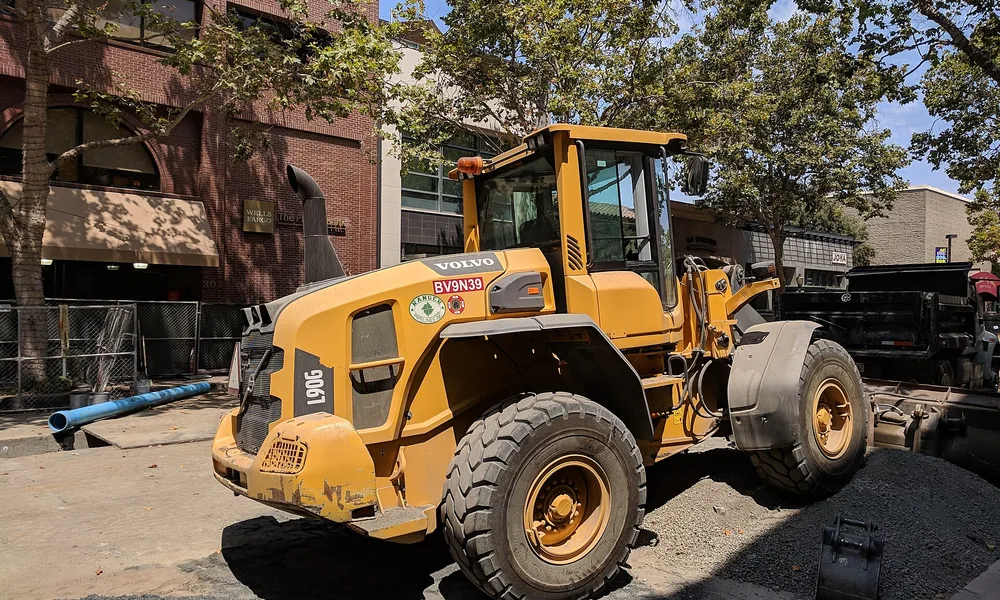
5. Case 821G: a good loader with a bucket that will not bite
The Case 821G loads steadily and has a comfortable cab, but its breakout force lets it down in a way that costs real money. Owners report that the bucket will not bite into hard, compacted material: it skates across the pile, the operator has to ram the heap to fill the bucket, and every cycle takes longer than it should. On loose material the machine is fine, which is why the fault survives the test drive, but on real site work the weak bite shows up within days.
6. Hitachi ZW220-6: capable, but support is the gamble
The Hitachi ZW220-6 is a capable, well-built wheel loader that lifts cleanly and cycles steadily, and on paper it should rank far higher than sixth. The problem is what happens when it needs a part. Hitachi’s wheel loader dealer network is far thinner than its excavator network in many regions, so a lift cylinder seal, a transmission valve or a wiring loom can mean weeks off the job while the part ships. Owners report that local mechanics will not touch the electronics and that resale drops sharply outside the few areas with a strong dealer.
7. Liebherr L556 XPower: the smallest network of all
The Liebherr L556 XPower closes this list because it combines the two faults that sink a wheel loader fastest: thin support and weak resale. Owners report a machine that lifts adequately and carries adequately, with no single dramatic fault, but a dealer network so thin that parts and warranty work are a constant negotiation. A hydraulic leak that takes a day to fix on a rival takes a week on an L556, and the downtime eats the saving made at purchase.
What to avoid when buying a wheel loader
The most common mistake is buying a wheel loader on its bucket size alone and forgetting that it has to lift, carry and dump in one cycle. A machine with a big bucket and fading lift arms is a slow machine, and a slow loader costs money on every cycle. Avoid any wheel loader with no recall record available, any machine whose dealer is far away or thinly stocked, and any seller who will not let you load a real truck in real material before you pay. Avoid first-year models, machines with warning lights already showing, and any loader whose service history has gaps.
Checklist: testing a wheel loader before you commit
- Load a full bucket to full height and hold it there for two minutes: it should not sag or creep down.
- Run three full load-and-carry cycles back to back and watch the transmission temperature and the cycle time.
- Check the recall record and the service history, and walk away from any machine with gaps in either.
- Dig the bucket into hard, compacted material: it should bite and fill, not skate across the pile.
- Phone the nearest dealer before you buy and ask how long a lift cylinder seal and a transmission valve would take to arrive.
- Work the machine for a full hour in the cab: if you are tired, cramped or deafened, the cab is too small for the job.
Frequently asked questions
What is the worst wheel loader to buy in 2026?
The Caterpillar 950M is the wheel loader to avoid first. Owners report lift arms that creep down under a full bucket and dealer-only repairs that cost far more than a loading machine should, and the faults show up on real work rather than on a short test drive.
Are cheap wheel loaders a false economy?
Usually, yes. A cheap wheel loader with a thin dealer network and expensive hydraulics costs more in downtime and repairs than the saving at purchase. The real five-year cost, including parts, labour and lost loading days, is the number that matters.
How important is the dealer network when buying a wheel loader?
It matters as much as the machine itself. A wheel loader has complex hydraulics and a hard-working transmission, so it will need parts and service. A thin network means long waits, and long waits mean lost work and lost income.
Should I buy a wheel loader or a bulldozer?
Buy a wheel loader if you need to scoop, carry and dump loose material, load trucks and move stockpiles. Buy a bulldozer if the work is pushing and spreading earth, because a dozer blade moves material a loader bucket cannot, and a loader cannot grade like a dozer.
What should I check on a used wheel loader?
Check the recall record, the service history, the lift arms for sag at full height, the transmission for overheating on repeated cycles, and the tyres and brakes for wear. Then load a real truck in real material, and watch the hydraulics as the oil warms up.
Is a first-year wheel loader model a bad buy?
Often, yes. First-year models carry the faults that later production runs fix, from software glitches to seal failures, and early owners pay for the learning curve in downtime. A model with two or three years of production behind it is a safer buy.
Bottom line
The worst wheel loaders of 2026 fail in the same few ways: lift arms that creep down under a full bucket, a transmission that overheats on the third cycle, electronics only a dealer can fix, running costs that dwarf the purchase saving, and a dealer network too thin to keep the machine working. Test the full cycle loaded, check the recall record, and phone the dealer before you pay.


