How to Choose Lotion Dispensers That Pump Thick Cream Without Clogging in 2026
How to choose lotion dispensers that actually work is a harder question than it looks, because lotion is not soap. Lotion is thicker and slower to flow, so a pump that works with thin hand soap can clog or give up on a rich body lotion. The best lotion dispensers are built for that thickness: a wider tube, a stronger spring, and the same measured dose every time.
A lotion dispenser is a bottle with a pump, squeeze or airless top that delivers a measured amount of lotion with one press, instead of pouring or scooping it from a jar. It keeps the rest of the lotion clean and sealed, stops it drying out, and makes it easy to use one-handed. Here is how to choose one, and how to keep it pumping cleanly.

Key takeaways
- Lotion is thicker than soap, so a lotion dispenser needs a wider tube and a stronger spring than a soap pump.
- Airless pumps suit thick creams best, pushing lotion up from the bottom and keeping air out.
- One full pump should cover both hands; if you need three pumps, the dose is too small.
- A wide mouth makes refilling easy; a narrow neck turns it into a mess.
- Clean the pump every few months; dried lotion in the nozzle is the usual cause of a clog.
What a lotion dispenser actually does
A lotion dispenser does one job: it gives you the same measured amount of lotion, cleanly, with one press. A jar means dipping fingers in, which introduces dirt and lets the lotion dry out. A tube means squeezing blind, which gives too much one day and too little the next. A pump gives the same dose every time, and the lotion inside stays sealed and clean.
The second job is keeping the lotion usable to the last drop. A good dispenser has a tube that reaches the bottom and stays flexible, so you use the lotion instead of throwing the last centimetre away. A bad one strands lotion at the bottom or lets air in so the top layer dries into a skin.
Lotion dispensers share hardware with soap dispensers, but the job is different. Our guide to soap dispensers that pump cleanly every time covers thin liquids, where a light pump and a narrow tube are enough. Lotion needs a stronger pump, a wider tube and often an airless design. Thick lotion in a soap pump will clog within weeks.
The main types of lotion dispensers, compared
Lotion dispensers fall into four families, and the family decides the dose, the cleaning and how much lotion gets wasted.
Standard pump dispensers
The standard pump dispenser is the classic countertop bottle: press the head, a piston pushes lotion up the tube and out of the nozzle, and a spring pushes the piston back. The best have a metal pump head, a heavy body and a tube that reaches the bottom. A cheap plastic pump will stick, squeak or snap within months, so press it several times before buying, and if it grates or wobbles, put it back.
Airless pump dispensers
An airless pump has no tube at all. Instead, a disc inside the bottle rises as you pump, pushing lotion up from the bottom, and no air ever gets in. That makes it the best choice for thick creams, because the lotion never oxidises or dries into a skin, and it wastes almost nothing. The trade-off is that you cannot see how much is left, and you cannot refill most airless bottles easily.
Squeeze and flip-top dispensers
A squeeze dispenser is a soft bottle you press to push lotion out of a small nozzle, often with a flip-top cap. It is cheap and easy to travel with, and it works well for thin lotions and for children. The weakness is control: it is easy to squeeze out too much, and a squeezed-flat bottle lets air in, so the lotion dries out faster. Do not use it for very thick creams, which need a pump to move at all.
Wall-mounted and shower dispensers
A wall-mounted dispenser fixes to the bathroom wall and releases lotion with a press or a lever, which keeps the counter clear and the bottle out of the splash zone. It suits a small bathroom, a shower, or a household where several people share one lotion. The best models have a large reservoir and a drip-free nozzle, because a leak runs straight down the tiles. Moving it means filling holes, and most wall units hold less than a countertop bottle.
How a lotion pump actually works
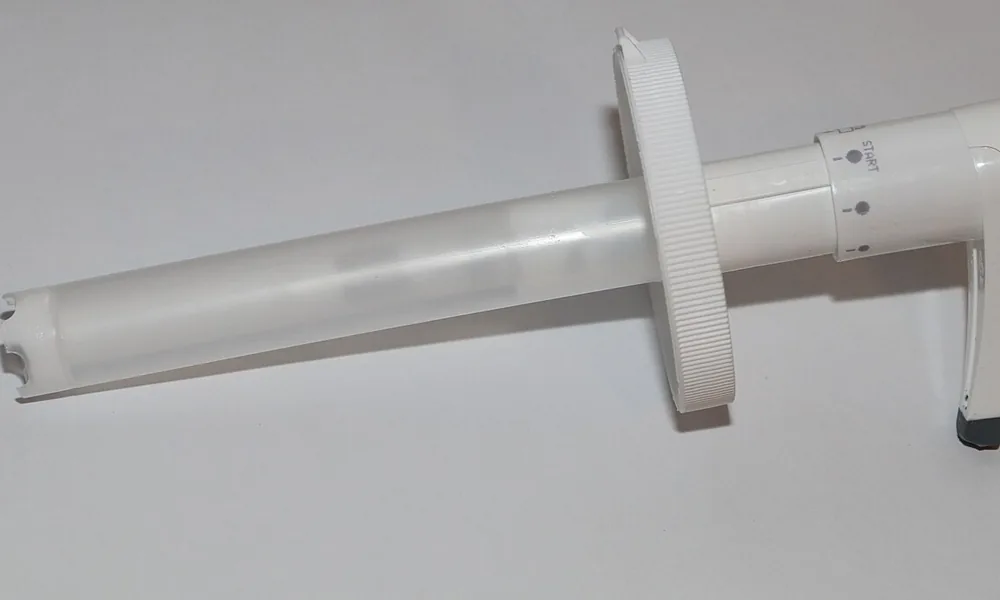
Pressing the head pushes a piston down, forcing lotion up the tube and out of the nozzle. Releasing it lets a spring push the piston back up while a valve refills the chamber. A weak spring sticks halfway down, a leaky valve lets lotion drain back so the first press gives air, and worn seals let lotion creep out around the neck, leaving a sticky ring.
Lotion thickness matters more than most people realise. A pump made for thin lotion has a narrow tube and a light spring, and it will struggle with a thick lotion. The lotion then dries in the nozzle, and the next press has to clear a plug of dried lotion first. Airless pumps avoid this by keeping air out, and a wide-tube pump with a strong spring copes better. Check the pump against your thickest lotion, not the thinnest.
Matching the dispenser to your lotion
Start with the lotion, not the bottle. Thin, runny lotions work in almost any pump, including a standard soap-style pump with a narrow tube. Medium body lotions need a proper lotion pump with a wider tube and a stronger spring. Very thick creams and butters need an airless pump, because a tube pump will clog no matter how good it is. For a full guide to the lotions themselves, see our roundup of body lotions that keep skin soft all day.
Hand cream is usually thicker than body lotion and used in smaller doses, so a small pump bottle on a desk or bedside table suits it far better than a large bathroom bottle. Our guide to why hand cream matters more than you think covers the creams themselves. Match the dose to the job, and do not expect one big bottle to serve every room.
Materials and bottle sizes
Ceramic is heavy enough to stay put and easy to wipe clean, but it cracks if dropped on a tiled floor. Glass suits bulk buyers who want to stop throwing away plastic bottles, and amber or green glass keeps light away from lotions that prefer the dark. Stainless steel is the most durable option, and a brushed finish hides water marks better than polished chrome. Plastic is light and cheap, but a thin plastic bottle tips over when the pump is pressed one-handed, so pick a heavy base.
Size matters too. A small bottle, around 200 millilitres, suits a bedside table or a desk. A medium bottle, around 400 millilitres, is the standard for a bathroom vanity. A large bottle, 500 millilitres or more, suits a family bathroom, but it is heavy to lift and awkward to refill. Buy the size that matches the room, not the biggest bottle on the shelf.
Comparing lotion dispenser types
| Type | Best for | Watch out for | Price |
|---|---|---|---|
| Standard pump | Most body lotions, vanities | Cheap plastic pumps stick or snap | Low to mid |
| Airless pump | Thick creams, expensive lotions | Cannot see the level; hard to refill | Mid to high |
| Squeeze / flip-top | Thin lotions, travel, children | Easy to squeeze out too much; lets air in | Low |
| Wall-mounted | Small bathrooms, shared lotion | Needs screws; holds less than a bottle | Low to mid |
| Travel mini pump | Handbags, holidays, desks | Tiny capacity; easy to lose the cap | Low |
Where to put a lotion dispenser
A medium pump bottle beside the bathroom sink is the most-used object in many bathrooms. A small bottle on the bedside table means lotion is there when skin is driest, at night. A desk bottle suits anyone whose hands dry out at work. Put the dispenser where the lotion actually gets used, not where it looks prettiest, and keep it out of direct sunlight.

Refilling and cleaning without the mess
Refilling is the moment most lotion dispensers go wrong. The common mistake is refilling a narrow-necked bottle from a wide shop bottle, which spills lotion down the side. Use a small funnel, or buy lotion in a refill pouch, and fill to about four-fifths so the pump has room to prime. The second mistake is mixing lotions in one bottle — a thick cream on top of a thin lotion will clog the tube. Use one lotion per dispenser, and wash the bottle before switching.
Rinse the bottle in warm water and let it dry completely before refilling, because water left inside thins the lotion. Soak the pump head in warm water, then pump clean water through it until it runs clear, which clears dried lotion from the nozzle and the valve. If the pump still sticks after cleaning, the spring is tired and the pump is done.
Checklist: before you buy a lotion dispenser
- Check the pump against your thickest lotion, not your thinnest, and press it several times before buying.
- Look for a wide tube and a strong spring, and a tube that reaches the bottom of the bottle.
- Check the mouth: a wide mouth makes refilling easy, while a narrow neck turns it into a mess.
- Match the dose to the job: one pump should cover both hands.
- Weigh the bottle in your hand: a light bottle tips over when you press the pump one-handed.
- Pick airless for thick creams, and a standard pump for everyday lotion you refill often.
Frequently asked questions
Can I put lotion in a soap dispenser?
Only if the lotion is thin. A soap pump has a narrow tube and a light spring, and thick lotion will clog it within weeks. Buy a pump made for lotion, or use an airless pump for thick creams.
Why does my lotion pump give air on the first press?
Usually the valve is leaking, so lotion drains back down the tube, or the tube does not reach the bottom. Pump it a few times to prime it; if it keeps happening, the pump needs replacing.
Why does lotion dry in the nozzle?
Air gets into the nozzle between uses, and the lotion at the tip dries into a plug. Wipe the nozzle after use, and soak the pump head in warm water every few months.
Are airless pumps worth the extra money?
For thick creams and expensive lotions, yes: they keep air out and waste almost nothing. For everyday body lotion you refill often, a standard pump is cheaper and easier to refill.
How do I get the last lotion out of the bottle?
Choose a dispenser whose tube reaches the bottom, and an airless pump if you want almost nothing left. If the tube is too short, cut a longer one to fit, or pour the last of the lotion into a small jar.
How often should I clean a lotion dispenser?
Every few months, and every time you switch lotions. Rinse the bottle, soak the pump head, and pump clean water through it until it runs clear. A clean pump lasts years; a dirty one clogs in months.
The bottom line
A good lotion dispenser is matched to the lotion, not to the bathroom. Thick creams need an airless pump or a wide-tube pump with a strong spring, everyday body lotion needs a standard pump with a tube that reaches the bottom, and thin lotions will work in almost anything. Get the pump, the tube and the dose right, keep it clean, and it will give the same measured press every morning for years.