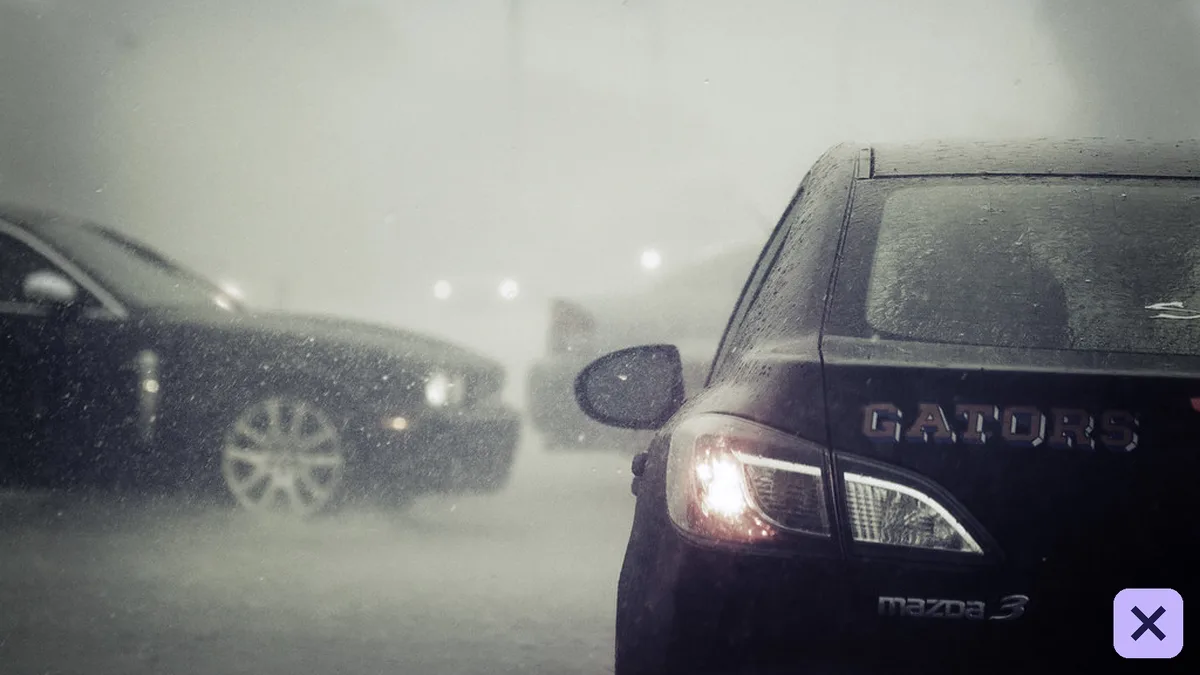
The worst sedans for spring driving in 2026 turn the season’s changeable weather into hard work: weak wipers that smear instead of clearing, engines that strain when the air conditioning kicks in, cabins that mist up and stay misted, and suspensions that crash through every pothole winter left behind. A bad spring sedan feels nervous on wet roads, tiring on broken surfaces and stuffy when pollen rises. The worst sedans for spring driving are judged on exactly that: wet-weather grip, wipers and demisting, ride comfort over damaged roads, cabin filtration and visibility in changeable light.
Spring exposes weaknesses other seasons hide. In summer a weak demister does not matter; in winter a poor cabin filter is barely noticeable. In spring, all of them matter at once. A cold morning fogs the glass, a midday shower floods the dips, and by afternoon the sun glares across a smeared windscreen. The roads are at their worst too, with potholes, loose gravel and patches that sink after rain. The sedans in this guide fail that test in different ways, each with a specific spring weakness worth knowing before you buy. The worst sedans for summer driving fail on cooling instead, which is a different problem.
Key Takeaways
- Weak wipers and slow demisting are the most common spring failures, affecting safety every damp morning.
- Small engines lose a noticeable share of their power in spring, when the air conditioning, demister and heated screens all draw at once.
- Cheap factory tyres are the hidden weakness: wet braking distances grow sharply as tread wears down.
- A firm, crashy ride over potholes makes a sedan tiring within weeks.
- Poor cabin filtration turns pollen season into a daily ordeal for hay fever sufferers.
What Spring Exposes in a Bad Sedan
Spring is the season of small failures adding up. A wiper that chatters, a demister that takes five minutes, a cabin that smells damp after rain, a suspension that thumps over every repair patch — none is a disaster alone, but together they make a car miserable for three months of the year. The worst spring sedans share a pattern: they were built to a price, and the savings show up in exactly the parts spring tests hardest.
The other spring problem is standing water. After winter, drains are blocked with leaves, dips hold water for days, and a heavy shower can leave inches of water across a road. A sedan with low clearance or weak brakes after a splash is a liability here. Add pollen, which exposes every weakness in a cabin filter, and low sun, which exposes every smear on a windscreen, and you have the full spring test. The worst sedans for winter driving fail on snow and ice instead, but the spring failures are more everyday: they annoy you on the school run.
The Worst Sedans for Spring Driving in 2026
1. Mitsubishi Mirage G4: The Weakest All-Round
The Mirage G4 is the worst spring sedan on this list because it fails the season’s tests almost across the board. Its tiny 1.2-litre engine has so little power that running the air conditioning and demister together leaves almost nothing for moving the car, so merging into wet traffic becomes a slow, noisy ordeal. The factory tyres are narrow and cheap, wet grip is poor, and the car feels nervous through standing water.
Inside, the wipers are small and ineffective, the demister is slow, and the cabin filter is basic, so pollen drifts in freely. The ride is soft but uncontrolled, wallowing over dips and crashing through potholes. The Mirage G4 is cheap to buy and run, and that is its only defence. For anyone who drives through a real spring, it is the sedan to avoid first.

2. Nissan Versa: The Budget Compromise
The Versa is likeable in many ways: roomy, cheap, and easy to park. But spring is unkind to it. The standard tyres are chosen for price, not wet grip, and braking distances on a wet road are noticeably longer than the class leaders. The small engine works hard in the rain, the cabin is noisy at motorway speed, and spray roar fills the interior.
The demister is slow on cold mornings, and the cabin filter is only adequate, so hay fever sufferers will notice within days of pollen season starting. The ride is acceptable on smooth roads but brittle over potholes, and the steering gives little warning as grip changes. The Versa is fine as a dry-weather city car, but spring asks more than the Versa can give.
3. Dodge Charger: The Heavyweight Problem
The Charger is big, heavy and thirsty, and spring makes all three worse. Its weight means longer wet braking distances, its width makes it awkward in narrow flooded lanes, and its thirst makes every spring journey cost more. The rear-wheel-drive layout, fun on a dry road, feels nervous on a greasy surface after the first rain in a dry spell, when oil and dust mix with water.
Visibility is poor too: thick pillars and a high waistline make it hard to spot cyclists and pedestrians in poor light, and the wipers struggle in heavy rain. The ride is firm over broken roads, and the roomy cabin mists up readily. The Charger has presence and power, but spring rewards composure and efficiency, and the Charger offers neither.
4. Volkswagen Jetta: The Firm-Ride Frustration
The Jetta is a solid, well-built sedan with a good engine and pleasant cabin, but its ride ruins it for spring. The suspension is firm, and on roads full of potholes and repair patches it thumps and crashes where rivals glide. After a few weeks, the car feels tiring rather than refined.
The base models are worst: smaller engines with noticeable turbo lag make wet junctions awkward, and the standard tyres are only average in the rain. The cabin is quiet and the demister works well, which makes the ride all the more frustrating — so much is right, and the suspension undoes it. If your spring roads are smooth, the Jetta is fine; if typical, look elsewhere.
5. Chevrolet Malibu: The Ageing All-Rounder
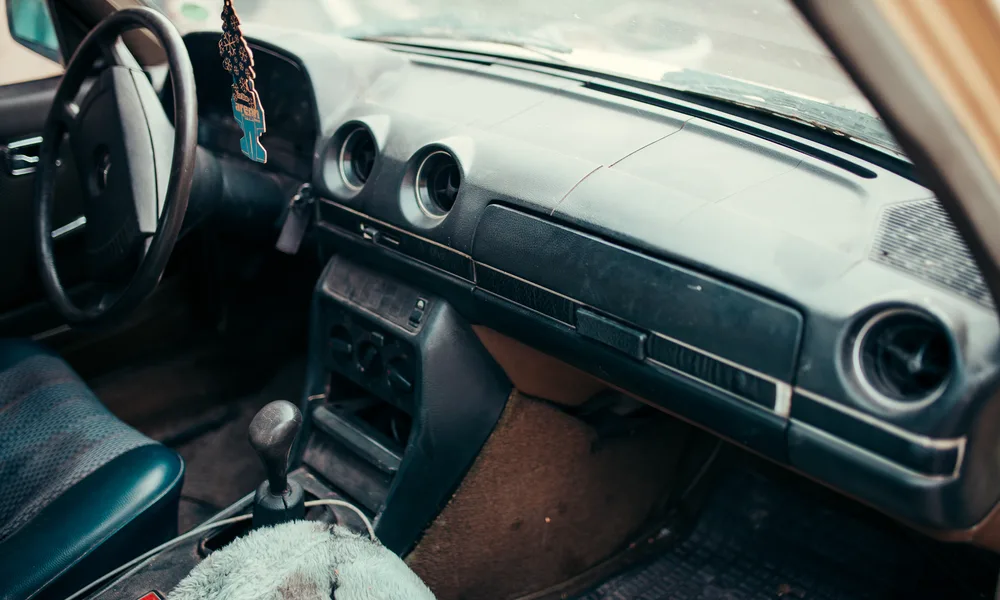
The Malibu is an ageing design, and spring shows its age. The cabin filter is weak by modern standards, so pollen and traffic fumes find their way in. The demister is slow and the wipers average, and thick pillars and a small rear window that mists up readily compromise visibility. In heavy rain the car feels vague, with steering that goes light just when you want feedback.
The ride is comfortable, and the Malibu is roomy and cheap, which is why it still sells. But the details matter in spring: a boot seal that lets in damp, door seals that whistle, brakes that feel wooden after a splash through standing water. None of these alone is a reason to scrap a car, but together they make the Malibu a poor spring companion compared with newer rivals. The worst sedans for city driving fail on tight streets instead, but the Malibu’s spring weaknesses follow it everywhere.
6. Tesla Model 3: The Clever Car With Spring Blind Spots
The Model 3 is a brilliant car in many ways, but spring exposes its quirks. The wipers are controlled through the touchscreen, with no stalk to flick when a sudden shower hits, and the automatic wipers have a reputation for wiping when it is dry and hesitating when it rains. On a changeable spring day, that is annoying and, at the wrong moment, distracting.
The Model 3 also sits low, so standing water and deep potholes are a real concern, and the firm ride transmits every broken surface into the cabin. The glass roof lets in low spring sun, and the cabin can mist up quickly on damp mornings. Running costs and performance are excellent, but for spring specifically the Model 3 asks its driver to work around it rather than the other way round.
Worst Sedans for Spring Driving Compared
| Sedan | Wet-Weather Grip | Wipers and Demisting | Ride Over Potholes | Main Spring Flaw |
|---|---|---|---|---|
| Mitsubishi Mirage G4 | Poor | Poor | Poor | Weak everywhere |
| Nissan Versa | Poor | Average | Average | Cheap tyres, long wet braking |
| Dodge Charger | Average | Average | Poor | Heavy, thirsty, poor visibility |
| Volkswagen Jetta | Average | Good | Poor | Crashy ride on broken roads |
| Chevrolet Malibu | Average | Poor | Good | Weak filter, ageing design |
| Tesla Model 3 | Good | Poor | Poor | Screen-only wipers, low clearance |
How to Cope, and What to Buy Instead
If you already own one of these sedans, spring is still manageable. The most effective fix is a set of good tyres: wet braking and aquaplaning resistance improve immediately, and a mid-range tyre with strong wet ratings transforms a nervous car. Replace the wiper blades, fit a fresh cabin filter, and clean the inside of the windscreen — much misting and smearing comes from dirty interior glass.
If you are buying, the fix is simpler: choose from the other side of the list. A Toyota Camry Hybrid or Honda Accord handles everything spring throws at it, and a Subaru Legacy adds all-wheel drive for the worst rain. Test any car on a wet day, on a broken road, with the demister running. The cars that pass are worth paying a little more for.

Checklist: Surviving Spring in a Sedan
- Fit new wiper blades at the first sign of smearing.
- Replace the cabin filter before pollen season starts.
- Check tyre tread and pressures weekly while the weather changes.
- Clean the inside of the windscreen to cut misting and glare.
- Slow down for standing water: it hides potholes and pulls the car sideways.
- Keep the air conditioning running, even on cool days, to dry the air.
Frequently Asked Questions
What makes a sedan bad for spring driving?
A bad spring sedan combines weak wet-weather grip, slow demisting, a crashy ride over damaged roads and poor cabin filtration. The failures are everyday ones: they annoy you on the school run.
Can good tyres fix a bad spring sedan?
Partly. Good tyres transform wet braking and grip, and they are the most effective single upgrade. But they cannot fix slow demisters, poor wipers, a weak cabin filter or a crashy suspension.
Why do small cars struggle more in spring?
Small engines lose a bigger share of their power to the air conditioning, demister and heated screens, all of which run at once in spring. Cheap factory tyres and basic wipers make the problem worse.
Is the Tesla Model 3 really a bad spring car?
It is not a bad car, but it has specific spring weaknesses: screen-only wiper controls, low ground clearance and a firm ride. Buyers who prioritise easy spring driving should test it in the rain first.
How do I stop my windscreen misting up?
Run the air conditioning, which dries the air as well as warming it, and clean the inside of the glass. A fresh cabin filter helps too, since a clogged filter restricts airflow.
Should I avoid buying a sedan in spring?
No — spring is a good time to buy, because you can test a car in the conditions that expose its weaknesses. Drive it in the rain, over broken roads, with the demister on, and you will learn more in twenty minutes than in a summer test drive.
The Bottom Line
The worst sedans for spring driving fail the season in different ways, but the pattern is the same: they were built to a price, and spring finds the savings. The Mitsubishi Mirage G4 is the weakest all-round, the Nissan Versa is let down by cheap tyres, the Dodge Charger is too heavy and thirsty, the Volkswagen Jetta rides too firmly over broken roads, the Chevrolet Malibu is showing its age, and the Tesla Model 3 makes its driver work around its quirks. If you own one, fit good tyres, new wipers and a fresh cabin filter. If you are buying, test your shortlist in the rain and pick the car that makes spring feel easy.