A Day of Calm, Ruined: The Worst Spas of 2026
The worst spas of 2026 fail slowly, across a whole day you paid good money to enjoy: a treatment that ends before it begins, a relaxation room that is anything but relaxing, and a bill that keeps growing after you have already paid. This guide ranks the worst standalone day spas and wellness centres, the places you visit for a full day of treatments, pools and quiet. Hotel spas have their own problems, covered in our guide to the worst hotel spas; here the subject is the day spa itself, and everything that can go wrong between arrival and the drive home.
Key takeaways
- A bad spa day is rarely one big failure: it is a chain of small ones, short treatments, cold water, noise and surprise charges.
- The treatment is the test: if the hands-on time is shorter than the menu promises, nothing else on the day can rescue it.
- Rest areas decide the day: a noisy, crowded or phone-lit relaxation room has failed at the one thing a spa is for.
- Day packages hide the real cost: lunch, towels, robes and lockers are often extras, and the poster price is rarely the desk price.
- Walk away early if the basics are wrong: dirty water, unwashed robes or pushy selling are warnings to leave.
How the worst spas of 2026 were chosen
Every type below was scored on five measures. Treatment quality comes first: the hands-on time, the therapist’s skill, and whether the treatment matches the menu. Facilities are second, judged on the pools, the heat rooms, the showers and the rest areas. Honesty is third: the real price once extras are added, and whether the photos and the menu told the truth. Atmosphere is fourth, because a spa sells calm, and a noisy, crowded or rushed spa has broken its own promise. Care is fifth: clean towels and robes, fresh water, and trained staff. No spa is named as the worst: the same bad patterns appear in many places, and what matters is recognising them before you pay. Travellers will find the same logic in our guides to the worst boutique hotels and the worst beaches, where the gap between brochure and reality is the real story.

Comparison table: the worst spas of 2026
| Rank | Spa type | Main fault | Warning sign |
|---|---|---|---|
| 1 | The 25-Minute Hour | Treatments cut short | Therapist arrives late, leaves early |
| 2 | The Conveyor-Belt Treatment | Scripted, rushed, no consultation | No questions asked before hands-on |
| 3 | The Noisy Relaxation Room | Rest area ruined by noise | Phones ringing, voices, no quiet rule |
| 4 | The Cold-Water Spa | Pools and jets that do not work | Cold pool, jets off, showers lukewarm |
| 5 | The Hard-Sell Shelf | Every treatment ends in a sales pitch | Products pushed before you dress |
| 6 | The Day Package That Ends by Lunch | A full day that runs out by noon | Long gaps, lunch extra, areas closed |
| 7 | The Phantom Therapist | The therapist you booked never appears | Swapped, trainee, or double-booked |
The worst spas of 2026
1. The 25-Minute Hour: the treatment that ends before it begins
You book an hour, the therapist arrives ten minutes late, spends five minutes on a consultation you did not ask for, and starts wrapping up after twenty-five minutes of hands-on work. The worst versions dress the shortfall up as a ritual: a foot soak, a tea ceremony, a long chat about oils. The warning sign is a spa that will not say, in writing, how many minutes are hands-on. A good spa states it plainly, and the therapist starts on time. A spa that shortens treatments is selling time it does not deliver, and it will do the same to the next guest.

2. The Conveyor-Belt Treatment: same routine, every body
In this spa, every guest gets the same treatment, whatever they asked for. The consultation is a tick-box form filled in by reception, the therapist does not ask about injuries or pressure, and the routine runs on rails: the same strokes, the same order, the same oils. The test is the first two minutes. A good therapist asks where it hurts, how much pressure you like, and whether anything should be avoided. A conveyor-belt therapist starts rubbing before you have finished sitting down. If you mention a bad shoulder and the routine does not change at all, you are receiving a timetable, not a treatment, and the spa is booking too many guests for the staff it has.
3. The Noisy Relaxation Room: calm, cancelled
The relaxation room is where a spa day is won or lost. It should be the quietest room in the building: low light, warm blankets, herbal tea, and silence. In the worst spas it is a waiting room with a new name. Guests take calls, children run through, staff chat at the door, and someone is always opening the fridge or clattering cups. You lie there in a robe, listening to a stranger argue about a parking ticket, and the calm you paid for never arrives. A spa that takes rest seriously enforces it. Phones stay silent, voices stay low, and the room is kept for resting, not for socialising. If the room has a television or a door that slams every thirty seconds, the spa has told you what it thinks rest is worth.
4. The Cold-Water Spa: pools and jets that do not work
Water is the heart of a day spa, and in the worst ones it is cold, cloudy, or out of order. The main pool is a degree or two below comfortable, the jets are switched off to save money, the hydrotherapy pool is closed for maintenance for the third month running, and the showers run lukewarm at best. You move from one disappointing pool to the next, drying off and getting cold, Check the water before you book a whole day around it. Recent guest photos are more honest than the spa’s own gallery. On the day, dip a hand in first. If the pool is cold, the jets are dead and the showers are tepid, ask for a partial refund and leave.
5. The Hard-Sell Shelf: every treatment ends in a pitch
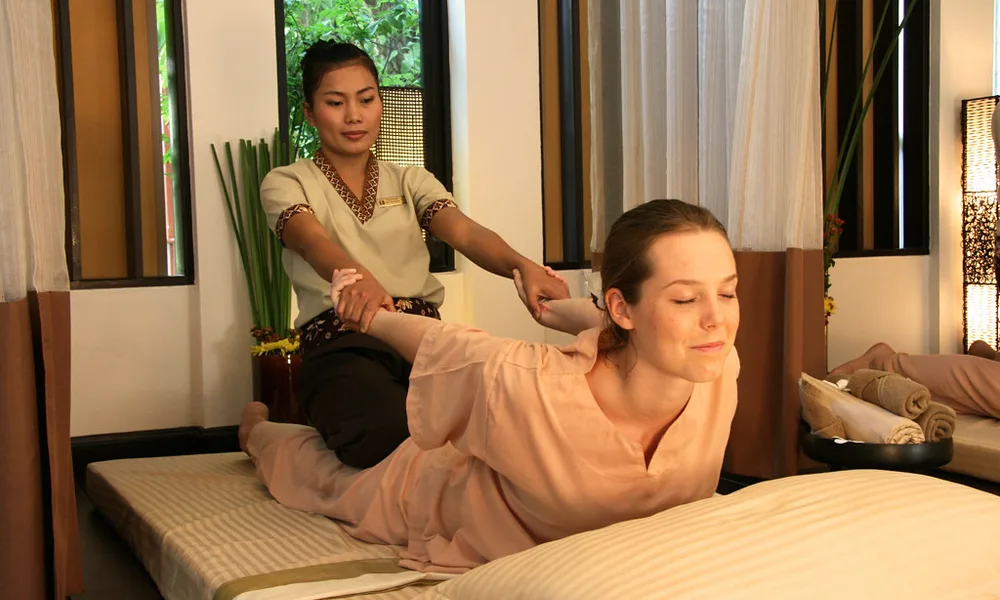
You have just had a massage, you are half asleep, and the therapist is holding a bottle inches from your face. The oil, the cream, the salt scrub, the special serum: each one is essential, each one is discounted today only, and each one costs more than the treatment did. The worst spas train their therapists to sell, pay them commission on products, and measure the day by retail takings rather than by relaxed guests. A good spa mentions a product once, briefly, and takes no for an answer. A hard-sell spa will not: it will follow you to reception, add products to your bill before you have agreed, and make you feel rude for refusing. Decide before you arrive that you will buy nothing on the day, and say so clearly if you are pressed.
6. The Day Package That Ends by Lunch: a full day that runs out
The package promises a full day: two treatments, pool access, lunch, and time to rest. The reality is a morning treatment, a long gap with nothing to do, a lunch that turns out to be extra, and a pool that closes for cleaning in the afternoon. By one o’clock you have done everything the package includes, and the rest of the day is yours to fill by sitting in a robe in a corridor. The spa has sold you eight hours and delivered three. Read the package line by line before you pay. Ask what time each treatment starts, whether lunch is included or extra, which areas close during the day, and what you are meant to do between treatments. A good spa staggers the day so it lasts the day. If the timetable has a three-hour hole in the middle, the package is a morning with a long wait attached.
7. The Phantom Therapist: the person you booked never appears
You booked a specific treatment with a specific kind of therapist, perhaps a senior one, perhaps someone experienced with a bad back. On the day, a different person walks in, or a trainee, or nobody at all for twenty minutes while reception makes calls. The spa apologises, offers a shorter treatment with whoever is free, and expects you to accept it as if a therapist were interchangeable. The warning sign is a booking system that takes your money but confirms nothing in writing: no therapist name, no treatment length, no start time you can hold them to. A well-run spa confirms the details and honours them. If the therapist is swapped without warning, ask for the price difference back, or to be rebooked with the person you booked.
What to avoid when booking a spa day
The most common spa regret is a wrong booking: a package bought on a photograph, a treatment length never confirmed, or a spa chosen because it was cheap. Check four things before you pay: the hands-on minutes in writing, the real total price with lunch, towels, robes and lockers included, recent guest photos, and whether the spa answers questions properly. Be careful with vouchers: half-price packages often mean the worst slots and the shortest treatments. Check the expiry date, the booking window, and whether the voucher covers the whole package.
Checklist: before you book a spa day
- Get the hands-on treatment minutes in writing, not just the headline length of the appointment.
- Add lunch, towels, robes, lockers and parking to the package price and compare totals.
- Read recent guest photos of the pools and the relaxation room, not just the spa’s own gallery.
- Ask whether the pools, the heat rooms and the rest areas are all open on the day you plan to visit.
- Confirm the therapist, the treatment and the start time in writing, and ask what happens if they change.
- Decide before you arrive that you will buy no products on the day, and say so clearly if you are pressed.
Frequently asked questions
How long should a one-hour spa treatment actually last?
About fifty to sixty minutes of hands-on time, plus a few minutes for consultation and changing. Closer to half an hour means the spa is selling time it does not deliver.
What should a spa day package include?
At least two treatments, full use of the pools and heat rooms, a rest area that is actually quiet, and lunch or a statement that lunch is extra. Towels, robes and lockers should be included.
Is it normal for a spa to sell products after a treatment?
A brief mention is normal; a hard sell is not. If the therapist pushes products or adds them to your bill unasked, the spa is measuring retail sales, not relaxation.
How do I know if a spa’s pools are really warm?
Look at recent guest photos and reviews, and ask the spa what temperature the pools are kept at. On the day, test the water first.
Should I book a spa day through a voucher site?
Only after reading the small print: expiry date, weekend rules, whether you can choose a therapist, and whether the voucher covers the whole package.
What should I do if my spa day goes wrong?
Raise it at reception on the day, calmly and specifically, and ask for a partial refund or a rebooked treatment. If that fails, leave a factual review and book elsewhere.
Bottom line
The worst spas of 2026 sell a whole day of calm and deliver a morning of shortcuts: treatments cut short, rest areas that are not restful, cold water, hard selling, and packages that run out by lunch. Check the hands-on minutes, the real total price, and recent guest photos before you pay. A good spa day leaves you rested; a bad one leaves you counting the minutes and the money.