Skip These Worst Opticians of 2026
The worst opticians of 2026 do not fail you in one dramatic moment. They fail you slowly, in small ways that add up to glasses you cannot wear comfortably and an eye test you cannot trust: a rushed examination, a prescription that feels wrong from the first day, frames pushed because they earn the shop the most money, and a fitting so careless that the glasses slide down your nose. This guide ranks the worst types of optician by what goes wrong, so you can spot the warning signs before you pay.
Key takeaways
- A proper eye test takes time: if the examination is over in five minutes, it was not a proper examination.
- A prescription that feels wrong on day one usually is wrong, and a good optician rechecks it free of charge.
- Frames should be chosen for your face, your prescription and your budget, not for the margin they earn the shop.
- A fitting is part of the job, not a favour: glasses that slip, pinch or sit crooked were never fitted properly.
- Aftercare matters as much as the sale: free adjustments, honest repairs and a clear warranty separate good shops from bad ones.
How the worst opticians of 2026 were chosen
Every type below was scored on five measures. Testing quality comes first: how thorough the eye examination is, whether the optician listens, and whether the prescription is checked properly. Honesty is second, judged on pricing and whether extras are explained before you pay. Fitting is third, because even a perfect prescription is useless in frames that do not sit right. Service is fourth: booking, waiting times, and how the shop treats you after the sale. Value is fifth: the real cost of the finished glasses, lenses and coatings included, not the headline price on the window. No optician is named as the worst: the same bad patterns appear in many shops, and what matters is learning to recognise them before you hand over your money. Readers who have been let down by other personal services will find the same logic in our guides to the worst physiotherapists and the worst hair salons, where rushed appointments and hard selling cause the same kind of regret.
Comparison table: the worst opticians of 2026
| Rank | Optician type | Main fault | Warning sign |
|---|---|---|---|
| 1 | The Five-Minute Eye Test | Examination rushed through | Out of the test room in minutes |
| 2 | The Prescription That Keeps Changing | Wrong or unstable prescription | New glasses feel worse than old ones |
| 3 | The Hard-Sell Frame Wall | Frames pushed for profit | Every suggestion costs more |
| 4 | The Glasses That Never Fit | No real fitting or adjustment | Glasses slip, pinch or sit crooked |
| 5 | The Vanishing Aftercare | No help once you have paid | Adjustments charged, repairs refused |
| 6 | The Phantom Appointment | Booking chaos and long waits | Kept waiting, then rushed anyway |
| 7 | The Bargain Bundle Trap | Cheap headline, costly extras | Lenses and coatings double the bill |
The worst opticians of 2026
1. The Five-Minute Eye Test: the examination that never happened
A proper eye test takes time, because a good optician checks more than your prescription. The worst opticians treat the test as a queue to clear: you read a few lines from a chart, answer which lens looks clearer once or twice, and you are back choosing frames before you have sat down. Nothing is checked properly: no questions about headaches, no look at the health of your eyes, no time to explain what has changed.
The warning sign is a test room that feels like a corridor. A good test leaves you knowing what changed, why it changed, and what to watch for next time. If your test felt rushed, ask whether the health checks were actually done. If the shop cannot answer, take the prescription elsewhere.
2. The Prescription That Keeps Changing: wrong lenses, blamed on you
Nothing is more frustrating than new glasses that make your eyesight worse. In the worst shops the response is always the same: you need time to get used to them. A week passes, then two, the headaches continue, and when you go back the shop suggests another test, at your expense, and a new prescription that is different again.
A prescription should be stable: small changes are normal as eyes age, but one that swings wildly between visits, or feels worse than the glasses you walked in wearing, points to a bad test rather than bad eyes. A good optician rechecks a disputed prescription free and remakes lenses made to the wrong numbers. A bad one charges you to fix its own mistake.
3. The Hard-Sell Frame Wall: every frame costs more
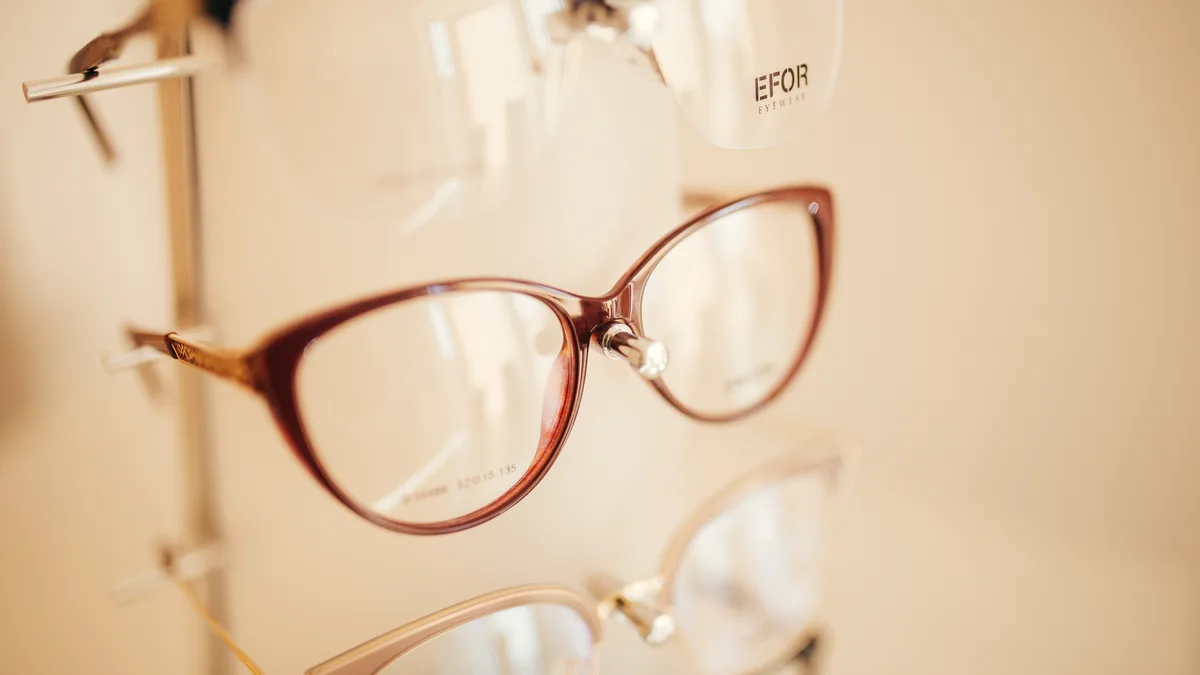
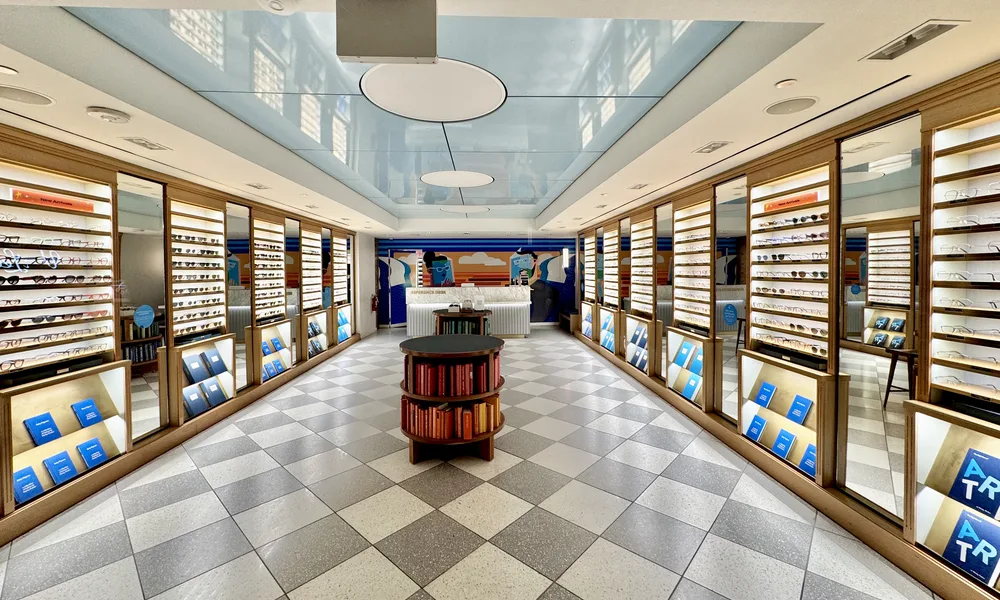
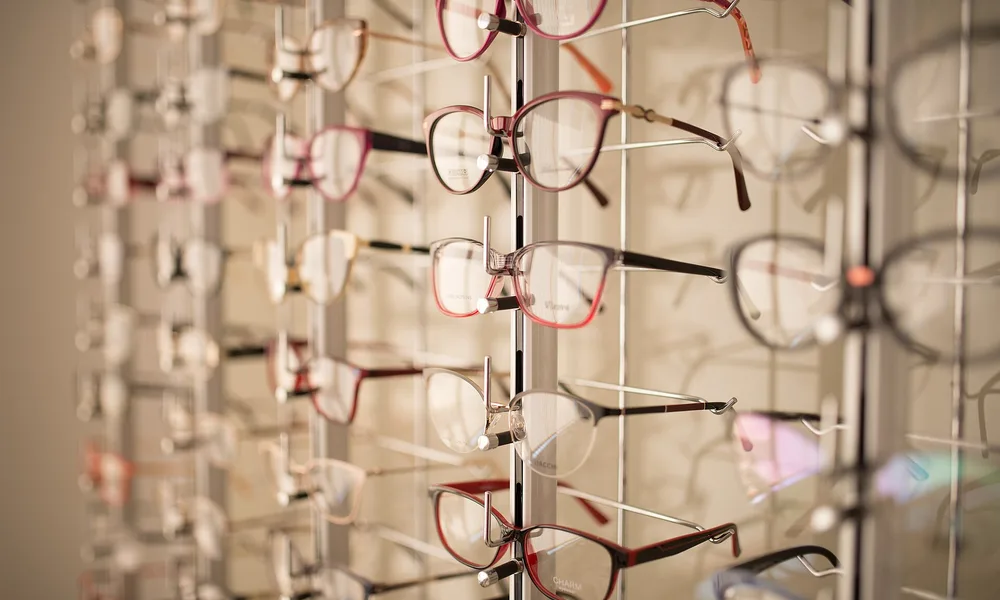
Every optician sells frames, and good shops are honest about the range. The worst shops turn the frame wall into a sales funnel: you name a budget and are shown frames above it, and every suggestion comes with a reason it costs more — thinner lenses, a designer name, a coating you did not ask for, a second pair you do not need.
The test is whether the shop can show you frames inside your budget without sighing. A good assistant asks what you need the glasses for and brings three or four honest options at different prices. A hard-sell shop brings one option at a time, each dearer than the last, until you agree just to end the conversation. Walk out if the price keeps climbing after you have said your budget twice.
4. The Glasses That Never Fit: sold, not fitted
Glasses are not ready when they arrive in the shop; they are ready when they sit correctly on your face. The worst opticians skip this part entirely: the glasses are handed over in a case, the arms never adjusted, the nose pads never checked, and nobody watches you wear them for even a minute. By lunchtime they have slid down your nose, and by evening they hurt behind your ears.
A fitting takes five careful minutes and makes the difference between glasses you forget you are wearing and glasses you resent. The optician should check the height on your face, the pressure behind your ears, and how the frames sit when you turn your head. If the shop charges for an adjustment on glasses it sold you days ago, find one that treats fitting as part of the price.
5. The Vanishing Aftercare: helpful until you pay
The true test of an optician comes after the sale, when a screw loosens or a lens gets scratched. Good shops fix small problems free and fast, because glasses are worn every day. The worst shops change the moment the money is taken: adjustments suddenly cost money, repairs take weeks, and the promised warranty covers almost nothing.
Ask about aftercare before you buy, not after something breaks. A straight answer is free adjustments for the life of the glasses, free screw and nose-pad replacement, and a clear written warranty. A bad answer is a shrug or a promise nobody will put in writing. The same pattern shows up in other health services, and our guide to the worst sports doctors makes the same point about follow-up care disappearing once the bill is paid.
6. The Phantom Appointment: booked, kept waiting, then rushed
Some opticians cannot run a diary. You book a test for Tuesday at ten, arrive on time, and sit waiting for forty minutes while the shop deals with walk-ins. When you are finally called, the test is hurried and the frame consultation cut short because the next patient is waiting. You paid for an appointment and received a queue number.
One late day can happen anywhere, but a shop that is always late is badly run, and badly run shops cut corners everywhere else too. The warning signs are easy to spot: no confirmation message, no apology for the wait, and staff who look surprised to see you. A good shop confirms the booking and gives you the full test even when the day is busy.

7. The Bargain Bundle Trap: two pairs, twice the price
Two pairs for the price of one sounds like a bargain, and in the worst shops it is the most expensive offer on the wall. The headline price covers the cheapest frames and lenses, and everything you actually need is an extra: the lenses for your prescription, the coating that stops glare, the thinner lens that stops the glasses looking like bottle bottoms.
The defence is simple: ask for the finished price before you agree to anything — frames, lenses for your exact prescription, coatings and fitting, written down as one number. If the shop will only quote the headline price and adds the rest later, walk away. A genuine offer survives a straight question about the total.
What to avoid when booking an optician
The most common mistake is choosing an optician on price alone, because the cheapest test usually hides the dearest glasses. Avoid the trap by checking three things before you book: how long the test actually takes, whether a recheck is free if the prescription feels wrong, and what the finished glasses will cost with lenses and coatings included. Read recent reviews for the words rushed, wrong prescription and hard sell: a shop with one bad review had one bad day, and a shop with twenty had a system.
Checklist: before you choose an optician
- Ask how long the eye test takes, and whether eye health checks are included in the price.
- Ask for the finished price in writing: frames, lenses, coatings and fitting as one total.
- Try frames with your prescription in mind, and ask which ones suit strong lenses without extra cost.
- Confirm that prescription rechecks and adjustments are free, and get the warranty in writing.
- Check recent reviews for rushed tests, wrong prescriptions and pressure selling.
- Take your prescription home before you buy, and compare the same lenses at another shop.
Frequently asked questions
How long should a proper eye test take?
Long enough to check your vision, your prescription and the health of your eyes, with time for your questions. In and out in five minutes means the examination was rushed and the prescription is not reliable.
My new glasses give me headaches. What should I do?
Go back within the first two weeks and ask for a free recheck. A day or two of adjustment is normal, but headaches lasting a week or more usually mean the prescription or the fitting is wrong, and the shop should fix it free.
Do I have to buy glasses from the optician who tested my eyes?
No. Your prescription is yours, and you can take it to any shop. Comparing the same lenses elsewhere is the fastest way to find out whether the first shop was overcharging you.
Are expensive frames better than cheap ones?
Not always. A well-made budget frame that fits your face beats a designer frame that slips and pinches. What matters is the fit, the lens quality and the aftercare, not the name on the arm.
Should I pay for lens coatings?
Some coatings are worth it, such as anti-glare for driving at night, but they should be explained and priced before you agree. A coating added to the bill without discussion is a sales tactic, not a recommendation.
What if the optician refuses to recheck my prescription?
That is a clear warning sign. A good optician rechecks free and remakes lenses made to the wrong numbers. If a shop refuses, take the prescription elsewhere.
Bottom line
The worst opticians of 2026 share one habit: they treat your eyesight as a sale, not a service. A rushed test, a prescription nobody will stand behind, frames pushed for profit, glasses that were never fitted, and aftercare that vanishes once you have paid are all signs of the same problem. Choose a shop that takes its time, quotes one honest finished price, fits the glasses properly, and fixes its own mistakes free.