
The Worst Speedboats of 2026: Fast Boats That Pound, Porpoise and Drain Your Wallet
The worst speedboats of 2026 look like pure freedom on the dealer forecourt: a gleaming hull, twin outboards and a price that seems fair for a boat that can cross the bay. Then the hull slams in the first chop, the fuel gauge drops fast, and the marina hands over a repair bill bigger than a summer of boating. This guide names the seven worst speedboats of 2026, ranked by type and pattern rather than by brand, so you can spot the trap before you sign.
Key takeaways
- The thirsty twin-outboard centre console is the one to avoid first: huge fuel bills, a pounding ride and servicing that never stops.
- A speedboat lives or dies on its hull and transom: a hull that pounds in chop or a transom softened by rot costs more to fix than the boat is worth.
- Cheap to buy usually means expensive to own: fuel, berthing, insurance and repairs add up faster than any purchase price.
- Comfort is not a luxury: a cockpit you cannot sit in safely, seats that soak through and a helm you cannot see past ruin every trip.
- Always check the hull, transom, engines and service history on the water, not just on the trailer, and walk away from any boat that hides them.
How the worst speedboats of 2026 were chosen
Every speedboat below was scored on five measures. Hull and ride quality comes first: does the hull cut through chop or slam into it, and does it track straight or porpoise? Engines and reliability are second, judged on age, hours, service history and how often owners report faults. Running costs are third, covering fuel, berthing, insurance and servicing, because a boat you cannot afford to run is a boat you cannot use. Comfort is fourth: seating, shelter, storage and how the boat behaves with a full crew aboard. Resale and support are fifth: whether parts, dealers and buyers still exist, or whether it is an orphan nobody wants.
Two notes before the list. First, no speedboat here is slow on paper: they earn their place because the boat lets its owner down, not because going fast on water is wrong. Second, this guide ranks types and patterns, not named makes or models, drawing on owner reports and surveyor findings. This guide is strictly about speedboats: fast, planing motorboats built for day trips, watersports and coastal runs, not sailboats or larger luxury yachts. Readers weighing a slower life on the water will find the same logic in our guides to the worst sailboats of 2026 and the worst yachts of 2026.
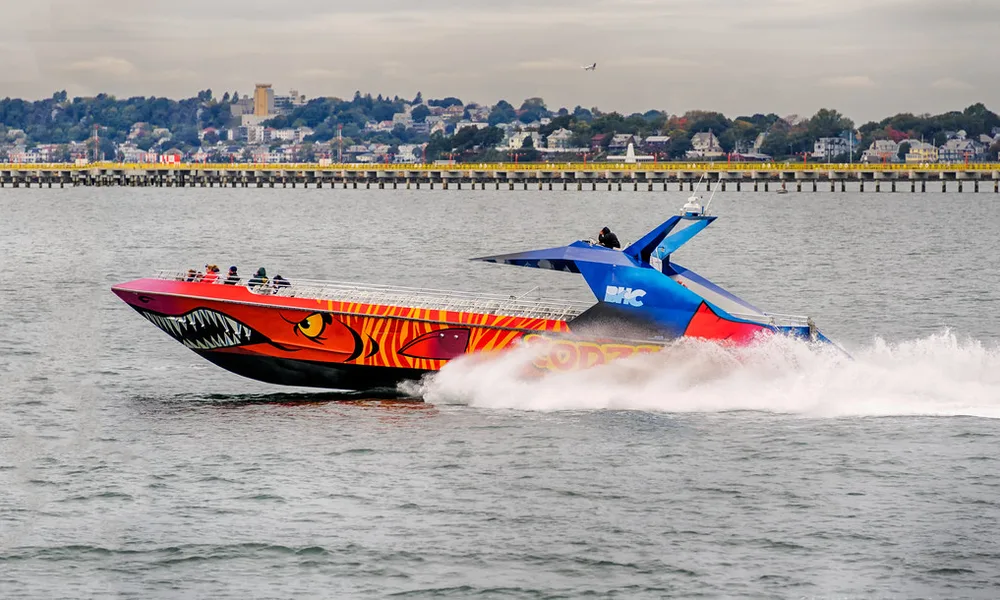
The seven worst speedboats of 2026
1. The thirsty twin-outboard centre console
This is the boat that tops the list, and it is easy to see why buyers fall for it. Two big outboards promise speed, safety and a spare engine, and the open deck looks perfect for long days on the water. Then the fuel bills arrive. Two large four-strokes at cruising speed can empty a tank in one afternoon, and at today’s fuel prices every trip becomes a calculation nobody enjoys. The ride is the second problem. Many of these hulls were drawn for flat water, so in a real chop they slam hard enough to soak everyone aboard. The third problem is servicing: two engines mean two services, two sets of parts, and two chances for a fault to strand you.
2. The bargain bowrider with a rotting transom
The bowrider is the classic family speedboat, and the cheap ones are everywhere: ten years old, freshly valeted, with a price that looks like a mistake in your favour. The danger is hidden in the transom, the flat panel at the stern that carries the engine. On older boats the wood inside the transom soaks up water through bolt holes and unsealed fittings, and it rots quietly for years while the outside still looks smart. Tap it and it sounds dull. Push the engine and it flexes. A surveyor’s moisture meter tells the truth in seconds, but many buyers never hire one. Replacing a transom means cutting the boat apart, and the bill usually exceeds what the boat is worth. The same rot often spreads into the stringers and deck, so a bargain becomes a project nobody wants.
3. The ageing cuddy cabin that leaks from every seam
A cuddy cabin promises speed on the water and shelter when the weather turns. On an ageing boat, the cabin is where the trouble lives. Every hatch, window and deck fitting is a place where water gets in, and after a decade of sun and vibration the seals give up one by one. The cabin smells damp, the cushions are stained, and the wood under the berths is soft to the touch. Worse, a waterlogged cabin changes how the boat handles: it sits lower, rides bow-heavy and takes longer to plane. Owners pay for a cabin they cannot sleep in, on a boat that performs worse because of it. For most day boaters, an open boat with a good canopy is cheaper, drier and faster.
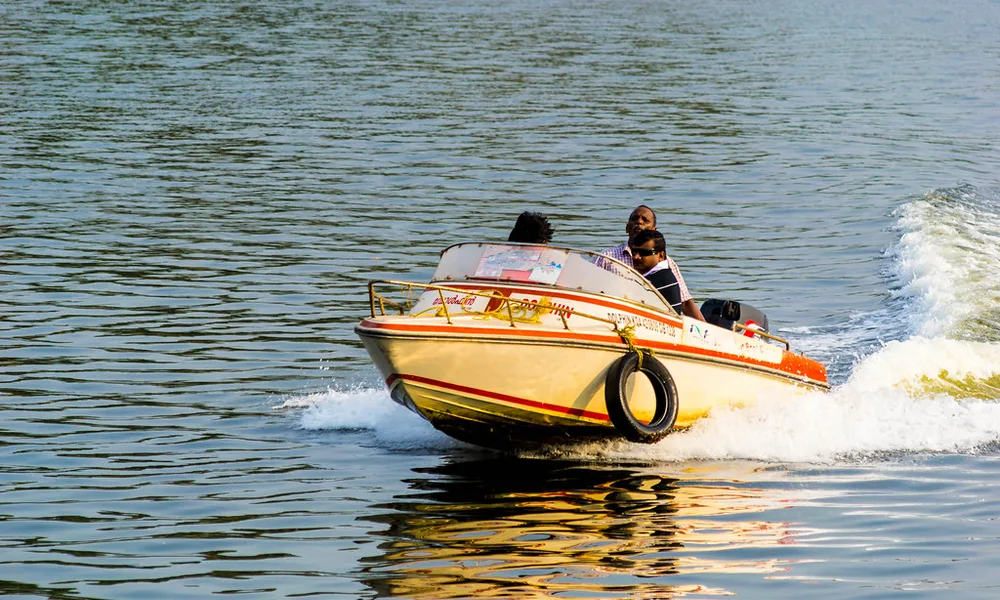
4. The flat-bottomed runabout that porpoises at any speed
Porpoising is the bouncing rhythm a boat falls into when the hull cannot decide whether to plane or settle. The bow rises and falls, the propeller ventilates, and the only cure is to slow to displacement speed, which defeats the point of owning a speedboat. Flat-bottomed runabouts are the worst offenders: a flat hull has no V to cut the water and no grip to hold a steady trim. Trim tabs can mask it on a calm day, but the first real chop brings it back. The test is simple: take the boat to cruising speed on water with some chop, set the trim once, and watch the bow. If it starts its nodding dance, walk away.
5. The heavy wake boat that needs a lorry to tow it
Wake boats are built for one job: making a big, clean wave for wakeboarding and wakesurfing. To do it they carry ballast tanks, huge engines and deep hulls, and that weight follows the owner everywhere. First the tow vehicle: many wake boats need a large four-wheel-drive and a braked trailer, which means buying a bigger car as well as a boat. On the water, the ballast that makes the wave also makes the boat thirsty, slow to plane and expensive to run, and the wave is only useful if someone aboard actually wakeboards. For families who mostly cruise, swim and tow an inflatable, a wake boat is the wrong tool: heavier, thirstier and harder to handle, with a price premium for a feature they will rarely use.
6. The high-horsepower offshore hull with tired engines
Nothing tempts a buyer like a big offshore hull with twin high-horsepower engines at a price that looks too low to be real. High-performance engines live hard lives: high revs, salt water, long spells at full throttle, and owners who service them when something breaks rather than when the manual says to. By the second or third owner, the engines are tired, the forced induction is worn, and the fuel system is full of varnish from seasons of sitting. A compression test and diagnostic will show the truth, but many buyers skip them, dazzled by the top speed on the test run.
7. The cheap imported speedboat with no dealer and no parts
The last entry looks like the smartest buy of all: a brand-new speedboat, imported direct, at half the price of the established names. The hull might be fine and the engine might run well for a season. Then something small breaks: a throttle cable, a fuel pump, a steering part. There is no dealer, no parts catalogue and no one who answers the phone. Owners end up measuring the broken part and paying a marine engineer to adapt something close. The warranty, if one exists on paper, requires shipping the boat back to a factory overseas, while the boat sits on its trailer and the summer passes.

Comparison table: the worst speedboats of 2026
| Rank | Speedboat type | Main fault | Worst cost |
|---|---|---|---|
| 1 | Twin-outboard centre console | Huge fuel use, pounding ride | Fuel and twin servicing |
| 2 | Bargain bowrider | Rotting transom | Transom rebuild |
| 3 | Ageing cuddy cabin | Leaks, damp, soft wood | Reseal and cabin rebuild |
| 4 | Flat-bottomed runabout | Porpoising in any chop | A boat you cannot use at speed |
| 5 | Heavy wake boat | Weight, towing, thirst | Tow vehicle and fuel |
| 6 | Offshore hull, tired engines | Worn high-output engines | Engine rebuilds |
| 7 | Cheap imported speedboat | No dealer, no parts | Months off the water |
Checklist: six checks before you buy a speedboat
- Tap the transom and deck and listen for a dull, soft sound.
- Take the boat out on water with real chop, not a flat calm, and run it at cruising speed.
- Ask for the full engine service history with receipts, and pay for a compression test on any high-horsepower engine.
- Work out the real yearly cost first: fuel, berthing or storage, insurance and a full service.
- Check that a dealer near you can get parts for that hull and engine within a week.
- Look in the bilge, under the berths and inside every locker for damp, stains and soft wood, and walk away from any boat the seller will not let you inspect properly.
Frequently asked questions
What is the worst speedboat mistake a first-time buyer can make?
Buying on price alone without a survey: a cheap boat with a rotten transom or tired engines costs more to fix than a dearer boat that has been looked after.
Are twin outboards better than a single outboard?
Not always. Twins give redundancy and docking control, but they double fuel and servicing costs, and a single modern outboard is often faster, cheaper and simpler for day boating.
How much does it really cost to run a speedboat for a year?
More than most buyers budget for. Fuel is the biggest variable, followed by berthing, insurance and servicing, and a single engine fault can add thousands in one visit. Budget for the worst year, not the best.
Should I buy a speedboat with a cuddy cabin?
Only if you will genuinely sleep aboard and the cabin is dry. For day trips, an open boat with a canopy is lighter, faster and cheaper to run.
How do I spot a rotting transom?
Tap it and listen for a dull thud instead of a sharp knock, push the engine and watch for flex, and check the bilge and bolt holes for damp and staining. A surveyor’s moisture meter gives a clear answer in minutes.
Is a cheap imported speedboat ever worth it?
Only if you can fix it yourself and source generic parts. For most buyers, the lack of dealer and parts support turns a small fault into a lost summer.
Bottom line
The worst speedboats of 2026 are not the slowest boats on the water. They are the boats that look like a bargain and then charge you for it every trip: in fuel, in repairs, in damp cabins and in weekends lost to faults. The pattern is the same in every type on this list, as our guide to the worst jet skis of 2026 shows on a smaller scale. Buy the hull that rides well in chop, engines with a real service history, and a boat a local dealer can fix. Everything else is just a fast way to spend money.


