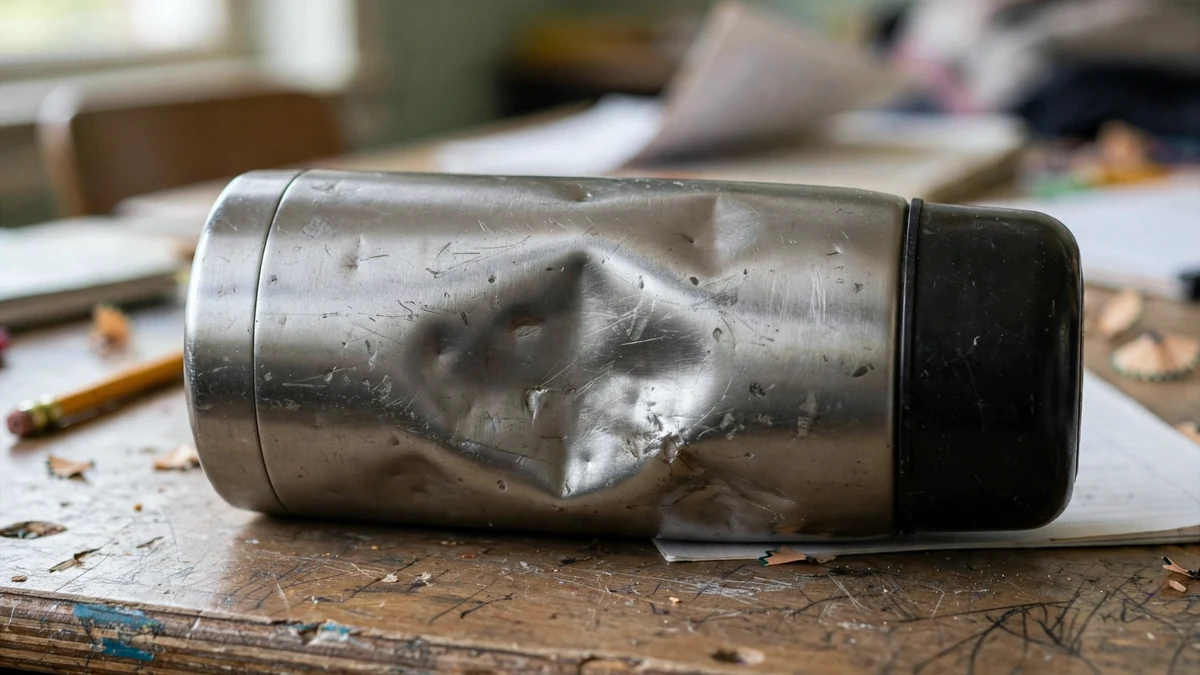
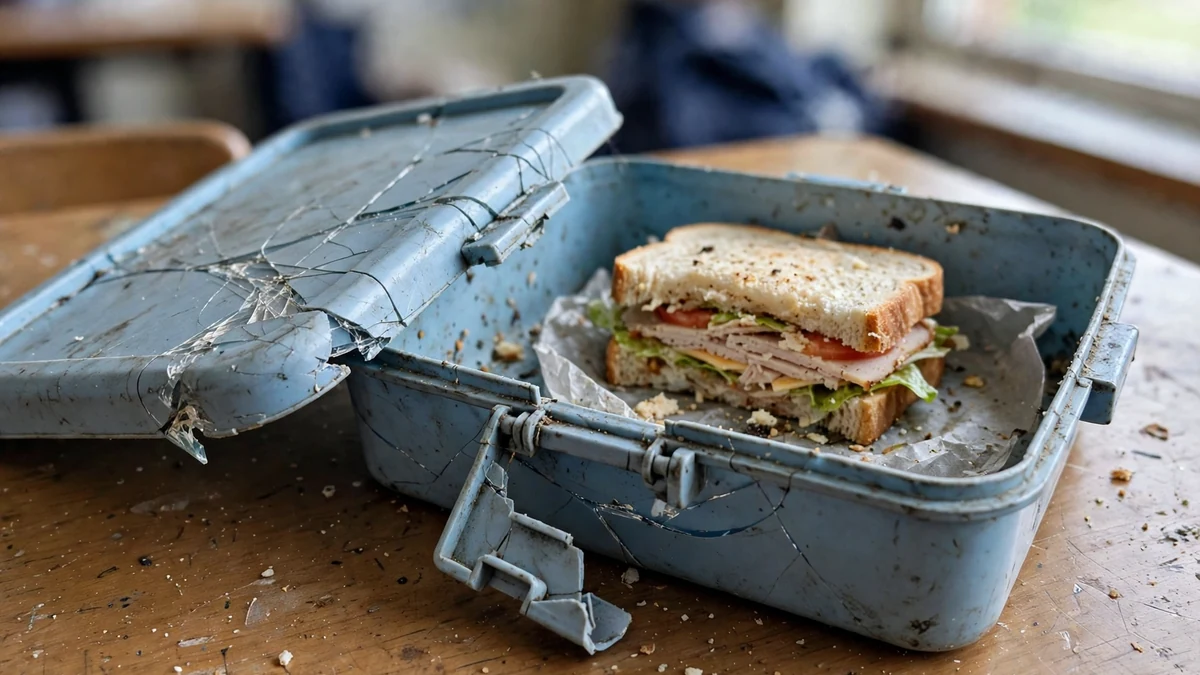
A trumpet case looks like a simple box: put the trumpet in, close the lid, and carry it to band practice. What nobody tells a first-time player is that the case decides how much of the trumpet actually survives the journey. A good case holds the instrument still, cushions every bump, and keeps the rain out, with valves protected, slides held firm, and a handle that stays attached. A bad one lets the trumpet rattle around inside, dents at the corners, and soaks through in the first shower, so every trip feels like a gamble. The worst trumpet cases of 2026 make owning a trumpet stressful, damage instruments that cost far more than the case, and fall apart before the first year of band ends. A player deserves a case that protects the instrument, not one that puts it at risk every time it leaves the house.
What Makes a Trumpet Case Bad
A trumpet case has one job above all others: it must keep the instrument safe and still. A player closes the lid and expects the trumpet to stay exactly where it was put, held by padding that fits the bell, valves, and slides, and the case should answer the same way every time. Bad cases fail this test on the first day. Their padding is either thin as paper or so lumpy that the trumpet sits at an angle, and neither one protects the instrument from a bump. The valve guard is often missing altogether, so the valves knock against the inside of the lid, and the slides press against the lining until they stick. The case often fits badly from the start, too big for a student trumpet or too tight for a full-size one, so the instrument moves every time the case is carried.
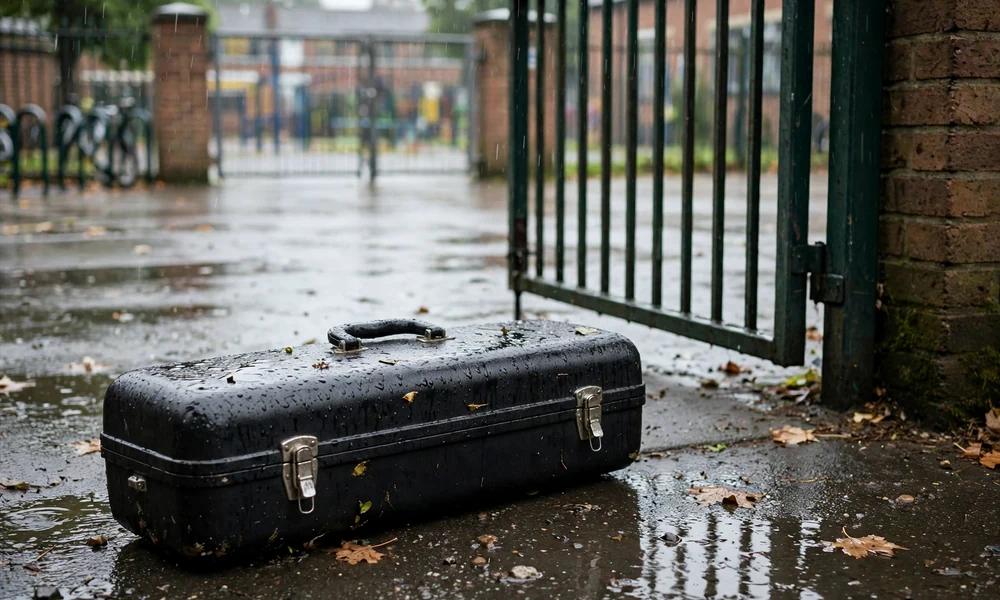
The second problem is weather, which is where cheap cases cut the deepest corners. A good case has a water-resistant shell, a lid that seals all the way round, and zips or latches that keep the rain out. A bad one has a fabric cover that soaks through in minutes, a lid that gaps at the corners, and seams that split the first time the case is caught in a shower. The inside is just as bad, with a lining that holds dampness against the lacquer and a mouthpiece pocket that lets the mouthpiece roll free. Cheap cases also skimp on the pockets, so the valve oil, cleaning cloth, and spare mouthpiece end up loose inside the case, rattling against the trumpet with every step. A player who cannot trust their case cannot relax, and a case that damages the trumpet will not be used for long.
The Main Types of Trumpet Case, and Where They Go Wrong
Hard shell cases are the usual first recommendation, and they are the hardest to get badly wrong, which is exactly why the bad ones stand out. A good hard case is light, strong, and snug, with a shell that resists a knock and padding that holds the trumpet away from the walls. A bad one has a shell so thin it flexes when it is picked up, padding that compresses flat within weeks, and a shape that looks right but fits nothing properly. The latches are often the giveaway: a good one has metal catches that click shut firmly, while a bad one has plastic clasps that pop open when the case is lifted by the handle. The shoulder strap is another weak point, thin and slippery on the cheapest models, so the case slides off the shoulder at the worst moment.
Soft gig bags promise lighter carrying and more pockets, and the bad ones fail in a different way. They add compartments, backpack straps, and rain covers, but the protection stays at hard-case level or worse, so everything feels flimsy at twice the price. The extra space is often a trick: the bag is bigger and heavier, but the trumpet compartment is the same size, and the pockets are too shallow to hold anything useful. Double cases for two trumpets look impressive, yet the cheap ones have a divider that collapses, so the two instruments knock together with every step. A case that cannot survive a normal school run is not a professional tool, no matter how light the bag claims to be.
The Faults That Matter Most
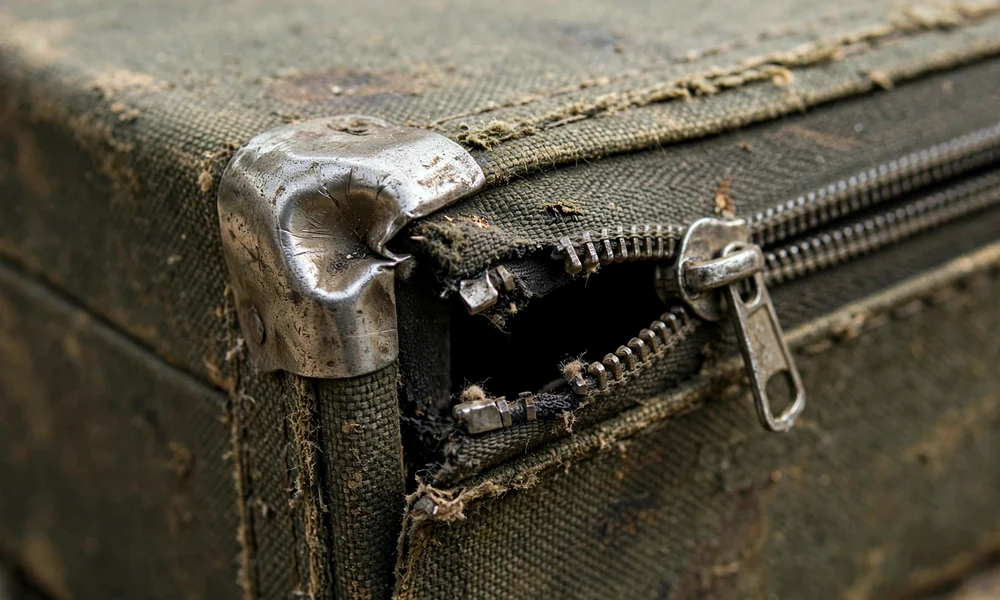
Zip and latch failure is the fault that ends most cheap cases. The closure is the part that keeps the lid shut, and on a bad case it wears out first. The latch goes loose and rattly, the zip sticks halfway round, and then the case starts opening on its own, dropping the trumpet onto the pavement. Once the closure goes, the case is dangerous to carry, and no amount of careful handling can fix a lid that will not stay shut. The handle fails next: the stitching pulls out, the plastic cracks, and the handle that once carried the case now dangles by a single screw. A player who cannot trust the handle stops carrying the case by it, and the whole point of a portable case is lost.
Padding failure is the other fault that matters, because the padding is what actually protects the trumpet. A bad case has foam that goes flat within months, leaving the trumpet resting on the hard shell, and a bell support that collapses so the bell knocks against the lid. The lining is often the weakest link of all, thin fabric that wears through to the glue underneath, sticking to the lacquer on a warm day. Damp is another trap: cheap cases have no ventilation, so moisture builds up inside during a rainy week and the lacquer clouds over. The right guide helps here too, and our look at the best trumpets of 2026 covers the instruments that get the basics right, from smooth valves to honest build, so the first rehearsal feels like the start of a skill rather than a test of patience.

How to Spot a Bad One Before You Pay
Start with the fit, because it tells the truth faster than any review. Put the trumpet in the case, close the lid, and shake the case gently from side to side. A good case holds the instrument still, with no rattle and no movement at all. A bad case lets the trumpet shift, and the sound of the bell tapping the lid is a fail on its own. Try the valve guard too: press the valves down lightly and see if the guard holds them, or if the whole trumpet rocks. Then test every latch and zip the same way, opening and closing them ten times, and listen for a firm click every time. If a latch misses even once, it will open on the street.
Next, test the case at real weight, not just empty. Put the trumpet, mouthpiece, and music inside, close it, and carry it by the handle for a minute, then by the shoulder strap. Any flex in the shell, any creak from the handle, or any slip from the strap is a fail, and it will only get worse with a school bag on the other shoulder. Check the rain test as well, because a case that soaks through in a shower is a case that cannot be trusted in winter. Look at the seams while you carry it: if the fabric pulls away from the shell or the stitching gaps, the build is too thin. A case that cannot survive its own handle is not a bargain at any price.
The Hidden Costs of a Bad Case
The price on the box is never the real price of a bad trumpet case. A player who buys the cheapest case usually pays again within a year, first for a replacement, then for a repair when the trumpet is damaged, then for new valves when the old ones stick. The cheap case also costs peace of mind, because every journey starts with worry: a zip that might split, a handle that might give, a shell that might crack. That worry adds up, and a parent who spends every school run watching the case will stop letting the child carry the trumpet alone. The frustration is worse than the money, because it arrives exactly when the player is most enthusiastic, in the first weeks of band, and it teaches the wrong lesson: that owning a trumpet is stressful, when the truth is that the case is bad.
There is a musical cost too, because a case that damages the trumpet teaches the player nothing except fear. A trumpet with bent valves, a dented bell, or stuck slides never sounds right, and a player who cannot hear their instrument properly never learns to listen. A bad case also limits what the player can do: without a reliable case there are no trips to rehearsals, no holidays with the trumpet, and no confidence to take the instrument anywhere. The player ends up leaving the trumpet at home instead of playing it, and those missed hours have to be made up later. Buying right the first time is cheaper, safer, and far better for the music than buying twice.
What to Buy Instead
The safest buy is a case from a maker with a long record in brass instruments, even if it means a simpler model or a used one. A well-made hard case holds its padding for years, while a cheap gig bag is tired after one season. Check a used case the same way you would check a new one: test every latch and zip, shake it with the trumpet inside, and look for worn lining or flat foam. The same thinking applies to the rest of the setup: the right stand matters as much as the case, which is why our guide to the best trumpet stands of 2026 starts from the same advice, check the build, check the fit, and never trust a case you have not tested with your own instrument inside.
One last check before paying: ask to try the case with your own trumpet inside, not an empty shell on the shelf. A case that fits the shop’s demo trumpet and not yours is no good to you, and a case that holds your own instrument snugly in the shop will hold it snugly on the street too. The best test is always your own trumpet, your own mouthpiece, and your own hands.
The Bottom Line
The worst trumpet cases of 2026 share the same faults: zips that stick and split, handles that pull loose, padding that goes flat, and shells that soak through in the rain. They are easy to spot once you know what to look for, and they are easy to avoid. Shake the case with the trumpet inside, test every zip ten times, and carry it loaded before you pay. The same thinking applies to the rest of the setup: the other gear matters just as much, which is why our guide to the best clarinet cases of 2026 starts from the same advice, check the closure, check the padding, and never trust a case you have not tested.