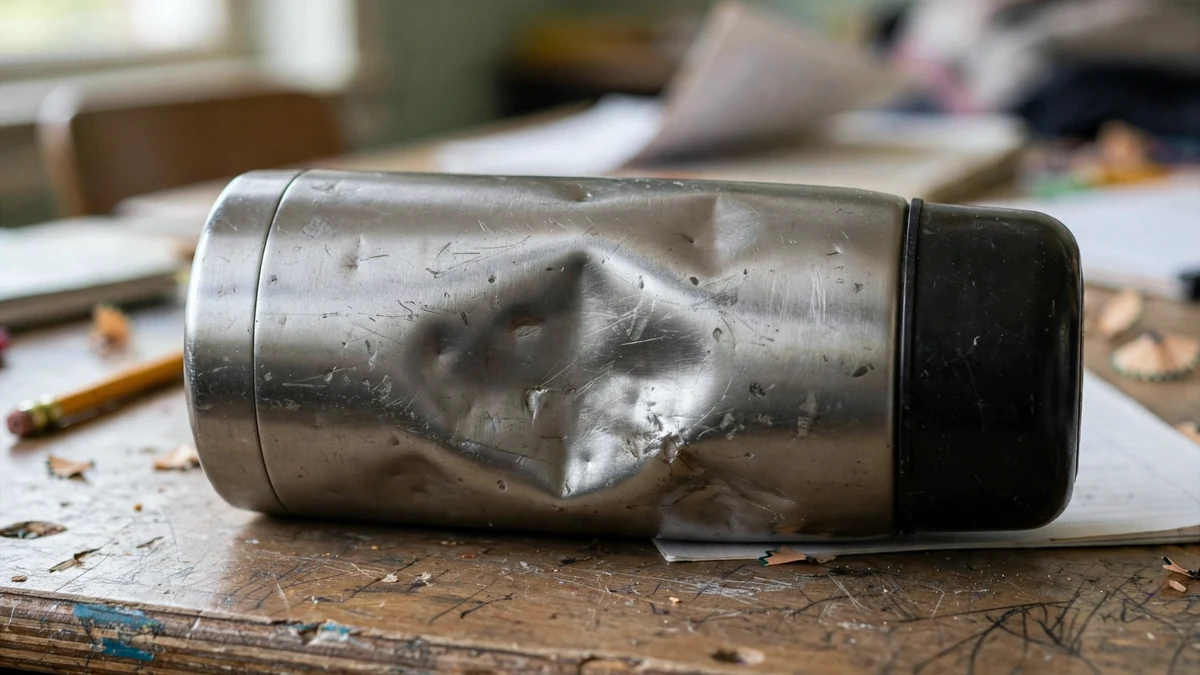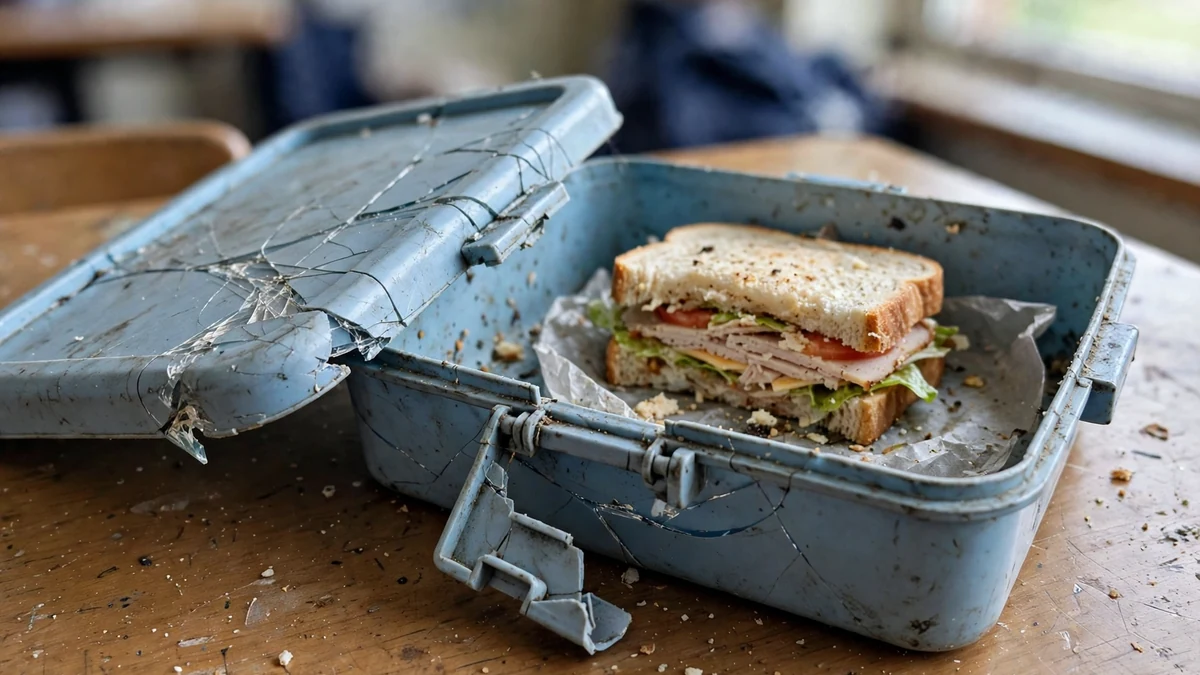
A kids lunch box looks like the simplest thing in the school bag: a box with a lid, food inside, eaten at lunch. What nobody tells a first-time parent is that the lunch box decides how much of the lunch actually arrives edible. A good lunch box seals properly, keeps food fresh, and opens easily, with compartments that keep wet and dry apart and a lid a child can manage alone. A bad one leaks, cracks, and will not close properly, so every school day ends with a soggy sandwich and a bag that smells of spilled yoghurt. The worst lunch boxes for kids of 2026 make school lunches harder, waste food and money, and fall apart before the first school term ends. A child deserves a lunch box that keeps lunch safe, not one that ruins it before noon.
What Makes a Kids Lunch Box Bad
A kids lunch box has one job above all others: it must keep the food inside safe, fresh, and separate until lunchtime. A child packs a sandwich, fruit, and a snack, and the box should keep each one in its place, dry on the outside and fresh on the inside, and the box should answer the same way every time. Bad lunch boxes fail this test on the first day. Their lids are either too loose, letting air and leaks in, or so tight that a small child cannot open them without help, and neither one works at a school table. The compartments are often wrong too, too shallow to hold a sandwich or too small for fruit, so the food gets squashed and mixed together. The seal is just as bad, a thin rim that gaps at the corners, so soup and yoghurt escape into the bag.
The second problem is the material, which is where cheap lunch boxes cut the deepest corners. A good lunch box is made from sturdy food-safe plastic or steel, with smooth edges, no smell, and a lid that survives being dropped. A bad one is made from thin brittle plastic that cracks on the first drop, smells of chemicals when it is opened, and stains permanently after one serving of tomato pasta. The hinges are often the cheapest part of the whole box, and they show the moment the lid is opened a few dozen times. Cheap lunch boxes also skimp on the size, so the box is either too big for the bag or too small for a real lunch, and every school day ends with food left behind or squashed flat. A parent who cannot trust the lunch box stops packing fresh food, and a child who finds a ruined lunch stops eating it.
The Main Types of Kids Lunch Box, and Where They Go Wrong
Single-compartment boxes are the usual first recommendation, and they are the hardest to get badly wrong, which is exactly why the bad ones stand out. A good single box is deep enough for a sandwich, wide enough for fruit, and sealed well enough for yoghurt. A bad one has a lid that warps in the dishwasher, a base that bows outwards, and a latch that pops open in the bag. The plastic is often the giveaway: a good one is thick and flexible, while a bad one is thin and brittle, with sharp edges where the moulding was never finished. The latch is another weak point, stiff and fiddly on the cheapest models, so a child needs a teacher to open lunch.
Compartment boxes with dividers promise better separation, and the bad ones fail in a different way. They add sections, lids, and inserts, but the seals stay at single-box level, so everything feels flimsy at twice the price. The extra space is often a trick: the box is bigger and heavier, but the compartments are too small for real food, and the dividers are fixed in the wrong places. Insulated boxes with ice packs look practical, yet the cheap ones have insulation that does nothing and an ice pack that leaks after a week. A lunch box that cannot keep food fresh until noon is not a practical tool, no matter how many compartments the box claims to have.
The Faults That Matter Most
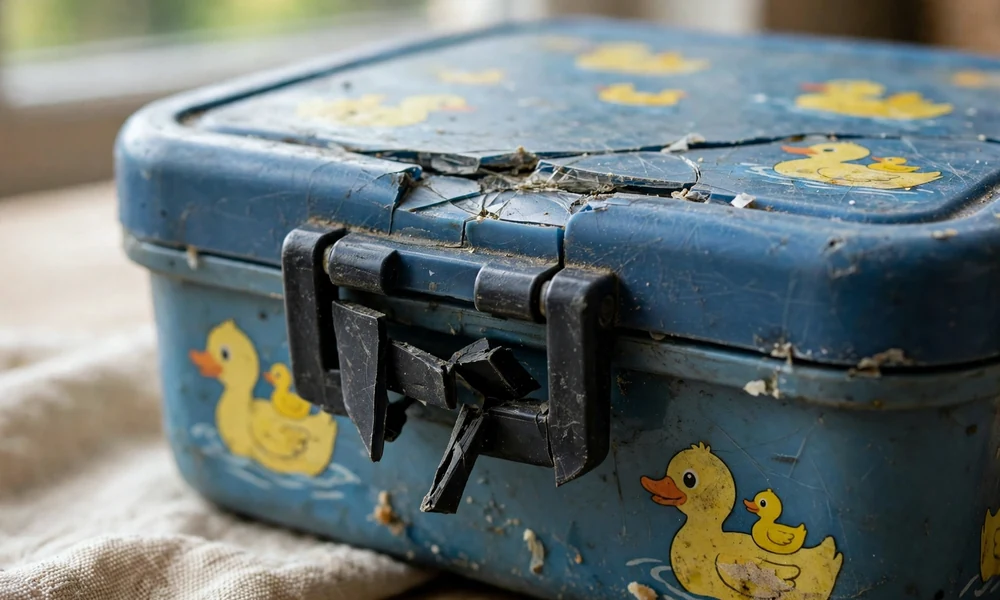
Latch and hinge failure is the fault that ends most cheap lunch boxes. The latch is the part that keeps the lid shut, and on a bad box it wears out first. The clip goes loose and rattly, the hinge cracks at the fold, and then the lid starts opening on its own, spilling lunch across the bag. Once the latch goes, the box is useless for school, and no amount of careful packing can fix a lid that will not stay shut. The seal fails next: the rim warps, the gasket falls out, and the box that once held soup now leaks it into the books. A child who cannot trust their lunch box stops opening it at the table, and the whole point of a packed lunch is lost.
Material failure is the other fault that matters, because the material is what actually holds the food. A bad lunch box has plastic that cracks on the first drop, leaving sharp edges that cut small fingers, and a lid that stains permanently after one serving of curry. The smell is often the weakest link of all, a chemical tang that never washes out, so the food tastes of plastic by lunchtime. Heat is another trap: cheap boxes warp in the dishwasher and go soft in a warm bag, so the lid never seals properly again. The right guide helps here too, and our look at the best bento boxes of 2026 covers the compartment boxes that get the basics right, from seals that hold to dividers that fit real food, so the first school lunch feels easy rather than a test of patience.

How to Spot a Bad One Before You Pay
Start with the seal, because it tells the truth faster than any review. Fill the box with water, close the lid, and turn it upside down over the sink. A good box holds the water in, with no drips at the corners and no seepage around the rim. A bad box leaks within seconds, and that leak is soup on the school books. Try the latch too: open and close it twenty times, and listen for a firm click every time, with the lid sitting flat and even. Then test the size the same way, packing a real sandwich and a piece of fruit, and check whether the lid closes without squashing the food. If the sandwich has to be folded to fit, the box is too small.
Next, test the box at real school weight, not just empty. Pack a full lunch, put the box in the school bag, and carry it around the house for an hour, then open the bag and check for leaks. Any dampness, any smell, or any food that has moved compartments is a fail, and it will only get worse on a bumpy bus ride. Check the opening test as well, because a box a child cannot open alone is a box that stays shut until a teacher helps. Look at the dishwasher label while you are there: if the box warps in the dishwasher or cannot go in at all, it will not survive real family life. A lunch box that cannot survive its own washing label is not a bargain at any price.
The Hidden Costs of a Bad Lunch Box
The price on the tag is never the real price of a bad kids lunch box. A parent who buys the cheapest box usually pays again within a term, first for a replacement, then for a new school bag when the old one is stained, then for extra food when lunch keeps getting ruined. The cheap lunch box also costs appetite, because every school day starts with a gamble: a lid that might pop, a seal that might leak, a sandwich that might arrive soggy. That gamble adds up, and a child who finds a ruined lunch three days in a row will stop eating at school altogether. The frustration is worse than the money, because it arrives exactly when the child is hungriest, at midday, and it teaches the wrong lesson: that packed lunches are disappointing, when the truth is that the box is bad.
There is a practical cost too, because a lunch box that leaks teaches the family nothing except to pack dry food. A parent who cannot trust the box stops packing yoghurt, fruit, and anything with sauce, and the child eats the same dry sandwich every day. A bad lunch box also limits what the family can do: without a reliable box there are no picnics, no school trips with a proper lunch, and no confidence to pack anything fresh. The child ends up buying lunch instead of eating the packed one, and those missed meals have to be paid for twice. Buying right the first time is cheaper, fresher, and far better for the school day than buying twice.
What to Buy Instead
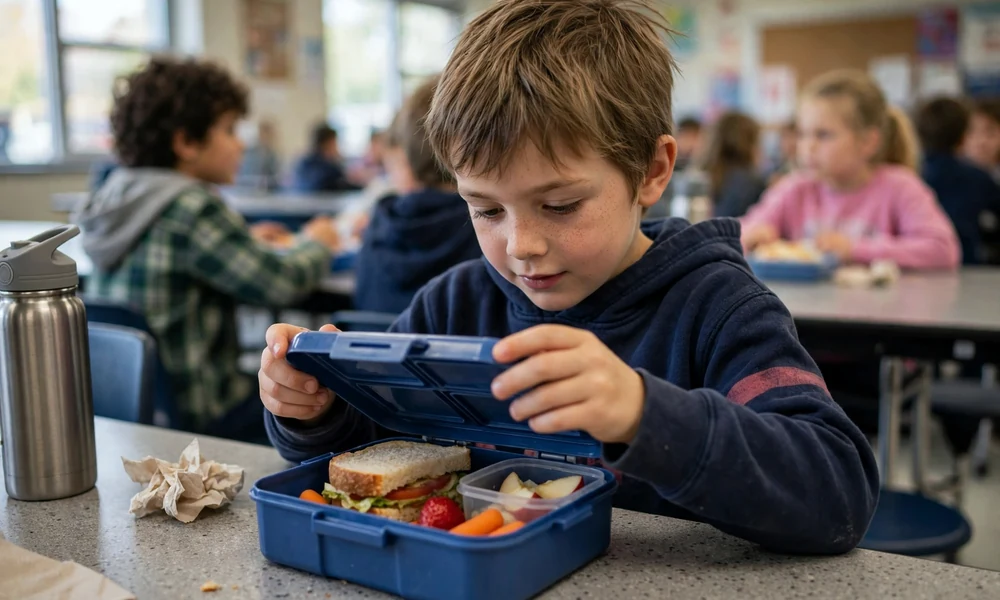
The safest buy is a lunch box from a maker with a long record in food storage, even if it means a plainer design or a used one. A well-made steel or sturdy plastic box holds its seal for years, while a cheap thin one is tired after one term. Check a used box the same way you would check a new one: fill it with water, test the latch twenty times, and smell the inside for chemical tang. The same thinking applies to the rest of the lunch kit: good snack storage matters as much as the box, which is why our guide to the best snack containers of 2026 starts from the same advice, check the seal, check the size, and never trust a box you have not tested with real food inside.
One last check before paying: pack a real lunch in the box in the shop, close it, and let the child carry it around for five minutes. A box that holds food on the shelf and leaks in a bag is no good to you, and a box that survives a walk round the shop will survive the school run too. The best test is always your own food, your own bag, and your own child.
The Bottom Line
The worst lunch boxes for kids of 2026 share the same faults: latches that pop open, seals that leak, plastic that cracks, and sizes that fit nothing properly. They are easy to spot once you know what to look for, and they are easy to avoid. Fill the box with water, test the latch twenty times, and pack a real lunch before you pay. The same thinking applies to the rest of the lunch kit: the other gear matters just as much, which is why our guide to the best food containers of 2026 starts from the same advice, check the seal, check the material, and never trust a lunch box you have not tested.