Top Snack Containers for School and Work Lunches in 2026
A snack container has a harder job than it looks: it must keep crackers crisp and fruit fresh in the same bag, survive being dropped and shaken on a commute, open easily for small hands, and wash clean without holding yesterday’s smell. The top snack containers for school and work lunches in 2026 do all of that — the good ones still seal and still come home in one piece by Friday, while the bad ones leak, stain orange, and end up at the back of the cupboard. This guide explains what to look for and how to pick the right size.
Key Takeaways
- Buy for the snack, not the lunch: small 150–350ml containers with one or two compartments suit fruit, nuts, crackers and dips far better than a full-size lunch box.
- A silicone seal and a latch you can hear click are the two features that stop leaks; a friction-fit lid alone will fail in a busy bag.
- Steel never stains or smells, glass shows what is inside and microwaves well, and BPA-free plastic is the lightest option for children.
- Choose containers that stack or share a footprint, because a set that does not fit together will not fit in the bag either.
- Wash with the lids off, air-dry upside down, and retire any container whose seal is cracked, warped or no longer clicks shut.
Why Snack Containers Are Not Just Small Lunch Boxes
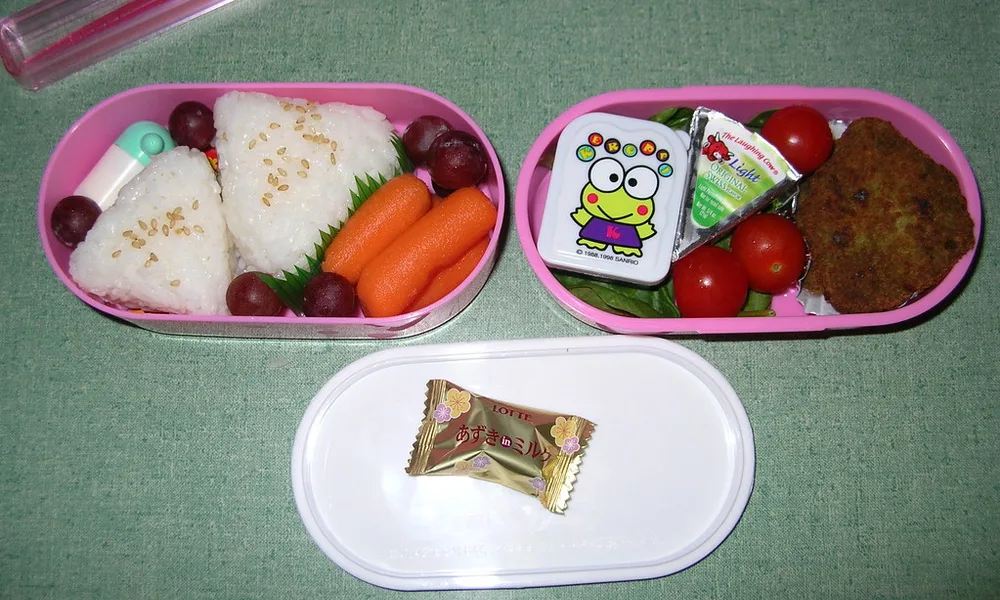
Snacks are awkward cargo: grapes roll, crackers crumble, hummus spreads. A container built for a whole lunch has one big space, so everything inside meets everything else — crackers go soft against the fruit, dip finds its way under the lid. A snack container is built the other way round: small spaces, kept apart, each sealed on its own.
For a child’s school snack, 150–250ml is usually right: enough for berries, crackers or cheese cubes without taking half the bag. For an adult at work, 250–350ml suits a mid-morning snack or a yoghurt pot. Anything bigger comes home half-full and rattling. Two or three small containers beat one large one, letting you pack a crunchy thing, a soft thing and a dip without any meeting.
A snack container also opens far more often than a lunch box — at break time, at the desk, in the car and on the way home. So the lid matters more than the box: a lid that needs two hands and a fingernail will be left half-open by a child and will leak by a tired adult. The best lids open with one thumb and close with a click you can feel, a hundred times without loosening.
What Makes a Good Snack Container
Start with the seal: a silicone gasket in the lid keeps yoghurt in and bag lint out. Press the lid on and try to pull it off by the edge — a good seal resists, a bad one pops off. Look for latches on at least two sides, or a screw lid that turns smoothly. A lid that simply presses on will leak the first time the bag is tipped sideways, which happens every day.
Steel is the toughest and cleanest — no stains, no smells, survives concrete — but heavier, and you cannot see inside without opening it. Glass shows the contents, microwaves safely and never stains, but it is heavy and breakable, so it suits a desk drawer better than a school bag. Good BPA-free plastic is light and cheap, but stains with tomato and turmeric; choose thick, rigid plastic rather than thin tubs, which warp in the dishwasher and never seal again.
Shape matters too: square containers pack neatly and waste no bag space, round ones are easier to clean and suit dips and yoghurt. A small inner pot for dip is worth its weight — hummus in the middle, carrot sticks around the edge, nothing soggy by break time. Whatever the shape, check the footprint against the bag before buying: a container a centimetre too wide will be left at home.
Compartments, Dividers and Dip Pots
A single-compartment container is fine for one food, but two foods need to be apart. Removable dividers are the most flexible; fixed compartments seal better between sections, but commit you to the maker’s portion sizes. For children, two compartments plus a dip pot covers almost every school snack; for adults, a three-section bento box handles a snack, a dip and a sweet without a second container.
Comparison: Snack Containers for School and Work in 2026
| Container type | Best for | Size | Watch out for |
|---|---|---|---|
| Stainless steel, latch lid | School bags and rough handling | 200–350ml | Heavier; cannot microwave |
| Glass with locking lid | Work desk and fridge storage | 250–400ml | Heavy and breakable |
| BPA-free plastic, 2 compartments | Everyday school snacks | 150–300ml | Stains and smells over time |
| Silicone collapsible pot | Small bags and travel | 200–350ml | Can tip if not packed flat |
| Bento-style, 3 sections | Mixed snacks with a dip | 300–500ml | Bigger footprint in the bag |
| Small dip pots, screw lid | Hummus, yoghurt and sauces | 60–120ml | Easy to lose; buy spares |
The rule is simple: stainless steel for the school bag, glass for the desk, and BPA-free plastic for the everyday set you will replace every year or two. A bento-style box is the best single purchase if you only want one container — and if you already pack full lunches, our guide to the best bento boxes of 2026 shows how snack-sized sections fit into a whole lunch.
Packing Snacks That Survive the Bag
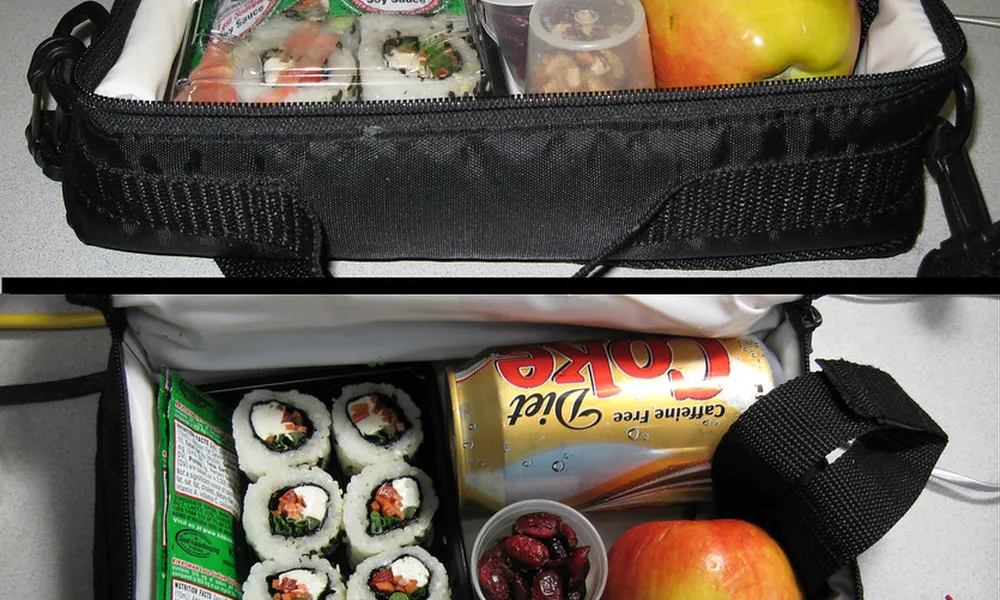
Even the best container fails if it is packed badly: wet in its own pot, dry on top, nothing loose. Put dips, yoghurt and cut fruit in sealed pots first, then add crackers, nuts or pretzels in a separate compartment. Fill each container fairly full — a half-empty one lets its contents bounce around, which is how crackers become crumbs and berries become jam. A folded napkin on top of dry snacks stops them rattling and soaks up stray moisture.
Temperature matters too: a cold pack keeps dairy snacks safe until break time, and a container chilled overnight starts cold and stays cold longer. Stainless steel holds the cold well; plastic does not, so plastic needs the cold pack more. Never pack a hot snack in a sealed plastic container — the steam condenses, the crackers go soft, and the lid can pop as the air cools. Let hot food cool first, or use a vented lid.
For children, involve them in the packing: a child who chose the container and helped fill it is far more likely to eat what is inside. Keep the system simple — the same two or three containers every day, washed and ready the night before — and the morning routine gets shorter. For work, a set that lives in a desk drawer, refilled each evening, beats a daily scramble through the cupboard.
Keeping Containers Clean and Smell-Free
Smell is the most common reason a snack container gets abandoned. Wash the container and lid separately, with the seal removed if it comes out, and dry both upside down with air circulating — a damp seal in a closed container smells within a day. For stubborn smells, a paste of bicarbonate of soda and water left overnight usually clears them. If the seal is cracked, warped or no longer clicks, replace it.
Snack Containers for School
School snacks need to be openable by the child, not just by an adult. Test every container with the child first: can they open it with one hand, close it again, and tell whether it is shut? A latch that needs adult strength will come home open. Light matters too — a school bag is heavy enough without glass, so BPA-free plastic or thin steel usually wins for younger children.
Leak-proofing is non-negotiable for school: bags get thrown, tipped and sat on, and a yoghurt leak ruins homework as well as lunch. Buy containers marketed as leak-proof rather than merely spill-resistant, and test them at home — fill one with water, close it, and shake it upside down over the sink. Name-label them too, since identical pots get mixed up in a classroom. Our guide to the best lunch boxes of 2026 covers the bigger boxes these snack pots sit alongside.
Snack Containers for Work
Work snacks sit in a desk drawer or a shared office fridge. Glass shines here: tidy on a desk, microwave-safe without a second dish, and you can see what is inside. Three glass pots with locking lids cover a week — fruit, nuts or crackers, and yoghurt or a dip. Stainless steel is better if the snack travels; a commute with a change of trains is no place for glass.
In the office fridge, a container that stacks neatly takes one slot instead of three, and a glass body means you can find your snack without opening other people’s pots. Keep a small set at work and a matching set at home, so there is always a clean one ready. If you meal-prep on Sundays, the same pots double as portion control. Our round-up of the best meal prep containers of 2026 shows how snack pots fit into a full prep routine.
Snack Container Checklist
- Match the size to the snack: 150–250ml for school, 250–350ml for work, and two small pots instead of one big one.
- Check the seal: a silicone gasket and latches on two sides, tested upside down with water before the first school day.
- Pick the material for the journey: steel for rough bags, glass for the desk, light plastic for small children.
- Keep wet and dry apart: dips and fruit in their own sealed pot or compartment, crackers on their own.
- Make sure it fits the bag: measure the pocket or lunch bag base before buying, and favour containers that stack.
- Wash lid and base separately, dry upside down, and replace any seal that is cracked or no longer clicks.
Frequently Asked Questions
What size snack container do I need for school?
Most school snacks fit in 150–250ml per container. Pack two small ones rather than one large one — one crunchy, one fruit or dip — so nothing goes soggy.
Are plastic snack containers safe?
Yes, if they are labelled BPA-free and food-grade. Avoid old, scratched or cloudy plastic, and do not microwave plastic unless it says microwave-safe. Replace pots that stain badly or stop sealing.
How do I stop snack containers leaking in a school bag?
Use a container with a silicone seal and latches on two sides, and test it upside down with water at home. Pack it upright, keep dips in a separate screw-lid pot, and keep the containers inside the lunch bag rather than loose in the school bag.
Can I put snack containers in the dishwasher?
Most plastic and glass containers are dishwasher-safe on the top rack, and steel usually is too. Wash lids separately and remove the silicone seal if you can, so it dries properly.
What is the best snack container material?
Steel is the toughest and cleanest, glass is best for the desk and microwave, and plastic is the lightest and cheapest. The best material is the one that suits where the snack is going.
How do I get smells out of snack containers?
Wash base and lid separately, remove the seal, and leave a paste of bicarbonate of soda and water inside overnight. Dry upside down, and replace a seal that still smells — it has absorbed the odour for good.
The Bottom Line
The top snack containers for school and work lunches in 2026 are small, well-sealed and matched to the journey: steel with a latching lid for the school bag, glass with a locking lid for the desk, and BPA-free plastic pots with compartments for everyday use. Buy two or three small ones instead of one big one, keep wet and dry apart, test the seal with water before the first day, and wash the lids separately. Get that right and the snacks arrive fresh, the bag stays dry, and the containers come home ready to go again.