
Worst Utility Trailers 2026: Flimsy Frames, Rusted Decks and Weak Couplers
The worst utility trailers of 2026 are not the oldest trailers in the yard or the plainest ones behind a pickup. They are the tow-behind cargo trailers that look like a bargain on the dealer lot and then wear their owners down: a frame that flexes under a load of lumber, a wooden deck that rots through in two winters, a ramp gate whose hinges bend the first time a mower rolls up it, or a coupler that will not stay latched at motorway speed. This guide names the seven worst utility trailer types of 2026, based on repeated owner complaints, recall records and the faults mechanics see most often, so you can spot the pattern before you pay.
Key takeaways
- The cheap single-axle light-duty utility trailer is the one to avoid first: too little capacity, no brakes, and a frame that bends when it is loaded to its own rated weight.
- Frame, deck and coupler matter more than size or price: a trailer that flexes, rots or unhitches cannot carry a real load safely, however cheap it looks.
- Rust is the hidden fault in utility trailers: thin paint, untreated steel and plywood decks fail quietly, and the damage is usually found only when something breaks.
- Axles and brakes decide whether a trailer is legal and safe: a trailer without brakes, or with an axle rated below the load, is a danger to everyone on the road.
- Always check the frame, the deck, the coupler and the bearings in person, and test the exact trailer with a real load before you buy.
How the worst utility trailers of 2026 were chosen
Every trailer type below was scored on five measures. Build quality comes first: how strong the frame is, how the joints are made, and whether the steel is protected against rust. Capacity is second, judged on the real payload the axle, tyres and coupler can carry, not the number on the sales sticker. Safety is third, covering brakes, lights, chains and whether the coupler latches properly. Durability is fourth: whether the deck, gate and bearings survive rain, mud and winter storage. Value is fifth: the real five-year cost, including repairs and the loads it cannot carry, not the price on the forecourt.
Two notes before the list. First, no trailer here is useless on paper, and most of them will carry a light load on a short trip. They earn their place because the ownership experience lets them down, not because the idea is wrong. Second, this guide is strictly about utility trailers: general-purpose tow-behind cargo trailers with an open deck, low sides and usually a ramp or mesh gate, built to haul mowers, furniture, rubble, lumber and garden waste behind a car, SUV or pickup. That is a different machine from every neighbouring vehicle. A pickup truck is a motor vehicle with its own engine that hauls loads in its own bed, a tow truck is a recovery vehicle with a winch that rescues broken vehicles, and a flatbed truck is a freight truck with an open deck that hauls strapped-down steel and lumber. Our guide to the pickup trucks to avoid in 2026 judges motor vehicles on engines and electronics, while this guide judges the trailer behind them. A utility trailer is also not a car hauler, which carries whole vehicles, nor a travel trailer, which is a living space on wheels.
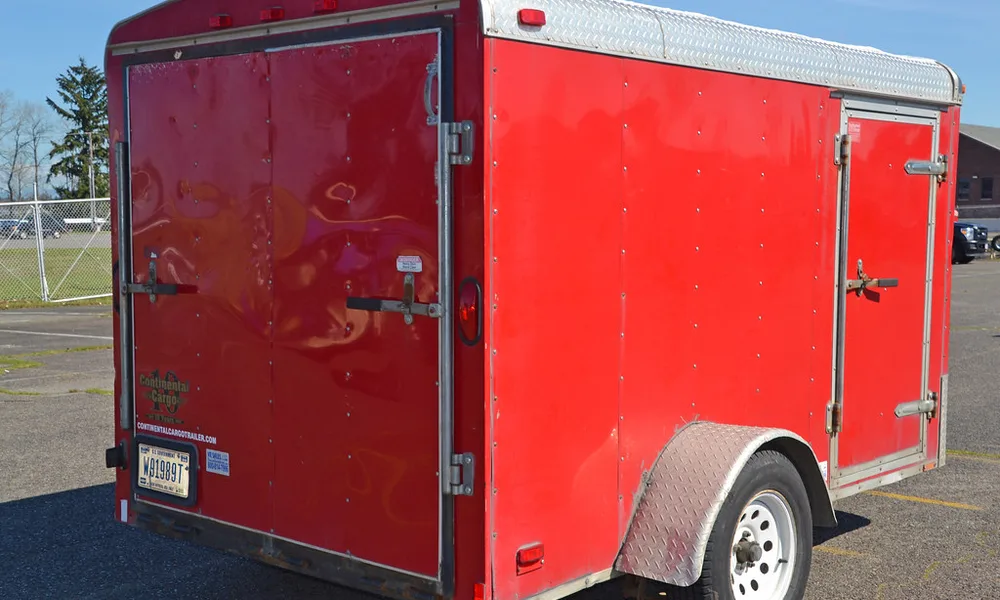
Comparison table: the worst utility trailers of 2026
| Rank | Utility trailer type | Main problem | Buy instead |
|---|---|---|---|
| 1 | Cheap single-axle light-duty trailer | Too little capacity, no brakes, bending frame | Tandem-axle trailer with brakes |
| 2 | Thin angle-iron frame trailer | Frame flex, bolted joints, fast rust | Welded tube-steel frame trailer |
| 3 | Untreated pine deck trailer | Deck rots, boards split and sag | Pressure-treated or steel-mesh deck trailer |
| 4 | Flimsy mesh-gate trailer | Ramp gate bends, hinges fail | Heavy-gauge gate with spring assist |
| 5 | No-brake tandem-axle budget trailer | No brakes at full load, long stopping distances | Tandem-axle trailer with electric brakes |
| 6 | Thin-skin enclosed cargo trailer | Leaks, sway, weak single axle | Enclosed trailer with tandem axles and brakes |
| 7 | Old second-hand trailer, no paperwork | Hidden rust, shot bearings, no title | Used trailer with title and service record |
The worst utility trailers of 2026
1. Cheap single-axle light-duty trailer: the trailer to avoid first
The cheap single-axle light-duty trailer is the most common bad buy in 2026. It is sold as a do-everything trailer, but the single small axle, thin tyres and no brakes mean it is only safe with a light load. Load it to its rated weight and the frame bends. Buy a tandem-axle trailer with brakes instead: it carries the load it claims and stops when you need it to.
2. Thin angle-iron frame trailer: a frame that flexes
The thin angle-iron frame trailer looks solid in the yard, but the paint hides the problem. Angle iron is weaker than tube steel, and the bolted joints on cheap trailers work loose, so the frame flexes under load. Rust follows quickly, because the paint is thin and the joints trap water. A welded tube-steel frame is stiffer and resists rust far better.
3. Untreated pine deck trailer: a deck that rots
The untreated pine deck trailer is the quietest failure on this list, because the deck looks fine until it is not. Untreated pine boards soak up rain, and after a winter or two they soften, split and sag. A mower wheel can punch through a rotten board. The fix is cheap at the factory: pressure-treated boards or a steel mesh deck that drains and never rots. If the boards look pale and untreated, walk away.
4. Flimsy mesh-gate trailer: a ramp that bends
The flimsy mesh-gate trailer earns its place because the gate is the part you use every single time, and the cheap ones fail at it. Thin mesh, weak hinges and a latch that does not hold mean the gate bends under a ride-on mower, sags on its hinges and rattles loose on the road. A heavy-gauge gate with strong hinges and a proper latch costs little more and lasts the life of the trailer. Test the gate with a real load before you buy.
5. No-brake tandem-axle budget trailer: two axles, no stopping power
The no-brake tandem-axle budget trailer is a trap for buyers who think two axles means a heavy-duty trailer. Two axles spread the load, but without brakes the tow vehicle must stop the whole rig alone, and stopping distances grow dangerously. In many places a trailer over a certain weight must legally have brakes. A tandem-axle trailer with electric brakes costs more, but it stops straight and stays legal.
6. Thin-skin enclosed cargo trailer: leaks and sway
The thin-skin enclosed cargo trailer promises dry, secure storage, and on a calm day it delivers. The problem is the skin: thin aluminium panels leak at the seams and dent easily, so the cargo gets wet anyway. Worse, many cheap enclosed trailers sit on a single axle, which makes them sway badly at speed. An enclosed trailer with tandem axles, brakes and a sealed roof costs more, but it tows straight and keeps the load dry.
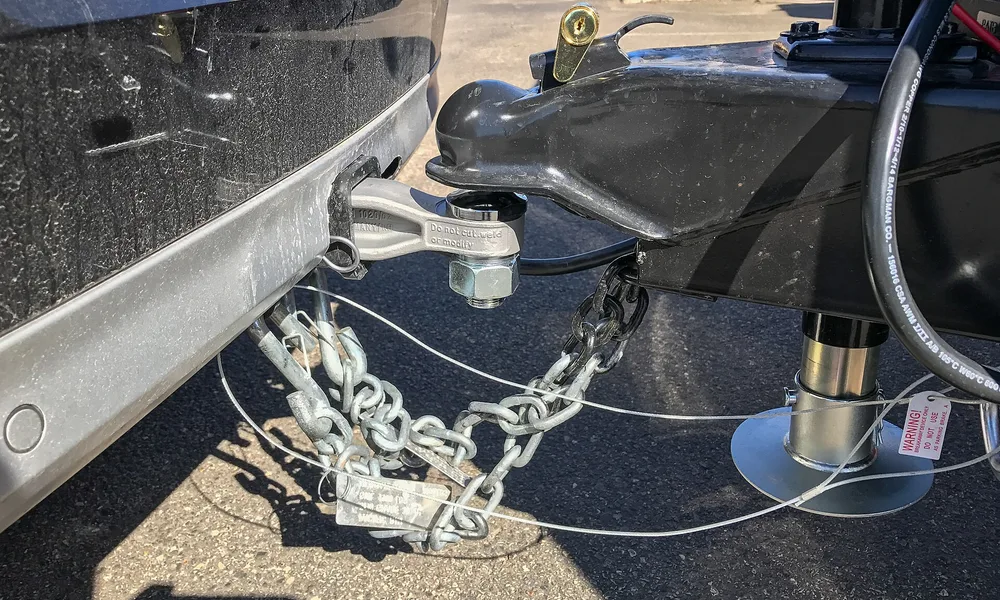
7. Old second-hand trailer with no paperwork: a gamble in steel
The old second-hand trailer with no paperwork is the cheapest you will find, and the riskiest. Hidden rust eats the frame from the inside, the bearings are usually dry and worn, and without a title you may not be able to register it at all. Buy a used trailer with a title, a readable VIN and a service record instead, and budget for new bearings and tyres.
What to avoid when buying a utility trailer
The most common utility trailer regret is not a bad trailer but a wrong match: a single axle asked to carry a tandem load, a deck too short for the mower, a coupler that does not fit the tow ball, or a trailer with no brakes behind a small tow vehicle. Avoid the trap by checking three things before you pay: the real payload rating on the VIN plate, including the weight of the trailer itself, not the headline number; the frame, deck and coupler under a real load, not just a look in the yard; and the total price with the spare tyre, jack and lights working, not the bare trailer price. The same checks work for other tow-behind equipment too, and the traps are the same everywhere: a trailer that cannot carry its one load, a repair only a welder can make, and a bill that arrives after the sale. Our guide to the tow trucks to avoid in 2026 shows how the same reliability problems play out on recovery rigs, and our guide to the flatbed trucks to avoid in 2026 covers open-deck freight haulers that are judged on decks and tie-downs, not on tow balls and couplers.
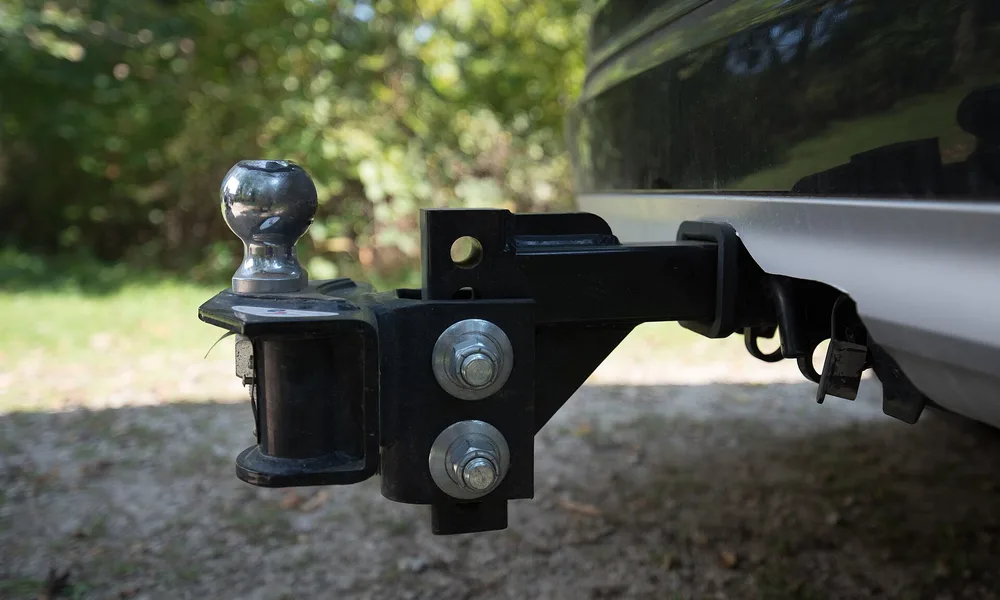
Checklist: buying a utility trailer in 2026
- Read the VIN plate and subtract the trailer weight from the gross rating to get the real payload before you believe any sales claim.
- Inspect the frame underneath for rust, cracks and bent members, and push down on the deck to check for soft or rotten boards.
- Test the coupler on your tow ball, check the latch holds, and confirm the safety chains and breakaway cable are present.
- Jack up each wheel and spin it, listening for grinding bearings, and check the tyres for age cracks, not just tread.
- Test the lights, indicators and brakes with the trailer hitched, and load it with the heaviest thing you plan to carry.
- Ask for the title, the VIN and the service history, and walk away from any trailer without paperwork, however cheap it looks.
Frequently asked questions
Which utility trailer should I avoid first in 2026?
The cheap single-axle light-duty trailer, because of its low capacity, missing brakes and bending frame. A tandem-axle trailer with brakes is the safer buy for the same hauling work.
What matters more than size in a utility trailer?
Frame, deck and coupler strength. A trailer that flexes, rots or unhitches cannot carry a real load safely, however big its deck looks on the lot.
Are utility trailers the same as flatbed trucks?
No. A flatbed truck is a motor vehicle with an open deck that hauls strapped-down freight. A utility trailer is a tow-behind cargo trailer with no engine of its own, pulled by a car, SUV or pickup.
Are utility trailers the same as tow trucks?
No. A tow truck is a recovery vehicle with a winch and a flatbed that rescues broken vehicles. A utility trailer hauls cargo such as mowers, furniture and lumber, and it has no winch and no engine.
Do I need brakes on a utility trailer?
For light loads on a small trailer, often not. For heavy loads, yes, and in many places the law requires brakes above a set weight. A trailer without brakes at full load stops badly and can push the tow vehicle into danger.
Is a cheap second-hand utility trailer a false economy?
Often, yes. Hidden rust, worn bearings, dead lights and missing paperwork can cost more to fix than the saving on the purchase price. Buy the trailer with the title and the inspection record to prove it.
Bottom line
The worst utility trailers of 2026 are the ones that let a hauling job down where it hurts: a frame that flexes, a deck that rots, a gate that bends, a coupler that will not stay latched, or brakes that were never fitted. A utility trailer is a tow-behind cargo trailer, not a pickup, a tow truck or a flatbed truck, and it should be judged on the trailer work alone. Check the payload rating, the frame, the deck, the coupler and the bearings before you buy, and the trailer will earn its keep instead of eating it.


