Worst Flatbed Trailers 2026: Open Decks That Flex, Sway and Lose Their Load
The worst flatbed trailers of 2026 are not the oldest trailers in the yard or the plainest ones behind a pickup. They are the open-deck tow-behind trailers that look like a bargain on the dealer lot and then wear their owners down: a deck that flexes under a load of steel, tie-down points that pull out, a load that shifts on the first bend, or an axle that was never rated for the freight it carries. This guide names the seven worst flatbed trailer types of 2026, based on repeated owner complaints and the faults mechanics see most often, so you can spot the pattern before you pay.
Key takeaways
- The cheap single-axle light-duty flatbed trailer is the one to avoid first: too little capacity, no brakes, and a deck that bends when it is loaded to its own rated weight.
- Deck and tie-downs matter more than length or price: a flatbed that flexes, or whose anchor points pull out, cannot carry a real load safely, however cheap it looks.
- Load securement is the hidden fault in flatbed trailers: a shifting load, worn straps and too few tie-down points turn every motorway mile into a worry.
- Axles and brakes decide whether a flatbed trailer is legal and safe: a trailer without brakes, or with an axle rated below the load, is a danger to everyone on the road.
- Always check the deck, the tie-downs, the coupler and the bearings in person, and test the exact trailer with a real strapped load before you buy.
How the worst flatbed trailers of 2026 were chosen
Every trailer type below was scored on five measures. Build quality comes first: how strong the deck and frame are, how the joints are made, and whether the steel is protected against rust. Capacity is second, judged on the real payload the axles, tyres and coupler can carry, not the number on the sales sticker. Safety is third, covering brakes, lights, chains, tie-downs and whether the coupler latches properly. Durability is fourth: whether the deck, ramps and bearings survive rain, mud and winter storage. Value is fifth: the real five-year cost, including repairs and the loads it cannot carry, not the price on the forecourt.
Two notes before the list. First, no trailer here is useless on paper, and most of them will carry a light load on a short trip. They earn their place because the ownership experience lets them down, not because the idea is wrong. Second, this guide is strictly about flatbed trailers: open-deck tow-behind trailers with no walls or roof, built to haul steel, lumber, pipes and machinery behind a pickup or a tractor unit, loaded by crane or forklift and held down with straps and chains. That is a different machine from every neighbour. A flatbed truck is a motor vehicle with its own engine and an open deck, and our guide to the flatbed trucks to avoid in 2026 judges trucks on engines and cabs, while this guide judges the trailer behind them. A utility trailer is a shorter, lighter open trailer with low sides and usually a mesh ramp gate for mowers and garden waste, and our guide to the utility trailers to avoid in 2026 covers that lighter work. A flatbed trailer is also not an equipment trailer, which is built to carry machines up ramps, nor a car hauler, which carries whole vehicles.
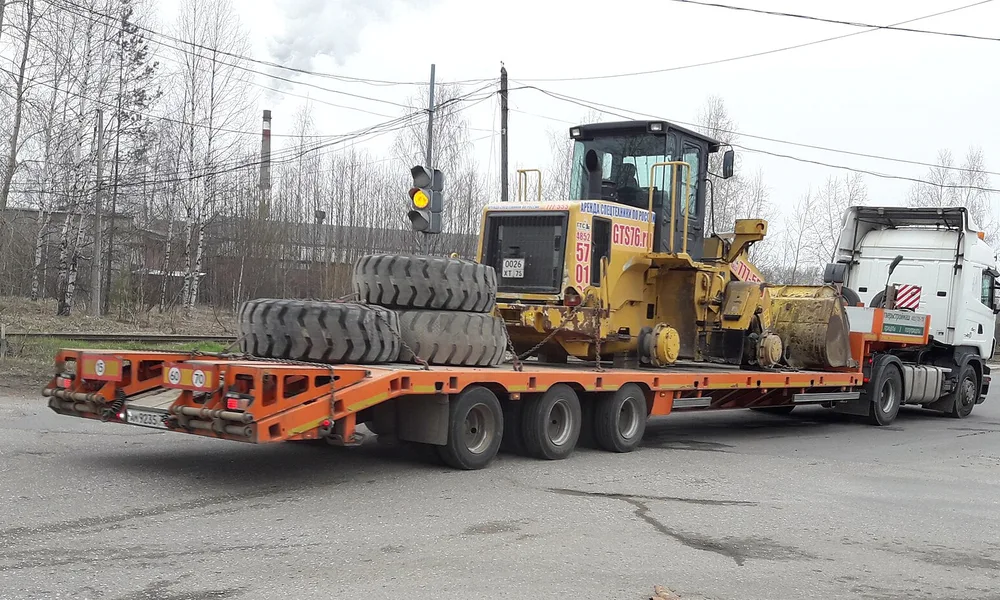
Comparison table: the worst flatbed trailers of 2026
| Rank | Flatbed trailer type | Main problem | Buy instead |
|---|---|---|---|
| 1 | Cheap single-axle light-duty flatbed | Too little capacity, no brakes, bending deck | Tandem-axle flatbed with brakes |
| 2 | Thin angle-iron frame flatbed | Frame flex, bolted joints, fast rust | Welded tube-steel frame flatbed |
| 3 | Short-deck flatbed | Loads overhang the rear, illegal and unsafe | Full-length deck matched to the load |
| 4 | No-brake tandem-axle budget flatbed | No brakes at full load, long stopping distances | Tandem-axle flatbed with electric brakes |
| 5 | Rusted second-hand flatbed, bent deck | Hidden rust, bent deck, shot bearings | Used flatbed with inspection record |
| 6 | Weak gooseneck flatbed | Neck flex, coupler wear, trailer sway | Heavy-duty gooseneck with rated coupler |
| 7 | Worn-ramp lowboy flatbed | Ramps bend, hydraulics fail, loading unsafe | Lowboy with serviced ramps and winch |
The worst flatbed trailers of 2026
1. Cheap single-axle light-duty flatbed: the trailer to avoid first
The cheap single-axle light-duty flatbed is the most common bad buy in 2026. It is sold as a do-everything flatbed, but the single small axle, thin tyres and no brakes mean it is only safe with a light load. Load it to its rated weight and the deck bends, the straps work loose and the load shifts. Buy a tandem-axle flatbed with brakes instead: it carries the load it claims and stops when you need it to.
2. Thin angle-iron frame flatbed: a frame that flexes
The thin angle-iron frame flatbed looks solid in the yard, but the paint hides the problem. Angle iron is weaker than tube steel, and the bolted joints on cheap trailers work loose, so the frame flexes under a heavy load and the deck twists. Rust follows quickly, because the paint is thin and the joints trap water. A welded tube-steel frame is stiffer, holds its tie-down points and resists rust far better.
3. Short-deck flatbed: a deck too short for the load
The short-deck flatbed earns its place because the deck is the whole point of a flatbed, and a short one cannot do the job. Long lumber and steel pipes overhang the rear, which limits what the trailer can legally carry and puts the load out of balance. The overhang swings on bends and the straps cannot hold the load square. Measure the longest load you plan to carry, then buy a deck that fits it with room to spare.
4. No-brake tandem-axle budget flatbed: two axles, no stopping power
The no-brake tandem-axle budget flatbed is a trap for buyers who think two axles means a heavy-duty trailer. Two axles spread the load, but without brakes the tow vehicle must stop the whole rig alone, and stopping distances grow dangerously with a full deck of steel. In many places a trailer over a certain weight must legally have brakes. A tandem-axle flatbed with electric brakes costs more, but it stops straight and stays legal.

5. Rusted second-hand flatbed with a bent deck: a gamble in steel
The rusted second-hand flatbed with a bent deck is the cheapest you will find, and the riskiest. Hidden rust eats the frame from the inside, the deck boards are already bowed under old loads, and the bearings are usually dry and worn. A bent deck will never hold a load flat again, so straps loosen on every mile. Buy a used flatbed with an inspection record instead, and budget for new bearings and tyres.
6. Weak gooseneck flatbed: a neck that flexes
The weak gooseneck flatbed promises the stability of a hitch over the rear axle, and on a calm day it delivers. The problem is the neck: thin steel and a worn coupler let the neck flex under load, so the trailer sways and the coupler rattles loose on rough roads. A heavy-duty gooseneck with a rated coupler and a stiff neck costs more, but it tows straight.
7. Worn-ramp lowboy flatbed: ramps that bend
The worn-ramp lowboy flatbed earns its place because the ramps are the part you use every single time, and the cheap ones fail at it. Bent ramps, seized hinges and tired hydraulics mean a machine cannot be loaded safely, and a ramp that gives way under a loader is a serious accident. A lowboy with serviced ramps, a working winch and a deck that sits level costs little more and lasts the life of the trailer. Test the ramps with a real machine before you buy.
What to avoid when buying a flatbed trailer
The most common flatbed trailer regret is not a bad trailer but a wrong match: a deck too short for the load, too few tie-down points, a coupler that does not fit the tow vehicle, or a trailer with no brakes behind a small tow vehicle. Avoid the trap by checking three things before you pay: the real payload rating on the VIN plate, including the weight of the trailer itself, not the headline number; the deck, frame and every tie-down point under a real strapped load, not just a look in the yard; and the total price with the spare tyre, jack and lights working, not the bare trailer price. The same checks work for other tow-behind equipment too, and our guide to the equipment trailers to avoid in 2026 shows how the same faults play out on trailers built to carry machines up ramps.

Checklist: buying a flatbed trailer in 2026
- Read the VIN plate and subtract the trailer weight from the gross rating to get the real payload before you believe any sales claim.
- Inspect the deck for flex, bowed boards and bent members, and check every tie-down point for cracks and pull-out damage.
- Test the coupler on your tow vehicle, check the latch holds, and confirm the safety chains and breakaway cable are present.
- Jack up each wheel and spin it, listening for grinding bearings, and check the tyres for age cracks, not just tread.
- Test the lights, indicators and brakes with the trailer hitched, and load it with the heaviest thing you plan to carry.
- Ask for the title, the VIN and the service history, and walk away from any trailer without paperwork, however cheap it looks.
Frequently asked questions
Which flatbed trailer should I avoid first in 2026?
The cheap single-axle light-duty flatbed, because of its low capacity, missing brakes and bending deck. A tandem-axle flatbed with brakes is the safer buy for the same hauling work.
What matters more than length in a flatbed trailer?
Deck strength and tie-downs. A flatbed that flexes, or whose anchor points pull out, cannot carry a real load safely, however long its deck looks on the lot.
Are flatbed trailers the same as flatbed trucks?
No. A flatbed truck is a motor vehicle with its own engine and an open deck that hauls strapped-down freight. A flatbed trailer is a tow-behind trailer with no engine of its own, pulled by a pickup or a tractor unit.
Are flatbed trailers the same as utility trailers?
No. A utility trailer is a shorter, lighter open trailer with low sides and usually a mesh ramp gate, built for mowers, furniture and garden waste. A flatbed trailer is longer and heavier, built for steel, lumber and machinery, with no sides and no ramp gate.
Do I need brakes on a flatbed trailer?
For light loads on a small trailer, often not. For heavy loads, yes, and in many places the law requires brakes above a set weight. A trailer without brakes at full load stops badly and can push the tow vehicle into danger.
Is a cheap second-hand flatbed trailer a false economy?
Often, yes. Hidden rust, a bent deck, worn bearings, dead lights and missing paperwork can cost more to fix than the saving on the purchase price. Buy the trailer with the title and the inspection record to prove it.
Bottom line
The worst flatbed trailers of 2026 are the ones that let a hauling job down where it hurts: a deck that flexes, tie-downs that pull out, a load that shifts, a coupler that will not stay latched, or brakes that were never fitted. A flatbed trailer is an open-deck tow-behind trailer, not a flatbed truck, a utility trailer or an equipment trailer, and it should be judged on the trailer work alone. Check the payload rating, the deck, the tie-downs, the coupler and the bearings before you buy, and the trailer will earn its keep instead of eating it.