The Worst Vets of 2026 — What to Avoid
The worst vets of 2026 are not the ones with the smallest waiting rooms or the oldest equipment. They are the vets whose care lets your pet down: the rushed exam that misses the real problem, the bill that doubles with tests nobody explained, the diagnosis that was dismissed as nothing until it became something serious, and the clinic that never calls back with the results. This guide ranks the worst types of vet you will meet in 2026, so you can spot a bad one before your pet needs help.
Key takeaways
- A proper exam takes time: a vet that barely touches your pet before reaching for the prescription pad is not examining them.
- Every test needs a reason in plain words, and a price, before it is done.
- Get a written estimate before treatment starts, and ask what happens if the cost grows.
- Trust your instincts: if a symptom is dismissed without a proper look, get a second opinion.
- Good aftercare is part of the job: results, follow-up calls and clear home instructions matter as much as the visit itself.
How the worst vets of 2026 were chosen
Every type below was scored on five measures. Examination quality comes first: does the vet take a history, examine the animal thoroughly and listen, or rush through in five minutes? Honesty about price is second: written estimates, explained tests, no surprise charges. Diagnostic care is third: are symptoms taken seriously and followed up, or dismissed? Communication is fourth, because a vet that cannot explain a diagnosis in plain words leaves the owner unable to care for the pet at home. Aftercare is fifth: results delivered promptly, follow-up calls made, and clear home instructions given.
Two notes before the list. First, no single vet or clinic is named as the worst, because the same bad patterns appear in many towns, and what matters is learning to recognise them before your pet needs help. Second, this guide is about vets and clinics, not the shops that sell pets: our guide to the worst pet shops of 2026 covers the sellers that keep animals in poor conditions, while this one covers the medical care afterwards.

Comparison table: the worst vets of 2026
| Rank | Vet type | Main fault | Warning sign |
|---|---|---|---|
| 1 | The five-minute vet | Rushed exam, barely examines | In and out before you finish talking |
| 2 | The test-everything vet | Orders every test first | Tests before examination, no reasons given |
| 3 | The vague-bill vet | No estimate, surprise invoice | No written estimate before treatment |
| 4 | The missed-it vet | Dismisses real symptoms | It is just age, just stress, just a phase |
| 5 | The no-call-back vet | No results, no follow-up | You chase the clinic for your own results |
| 6 | The one-size vet | Same treatment for every animal | No questions about age, breed or history |
| 7 | The dirty-clinic vet | Unhygienic rooms and equipment | Stained tables, dirty floors, no hand washing |
The worst vets of 2026
1. The five-minute vet: the worst vet of all
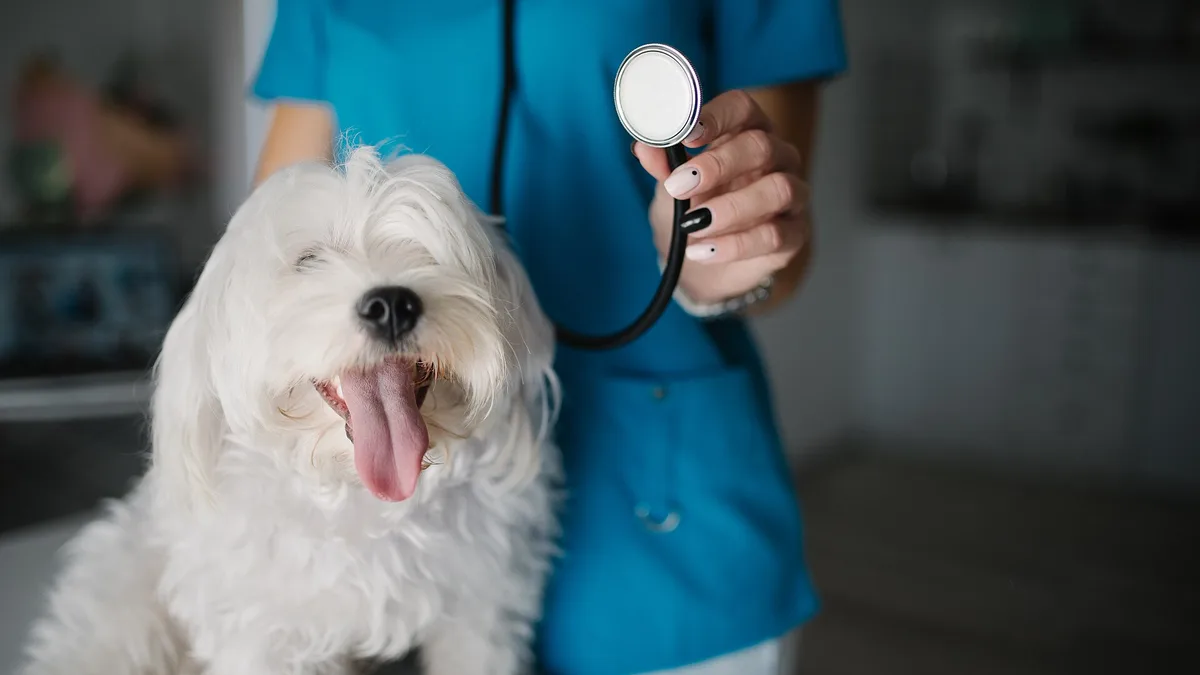
The five-minute vet is the worst vet you can take your pet to, and it is not close. You wait forty minutes in reception, and then the vet spends five minutes with your animal: a glance at the teeth, a quick hand over the coat, a prescription written before you have finished describing the symptoms, and a hand on the door. You leave with a bottle of medicine and no idea what is actually wrong. A good vet takes a history first, asks what has changed and when it started, and then examines the animal properly: eyes, ears, mouth, chest, belly, joints and skin. If the vet is finished before you have finished talking, your pet has not been examined.
2. The test-everything vet: the bill before the diagnosis
The test-everything vet orders bloods, scans and X-rays before examining your pet properly, and presents the list as if there were no choice. Some tests are genuinely needed, and a careful vet explains why each one matters. The test-everything vet does none of that: the tests come first, the explanation never, and the bill is three times what you expected. Before any test, ask three questions: what will it tell us, what will we do differently, and what does it cost? A good vet answers all three in plain words. A vet that cannot explain a test, or that treats questions about cost as an insult, is selling tests rather than making a diagnosis.
3. The vague-bill vet: the price you never agreed to
The vague-bill vet never gives you a number before treatment starts. The receptionist says it depends, the vet says they will see how it goes, and the invoice is a figure you never agreed to. Good clinics give a written estimate before treatment begins, with a range, and call you if the cost will exceed it. Ask for that estimate every time, and ask what happens if the cost grows during treatment. If the clinic will not put a number in writing, or if the estimate is a shrug, you are signing a blank cheque.

4. The missed-it vet: it is just age, until it is not
The missed-it vet has an answer for every symptom, and the answer is always reassurance. The limp is just age, the cough is just a cold, the lump is just a fatty lump. But the missed-it vet never looks twice, never runs the follow-up check, and never writes down what to watch for. Months later the diagnosis is worse, the treatment harder, and the owner is left wondering why nobody listened. If a new symptom is dismissed without a proper examination, ask what would change their mind and when to come back. If the answer is nothing and never, get a second opinion. Your pet cannot describe what is wrong, so you have to insist on being heard.
5. The no-call-back vet: the results that never arrive
The no-call-back vet takes the blood sample and then forgets you exist. The results come back, nobody rings, and a week later you are phoning reception to ask whether your pet is all right. A good clinic has a system: results reviewed the same day, owners called with the outcome, and written instructions for medicine and home care. Ask at the visit when you will hear back, who will call, and what to do if nobody does. If the clinic has no answer, or if you have already chased your own results twice, your pet’s care is being run on memory and goodwill, and that is not a system you should trust with a sick animal.
6. The one-size vet: the same treatment for every animal
The one-size vet treats a two-year-old border collie and a fourteen-year-old cat with kidney disease as if they were the same patient. The same antibiotic for every infection, the same pain relief at the same dose, the same diet advice for every breed, and no questions about age, weight, breed, history or what the animal actually eats and does all day. A careful vet asks about age, breed, weight, other conditions and medicines, and explains why this treatment fits this animal. At the first visit, notice whether the vet asks you anything at all. If the consultation ends with the same prescription every time, you are getting a routine, not veterinary care.
7. The dirty-clinic vet: hygiene is not optional
The dirty-clinic vet runs a practice where hygiene is an afterthought. The exam table is stained, the floor has not been cleaned between patients, the waiting room smells, and the vet moves from one animal to the next without washing their hands. It is not just unpleasant: infections travel from one sick animal to another in a dirty clinic. A good clinic is clean everywhere: fresh covers on the table, clean floors, washed hands, and equipment cleaned between patients. Look at the waiting room, the exam table and the vet’s hands, and trust what you see. If the clinic cannot keep its own rooms clean, it cannot be trusted to keep your pet safe.
What to avoid when choosing a vet in 2026
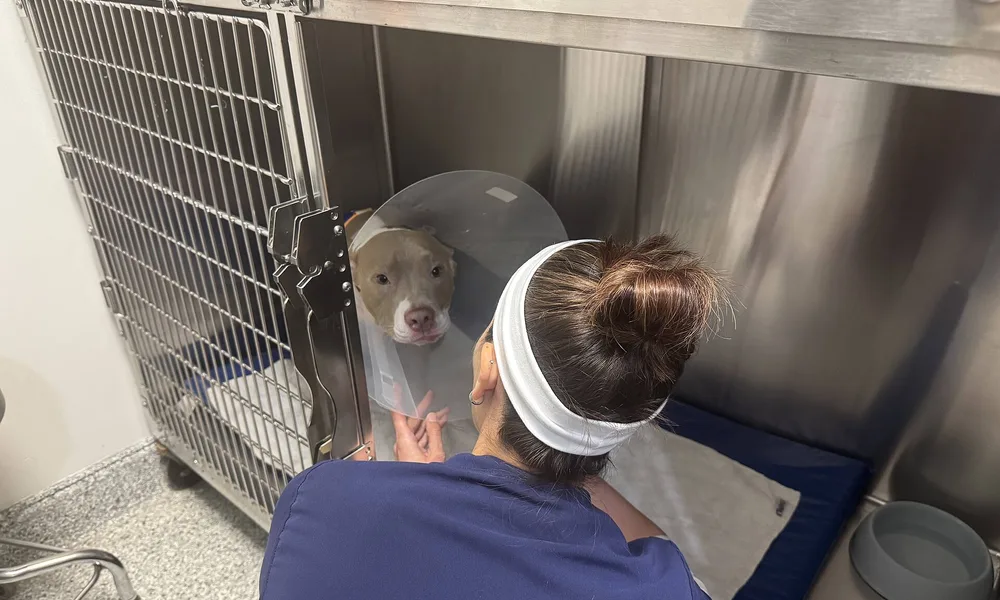
The most common vet regret is not a single bad visit but staying too long with a clinic that was never right: the rushed exams you forgave, the bills you paid without asking, the symptoms that were dismissed, and the results you chased yourself. Avoid the trap by judging a clinic on a routine visit, before your pet is seriously ill: watch the exam, ask for an estimate, ask about results, and look at the rooms. Our guide to choosing the best pet trackers in 2026 makes the same point about knowing what is normal for your pet. A clinic that welcomes questions is a clinic worth keeping. A clinic that treats questions as a nuisance is telling you everything you need to know.
Checklist: choosing a vet in 2026
- Book a routine visit first, and watch whether the vet takes a history and examines your pet properly.
- Ask for a written estimate before any treatment beyond the consultation, with a range for the likely cost.
- Ask what each test will show and what it costs, before you agree to it.
- Ask when and how results will reach you, and what to do if nobody calls.
- Check the waiting room, the exam table and the vet’s hands for basic hygiene before you commit.
- Keep a note of your pet’s normal weight, appetite and activity, so a change is easy to describe.
Frequently asked questions
How do I know if a vet is rushing the exam?
If the vet is finished before you have finished describing the symptoms, the exam was rushed. A proper exam includes a history, a hands-on check of the whole animal, and time for your questions.
Should I always get a written estimate?
Yes, for anything beyond the consultation itself. A written estimate protects you from surprise bills and shows the clinic is honest about money. If a clinic will not give one, do not agree to treatment there.
Can I refuse a test my vet recommends?
Yes. Ask what the test will tell you, what you would do differently depending on the result, and what it costs. If the answers are clear, the test is probably worth doing. If not, you can say no or get a second opinion.
What should I do if my vet dismisses my pet’s symptoms?
Ask what would change their mind and when to come back. If the symptom continues, get a second opinion. You know your pet’s normal behaviour better than anyone.
How quickly should test results come back?
Most routine results come back within one to three working days, and the clinic should call you with the outcome. Ask at the visit when to expect the call. If a week passes with no word, take the silence seriously.
How can I keep my pet calm at the vet?
Short, calm visits help, and so does bringing something familiar from home. Our guide to choosing pet calming aids that actually soothe in 2026 covers products that help anxious pets, but the clinic matters more: a gentle vet with time and patience beats any product at a rushed clinic.
Bottom line
The worst vets of 2026 fail in the same few ways: rushed exams, unexplained tests, vague bills, dismissed symptoms, missing follow-up, one-size treatment and dirty rooms. The best do the opposite: they take a proper history, explain every test and cost, take symptoms seriously, and call you back. Judge a clinic on a routine visit, before your pet is seriously ill, and change clinics the moment the answers stop being good enough.